Calendrier de vacances 2019: Comment un vendeur peut-il attirer des clients sur un marché pendant les vacances?
Les gens planifient la saison des vacances et planifient comment les dépenser tout en achetant les nouveaux articles selon leurs besoins. La saison des vacances ramène le sourire sur les visages des clients et des vendeurs. Les clients sont enfin libres de consulter les articles dont ils ont besoin, tandis que la boutique en ligne offre désormais d’immenses possibilités de vendre les produits aux clients. C’est donc l’une des périodes les plus attendues de l’année. À l’approche des fêtes de fin d’année, la plupart des vendeurs sur le marché doivent proposer de meilleures idées pour de meilleures ventes. nous

Si nous donnons un coup d'oeil à un marché multi-vendeurs alors nous pouvons facilement nous rendre compte qu’il existe une concurrence certaine entre les vendeurs sur le marché. Tous les vendeurs souhaitent réaliser de meilleures ventes et réaliser des bénéfices plus importants, ce qui constitue l'unique critère pour s'établir sur le marché. Une meilleure approche et une bonne connexion avec les clients sont la clé pour atteindre le maximum de clients et réaliser d’énormes ventes. Les vendeurs peuvent modeler les informations du client à leur avantage et essayer de faire des ventes aux clients. La boutique en ligne est devenue un marché à l’aide de les vendeurs vendent déjàAinsi, chaque vendeur doit prouver la valeur de ses produits pour pouvoir être choisi et obtenir des ventes élevées. Laissez-nous discuter de certaines des techniques qui peuvent être utilisées par les vendeurs pour inciter les clients à effectuer des achats sur un marché multi-vendeurs pendant les vacances.

1.

Quoi de mieux que d’utiliser un thème de Noël pour votre magasin de produits sur le marché. L'utilisation de thèmes appropriés est l'un des facteurs importants qui aident les clients à se connecter mentalement à la boutique en ligne. Plus de visiteurs aimeront explorer vos produits quand ils verront les thèmes intéressants et attrayants qui correspondent à la situation et à la saison. Par conséquent, le vendeur doit utiliser correctement les thèmes et la mise en page afin de tirer le meilleur parti de la présentation du produit.

2.

La plupart des clients attendent une année complète pour effectuer un achat. Dans ce cas, si le client voit une série de ventes flash sur un produit, il sera impatient de faire un achat. Cela aide à stimuler le moral du client et lui donne également le sentiment d'obtenir un meilleur contrat. Le client a l'impression de fabriquer un produit après l'avoir acheté à un certain taux% de réduction. Ainsi, l’une des techniques importantes que les vendeurs peuvent utiliser pour réaliser de meilleurs bénéfices.

3.

Les offres jumbo peuvent être mélangées aux super ventes mais elles sont assez différentes. Alors que la super-vente comprend une réduction considérable sur divers produits, les offres jumbo incluent des offres fournies par le vendeur sur une marque sélectionnée et le taux peut aller aussi bas que 30% du prix de départ et, dans le même temps, le vendeur peut également fournir chance pour le client de participer à un tirage au sort, où il a la chance de gagner le méga prix de la saison. La plupart des clients aimeraient tenter leur chance et faire un achat.

4.

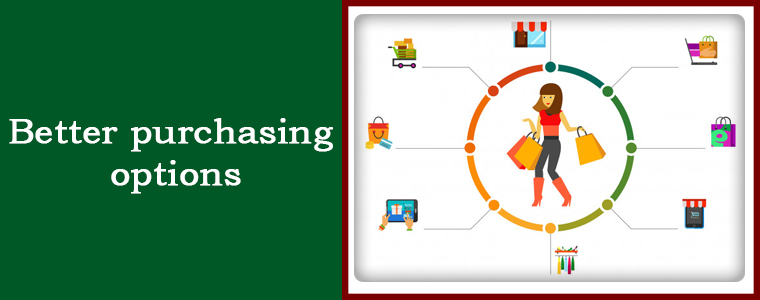
À l’approche des fêtes de fin d’année, le client est disposé à dépenser des sommes considérables en produits. Maintenant, cela dépend des vendeurs quant à la façon de faire plus de ventes aux clients. La plupart du temps, un client recommande d'acheter et doit payer le montant en utilisant un support différent. Par conséquent, le vendeur doit incorporer un nombre maximum d'options payantes pour les propriétaires de boutique en ligne. Eh bien, quoi de pire qu'un client qui a annulé la transaction simplement à cause des options d'achat? Des options plus payantes peuvent inclure l’acceptation de diverses cartes et le paiement contre remboursement, tandis qu’une meilleure approche consisterait à offrir aux clients une partie du gain lors du paiement par le biais de modes sélectionnés.
5.

Le client souhaite effectuer un achat uniquement après avoir constaté que le produit convient et qu'il vaut la peine de dépenser un tel montant. Par conséquent, la disponibilité en vrac aurait de meilleures chances de faire une vente sur les produits. Les vendeurs doivent avoir une large collection de produits afin qu'ils ne s'épuisent pas. Les clients peuvent se voir proposer diverses options lorsqu'ils se renseignent sur les produits. Le vendeur doit être prêt à faire face au pire scénario dans lequel la demande des produits pourrait dépasser les attentes initiales.

6.

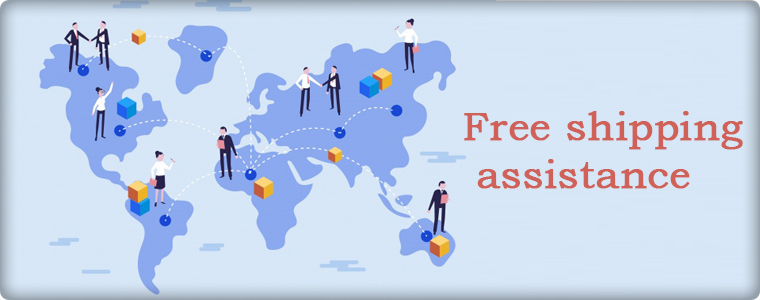
Un client souhaite obtenir une assistance pour la livraison gratuite après avoir effectué un achat. Comme la saison des vacances est arrivée, tout bon geste manifesté par les vendeurs peut avoir pour résultat direct la conversion. Le client peut être satisfait de l'aide fournie par la qualité et peut envisager d'effectuer un autre achat auprès du vendeur. Ainsi, le vendeur doit essayer de fournir au client toute l'aide requise. Quoi qu'il en soit, fournir une assistance à la livraison gratuite pendant les vacances peut constituer un cadeau en guise d'amour. Cela contribue également à améliorer le nombre de clients satisfaits.

Conclusion

La saison des fêtes apporte beaucoup d'opportunités aux vendeurs. Ainsi, le vendeur doit préparer le site Web à réaliser des ventes énormes pendant la saison des vacances. S'assurer d'une approche appropriée et du peu d'informations sur le comportement et la compréhension du client peut aider le vendeur à réaliser des bénéfices énormes et à améliorer la base de clients du magasin pour de futures références.

?Cela vous intéresserait également:

Pourquoi devriez-vous vendre sur un marché eCommerce?
Moyens 5 d'attirer les vendeurs sur votre marché en ligne multi-vendeurs
Comment obtenir un marché: un guide étape par étape?
En quoi le module de marché multi-vendeurs est-il une bonne affaire pour l'administrateur du magasin?
Comment lancer un marché comme Etsy et Ebay?


2022 Holiday Calendar: How can a Seller Attract Customers on a Marketplace during Holiday?

The holiday season is embarked by the people planning on how to spend them and at the same time purchasing the new items as per their needs. The holiday season brings the smile back on the faces of the customers and as well as the sellers. The customers are now finally free to give a look to the items which they require while the web store now has immense opportunities to sell the products to the customers. Therefore, it is one off the most awaited time of the year.As the holiday season arrives, most of the sellers on the marketplace need to come up with better ideas in order to make better sales.

We at Knowband assist you in every phase of eCommerce marketing and sales. We’ve created a quick promotional checklist of the holidays and sales dates of 2019. Identify which holidays and sales dates align with your brand and create your marketing campaign accordingly.

If we give a proper look to a multi vendor marketplace then we can easily realize that there is a definite competition between the sellers among the market place. All the sellers wish to make better sales and earn higher profits which is the sole criteria of establishing themselves on the market place. Better approach and proper connection with the customers is the key to reaching out to maximum customers and making huge sales. The sellers can mold the customer’s information to their benefit and try to make sales to the customers. The web store turned marketplace with the help of Multi vendor Marketplace module have many sellers already selling, so each seller has to prove the worth of their products in order to be chosen and get high sales. Let us discuss some of the techniques which can be used by the sellers to attract the customers to make a purchase on a multi seller marketplace during holiday.

1.  Attractive Themes

What could be a better idea than to use a Christmas oriented theme for your product store on the market place. The utilization of proper themes is one of the important factor that helps the customers to connect to the web store mentally. More visitors will like to explore your products when they see the exciting and attractive themes matching the situation and the season. Therefore, the seller must make proper use off the themes and layout in order to bring out the best in the product presentation.

2.  Super sales

Most of the customers do wait for complete year in order to make a purchase. In this case, if the customer sees a series of flash sales going on any product then he will be eager to make a purchase. It helps in boosting the morale of the customer and also imparts the customer with a feeling of getting better deal. The customer feels as if he is making a product after buying it on a certain rate % off. Thus, one of the important technique that can be used by the sellers to make better profits.

3.  Jumbo offers

The jumbo offers may be mixed with the super sales but they are quite different. While the super sale includes a considerable off on various products, the jumbo offers include offers provided by the seller on selected brand and the rate may go as low as 30% of the original price and at the same time the seller can also provide some kind of chance to the customer to enter a lucky draw, where they get a chance to win the mega prize for the season. Most of the customers would like to try their luck and make a purchase.

4.  Better purchasing options

As the holiday season arrives, customer is willing to spend a considerable amount of money on the products. Now, it depends upon the sellers as to how to make more sales to the customers. Most of the time a customer would refer to make purchase and needs to pay the amount using different medium. Therefore, the seller must incorporate maximum number of paying options for the web store owners. Well, what could be worse than a customer who cancelled the transaction just because of the purchasing options? More paying options may include various cards acceptance and COD while a better approach would be to provide the customers with some of the prize off on payment through selected modes.

5.  Product availability

The customer would like to make a purchase only after they finds the product’s suitability and its worth of spending such an amount. Therefore, better chances of making a sale on products would be the bulk availability. The sellers must have a large collection of the products so that they don’t run out of the products. The customers may be provided with a variety of the options when they enquire about the products. The seller needs to be ready to face the worst case scenario where the demand of the products may exceed the original expectations.

6.  Free shipping assistance


A customer would like to get a free shipping assistance after making a purchase. As the holiday season has arrived, therefore any good gesture shown by the sellers may directly results in the conversion. The customer may feel good about the quality assistance shipping provided to them and may consider making another purchase from the seller. Thus, the seller must try to provide the customer with all the required help. Anyway, providing free shipping assistance during holidays may be implied a small token of love from the seller as a gift. It also helps in improving the number of satisfied customers.

Conclusion

The Holiday season brings lot of opportunities for the sellers. Thus, the seller must gear up the website to make huge sales during the holiday season. Making sure of proper approach and the little information about the customer behavior and understanding can help the seller in making huge profits and also improving the customer base of the store for future references. Do not wait for the holidays to begin. Instead, start marketing your business to your customers right from the beginning of the year. We at Knowband assist you in every phase of eCommerce marketing and sales.

 This Would Also Interest You:

Why you should sell on an eCommerce Marketplace?
5 Ways to Attract Sellers on your Online Multi vendor Marketplace
How to get a Marketplace: a step by step guide?
How is Multi vendor Marketplace module a good bargain for store admin?
How to Launch a Marketplace like Etsy and Ebay?


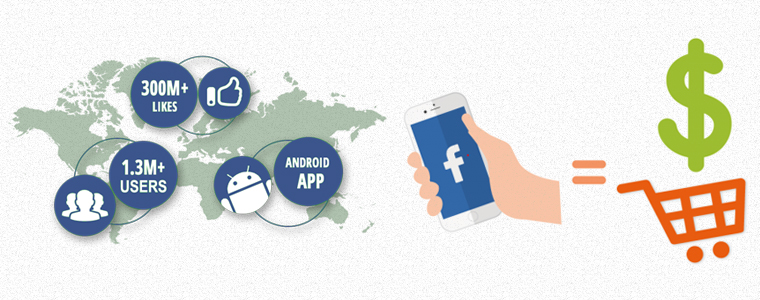
How can the Facebook Followers help Your eCommerce Business Grow?

The success of a web store depends on various factors. One of the determining factor would be the customer base. It is not just the website traffic that needs to be increased, the eCommerce store needs to develop their fan base on the various platforms. Thus, the eCommerce websites use social media as a platform for promoting their business. They are always in search of options, so that, they can increase the fan base of their web store. The more customers you are able to engage on the social media platforms, the better are the chances of conversions.

One of the basic idea to gain popularity is by having a huge fan following on Facebook. Facebook has proved its worth in popularizing the web stores through the vast coverage and reachability among the users. Thus, having a huge Facebook fan base for the web store proves to be an important step in achieving the better conversions. Thus, if you are a Prestashop store owner and want to improve the Facebook fan base of your web store, then, Prestashop super fan plugin might be the tool you are looking for. The module showcases a like button on the website. On hitting the button, the visitors get discounts and offers in return. It now just increases your Facebook followers, but even converts the visitors of your web store. Thus, providing a win-win situation for both the admin as well as the customers.

Let us discuss some of the factors by which the Facebook follower count can help you in growing your web store.

Better Coverage

The reachability of Facebook is over more than 4 billion users. Thus, it’s always a good idea to promote your web store in such a well-established platform. With more number of Facebook followers the web store owners can always be sure about the outreach of various products introduced by the web store. Most of the time, people are less likely to know about the web store but with the function of social sharing, the post on Facebook can be reached to the users who are not a follower of thee web store. It helps in getting new customers for the web store.

Information sharing

One of the best ways to keep up the conversions is to keep the customers informed. While it is difficult to bring the customer back to the website again and again, imparting the information on the social media platform is easier. The idea of sharing the regular update on the web store using Facebook is quite good. Most of the customers may not be able to browse the web store regularly but the access to social media is done on a daily basis. Thus, the web stores can update their Facebook followers on different products available on the web store or any ongoing discount, offers or products. This helps the customer in staying updated about the web store and without actually checking the web store, they get to know about it.

Better engagement

One of the immediate advantage of having Facebook follower is the reachability and ease of communication. It allows the store admin to showcase their products and offers on the Facebook page itself. The Prestashop Facebook wall post module enables the web store to have this feature on their Facebook post. Thus, ensuring easy and better sales for the sellers and at the same time the customers have the feature of making purchase without putting a lot of efforts. It is a win-win situation for both the seller and the customer.

Minimal efforts and maximum profit

One of the major problem encountered by the web store owners is the to find the apt way to promote of their website. Thus, one of the best way of making good conversions is by the proper utilization of the Facebook fan base. It ensures the easy and low effort promotion of the product from the web store. The customers do also have to put less efforts while searching for their favorite products, as they get a glimpse of various products present on the web store via the Facebook page. It is one of the best method to make the web store popular.

Over to You

The inclusion of social media platform to gain better growth of the web store has proved to be an effective step. The web store owners can always take this root. As Facebook is quite popular therefore the eCommerce store can use Facebook as a tool to boost their sales and also the effective number of conversions that can be made.

Related Stories

5 Quickfire Prestashop Addons that can Boost your Conversions

E-commerce merchants crave for conversions, but conversions do not happen automatically. It requires your time, efforts and a well-structured strategy. If you are a Prestashop store owner and looking for some helpful addons to boost your conversions, you can try out the Prestashop addons that are listed below.

1. Spin and win popup module

The traditional approach of asking for visitor’s email addresses by offering them some deals and discounts doesn’t work any longer. This is why e-retailers come up with new ideas every now and then to increase customer engagement. And why shouldn’t they? Customer engagement is an important factor to drive more conversions.

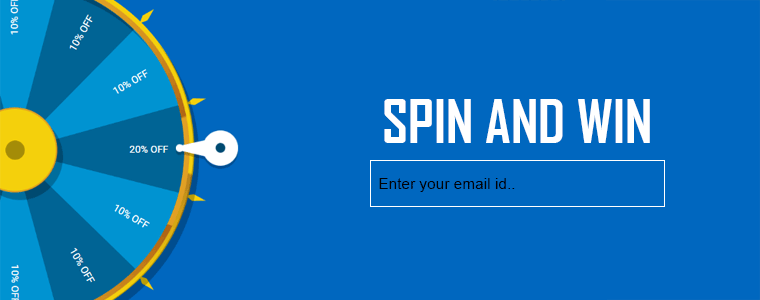
Spin and Win popup is the recent approach followed by merchants to engage customers. The motive behind this is to provide a gamifying experience to users, make them earn some discount by spinning the wheel and capture their email addresses when they claim the deal. Prestashop Spin and Win pop-up addon is a 3-in-1 popup (Entry, Exit, and Email subscription popup) that focuses on engaging your users in a fun activity. When visitors enter your store, they are asked to spin the wheel to win some amazing discounts on your store. Curious to win discounts, users spin the wheel and provide their email addresses to claim the offer. This way, you get their email addresses which can prove to be very useful for your email marketing campaigns. You can display the spin and win popup even at the time when a visitor is attempting to take an exit from your store.

2. FB wall post

The introduction of Social media has made marketing much easier than before. E-retailers are utilizing the advantages of major social media platforms to boost up their business, where Facebook is on the top list.

Prestashop FB Wall Post addon is one such way for you to increase your e-commerce conversions. The FB wall post module helps in generating automatic wall posts as well as manual wall posts based upon the seller’s convenience. One of the very advantages of this module is that it enables the merchant to make the customers aware of the new products arrival. Moreover, you can select the category and the brands that you wish to display on the wall post.

3. Social loginizer

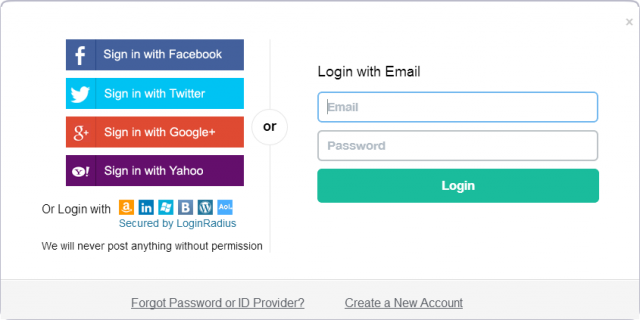
Imagine how frustrating it would be for a user if they have to go through a lengthy registration process every time they visit a new eCommerce website. The registration process is the door to enter the store. Would you like to make your users wait or get them inside as quickly as possible? The latter would arguably the most obvious answer. This is what the social login option does. It allows users to sign in directly with their social accounts such as through Facebook, Google, Twitter, etc.

Prestashop Social loginizer addon offers 15 log in options to visitors The Social login saves the time in filling up the lengthy registration forms. Social loginizer allows the store merchants to place the easy social login facility on various pages such as Home Page, Category Page, Product Page, Checkout page, etc. The availability of social login makes you gather your user’s data easily and you can get more insights into your customers like their age, location, gender, etc. This helps in target marketing. Social loginizer can be very effective in increasing your eCommerce conversions.

One page checkout


The checkout page of your eCommerce store decides whether the visitor would convert into a customer or not. It either leads to increased conversions or increased abandoned cart. A complicated checkout process is one of the major reasons for customer dissatisfaction that leads to cart abandonment. Customers find it tiring to provide their details on a number of pages. As a result, they just hit the exit button and leave your store. In order to overcome this problem, e-retailers are following the one-page checkout process that puts up all the checkout related fields on a single page.

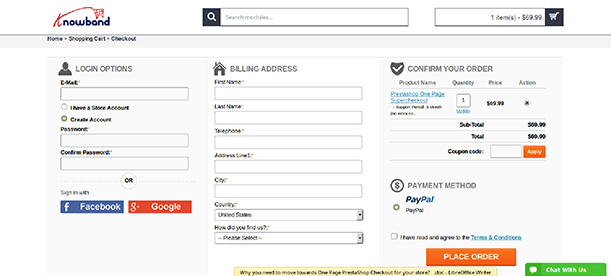
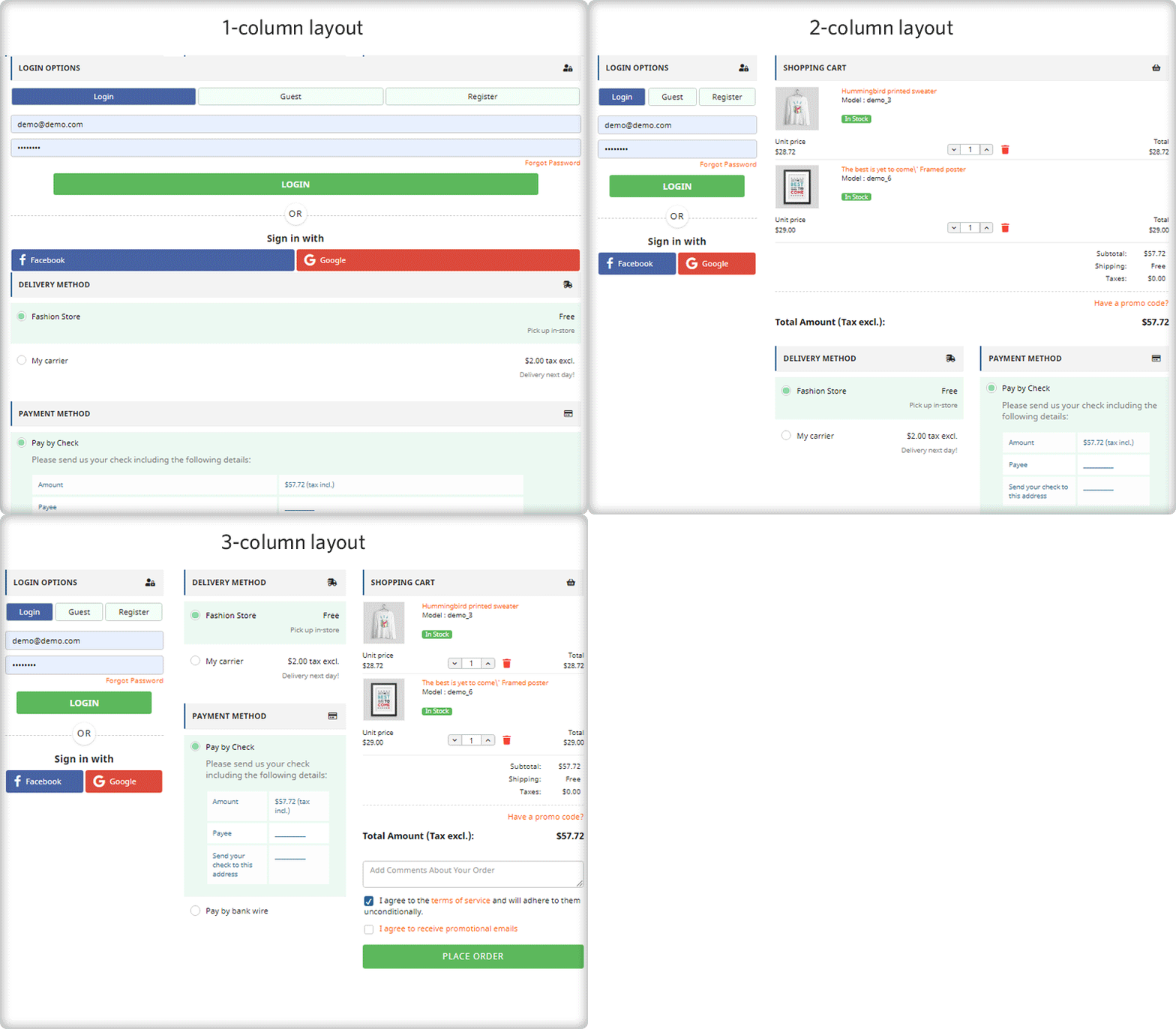
Prestashop one page super checkout focuses on providing a better checkout experience to your customers. It offers a social login option (Facebook login, Google login and PayPal login) to your users along with a guest checkout option. As a store merchant, you can offer multiple shipping and payment methods to reduce the possibilities of cart abandonment. Apart from that, you can choose multiple layout designs of your checkout page

5. FB store

The growing popularity of Facebook has led brands to promote their products on the largest social media platform today. With over 2.38 billion active monthly users, it has become a major platform for online businesses to market their products and earn more revenue. If you haven’t marked your brand’s presence on Facebook, you are seriously missing out on a great opportunity to gain more conversions.

Many brands have opened their Facebook stores to drive more sales. If you haven’t opened a facebook shop yet, open it today. It is a must if you are thinking to take your business to a large scale.

Prestashop FB Store module is a good approach to gain higher traffic and increase user engagement on your prestashop store. It helps you integrate your Facebook page to your Prestashop store and provides you various options to customize your Facebook shop. It increases your product visibility and makes you reach out your products in front of a wide facebook audience.

Conclusion

Expecting your conversion funnel to go up rapidly would be unwise. It takes the right tactics and the right approach to get more conversions. Take your time, brainstorm new ideas and come up with some amazing ways to improve your conversion rate. Above all, keep the user experience the topmost priority.

If you found these 5 Prestashop addons helpful to boost your conversions, do let us know by leaving a comment below.

You Might Also Like:

How can Infinite Scroll benefit your eCommerce Site?

With the availability of multiple eCommerce stores, online shoppers have a number of options to choose from. But what leads to the decision making of the shoppers when it comes to choosing the best store among all? Can you guess?

It’s the User Interface. Apart from UI, it is the UX. Your website appearance is the first impression of your eCommerce store on your visitors. If it doesn’t look pleasing, you won’t be able to make your visitors stay on your store. A good user interface is followed by good user experience. If your UI is impressive but you are failing to provide a comfortable browsing experience to your visitors, you are probably not going to see them back on your store.

So, in order to provide customers with a smooth and pleasant experience, enhancing the user interface as well as the user experience is a must. Bridging the gap between the user experience and user interface is highly important for the success of an eCommerce store. E-commerce merchants use different tools and features on their web stores to make it more interactive and engaging. One such method to enhance the UI and UX of an eCommerce website is the Infinite scrolling.

Infinite scrolling, also referred to as Endless scrolling, eliminates the pagination process from your store by bringing the automatic and continuous loading. As a user scrolls downs the page, the product list continues to populate. As a result, users do not require to click on the next page to browse further.

The Infinite Scroll module by Knowband helps the eCommerce merchants get rid of the conventional pagination system. It adds an automatical scroll on the product listing page and enables the user to easily navigate through your store products, on a single page. If you run an e-commerce store on Prestashop, OpenCart, Magento or Magento 2, you can avail the benefits of this Infinite Scroll module. Try them out:

Infinite Scroll addon for Prestashop

OpenCart Infinite Scroll extension

Infinite Scroll extension for Magento

Infinite Scroll extension for Magento 2

Are you still sitting on the fence of whether to implement this infinite scroll feature on your store or not? Here are some of the compelling reasons that would help you make up your mind.

Infinite scroll is time-saving

As an e-retailer, your primary focus should be to maintain the user flow when they are present in your store. A pagination process can disturb the user flow and create frustration when users go through a number of pages. Infinite Scrolling, on the other hand, makes the browsing interesting and time-saving.

Infinite scrolling offers Easy browsing

One of the main advantages of infinite scrolling is that it makes browsing easy. With the automatic loading of products, the customers just need to scroll to find their desired product. But continuous scrolling, sometimes, can make a user dig so deep that it will be difficult to reach to the top of the page again. For this matter, the Infinite Scroll module contains a “Go to top” button to make a user easily navigate to the top section of the page.

Infinite Scrolling increases session duration

To be very true, users get bored and tired after browsing a number of pages. They do not even look further to see more results and take an exit from your store. This isn’t the case with Infinite Scrolling. When products are displayed continuously on a single page to the users, they browse more products and spend more time on your store, which helps in increasing the average time spent by a user on your site.

Infinite Scroll offers fast browsing

Customers prefer fast loading. They just hate to wait for the pages to load. Clicking on the next page several times and waiting for the page to load every time can irk your visitors. Infinite Scrolling overcomes this issue and keeps adding the next page content automatically. Users find this way more convenient.

Amazing for touchscreen devices

Touchscreen mobile devices are heavily dominating keypad devices over the last few years. Today, almost every user owns a touchscreen mobile phone. This is why Infinite Scrolling is considered to be the ideal way and preferred over pagination by e-commerce merchants. It gets so simple to just use a thumb to navigate to different pages. Facebook is a prime example.

Infinite Scrolling creates more user engagement

When the content gets loaded quickly, it makes a user stay longer on the page, hence increases customer engagement. Because of the continuous appearance of products, users find themselves interacting in your store for a longer period.

Conclusion

Customers love the Infinite Scrolling feature. It enhances their user experience and keeps them engaged in your store. I guess this is enough for you to make this feature available on your e-commerce store. Check out the Infinite Scroll modules and let me know the results that you obtain afterward.

Liked this article? You will like these too:

Pagination vs Infinite Scrolling

Infinite Scroll Optimization: You enroll while they Scroll

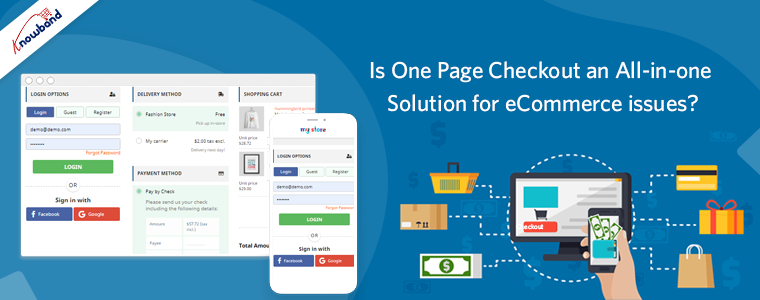
One-page Checkout for eCommerce Stores, Is It a One Stop Solution for All Your Issues?

Here at Knowband, we get questions from all our clients looking to boost their checkout conversion rate, if they should switch to a one-page checkout?

Their aim with the question is simple; they want to get more check-out page conversions, fewer cart abandonment, and more sales. We respond by always saying this, “It depends”. It sometimes comes as a surprise to most customers to hear this reply. As we are selling a one-page checkout Extension, and still not pitching a sale to them. Maybe they expect an answer like “Yes, it is the best. You should use our one-page checkout”.

I wish it was this easy. We don’t pitch our solution with a blindfold, instead, we recommend them something that will help them understand if their issue can be solved by simply installing the one-page checkout module. Let’s just take a pause and inspect some pros and cons of one-step checkout and then decide, whether a one-page checkout is simply an all-in-one solution for all your issues?

The misunderstood part of the one-page checkout solution

This is a common misconception among the eCommerce store owners that the one-page checkout is one medicine to all the check-out-related cart abandonment issues. It’s really understandable. The Fewer steps a customer has to go through easier it will be for him to complete the process and checkout bounce backs will reduce.

However, that’s not always the exact case. The implementation of one-page checkout is definitely appealing, but it does not mean it is the solution to all your issues. Truth to be told, one-page checkouts have their own set of problems that should be addressed to make them more organized and informed for the customers. Simply, a one-page checkout solution can make your store, but can also break it with some negative impacts if you don’t know the correct way to implement it.

For the customers who inquire about our one-page checkout, often time we come to hear that they read some article or attended some event where they told it is better. Most likely these customers did not pry into their existing multi-step checkout process and neglect the mistakes they are already doing with their checkout. So, even if they go for a one-page checkout, they are more likely to repeat those same mistakes, and then blame the checkout solution for the breakdown.

Consider these factors before deciding your checkout page:

So, Which one should you consider, One-Page Checkout or Multi-Page Checkout?  An honest reply would be both. A one-page checkout can be really effective in the right conditions and with proper implementation. You need to make sure that it addresses the common issues of a one-page checkout and has handled them effectively.

The right conditions for deciding the right checkout process for your business can depend on the aspects like:

  • Niche
  • Customers
  • Price point
  • Product Type
  • Pain Points and
  • Solutions

For instance, if you are selling luxury items that already receive fewer sales due to the high price point, and you have a loyal base of old customers, then a multi-page checkout is a better choice here. It will guide the users through the checkout process and will convert better.

On the other hand, if you sell non-expensive items where there are more sales and you are also offering free shipping options, then a one-page checkout solution would be more effective here. It will be quick, give a faster way to review the products in the cart, show the free shipping option right away, and allow the shopper to make the payment straight on the same page.

Perform A/B testing for the best checkout page solution

These are just the example of two simple cases. However, the best way to know which option works best for you is to test, analyze, test, and iterate. A/B testing can be really helpful where you can test both the types of checkout (i.e. one-page checkout and multi-step checkout) at the same time and see which one pleases your customers better.

Be cautious while testing, because here you’ll be pitting the best against the best. You wouldn’t get the right results if you compared a well-optimized one-page checkout to a cluttered and unorganized multi-step checkout. So, always test an apple with another apple.

A simple recommendation would be to first optimize the current multi-page checkout as far as possible. Once, you have fully optimized the multi-step checkout, then compare it with a well-optimized checkout by testing them. It will give a fair chance to your multi-page checkout, or else, the one-page checkout solution will always overshadow it.

One-page checkouts still have some benefits by default

  • The one-page checkout is quick since everything is on a single page.
  • There are only a few steps for customers to complete on a one-page checkout solution.
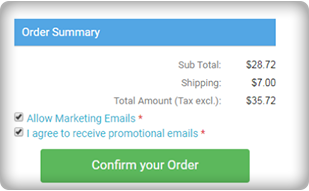
  • Well-optimized checkouts provide the cart review option on the same page.
  • Shipping option selection is available on the same page in the one-page checkout module.
  • The one-page checkout offers payment options on the same page.
  • Some advanced checkouts offer social login options as well.

Features to look for while selecting a One-Page Checkout Solution

Optimization is one such thing that differentiates a checkout Page from another checkout solution. Whether you are talking about a multi-step checkout or a one-page checkout, it has to be well optimized.  You won’t be able to solve all of the problems with the checkout page by simply consolidating it onto a single page; you’ll still need to optimize it for cart abandonment issues.

A true one-page checkout developed to curb the checkout page abandonments must address the issues like these:

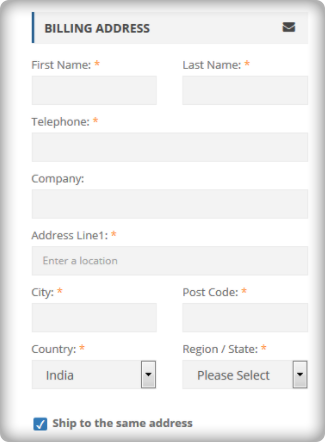
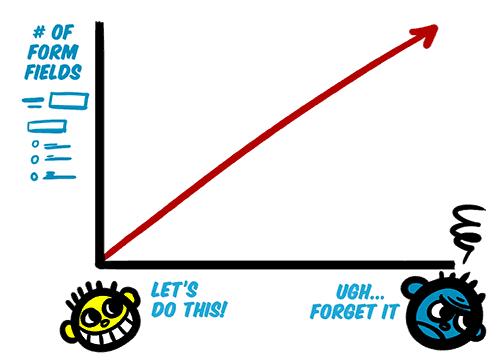
Length- The length of the checkout process does not merely depend on the number of pages, but the number of details a customer has to fill in to complete it. Make sure your one-page checkout does not ask the customers to fill in unnecessary and redundant details. You can segregate the mandatory and optional fields.

For example, you can reduce the billing or shipping address form size by removing the unnecessary fields like fax number, anyone from the phone or mobile number, etc.

Cart review and update- What most of the one-page checkout solutions miss is the option for the customers to review their cart and update the product quantity from the checkout page. However, there are Advanced one-page checkout solutions that do provide the cart review and update options. So make sure, your one-step checkout does provide this feature.

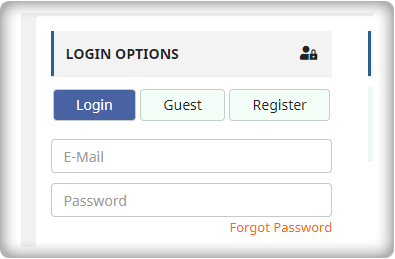
Guest checkout: Guest checkout is an important feature. On both the checkouts(i.e. one step checkout or multi-page checkout), if you miss providing a guest checkout option, then you may lose some business. So, make sure whichever checkout option you choose, you should offer the guest checkout.

Social Login: Social login option is more of a competitive advantage than an optimization. If you are not asking your customers to necessarily create an account and offering guest checkout, it’s optimization. However, if you are allowing them to sign up or log in with their Facebook or Google Account, it’s a competitive advantage. Our  PrestaShop one-page checkout offers social login through Facebook and Google to help you gain the most out of your checkout process.

Clutter-free design: What haunts most of the merchants while switching to one-page checkout is the design issue. A one-page checkout in-housing the whole checkout process on a single page is more likely to look congested and cluttered. Therefore, you must ensure that your checkout page does not only fits with your theme design but should also have enough white-spaces to segregate each element and section. For example, it would not be a nice look if the shipping section overlaps the payment section or any other section of the page.

We have tried our best

We have tried our best to optimize our one-page checkout modules for Magento, OpenCart, and PrestaShop in the best possible way. We have included all the options that have been mentioned in the previous point. Moreover, we have also tried it to have the best possible clutter-free design.

Check out how we eliminated all the one-page checkout-specific issues in our checkout modules.

We don’t say a one-page checkout is a one-stop solution to all your checkout page issues. However, a well-optimized one-step checkout can always provide an upper hand. Optimize your multi-step checkout to the best possible extent and then test it with the one-page checkout solution, the results will ensure you have the best checkout, no matter it’s one page or multi-page. Always choose the best for your brand.

Liked This? You’ll Like These Too

Top eCommerce shopping Apps trends to follow in 2017

E-Commerce has grown up enormously in 2017 and so is the new trends and requirements. Each day you come across a new research, a new patent, a new feature, and a new trend that is engaging users from all corners.

Developing an App for your eCommerce store is a bit different from the stand alone apps. Here you don’t only need to provide the best user experience but also keep a sync with the website. It’s a tough job.

However, the new developments in the app development and eCommerce technology have made the task really easy. Now, getting a mobile app for your eCommerce website is not a headache but a smooth walk. In this article, I am going to enlist the top eCommerce Shopping apps trends that have made the business smooth, UX great, and ROI better likes never before.

E-Commerce shopping Apps trends

360-degree product images

With 360-degree cameras and equipment becoming accessible day by day, eCommerce store owners are utilizing this technology to establish a cutting edge in their mobile apps and product listings. Mobile apps are coming with the support to show the 360-degree view of the products through the 3D images.

These images provide a well-covered display of the product from all the angles and let the customers experience something new and informative. With 360-degree images integrated with the mobile apps, customers get an effective demonstration of the product through a single image only. Thus ensuring a high level of engagement from the users.

E-Commerce shopping in Virtual or Augmented Reality

The technology of VR and AR has been in the trend this whole year till now and was in trend last year as well. So far, the implementation could be seen in the games like Pokemon Go. However, now the eCommerce players are also in the race to use this technology for providing a lavish shopping experience through the mobile apps.

Image source: flashmode.tn

The VR and AR technologies can provide a reality like experience allowing the users to view the products from all the angles, thus improving the sales presentation of the products.

Unfortunately, these technologies are not in their full fledge yet. Many researchers like Google, Sony, and Samsung are already working to make them accessible and applicable to the real world scenario. Moreover, till now there are only a few phones supporting these techs.

Hopefully, with the current pace of development, it can be said that eCommerce mobile apps will soon be found with VR and AR features. With the tech being accessible in the future it is also expected that more and more of your customers will have the devices supporting the VR and AR.

However, Lens-kart did apply a mild concept of AR in its mobile app. Here, the users just need to put their face in the virtually specified area on the screen through the front camera. Based on the virtual measurements the app can virtually show how the particular frame will look on them.

Chat While Shopping While shopping on an eCommerce mobile app, buying confusion is a common thing to come up. We often get confused with so many choices at the fingertips. If this confusion is cleared on time, the app receives a sale. While if not, this may result in a shopping cart abandonment.

To avoid such confusion situations, eCommerce mobile apps are expected to integrate the chat functions. Using this feature the shopper can contact his friends and ask for advice regarding which product to purchase. Sounds simple, but it can help the store owners a lot and can eliminate a significant reason of shopping cart abandonment.

With the growing pace of development, the chat function is expected to get common in all kinds of mobile apps soon.

Shop with your voice

One thing that users don’t like about mobile is typing on that tiny screen. Voice search has become quite an impressive source of convenience in this regard. With voice search on the apps, the users can navigate on your store and find their favorite products with really fewer efforts.

Shopping becomes so easy when customers can just talk with their mobile phones rather than typing things. This technology is already in boom and is expected to get integrated in all kind of eCommerce apps in the coming future.

You can experience the extensive voice search function in the PrestaShop Android mobile app builder as well. It’s an App builder service that is used to develop mobile apps for the PrestaShop, Magento, and OpenCart stores.

Mobile wallet integration

E-Commerce apps are becoming easier and simpler to use day by day. To ensure the best user experience for the customers, the apps try to make the checkout and payment process as quick as possible. With mobile wallets, the users don’t have to enter the card details or any other detail to make a payment.

Mobile wallets are the one step solutions to make the payment process really short. Users just need to select their wallet as the payment option and then provide the authentication when prompted, that’s it; payment was done.

In fact, in most of the native mobile wallets integrated into the mobile app, users don’t have to provide the authentication. Just a single click and payment is done. Amazon Pay is one such native payment option on the Amazon’s app that makes the checkout real quick.

All the eCommerce apps in 2017 and onward are greatly expected to integrate such wallet payment options. Of course, no eCommerce store owner wants to give their customers a lengthy payment form to complete the checkout.

Future of eCommerce apps is bright

Mobile commerce is the next big thing, and it is expected to grow rigorously in the upcoming future. eCommerce mobile apps are playing a pioneering role in giving the best user experience to the users. If you don’t have a mobile app for your eCommerce store, you are losing a great share of the business that mobile app can give. It’s a time for you get a mobile app for your store and start selling in style and convenience to your customers.

If you own a PrestaShop, Magento, or OpenCart based eCommerce store, it very easy for you to get a mobile app in really affordable investment. The Android mobile app builder will help you get the best eCommerce app in just a few steps. Check out:

Android Mobile App Builder – Magento Extensions

Android Mobile App Builder – OpenCart Extensions

Android Mobile App Builder – PrestaShop Addons

Liked This? You’ll Like These Too

7 Awesome eCommerce Ideas for 2017

2017 is on full fledge, so is the eCommerce market. It’s almost half past and we are all set to step inside the rest half of the adventure.

Adventure? Yes, if you are an eCommerce entrepreneur and your business is still kicking, you know what I mean.

This year, till now, has witnessed so many start-up successes, while some were not so lucky. Are you one of those lucky ones?

If ‘Yes’, congrats! You did the job right till now. If ‘No’, there is no problem. In this post, I have compiled a list of some really useful eCommerce ideas that you can still adopt to keep on kicking. Hopefully, if you do it right, you might get something to reestablish your business, if you were not so lucky earlier.

So, here it goes.

1. Take Mobile Optimization as priority now

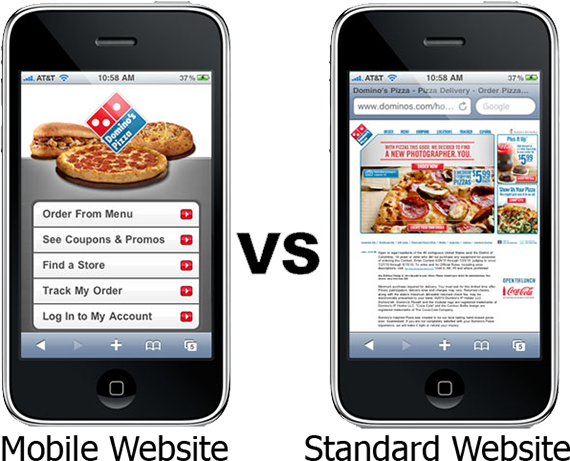
Jordan Linberg, Founder, and Owner of Stardust Memorials says  “If your web-store isn’t mobile-friendly, do something about it right now. Mobile shopping (phones and tablets) is the future of eCommerce, and websites that are not mobile responsive are going to be a bigger and bigger barrier to success for their owners” – Information courtesy: Practical Ecommerce

He got it right. Optimizing for mobile is a topic that is being discussed from the time unknown now. Ask any successful web-shop owner, you will get the same answer- they took mobile optimization as a priority.

Mobile optimization today is not just a crucial CRO requirement but also a strong signal in search engine optimization (SEO). How? Just look at these stats and you will find the answer:

“According to Google 61% of users are unlikely to return to a mobile site they had trouble accessing and 40% would visit a competitor’s site instead”- Source

Are you ignoring the mobile experience of your store? you are not just pushing your potential customers away but also sending them straight to your rival’s site that has better mobile experience than yours.

“57% of users say they won’t recommend a business with a poorly designed mobile site” – Source

E-Commerce website design is not just about looks today- it’s all about the user experience. While content optimization is a crucial factor on every website, eCommerce sites still have to do a lot more than just optimizing contents.

The ultimate goal with a user on your web-shop is to complete the checkout and receive a successful order. That can only be achieved if your site is responsive enough for the customer to easily perform everything from browsing a product page to completing the checkout, right from a mobile device.

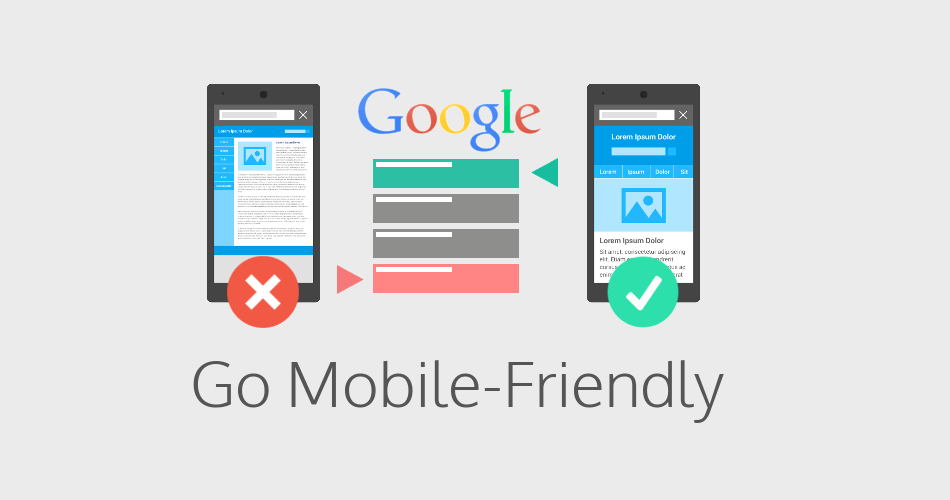
“Google officially consider mobile friendliness as one of its ranking signals”- Source

Till now we have been looking at the stats that revealed how you are killing your sales and conversion by not optimizing for mobile. The above fact just pushed us to look at a more dangerous side – Mobile SEO.

When you have a site that is well optimized for mobile users, you are a hero in Google’s eyes. However, by not optimizing for mobile yet, you are surely fixing a bad spot in the same eyes. You will find yourself nowhere in the mobile SERPs and even if somehow you are visible somewhere, bounce rates would make you itch your head like anything.

You can use the Google Mobile-Friendly Testing tool to know if you are a hero or a need some more work in mobile optimization.

So, it’s almost mid 2017, and mobile commerce is on full fledge. Tougher days are yet to come, optimize for mobile today to secure your business. In fact, why just secure? You can actually touch the sky of revenue generation by making the best possible optimizations.

2. Focus on your new customers and retain them

As eCommerce sellers, we presume that a customer would order only once. As a result, we take a very less interest in generating repeat sales from the new customers. Well! That’s a mistake, a big one I would say.   Undervaluing the new customers not only affects the new customer acquisition but also make the growth stagnant. If you check the sample of your past customers, every repeat customer on your store was once a new customer. Perhaps, it’s your product quality, quicker product delivery, better mobile experience, or the well-optimized checkout process that has encouraged a new customer to shop once again on your store.

It’s time that you understand that the same channel that has pulled a new customer can also generate repeat sales. Acquiring a new customer is tough, and tougher is to retain them. However, with some serious optimization and marketing, it is possible to generate repeat sales more easily than acquiring a new one.

It’s a time to make some loyal customers and boost your conversion rate in 2017

3. Update your social Ads frequently

Today, if you are something of a popular image on the social channels, you start producing gold with your business. Social media, the fastest and easiest medium to carry your words to the millions can also break your brand image if gone wrong.

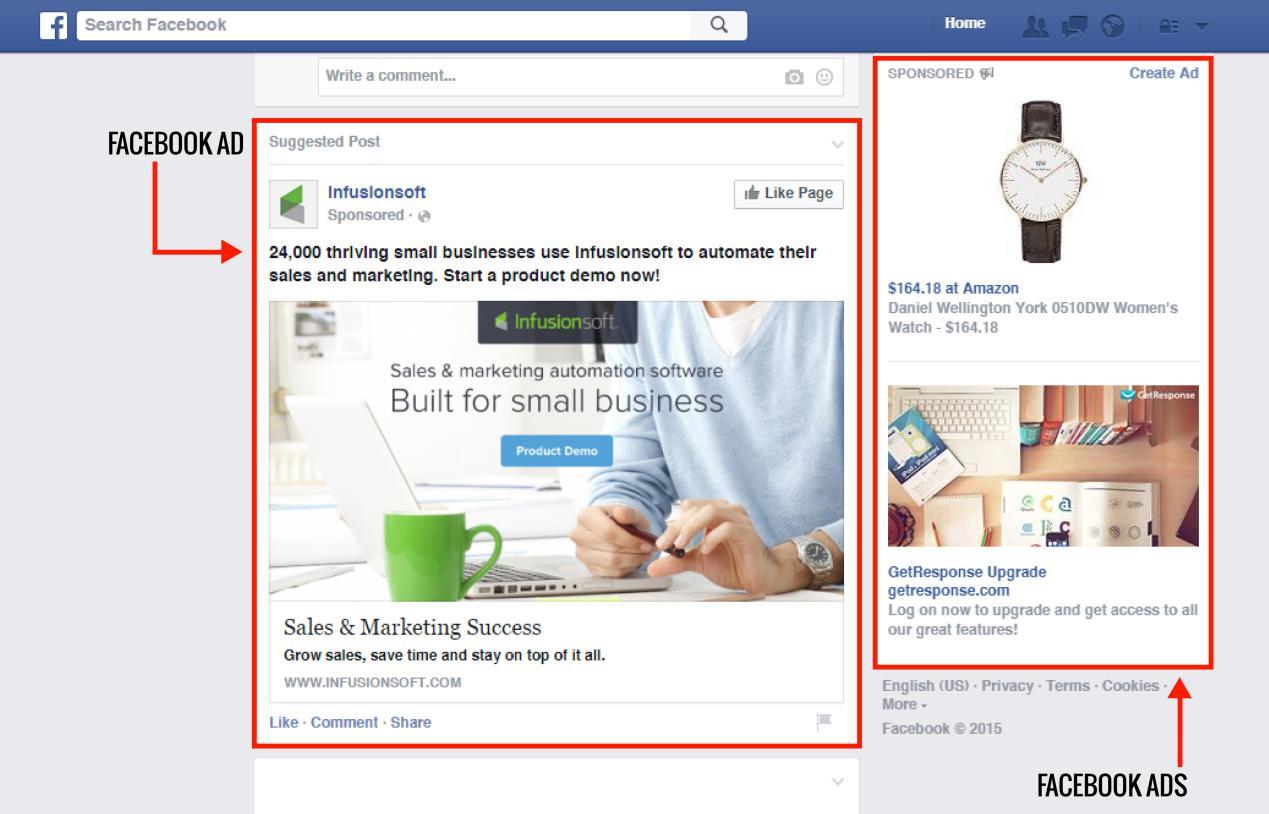
Facebook Ads for example. You may have launched a successful Facebook Ad campaign which is doing quite well. But if you are showing the same Ad again and again to the same not-interested customer, you are irritating him/her and killing your brand image at the same time.

What that worked on one customer may not work on another. Michael Stancil, Director of Commerce, Wedding Wire, says that you should keeping changing the images, and Ad text of your Ads every week. In this way, your same Ad will always look fresh and will have something new for each time. Perhaps, some random change might hit even the not-interested customer and get you a successful conversion.

Read: Social media trends that you should follow for your business in 2017

Leverage every possible Ad type that you can get on the social platforms. Especially for a platform Like Facebook where ROI is always impressive, you can’t say no to it. Not just Facebook, even Snapchat is not far behind, and who can ignore YouTube which has become a major target for the businesses around the globe.

On the whole, get on these social channels with your Ads and follow the best practices to keep them fresh and updated.

4. Don’t be an orthodox, make wise decisions

It’s a human tendency to easily believe in the things that we hear from the surroundings. Gradually these believe develop into conventions and we start confronting anyone countering those conventions.

You would not purchase a cell phone without researching the complete specs, reviews, ratings, performance, battery capacity, RAM, ROM, and customer support. This information helps you to make an informed decision that is backed by a data-driven research. So, why would you make your Add to cart button Yellow, Send reminder emails, and remove guest checkout option without understanding the data behind making such a decision?

Just because, the yellow color works so well for Amazon, it doesn’t mean it will also work for you. Just because, ASOS increased the checkout rate without having guest checkout option, it doesn’t mean it would work for you too.

If you are an eCommerce entrepreneur, stay away from these orthodoxies. Businesses run on facts, data, and analytics. For everything you believe about your business, make sure you have enough data to prove it right.

Use the business analytic tools like Google Analytics, A/B testing, and heatmapping to collect the data that drives your business. These tools will not only help you to know about the actual scenario correctly but will also present a deeper insight about your target customers.

For example, A/B testing your decision to make your Add to cart button ‘Orange’, would give you a statistically proven data that would either support or oppose your decision.

Yes, you should go like this!

In this way, you can avoid the Orthodox beliefs and make an informed decision with higher success chances. In 2017 and onwards, a decision backed by the analytic and research is always more efficient and correct as compared to baseless beliefs.

5. Get ready for a new Analytic tool-

Google Optimize Who doesn’t know about Google Analytics? The well-known business tool that acts as a base for every decision we make. It’s popular not just because it’s free, but for its efficiency to present even the minor datum in so much detail. Furthermore, who can forget the Content Experiments?

Well, 2017 has brought something equally special as Google Analytics – the Google Optimize and Optimized 360. After keeping in Beta stage for a prolonged period, Google finally made these two tools available to the general public in March 2017.

These two tools have already created a buzz in the market. It would be interesting to see how Google Optimize (the free version) would hold the market. Rest, the Optimize 360 might be a luxury for most of us with a cost around $150,000/year.

Want to compare the two tools? Google has already done it for you.

For online store owners, the new free A/B testing tool from Google might be a perfect and better replacement for Google Analytic Content Experiments. If you are not an orthodox believer, and you believe in leveraging data for making the decisions, perhaps it’s a time you should give it a shot.

6. Track your Cart abandonments

The whole eCommerce market is moaning from the pain of Abandonment curse. Believe it or not, probably all the perceptions that you have about Shopping cart abandonment till now is incorrect.

A quite popular perception is “If your shopping cart abandonment rate is 67.89%, you are losing 67.89 % of your sales”.

But that’s not true!

The biggest idea for eCommerce in 2017 would be to change this perception once and for good. In fact, this perception completely follows the orthodox believe that we discussed in the fifth point.

It’s completely wrong to assume that every visitor adding a product to the cart has a definite intention to buy only. You would be surprised to know that hardly 30-40% of these visitors actually have an intention to buy when they add a product to the cart. However, even then it does not indicate a definite commitment to purchase.

So, before setting your Abandoned cart recovery tool to bombard the reminder emails, hold your horses for a moment and rethink whom should you target actually?

Any Idea? You will get it, after reading my post about Abandoned Cart- Biggest lie you probably believe to be true.

7. Mobile-first-index may hit the floor anytime

By the end of 2016, Google buzzed the whole SEO world with its announcement for the new Mobile First Indexing algorithm.

We discussed in the first point how Google wants you to go mobile friendly. However, the mobile-first-index is something that goes beyond “wants” and takes you to “You have to”.

In all the mobile based announcements and updates before mobile-first-index, the impact was totally on your mobile SEO. When this update would be live, Google will index your mobile version of the site first, and your whole ranking (both on mobile and desktop) would be based on how Google sees your mobile site.

That means if Google does not like your mobile site, it will drop your ranking not only on mobile search results but also on desktop SERP.

Image courtesy: search engine land

Worried? You should be, but there is still some time. The Mobile-First-Index update is still in testing phase and is not going to be live any sooner, at least for a couple of months yet.

Leverage the time you have. If you have not optimized for the mobile-first-indexing yet, start optimizing now. You have a lot of work to do. Before that do not forget to go through the words from Google’s official notification on webmasters. Google has already given there a list of “what you should do and what not”.

To Summarize

It’s clear that you are not going to step in 2018 with your business if you have ignored the mobile commerce. From mobile-optimization to mobile-first-index, 2017 and Google both want you to go mobile friendly as soon as possible.

Similarly, an interesting idea to thrive in 2017 would be to stop being orthodox and start accumulating data-driven ideas through analytics. It also involves changing our perceptions over various myths and conventions- shopping cart abandonment as an example.

It’s also the time when we develop a profound focus on- customer acquisition, customer retention, and customer remarketing to leverage every chance for conversion and revenue generation.

On the whole, 2017 can be a year for you if you are well packed with these three aspects:

  1. Decisions backed by data to support it; not baseless beliefs.
  2. Acquire customers and by every mean, retain them.
  3. Evolve with the new SEO trends, go mobile first.

Liked This? You’ll Like These Too

5 things you probably didn’t know about eCommerce checkout

A checkout page is the only interface that actually brings the revenue for your business. It is a place where deals are closed and finally, sales are made in return for the payments done by the customers.

It’s really unfortunate to experience a bounce back from the checkout page, as it is the only page where users come when they are sure about finally buying from you. For any random reason, a set back from completing a checkout is not what you expect from your business.  Here, in this article, I am putting forward 5 things that you probably did not know about eCommerce checkouts and maybe, that’s why you might have failed to engage the customers.

1. Customers hate lengthy checkouts-

21 % of customers would abandon a shopping cart because checkout takes too long to complete- Stastisia

The length of a checkout page is a relative term. Some of us might say, having a multi-page checkout is lengthy, while other might agree that checkout pages asking too many entries are lengthy.  Both the scenarios have a ruthless contribution towards making a checkout process lengthy. The multi-page structure does the job by redirecting users from pages to pages to fill out all the checkout details.

Problem: Too many steps and too many details irritate the customers. They think of them as an obstacle that stops them from getting their desired product ASAP.

The positive mood of customers is directly proportional to the length of the checkout

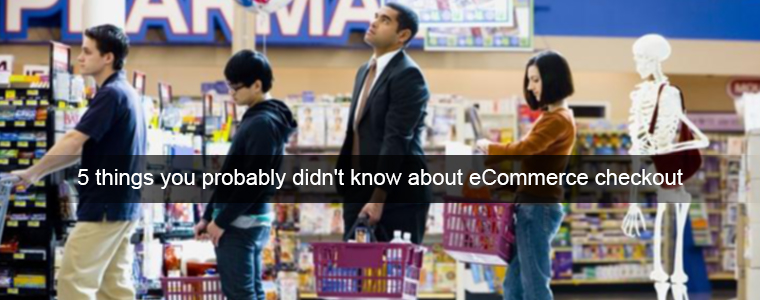
Just imagine you standing in a departmental store’s checkout line, but before cashier takes the cash, he/she asks you to fill a form. Now, a few questions is not a problem; a biodata would definitely irritate you.

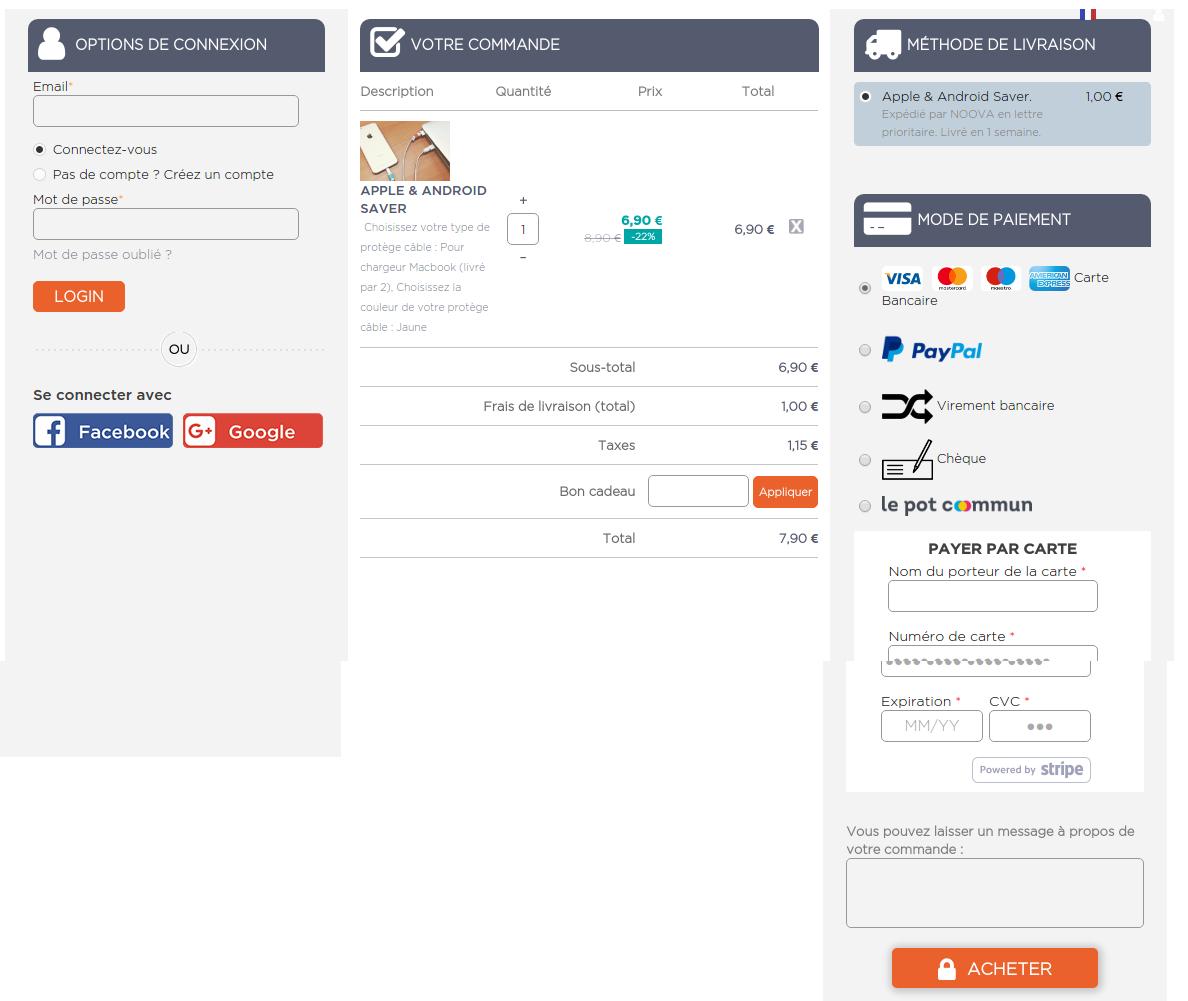
Solution: To deal with the multiple page re-directs, you can switch to the single page checkout system. A good single page checkout system lets you accumulate the whole checkout steps on a single page. This heavy accumulation is, however, effectively organized by segregation so that the page remains clean and clutter free.

Despite everything being on a single page, it can be made clean and clutter free with segregation  and form field minimization

Moreover, you should ruthlessly minimize the amount of information you need. Ask only those details which are important. For a start, you can skip asking secondary email address, secondary phone number, ethnicity etc. You can read more for details on how to make your website-form design user-friendly.

2. Checkout on mobile devices is not same as on desktop-

We often ignore mobile checkouts thinking of it as a secondary requirement

The Greater number of articles and researches have been published on the subject of eCommerce checkout flow and UX optimization. However, there is currently quite a limited coverage on checkouts for mobile devices.

We often tend to do whatever we can do in our strength to make the checkout flow seamless. However, we hardly pay an attention to how the checkout flow will go if the user is buying on a mobile device. Just look at this statement from Google back in 2015:

According to Google, “more Google searches take place on mobile devices than on computers in 10 countries including the US and Japan”

Even Alibaba reported “more of their shoppers are purchasing on mobile than desktop”

Users today are using mobile devices more than desktop. Now, if you keep considering the checkout on mobile phones as same as on the desktop, it would not be wise on your part. With more and more customers using their mobile phones to shop online, checkout page optimization for mobile devices should be your first priority. To keep all those important conversions in your funnel, paying some extra attention to Responsive checkout, or Mobile app is a necessity today. Understanding of how an optimized mobile checkout looks like is very important here.

3. We have been forcing Guest checkouts-

For long we have been thinking about guest checkouts as an alternative to necessary account creation. For that reason alone eCommerce sites provide guest checkout options to all the users.

Guest checkout seems to be the obvious solution for new account fatigue, which does not asks customers to create an account or save any personal information to buy a product. However, guest checkout is not always a smart move for every eCommerce site. It actually results in more problems than it solves in few some cases.

  • It makes very difficult to review, modify, or track orders
  • Customers cannot re-order products using guest checkout
  • It becomes difficult for store owners to manage the returns, exchange, or refunds
  • Store owners won’t be able to follow up such customers
  • Store owners cannot provide guided checkout experience (Information pre-population, auto-suggestion etc)

The common convention among various eCommerce store owners is that guest checkout boosts the conversion rates. Moreover, asking for account creation is presumed as a barrier to the checkout process. I do not disagree with the convention completely. However, it depends on the scenario and the kind of information you need.

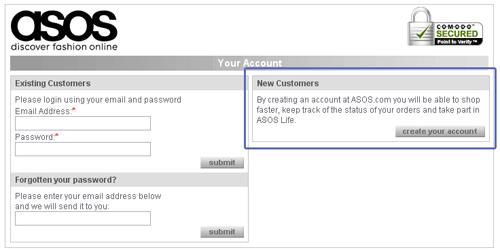
For example, ASOS never included a guest checkout, but still, they experienced a 50 % reduction in cart abandonments just by a simple modification in the login screen. It was how the earlier login screen looked:

Customers were forced to login or create an account earlier

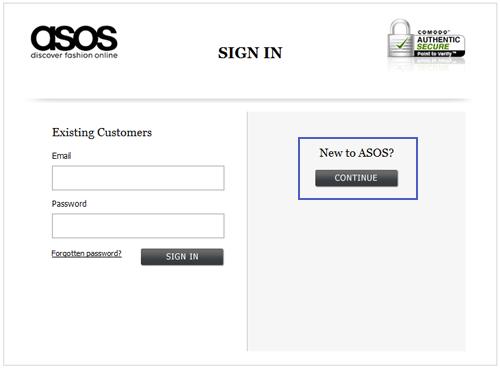
They did a small modification in the above page by simply adding a continue button for new customers.

The new login page did not ask for account creation, instead it allowed the customers to continue with the checkout process.

With the new modification, the users were not asked to create an account on the login page. They can now click on the continue button to proceed with the checkout process. However, it was wise addition which actually did not spare the customers from not having an account. They were asked to provide some information on the next page which was actually used for account creation. So customers still had to register.

The whole idea behind telling the story of ASOS is to explain how guest checkout is not always the only option and you can do a lot more with just simple tweaks in the process. So, the best way to decide whether you need the guest checkout or not is to consider the specific factors like, can your return manager process the guest orders, how much information do you need, how often customers repeat their purchase, and do you have a social login as another alternative to the guest checkout.

4. Social login at checkout page is a better alternative-

The above explanation on guest checkout has made it clear that a guest checkout is not always the best alternative. It brings me to our next point about the social login feature on eCommerce sites. We understand that sign-ups and user accounts are important for the website owners. Saved information in customer account can help boost eCommerce conversion rates up to a large extent.

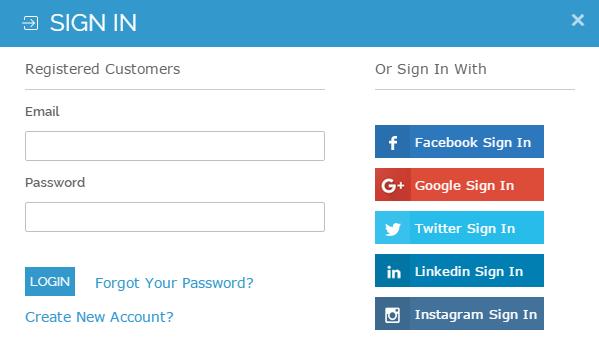
With the same aim, social login on a checkout page provides easy choice for the users to create a user account that too without filling a registration form. It uses the information stored in social media accounts to automatically fetch the information required to create a user account on the site. So, if users do not want to create an account by themselves, a social login can do the same for them.

A social login for popular social media platforms like Google Plus, Facebook, and Twitter is a wise addition, plus a better alternative to the account registration and guest checkouts.

Social login as a better alternative to guest checkouts

5. Customers hate it when they commit errors-

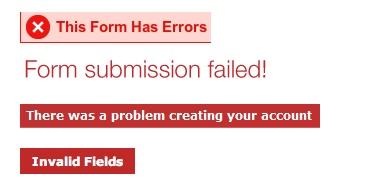
It’s very much frustrating when making a purchase to submit the form and trigger a validation error. That too with little, confusing, or not guidance on how to fix it.

When such validations with no guidance appear, the thing that comes to a customer’s mind is “Ahhh! now, what did I do wrong”.

In an ideal situation, user fills the checkout form with necessary information and tend to finish the job ASAP by submitting the form. However, people often make mistakes in the form-filling, and that where form validation come into the picture. A good form validation language is courteous and clear about the message it carries. Things that most of us probably don’t know about the checkout page validations are:

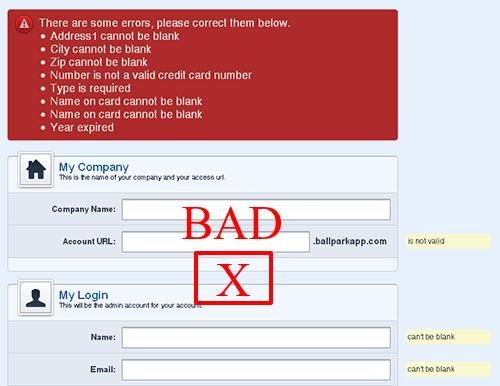
  • It will confuse the user if not shown in the correct place.
  • It will confuse the user if not shown on the right time.
  • It will confuse the user if not shown in the right color, and
  • It will confuse the user if not showing the clear message.

With these four points in mind, a checkout page validation is a crucial element that can either break or make the checkout experience of the clients. So,

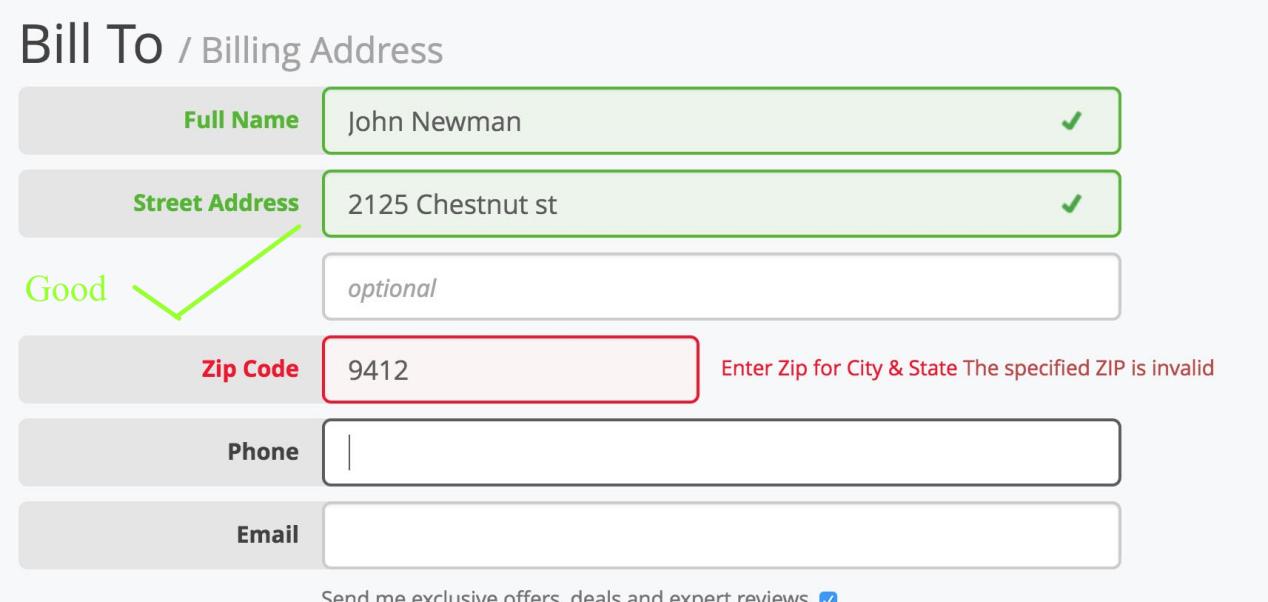
  • Always use the inline validations in close proximity to the field that triggered it.
  • Show instant validation rather than a showing on top of the page after form submission.
  • Show the errors in Red color and correct validations in Green
  • Write a clear message about the error and ways to fix it

User proper colors and proper proximity to show the form validation errors

Finally,

E-Commerce checkout is a broad subject and it is always in research by the experts. Innovations like single page checkout, Ajax shopping cart, Inline form validation, Social login etc. are all perfect examples of how eCommerce checkout is evolving day after day. There is a lot of information to talk about eCommerce checkouts. Certainly, next time when I write about it, I will get some more things and more advancements to write about the eCommerce checkouts.

Liked This? You’ll Like These Too