6 Ways to Attract Sellers on your Online Multi vendor Marketplace

The virtual multi-vendor marketplace is one of the most prominent trends in the eCommerce industry. The ease of expanding inventory and product range makes it an inevitable upgrade for the eCommerce sites. While the complexity in making the code changes and marketplace management have been intimidating the store owners for a long, but not anymore. The Multi-vendor Marketplace Extension is a handy solution that converts your single vendor eCommerce store into an online multi-vendor marketplace site.

Are you facing the same problem? Even though this marketplace is an effortless platform to reach out to a wider range of audiences, convincing the seller to indulge in them is still a task. Just like it was difficult to convince the consumers to shop from online stores instead of the shopping malls, convincing the vendors to sell their products in the marketplace is strenuous.
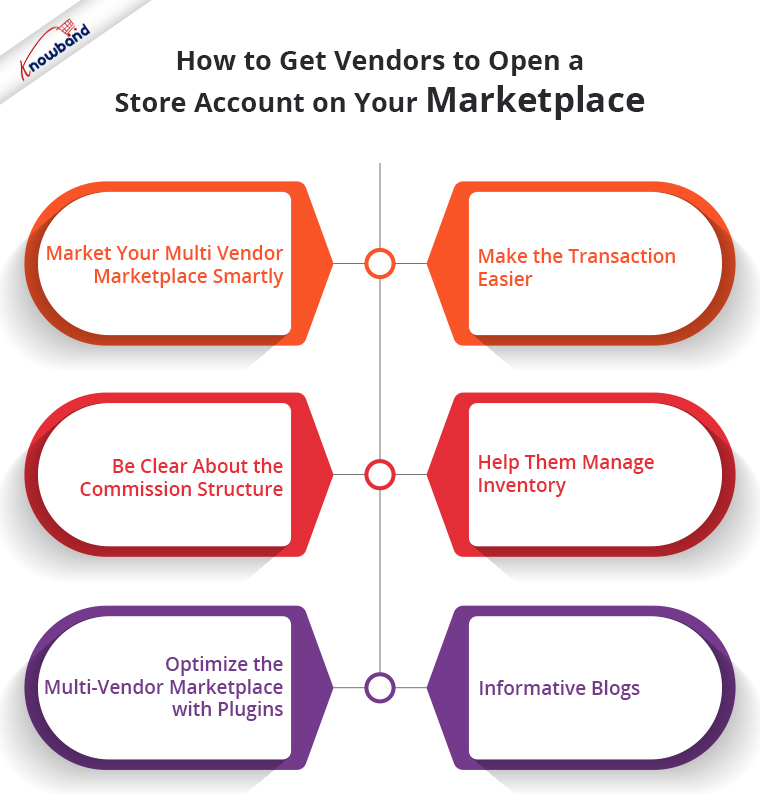
Ways to encourage the sellers to register a shop account at your marketplace

1. Market your multi-vendor marketplace smartly
Marketing is the stepping stone of all business structures. Whether the idea is to attract the end-user or the vendors themselves, nothing but a smart marketing strategy is a foundation for the pillar of the future. Listed below are some of the ways to market your business idea appropriately.

Recommended Blog: How to Launch a Marketplace like Etsy and eBay?

  • Use the Advertising Platform Efficiently

While the internet and social media platforms are a handy way to reach out to a larger audience in one go, offline marketing is a must when it comes to attracting sellers. Along with the hoardings and TV ads, you need to visit the vendors in person. There are a lot of sellers who may not be technically sound but can add a lot of value to your business.

  • Proper Placement

Strategic placement of the ads and banner is a must. The delivery trucks of logistic services are one of the best places to start your campaign. Place the hoardings in wholesale markets, distribute pamphlets in trade fairs and place them where it comes in merchants’ notice.

Recommended Blog: How can a Seller Attract Customers to a Marketplace during Holiday?

  • Target the right audience

Regardless of the target audience, the social media platform is the most effective place to get noticed. Create an account on social networks where you expect to find your target niche. Create an online buzz with affiliate marketing.

  • Use the social media channel

Join groups & communities of merchants across different social media channels. This will help you connect directly with them. Share information on these platforms and keep the merchants updated about the latest progression.

2. Make the transaction easier
  • The lack of technical knowledge is the biggest turn-off for merchants across the market. So, you need to educate the seller about the entire idea of the marketplace and make things simpler for them while attracting a larger customer base.
  • The user modules and training sessions can help them get an idea of how the entire business structure works. The Prestashop marketplace is one such platform that may prove a boon for the vendors.
  • The unlimited features for Marketplace can make the sellers feel like they are using their website. Easy inventory management, payment options, and order management can make the entire business transaction smooth for the sellers.
  • Optimize your marketplace according to the need of the vendors and convincing the vendors will become easier.

Recommended Blog: How to get a Marketplace site: a step-by-step guide?

3. Be clear about the commission structure

The commission and the payment structure are another big concern of the vendors.

  • Whether you structuring the commission as per the category of the product or the quantity. Everything should be explained.
  • Install the modules at your marketplace that automatically break down the cost and ROI. It should be assigned at the payment gateway itself. Any delay in this may leave the vendors in suspicion.
  • The General followed strategy is payment at the end of every week. This keeps the books clean and liquidity maintained at the sellers’ end.

4. Help them manage inventory
Inventory management is the biggest heck for all online merchants. This is another reason that makes them hesitant to delve into the multi-vendor marketplace.

  • Prestashop Marketplace CSV Import/Export Addon is one such module that can help import the products and their combinations via CSV. Thus, it becomes easier for the vendors to enter data and keep track of the products.
  • Other than that the Prestashop store owners can manage the low stock problem with the help of the Prestashop Marketplace Low Stock Alert Addon. It keeps a track of the inventory of the sellers and provides an alert message when the stock is below a certain limit.

Recommended Blog: Best eCommerce platforms for starting a multi-vendor marketplace

5. Optimize the Multi-vendor marketplace with plugins
Even if the marketplace is easy to handle and requires no technical supervision, there are still a lot of factors that may fail to convince the vendors.

  • The language barriers, currency conversions, invoice generations, and customer support are some of these issues. Convince them about the changes that are in the marketplace can bring to their overall business scenario by installing plugins and extensions.
  • Prestashop deal manager, Low stock manager, and other such add-ons can help you optimize and customize your marketplace integration accordingly. Find out the loopholes and the pain points of your vendors and update the marketplace.

6. Informative blogs

Feel free to write about the success stories and reviews of your vendors. An informative blog with some Marketing data will tempt the sellers and bring them close to your store. Moreover, Google indexes blogs quickly thus will help the admin in catching the attention of multiple sellers across the globe in a short time.

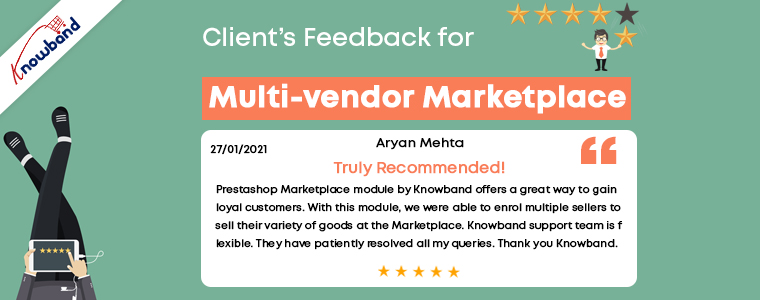
Additionally, the multi-vendor marketplace extensions developed by Knowband offer a lot of other features that make it even easier for the store admin delves into the multi-vendor scenario.

Some of the admin features are discussed below:

  • The multi-vendor marketplace extension enables the multi-vendor feature in your eCommerce. The store upgrade is done without actually making any code changes.
  • The automates the entire process of store tracking and management.
  • The admin can approve/disapprove the seller’s profile if they want to from the back-end.
  • The multi-vendor marketplace module for Magento, Prestashop, Magneto 2, and OpenCart even allows the admin to track, add or remove the products/category from the site.
  • The plugin allows the store admin to fix the global/individual and order-wise commissions and manage the dues easily from the back-end interface.
  • The store admin can create various membership plans for the sellers as per their requirements.
  • The admin can even view the performance of the individual sellers and can even track the transaction in the marketplace.
  • The admin can send email notifications to the sellers via a multi-vendor marketplace module.
  • The sellers get a separate dashboard to keep track of their products as well as sales.
  • They can view the orders and manage the same from their dashboard.
Conclusion

The various tips and techniques discussed in this post are just the first step to taking your business model forward. However, the process of convincing the vendors is ongoing and should be improvised according to the needs and requirements. The prominent chicken-and-egg problem of the marketplaces is something that you need to ponder.
Knowband, the eCommerce plugin development company, offers a multi-seller marketplace module for platforms like Magento 2, PrestaShop and OpenCart Module. 3 months of full free assistance will be provided on each module. With the simple installation and configuration process, Knowband offers the smartest way for the store admin to transform their online shop into a fully-functional Marketplace in a few simple clicks. For any query, feel free to contact support@Knowband.com

5 Modi per attirare i venditori sul tuo marketplace online multiplo

Il mercato virtuale multi-vendor è uno dei le tendenze più importanti del settore dell'e-commerce. La facilità di espansione dell'inventario e della gamma di prodotti lo rende un aggiornamento inevitabile per i siti di e-commerce. Mentre la complessità nel rendere il codice cambia e la gestione del mercato hanno intimidito i proprietari dei negozi per molto tempo, ma non più Estensione del Marketplace multi-vendor è una soluzione a portata di mano che converte il tuo negozio eCommerce in un sito di marketplace online multi-vendor. Addon del market di Prestashop, Ampliamento del marketplace multi-fornitore Magento, Modulo Magento 2 Marketplace e OpenCart multi marketplace plugin per venditori sono tali estensioni che possono facilmente convertire i siti single-vendor online basati sulle rispettive piattaforme in un mercato multi-vendor. Anche se questo marketplace è una piattaforma senza sforzo per raggiungere la più ampia gamma di pubblico, convincere il venditore a concedersi a loro è ancora un compito. Proprio come è stato difficile convincere gli utenti finali a fare acquisti dai negozi online invece che dai centri commerciali, convincere i venditori a vendere i loro prodotti sul mercato è faticoso. Stai affrontando lo stesso problema? Qui abbiamo elencato alcuni dei modi per incoraggiare i venditori a registrare un account di negozio nel tuo marketplace. Dategli un'occhiata

1. Commercializza il tuo multi-vendor

Il marketing è il trampolino di lancio di tutta la struttura aziendale. Se l'idea è di attirare l'utente finale o i venditori stessi, nient'altro che una strategia di marketing intelligente è la base del pilastro per il futuro. Di seguito sono elencati alcuni dei modi per commercializzare la tua idea di business in modo appropriato.

  • Usa la piattaforma pubblicitaria in modo efficiente

Mentre Internet e la piattaforma di social media sono un modo pratico per raggiungere un pubblico più ampio in una volta sola, il marketing offline è un must quando si tratta di attrarre i venditori. Insieme ai cartelloni pubblicitari e agli annunci TV, devi visitare i venditori di persona. Ci sono molti venditori che potrebbero non essere tecnicamente validi, ma possono aggiungere molto valore alla tua attività.

  • Posizionamento corretto

Il posizionamento strategico degli annunci e del banner è un must. I camion di consegna dei servizi logistici sono uno dei posti migliori per iniziare la tua campagna. Posiziona i cartelli nei mercati all'ingrosso, distribuisci opuscoli nelle fiere e posizionali dove si trovano nelle notifiche dei commercianti.

  • Scegli il pubblico giusto

Indipendentemente dal target di riferimento, la piattaforma di social media è il luogo più efficace per farsi notare. Crea un account sui social network dove ti aspetti di trovare la tua nicchia di destinazione. Crea un ronzio online con il marketing affiliato.

  • Usa il canale dei social media

Unisciti a gruppi e community di commercianti attraverso diversi canali di social media. Questo ti aiuterà a connetterti direttamente con loro. Condividi le informazioni su queste piattaforme e mantieni aggiornati i commercianti sull'ultima progressione.

2. Semplifica la transazione

La mancanza di conoscenza tecnica è il più grande spunto per i commercianti sul mercato. Quindi, è necessario istruirli sul fatto che l'intera idea del mercato è quella di rendere le cose più semplici per loro mentre attira una clientela più ampia. I moduli utente e le sessioni di formazione possono aiutarli a farsi un'idea di come funziona l'intera struttura aziendale. Il mercato di Prestashop è una di queste piattaforme che potrebbe rivelarsi vantaggiosa per i venditori. Le funzionalità illimitate per Marketplace possono far sentire i venditori come se stessero utilizzando il proprio sito web. La facile gestione dell'inventario, le opzioni di pagamento e la gestione degli ordini possono semplificare l'intera transazione commerciale per i venditori. Ottimizza il tuo mercato in base alle necessità dei venditori e convincere i venditori a diventare più semplice.

3. Sii chiaro sulla struttura della commissione

La commissione e la struttura di pagamento sono un'altra grande preoccupazione dei venditori. Fai le commissioni che i venditori saranno assegnati. Sia che si strutturi la commissione secondo la categoria o il prodotto o la quantità. Tutto dovrebbe essere spiegato. Installa i moduli nel tuo marketplace che analizzano automaticamente il costo e il ROI. Dovrebbe essere assegnato al gateway di pagamento stesso. Qualsiasi ritardo in questo può lasciare sospetti i venditori. La strategia generale seguita è il pagamento alla fine di ogni settimana. Ciò mantiene i libri puliti e la liquidità mantenuta alla fine dei venditori.

4. Aiutali a gestire l'inventario

La gestione dell'inventario è il più grande diavolo per tutti i commercianti online. Questo è un altro motivo che li rende titubanti nell'affrontare il mercato multi-vendor. Addon di importazione / esportazione CSV di Prestashop Marketplace è uno di questi moduli che può aiutare a importare i prodotti e le relative combinazioni tramite CSV. Pertanto, diventa più facile per i venditori inserire dati e tenere traccia dei prodotti. Oltre a questo i proprietari dei negozi Prestashop possono gestire il problema del basso stock con l'aiuto di Addon di avviso stock basso di Prestashop Marketplace. Mantiene una traccia dell'inventario dei venditori e fornisce un messaggio di avviso quando lo stock è inferiore a un certo limite.

5. Ottimizza il mercato con i plugin

Anche se il mercato è facile da gestire e non richiede alcuna supervisione tecnica, ci sono ancora molti fattori che potrebbero non convincere i venditori. Le barriere linguistiche, le conversioni valutarie, le generazioni di fatture e il supporto clienti sono alcuni di questi problemi. Convinci dei cambiamenti che l'essere nel mercato può portare al loro scenario aziendale globale entro il installazione di plugin ed estensioni. Prestashop deal manager, Low stock manager e altri addons simili possono aiutarti a ottimizzare e personalizzare l'integrazione del tuo marketplace di conseguenza. Scopri le lacune e i punti deboli dei tuoi fornitori e aggiornare il mercato.

6. Blog informativi

Sentire venditore multiplo sviluppato da Knowband offre molte altre funzionalità che lo rendono ancora più semplice per l'amministratore del negozio che approfondisce lo scenario multi-vendor.

Alcune delle funzioni di amministrazione sono discusse di seguito:

  • L'estensione multi-vendor marketplace abilita la funzionalità multi-vendor nel tuo eCommerce. L'aggiornamento del negozio viene eseguito senza apportare effettivamente modifiche al codice.
  • L'automatizza l'intero processo di tracciamento e gestione del negozio.
  • L'amministratore può approvare / disapprovare il profilo del venditore se lo desidera dal back-end.
  • Il modulo multi-market marketplace per Magento, Prestashop, Magneto 2 e OpenCart consente anche all'amministratore di tracciare, aggiungere o rimuovere prodotti / categorie dal sito.
  • Il plugin consente all'amministratore del negozio di correggere il globale / individuale
  • L'amministratore può persino visualizzare le prestazioni dei singoli venditori e persino monitorare la transazione del mercato.
  • L'amministratore può inviare notifiche via email ai venditori tramite
  • I venditori ricevono una dashboard separata per tenere traccia dei loro prodotti e delle vendite.
  • Possono visualizzare gli ordini e gestirli dalla loro dashboard.

Conclusione

I vari consigli e le tecniche discusse in questo post sono solo il primo passo per portare avanti il ​​tuo modello di business. Tuttavia, il processo di convincere i venditori è un processo continuo e dovrebbe essere improvvisato in base alle esigenze e ai requisiti. Il prominente problema di pollo e uova dei mercati è qualcosa su cui devi riflettere. Quindi, creare strategie di marketing ben studiate che coinvolgono sia i clienti che i

Per qualsiasi domanda, non esitate a contattare support@Knowband.com
Storie correlate:


5 Modi per attirare i venditori sul tuo marketplace online multiplo

Il mercato virtuale multi-vendor è uno dei le tendenze più importanti del settore dell'e-commerce. La facilità di espansione dell'inventario e della gamma di prodotti lo rende un aggiornamento inevitabile per i siti di e-commerce. Mentre la complessità nel rendere il codice cambia e la gestione del mercato hanno intimidito i proprietari dei negozi per molto tempo, ma non più Estensione del Marketplace multi-vendor è una soluzione a portata di mano che converte il tuo negozio eCommerce in un sito di marketplace online multi-vendor. Addon del market di Prestashop, Ampliamento del marketplace multi-fornitore Magento, Modulo Magento 2 Marketplace e OpenCart multi marketplace plugin per venditori sono tali estensioni che possono facilmente convertire i siti single-vendor online basati sulle rispettive piattaforme in un mercato multi-vendor. Anche se questo marketplace è una piattaforma senza sforzo per raggiungere la più ampia gamma di pubblico, convincere il venditore a concedersi a loro è ancora un compito. Proprio come è stato difficile convincere gli utenti finali a fare acquisti dai negozi online invece che dai centri commerciali, convincere i venditori a vendere i loro prodotti sul mercato è faticoso. Stai affrontando lo stesso problema? Qui abbiamo elencato alcuni dei modi per incoraggiare i venditori a registrare un account di negozio nel tuo marketplace. Dategli un'occhiata

1. Commercializza il tuo multi-vendor

Il marketing è il trampolino di lancio di tutta la struttura aziendale. Se l'idea è di attirare l'utente finale o i venditori stessi, nient'altro che una strategia di marketing intelligente è la base del pilastro per il futuro. Di seguito sono elencati alcuni dei modi per commercializzare la tua idea di business in modo appropriato.

  • Usa la piattaforma pubblicitaria in modo efficiente

Mentre Internet e la piattaforma di social media sono un modo pratico per raggiungere un pubblico più ampio in una volta sola, il marketing offline è un must quando si tratta di attrarre i venditori. Insieme ai cartelloni pubblicitari e agli annunci TV, devi visitare i venditori di persona. Ci sono molti venditori che potrebbero non essere tecnicamente validi, ma possono aggiungere molto valore alla tua attività.

  • Posizionamento corretto

Il posizionamento strategico degli annunci e del banner è un must. I camion di consegna dei servizi logistici sono uno dei posti migliori per iniziare la tua campagna. Posiziona i cartelli nei mercati all'ingrosso, distribuisci opuscoli nelle fiere e posizionali dove si trovano nelle notifiche dei commercianti.

  • Scegli il pubblico giusto

Indipendentemente dal target di riferimento, la piattaforma di social media è il luogo più efficace per farsi notare. Crea un account sui social network dove ti aspetti di trovare la tua nicchia di destinazione. Crea un ronzio online con il marketing affiliato.

  • Usa il canale dei social media

Unisciti a gruppi e community di commercianti attraverso diversi canali di social media. Questo ti aiuterà a connetterti direttamente con loro. Condividi le informazioni su queste piattaforme e mantieni aggiornati i commercianti sull'ultima progressione.

2. Semplifica la transazione

La mancanza di conoscenza tecnica è il più grande spunto per i commercianti sul mercato. Quindi, è necessario istruirli sul fatto che l'intera idea del mercato è quella di rendere le cose più semplici per loro mentre attira una clientela più ampia. I moduli utente e le sessioni di formazione possono aiutarli a farsi un'idea di come funziona l'intera struttura aziendale. Il mercato di Prestashop è una di queste piattaforme che potrebbe rivelarsi vantaggiosa per i venditori. Le funzionalità illimitate per Marketplace possono far sentire i venditori come se stessero utilizzando il proprio sito web. La facile gestione dell'inventario, le opzioni di pagamento e la gestione degli ordini possono semplificare l'intera transazione commerciale per i venditori. Ottimizza il tuo mercato in base alle necessità dei venditori e convincere i venditori a diventare più semplice.

3. Sii chiaro sulla struttura della commissione

La commissione e la struttura di pagamento sono un'altra grande preoccupazione dei venditori. Fai le commissioni che i venditori saranno assegnati. Sia che si strutturi la commissione secondo la categoria o il prodotto o la quantità. Tutto dovrebbe essere spiegato. Installa i moduli nel tuo marketplace che analizzano automaticamente il costo e il ROI. Dovrebbe essere assegnato al gateway di pagamento stesso. Qualsiasi ritardo in questo può lasciare sospetti i venditori. La strategia generale seguita è il pagamento alla fine di ogni settimana. Ciò mantiene i libri puliti e la liquidità mantenuta alla fine dei venditori.

4. Aiutali a gestire l'inventario

La gestione dell'inventario è il più grande diavolo per tutti i commercianti online. Questo è un altro motivo che li rende titubanti nell'affrontare il mercato multi-vendor. Addon di importazione / esportazione CSV di Prestashop Marketplace è uno di questi moduli che può aiutare a importare i prodotti e le relative combinazioni tramite CSV. Pertanto, diventa più facile per i venditori inserire dati e tenere traccia dei prodotti. Oltre a questo i proprietari dei negozi Prestashop possono gestire il problema del basso stock con l'aiuto di Addon di avviso stock basso di Prestashop Marketplace. Mantiene una traccia dell'inventario dei venditori e fornisce un messaggio di avviso quando lo stock è inferiore a un certo limite.

5. Ottimizza il mercato con i plugin

Anche se il mercato è facile da gestire e non richiede alcuna supervisione tecnica, ci sono ancora molti fattori che potrebbero non convincere i venditori. Le barriere linguistiche, le conversioni valutarie, le generazioni di fatture e il supporto clienti sono alcuni di questi problemi. Convinci dei cambiamenti che l'essere nel mercato può portare al loro scenario aziendale globale entro il installazione di plugin ed estensioni. Prestashop deal manager, Low stock manager e altri addons simili possono aiutarti a ottimizzare e personalizzare l'integrazione del tuo marketplace di conseguenza. Scopri le lacune e i punti deboli dei tuoi fornitori e aggiornare il mercato.

6. Blog informativi

Sentire venditore multiplo sviluppato da Knowband offre molte altre funzionalità che lo rendono ancora più semplice per l'amministratore del negozio che approfondisce lo scenario multi-vendor.

Alcune delle funzioni di amministrazione sono discusse di seguito:

  • L'estensione multi-vendor marketplace abilita la funzionalità multi-vendor nel tuo eCommerce. L'aggiornamento del negozio viene eseguito senza apportare effettivamente modifiche al codice.
  • L'automatizza l'intero processo di tracciamento e gestione del negozio.
  • L'amministratore può approvare / disapprovare il profilo del venditore se lo desidera dal back-end.
  • Il modulo multi-market marketplace per Magento, Prestashop, Magneto 2 e OpenCart consente anche all'amministratore di tracciare, aggiungere o rimuovere prodotti / categorie dal sito.
  • Il plugin consente all'amministratore del negozio di correggere il globale / individuale
  • L'amministratore può persino visualizzare le prestazioni dei singoli venditori e persino monitorare la transazione del mercato.
  • L'amministratore può inviare notifiche via email ai venditori tramite
  • I venditori ricevono una dashboard separata per tenere traccia dei loro prodotti e delle vendite.
  • Possono visualizzare gli ordini e gestirli dalla loro dashboard.

Conclusione

I vari consigli e le tecniche discusse in questo post sono solo il primo passo per portare avanti il ​​tuo modello di business. Tuttavia, il processo di convincere i venditori è un processo continuo e dovrebbe essere improvvisato in base alle esigenze e ai requisiti. Il prominente problema di pollo e uova dei mercati è qualcosa su cui devi riflettere. Quindi, creare strategie di marketing ben studiate che coinvolgono sia i clienti che i

Per qualsiasi domanda, non esitate a contattare support@Knowband.com
Storie correlate:


8 Checkout Page Mistakes that may be killing your eCommerce Conversions

The checkout page is the conversion deciding factor for any eCommerce website. If you are driving a good amount of traffic on your store but the conversions are hitting very low, there are probably some flaws in your checkout page.

Though checkout is not the only barrier (there can be some other factors as well such as the website UX), it is the most vital element among other elements on your eCommerce website.

A huge difference can be made in eCommerce conversions if online businesses rectify their checkout page mistakes. In this article, I have listed out 8 checkout page mistakes that may be killing your eCommerce conversions, along with their solutions.

Mistake 1 : No Guest Checkout option

Mandatory registration on the checkout page adds to the topmost reasons for shopping cart abandonment. Online shoppers feel annoyed when presented with a sign-up form during the checkout process.

Forcing visitors to create an account only increases the number of fields to be covered before making the payment. Some of the eCommerce stores even ask users to verify their account, leading to a troublesome checkout experience.

This can be avoided by offering the Guest Checkout facility. Guest Checkout allows users to get rid of the registration process and helps them make a quick checkout, enhancing your conversion rate.

Mistake 2: Not offering Social Login

Almost every eCommerce website today provides users with the facility to sign in using their social media accounts. Not having the social login option on the checkout page can affect your eCommerce conversions.

Providing the social login option eases up the registration task (single-click registration), maintains the checkout flow and allows users to get rid of remembering the password.

Most people remain logged in on their Facebook or Instagram. Hence, a social login option reduces the extra efforts put during the sign-up process by allowing users to sign-up with their existing social information.

Related:

10 Benefits of Social Login in eCommerce

Social Login Best Practices

Try out Knowband’s Social loginizer module that provides you with up to 15 social login options to implement on your eCommerce website. Check out:

Magento Social loginizer, Magento 2 Social loginizer, PrestaShop Social Loginizer, OpenCart Social Loginizer.

Mistake 3:  Not using the Progress Bar on the Checkout Page

Shoppers might give up the purchase idea if they are unaware of the number of checkout steps involved in the checkout process.

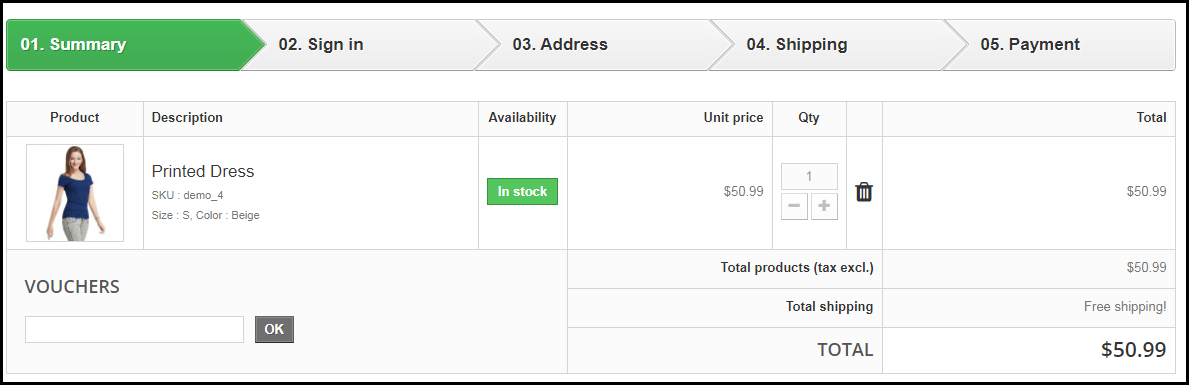
It is important to display which stage a customer is at present when they are on the track of completing their purchase. Showing the progress of the checkout puts up a clear picture in front of the user regarding how many fields they have covered and how many more they would have to go through before they could finally place their order.

Mistake 4: No Trust Factor

With too many online frauds taking place nowadays, online shoppers do not put their trust on a website so easily while making the payment. No matter how amazing your website looks, if customers feel a trust issue, they won’t make the payment. As simple as that.

To build customer’s trust, show off the security badges on the checkout page, and make customers feel relaxed. Add an additional security layer by making your website SSL certified.

Mistake 5:  Not having a Proper Return Policy

Online shoppers do have concerns regarding the products they purchase. There is always a doubt regarding a defective or an incorrect order getting delivered. And customers want to ensure what would happen in such cases.

This is where your return policy plays its part. If it is not satisfying enough from the customer’s point of view, they will not proceed further in their checkout.

Pay attention to your return policy and make sure they encourage users to make a purchase.

Related: 6 Pieces of Advice for an Effective eCommerce Return Policy

Mistake 6:  Not providing Multiple Payment Options

If you are still stuck with Credit Card and Debit Card only, you are surely missing out on huge eCommerce conversions. Limited payment options would not help you in the long run. Online shoppers look for varieties, be it for products or for the payment methods.

With digital wallets in trend, it would be wise to implement the major e-wallets in your store. It would provide your customers with a number of payment options to choose from and help them choose the preferred payment option while making the payment.

Mistake 7:  Not having a User-Friendly Checkout

A lengthy and complicated checkout process involving unnecessary fields adds to the frustration among online shoppers which is followed by cart abandonment.

It is, therefore, crucial to optimize your checkout page and make it user-friendly. One of the ways to do so is by upgrading your multi-step checkout to a one page checkout. A single page checkout puts all the checkout fields at one place.

Related: One Page Checkout vs Multi-Page Checkout

Knowband’s One Page Checkout is amongst our highest-selling modules that lets you simplify your checkout page and grab more eCommerce conversions. Check out this module for various eCommerce platforms-

PrestaShop One Page Checkout

OpenCart One Page Checkout

Magento One Page Checkout

Magento 2 One Page Checkout.

Mistake 8:  Checkout Page is not Mobile-Friendly

The majority of online shoppers these days browse a website through handheld devices. This is the reason why mobile apps are gaining huge popularity. However, with limited storage space, people avoid installing a lot of apps.

For shoppers using mobile devices to make a purchase, it is important to make the checkout page mobile responsive. For your information, around 1.6 billion people use mobile devices to shop online globally, says a report by Invesp. So you can imagine the impact it can have on your conversions.

Make sure that the checkout process works as conveniently on a mobile device as it does on the desktop.

Final Word

Put your feet in your customer’s shoes and think what could be the possible areas for improvement on your checkout page. Are you feeling satisfied? Is it hampering your checkout experience? If so, work on those factors to simplify the checkout experience of online shoppers.

Keep an eye on these 8 checkout page mistakes that could possibly kill your eCommerce conversions.

Found this useful? Drop your comments below.

Also, give a read to:

7 Useful Tips for a User-Friendly Checkout

How to Simplify the Online Shopping Experience of Customers?

5 Interesting mCommerce Consideration built to Optimize your Growth

In the technology-driven generation, the cell phones are considered as the only body organ that is detached from the human body. Hence, this indispensable aspect is one of the opportunities that every eCommerce business needs to tap. In our earlier blogs, we discussed the reasons why an eCommerce needs to have a mobile app. This write up brings up some of the interesting and unavoidable aspects of mobile applications. These considerations and analysis are essential to optimize the growth of your business. Check them out.

Consideration #1

While enforcing the purchasing intention in the visitors of the online store has always been an issue for the store owners, these figures are a ray of hope for them. As per Kissmetrics, 78% of mobile searches result in a purchase, especially in the case of local businesses.

The eye-popping statistics opens a lot of opportunity for the online business units. The figure makes it clear that the mobile users constitute a huge segment of prospective customers. Thus, having a mobile app for your store will surely optimize the local searches for your business. Regardless of the platform of your eCommerce store, there are plugins and addons can help you build your mobile application effortlessly. Prestashop Android Mobile App builder Addon is one such plugin specifically aimed at upgrading the Prestashop stores into a mobile eCommerce scenario. There are similar Magento extensions and OpenCart addons available for the respective stores.

Consideration #2

As per a Shopify report, the merchants with an active discount code are 8 times more likely to make a sale. Moreover, they experienced 17% conversions through discount codes on their eCommerce site. Taking these figures to the next level, according to Kissmetrics states, 75% of mobile shoppers have used a mobile coupon. Along with this, approximately 80% of the shoppers believes that their perception for the retailers would improve if they would offer mobile deals and coupons.

Statics never lie and from these figures, it can be assumed that coupons are a strategic way to lure the customers. Not just this, it can even strengthen the brand image of the mobile store. Just offering creative discounts is not enough, you need to target to the right segment and see if the offers are curbing interest or not.

Consideration #3

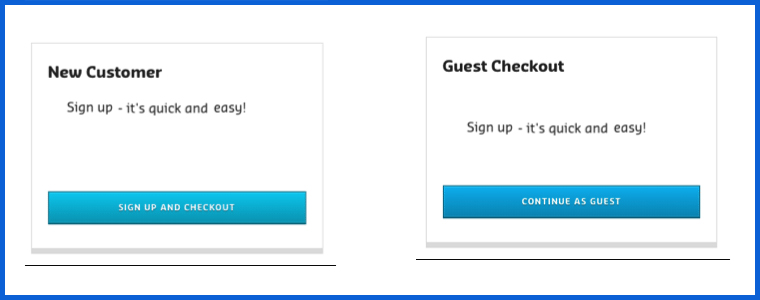
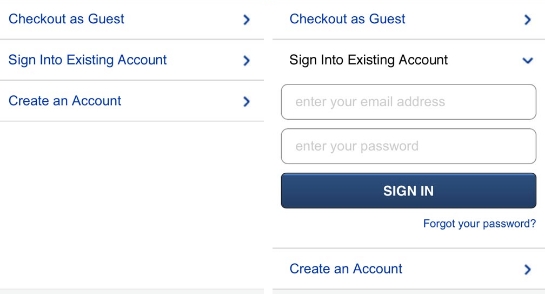
The complicated checkout procedures have been accused of crippling the conversion for eCommerce stores. Same goes true with the mobile applications. According to the result of a survey done by Baymard, 60% of the visitors consider the account selection step complicated during checkout.  The checkout option should be smooth for the visitors. The guest checkout option should be clearly visible as lack of the same is another inevitable reason for the abandoned cart. An ideal checkout page for the mobile eCommerce apps is shown in the image below.

Other than this, the unclear field labels and text is another most important aspects of both mobile and desktop stores that need rectification.

Consideration #4

One of the least considered aspect while developing a mobile app is the convenience of tapping on the touchscreen. While most companies prefer mobile responsive sites instead of going for mobile eCommerce stores, these statistical figures may force them to reconsider. As per a report of Baymard, 50% of the visitors have trouble tapping the intended element on the mobile sites.

Consideration #5

Along with some positive aspects, the mobile apps comes with greater risk of uninstalls. As per a study, 70% of app users will churn within 30 days of downloading your app. Even though the app engagement rate is higher, the user retention is a tricky affair in the mobile app. Keeping the users updated with the regular notifications and follow-ups as well as SMS is the best way to keep them engaged.

Having discussed some of the interesting statistics related to mobile application, it is now time to check out the implications of these considerations. Listed below are some of the features that can help you make use of the above mentioned figures.

Smooth onboarding

Giving a flawless and intuitive on-board experience is the biggest need of the hour. The entire process of user engagement starts from the moment when he installs the app and checks out as a customer. Thus, the design should be minimalistic, personalized and interactive. The design and unwanted elements should not put the users off. Not just the navigation and contents, even the payment procedure should be streamlined and extremely simple.  Uncluttered navigation As the statistical figures mentioned above states that the users of the mobile app have a higher intention of purchasing, hence, the entire process should be aimed at conversion. The cluttered navigation and complicated links may distract the users leading to an increased exit rates. The layout of the app should be responsive enough to automatically fit into the screen size of the user’s phone.

Seamless checkout

The Prestashop stores have benefited by providing the option of social login option to their customers. Even the mobile users would be intrigued to delve into your app if they get the option of easy login. Keep the checkout forms concise as shown in the image above. Provide the various trending payment options to the users and keep the users hooked up.

Push notification

Since the churning rate of the mobile app is higher, not sending the push notification to the new user can risk your retentions. It is said that the notifications should be sent to the users once in 90 days. Thus, incorporating Push Notification is essential to inspire immediate purchase action as well as in order to keep the customers engaged for a longer period.

Feedback mechanism

With the growing competition and risk of churning, building the trust factor is a must. One of the ways to keep the trust and user engagement is by inviting their feedbacks. Provide them the mechanism to ask their queries and report their complaints as well as reviews. The positive ratings will even optimize the position of the app on the app store and will help in retaining the existing customers.

Conclusion

The eCommerce mobile app development should be aimed at proving a smooth and seamless experience to the user. A mobile app is the biggest requirement of your eCommerce business in order to drive conversions and sales. So, upgrade your business structure with the above-mentioned considerations in mind and reap the desired result.

Liked This? You’ll Like These Too

Mondial Relay: Amplify Customer Satisfaction with Proactive Package Tracking option

Reducing the shipping cost are some of the main focus of the eCommerce business professionals in order to boost the sales. However, there are many other factors that contribute to it. Delivery tracking option is one of them. According to the result of a survey done on 1600 consumers, 79% of respondents considered the ability to track shipments through a personal computer or mobile device as the most important feature. The proactive tracking option is not just beneficial to provide a better online experience to the customers, but it is even a favorable tool for the online traders in the long run.

Listed below are some of the benefits of the packing tracking tool for the online traders.

  1. The tracking tool encourages your customers to return to your website and even gives them a reason to stay longer. This ultimately increases the chances of additional purchases or cross-selling.
  2. In the survey mentioned above, 45% of the respondents said that online customer service chat or instant messaging is an important facility that they look forward to while shopping online. The online tracking tool, thus, is an easy way to reduce the costly calls from customers inquiring about the status of their order. Moreover, it enables a lot of cost cutting by reducing the involvement of customer support.
  3. For tracking the package, the consumers need to confirm their tracking id. As shown in the image below, the tool provides an insight of the status of the product for each day.
  4. Since the customers can track the package right from the beginning to the moment it reaches your doorstep, it makes your business appear trustworthy and reliable.
  5. The transparency of the entire process provides the much-needed peace of mind and offers at par customer satisfaction. Not just this, it creates new opportunities to engage the customers for longer period of time and cross-promote new offers and social media invites.

As the face of eCommerce and the mind set of the consumers are changing, Mondial Relay offers a delivery solution tailored to cater the need of online shoppers as well as traders. Mondial Relay has been working for the industry for more than 20 years and is one of the pioneers in the field. It is not just concerned for enhancing user experience. Mondial Relay even cuts down the overall shipment cost. The ease of sending or receiving the package, the real time notification, and the rigorous tracking, everything is aimed at improving user interface.

Here are some of the features offered by Mondial Relay.

  1. The IT solution can adapt to your business module effortlessly. No matter which eCommerce store you own, this solution can blend with it. Right from Prestashop to Magento and OpenCart store owner, anyone can become a Relay.
  2. The solution offers total traceability to the end users. From the point when the order is placed to the moment when the receipt of the package is received by your customer, Mondial Relay provides a platform to track the package right through.
  3. Not just the tracking option, it even ensures the security of the delivery. The hand-delivery against signature and verification of the identity document is ensured. However, Mondial Relay do not handle perishable goods that require temperature-controlled packaging.
  4. The IT solution integrates a dedicated extranet for tracking requests of the consumers and managing the shipments. The package can be tracked online 24×7. The transparency throughout the delivery process ensures best ever user experience.
  5. The customers are notified about the package status via SMS and email. The average delivery time of the product is 3 to 6 days, but this period is not guaranteed. In addition, the delivery is adapted to your package. They deliver the products upto the weight of 130kg.

Above all, the computer tool is versatile and can be integrated into any eCommerce store. The largest e-commerce platforms have developed a module to display Relay Points. You can create your shipments and print your labels with one click. The module is available on the platforms: Prestashop, Magento, osCommerce, Oxatis, PowerBoutique, Rentashop, Shop Application, Virtuemart, and many other platforms.

Conclusion

While the return manager plugins and one-page checkout modules are some of the handy ways to make the user experience till the payment is done, a package tracking tool is a must to ensure customer satisfaction even after the deal the closed. The connected consumers demand both choice and flexibility when it comes to receiving their online orders. Offering a blend of both is the key to encounter customer demand and ensure retention. So, optimize your business model with Mondial Relay and provide good clear communications at every point of the purchasing journey.

Redsys: How it turned into a Boon for the eCommerce Businesses?

Every online transaction involves the integration of a seamless and secure payment gateway. The payment gateway directly affects the success rate of online trading. On top of that, the traditional ways of payments through cheques and other offline channels is lengthy and tiring for the modern tech-savvy customers. This is the reason that payment gateways have gained popularity in recent past.For instance, Paypal and Alipay are one of the mostly used gateways in the tech-hubs like the US and China respectively. Even the emerging economies like India is gearing up for these changes with payment wallets like PayTm. With over eCommerce figures in Spain reaching 24,185 million euros in the past few years, having a featured payment gateway is a must. Redsys is one such platform in Spain that can prevent the customer flow from diverting towards your competitor’s website. So, the very first question that arises is, what exactly is Redsys.

What is Redsys?

Redsys offers a high-quality, secure, and flexible payment system for the eCommerce platform. Being a leading national and international reference, Redsys Payment Gateway has created a variety of standards and technological-operational solutions for financial institutions and other major industry players, in Spain, Europe, and Latin America.

Redsys: Enhancing eCommerce Payment Solutions!

Redsys provides a high-quality, secure, and flexible payment system crucial for eCommerce platforms. As a leading reference in Spain and beyond, Redsys simplifies online transactions with no software installation required and compatibility with various eCommerce stores like Magento and PrestaShop. Its 3D Secure authentication minimizes fraud, and real-time notifications enhance transparency and trust. With support for major cards and multilingual capabilities, Redsys ensures seamless, reliable payments, boosting customer confidence and sales. The easy integration and robust security features make Redsys a vital tool for online merchants aiming to optimize their payment processes.

Key Features of Redsys

Here are some of the features offered by Redsys.

  • Redsys has developed a means of payment that has turned out to be a boon for millions of online businesses. Here are some of the major features offered by the gateway.
  • The identity platform is simple to use and easy to execute. The simplicity lies in the fact that it does not require any software installation.
  • Moreover, it is compatible in multiple stores. There are plugins available that make it a handy platform for Magento, Prestashop, OpenCart and other eCommerce stores. The versatile gateway adapts to the need each store. Not just this, it even allows various types of payment operations like pre-authorizations, sales, returns, and others.
  • The security concern is one of the reasons that make online payment not-so-popular among the cardholders even today. The (3D secure methodology in Redsys) ensures compliance by involving an additional validation step for online payment. Even Redsys offers a 3D Secure authentication. The powerful fraud prevention tool can effortlessly minimize dropouts.
  • Despite the user-friendly interface, the management module offers full control to the admin. The images on the payment page can be personalized and the transaction can be monitored by the seller.  The System manages the flow of the transaction for each chosen payment alternative. Once the owner selects the payment method, the trade only needs to send a web form to the Redsys server with the data of the trade and transaction.

Having discussed all the major features offered by Redsys, listed below are some of the reasons that makes it a must-have for all the online merchants.

Recommended blog – How to Get PayPal Client ID and Secret Key?

Why should you choose Redsys?

The payment extensions offer an array of benefits and advantages to customers and traders. Check them out.

Benefits of Redsys Payment Integration to the Customers

1. Supports payment through all major cards

With applications such as MPOS and virtual POS, Redsys can provide support and service integration. The service certification and attested approval to third parties ensure the correct use of the application. Not just this, earlier debit cards were not allowed for financial transactions online. However, with the introduction of 3-D Secure, banks allow the customers to use all sorts of cards for online payment. Redsys Payments extension is compatible with more than 60 banks, among others: La Caixa, Sabadell, Bankia, ING Direct, and many others. And the virtual POS terminal guarantees the integration of bank card payments into your store.

2. Multi-lingual

The Payment gateway Redsys uses the same language that the store is using. As mentioned above, this gateway is supported on the various eCommerce stores. This versatility is an addon for the customers as well as for the online traders. Narrowing the language barrier, the payment extension brings the sellers and the buyers on the same platform.

3. Proven technology for secure transaction

3-D Secure is a proven tool to reduce fraudulent in online transactions. Ensuring the ease and security of online payments to the cardholders, Redsys shopping and other transactions convenient for the online shoppers. The transaction includes 3 different parties during the process of payment. The bank that has issued the cars, the merchant to which money is being paid and the network being used like Visa / MasterCard. The payment is at first redirected to the website of the bank that has issued the card to authenticate the transaction. The shoppers are asked to enter either a static or dynamic password to help confirm the identity of the cardholder.

4. Real time notification

The uncertainty in online transactions is something that annoys the consumers the most. The cart abandonment and the bounce rates are a consequence of the unsure payment gateways. The payment extension takes the insecurity off the shoulder of the customers by providing real time notification of the payment success or failure. The users are notified whether the payment was received or declined instantly. Keeping the entire transaction transparent, the gateway makes the entire process seamless for the end-users.

5. Flexible payment methods

The customers are not just notified about the failure of the transaction, they are even given the facility of changing their payment method. In case, the payment fails, the users can change the payment method or try with another credit or debit card.

Every benefit offered to the end user, adds a plus-point to the traders. At the same time, the extension offers some direct benefits to the online merchants as well. These benefits are listed below.

Do You Know!
We provide One Page Checkout extensions for Prestashop, OpenCart, and Magento 2 eCommerce platforms. You can seamlessly integrate all the available shipping and major payment methods including Redsys and PayPal on your checkout page using our One Page Checkout addon.

Prestashop One Page Supercheckout Addon

The Prestashop One Page Supercheckout addon by Knowband makes checkout faster and easier by putting everything on one page, helping to reduce cart abandonment.

SHOP NOW

Benefits For the online traders

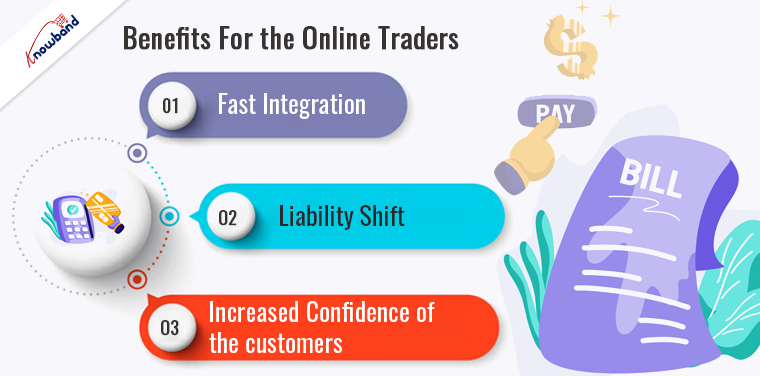
1. Fast integration

The intelligent 3DSecure authentication is fully configurable and offers a lot of options. The flexible tool is customizable and adapted to mobile devices and tablets, with responsive web design. It requires no software installation and so it can be integrated easily and quickly. Along with easy installations, Redsys offers high availability with a monitored service 24×7 to the merchants. The full control to the administration module facilitates business and online sales management.

2. Liability shift

The major benefit of the payment gateway is liability shift. The merchants can now do their business without carrying the headache of the financial transactions. It offers a shield against all sorts of chargebacks and other such liability. All sorts of disagreements and frauds are taken care of. The best part is that the merchants can even enjoy this benefit when the issuer or the cardholder is not taking part.

3. Increased confidence of the customers

Gaining and retaining the confidence of the customers is the key to run an online business. The payment extension detail all the fee in an upfront manner and keep the entire operating mode transparent. Reducing the risk of fraudulent, the biggest fear of online shoppers, it helps increase the confidence of the buyer. Thus, it can prove to be a big reason for online payments and your eCommerce business to takeoff.

Over to you 

In the previous article, we discussed how a payment and shipping page can provide you an edge over your competitors. This blog has compiled some of the points that make a secure payment method like Redsys inevitable for your online businesses. Amongst the countless factors, optimizing the eCommerce store with one-page payment modules for Magento, OpenCart, and PrestaShop is considered as one of the ways to boost the sales. Improvise the situation and find the best solution for your website. Also, you can watch videos here:

At Knowband, with 13+ years of technical expertise, we offer web and development services on the latest technologies and trends. In case you have any queries regarding your projects, you can reach out to our technical support team at our official email address support@knowband.com.

Liked This? You’ll Like These Too

5 Checkout optimization that can Reduce Abandoned Carts and Boost Sales

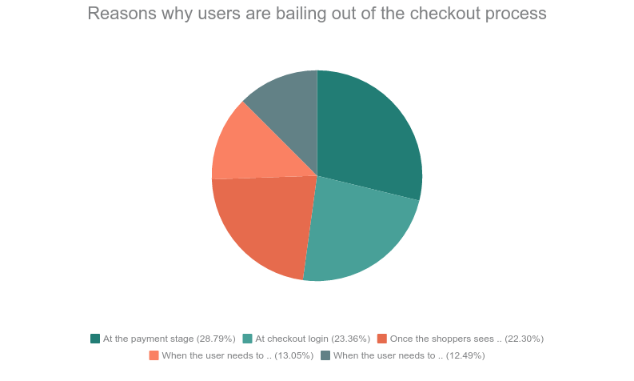
As per a data shared by Business Insider, the U.S. online shoppers, in particular, are abandoning their carts during the payment phase. This is a common scenario on both desktop and mobile platforms. Here are some of the phases according to the survey from where the users tend to leave the cart without completing the payment procedure.

  • 46.1% of cart abandonment occur at the payment stage
  • 37.4% occur at checkout login
  • 35.7% occur once the shoppers see shipping costs
  • 20.9% occur when the user needs to enter their billing address
  • 20% occur when the user needs to enter their shipping or delivery address

Data Source: Business Insider

In one of our previous articles, “Abandoned Cart: Biggest lie you probably believe to be true“, we discussed that hardly 30-40 % of the visitors actually have an intention to buy when they are adding a product to the online virtual shopping cart. Having said that tapping that market of the prospective customer can effortlessly boost your sales. While most of the eCommerce business opt for email marketing in order to convert those visitors into the lead, the Checkout page optimization is a frequently overlooked area for online retailers.

The blog is a compilation of some of the optimization tricks to reduce the abandoned cart. Gear your store with these tips and make sure that no opportunity is left untapped for your business.

Go for a one page checkout

The whole idea of shopping online is to remove the unwanted hassles and get everything at a click of a button. No one would go for online shopping if they don’t get rid of the long queue and waiting hours. Thus, making the checkout process simpler and convenient is the need of the hour. Make the call-to-action on the page clear by removing the clutter. The entire process should be self-explanatory and as precise as possible. One page checkout addon help you manage the fields you want to show in your page and customize the buttons. However, make sure that you keep everything transparent. Do not surprise the users with extra charges and shipping costs.

Minimize the insecurity of checking out

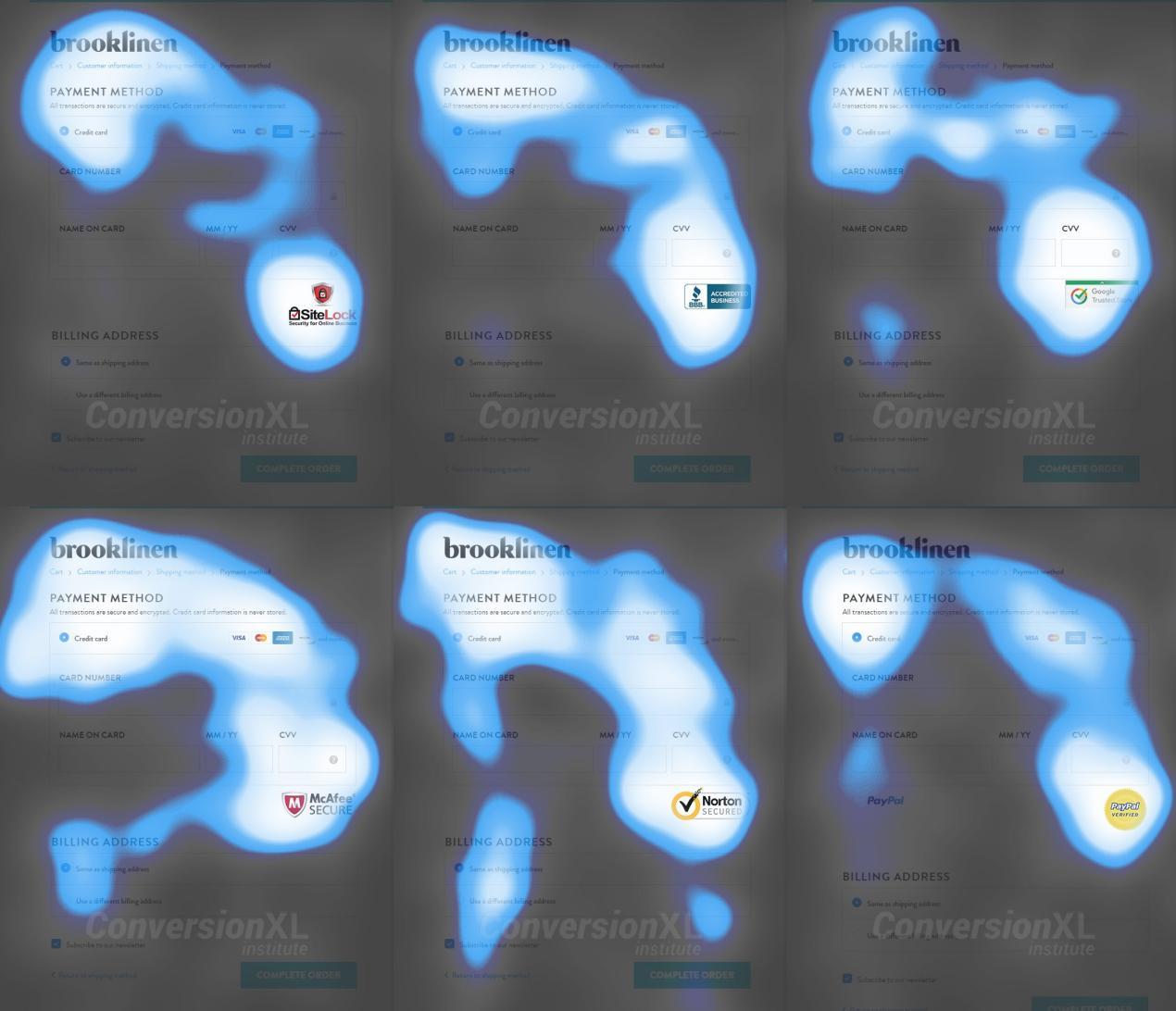
Building the trust factor at the payment gateway is the key to trigger the users to go further. The payment process is a sensitive part of online shopping and users tend to get worried about the security. The trust signals is very obvious, but is not always implemented on the websites. As per an article of conversionxl.com, an eye-tracking test showcased a general pattern of observation on the checkout page. These maps tell us that all trust badges were pretty noticeable.

Img Source: Conversionxl.com

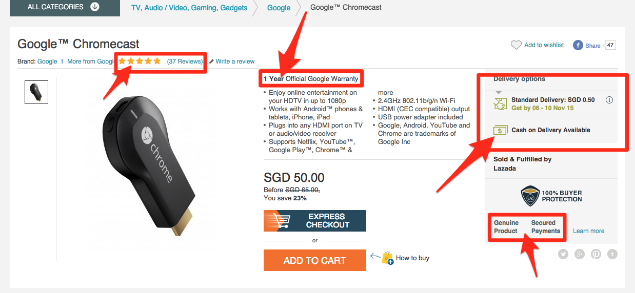
Some of the trust signals that were recommended after the eye-tracking analysis are shown in the image below.

Img Source: Conversionxl.com

Offer refund and replacement option

The money back and replacement guarantee is a must for the users as they don’t get the touch and feel of the products. Reducing the fear associated with online purchases is the essential to reduce abandoned cart and enhance sales. There is always a risk that the product will be returned by the customer, so, return guarantee is a must. Make the entire return process flawless by using an efficient extension. Prestashop Return Manager Addon is one such tool that can manage the return request placed by registered or Guest customer on a PrestaShop store. Thus, it provides you a great way to influence repurchase and revisits.

Make the form quick and easy to fill

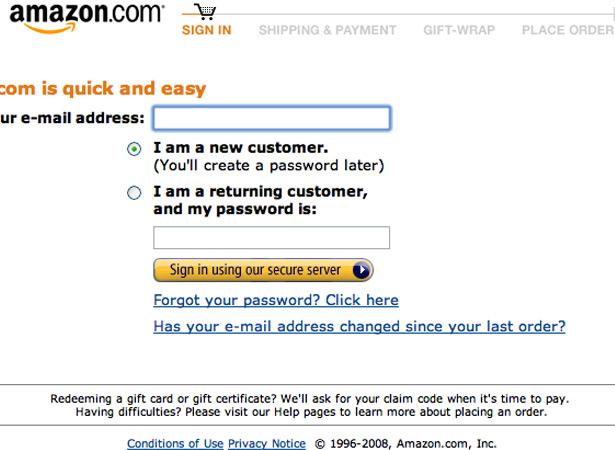
As mentioned above, the long and tedious checkout process is the biggest turn off for the customer. The form should be concise and simple. Do not ask for too many information from the customer. The form should be restricted to the front fold only. Online shoppers hate to commit, so, ask for account creation during the payment process.

Get the email address before the person proceeds to the checkout process

Having mentioned the above point, there is one more factor that needs consideration. The email ids of the shoppers are essential whether he is a registered user or a guest. The reason being even if all the other factor is aligned in the right place, 100% conversion is not guaranteed. So, you need to keep inviting the shoppers with your sales pitches. Ask the user to enter their email address in the starting. They can later choose whether they want to check out as a guest or create an account. This way you’ll get the email ids without even annoying the customer. Use email marketing for the abandoned carts and win more conversions.

Conclusion

Whether you have your own eCommerce store or you have delved into a marketplace scenario, reducing and handling the abandoned cart is the key to boost sales. For the PrestaShop marketplace, you can install PrestaShop marketplace extensions to make the process simpler. Optimize your checkout process and make sure that make sure that your website stands out in the crowd.

Liked This? You’ll Like These Too

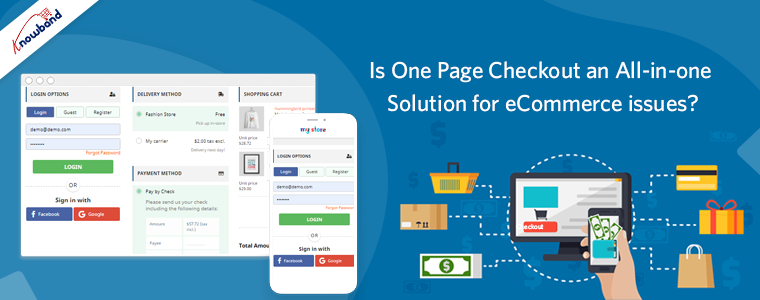
One-page Checkout for eCommerce Stores, Is It a One Stop Solution for All Your Issues?

Here at Knowband, we get questions from all our clients looking to boost their checkout conversion rate, if they should switch to a one-page checkout?

Their aim with the question is simple; they want to get more check-out page conversions, fewer cart abandonment, and more sales. We respond by always saying this, “It depends”. It sometimes comes as a surprise to most customers to hear this reply. As we are selling a one-page checkout Extension, and still not pitching a sale to them. Maybe they expect an answer like “Yes, it is the best. You should use our one-page checkout”.

I wish it was this easy. We don’t pitch our solution with a blindfold, instead, we recommend them something that will help them understand if their issue can be solved by simply installing the one-page checkout module. Let’s just take a pause and inspect some pros and cons of one-step checkout and then decide, whether a one-page checkout is simply an all-in-one solution for all your issues?

The misunderstood part of the one-page checkout solution

This is a common misconception among the eCommerce store owners that the one-page checkout is one medicine to all the check-out-related cart abandonment issues. It’s really understandable. The Fewer steps a customer has to go through easier it will be for him to complete the process and checkout bounce backs will reduce.

However, that’s not always the exact case. The implementation of one-page checkout is definitely appealing, but it does not mean it is the solution to all your issues. Truth to be told, one-page checkouts have their own set of problems that should be addressed to make them more organized and informed for the customers. Simply, a one-page checkout solution can make your store, but can also break it with some negative impacts if you don’t know the correct way to implement it.

For the customers who inquire about our one-page checkout, often time we come to hear that they read some article or attended some event where they told it is better. Most likely these customers did not pry into their existing multi-step checkout process and neglect the mistakes they are already doing with their checkout. So, even if they go for a one-page checkout, they are more likely to repeat those same mistakes, and then blame the checkout solution for the breakdown.

Consider these factors before deciding your checkout page:

So, Which one should you consider, One-Page Checkout or Multi-Page Checkout?  An honest reply would be both. A one-page checkout can be really effective in the right conditions and with proper implementation. You need to make sure that it addresses the common issues of a one-page checkout and has handled them effectively.

The right conditions for deciding the right checkout process for your business can depend on the aspects like:

  • Niche
  • Customers
  • Price point
  • Product Type
  • Pain Points and
  • Solutions

For instance, if you are selling luxury items that already receive fewer sales due to the high price point, and you have a loyal base of old customers, then a multi-page checkout is a better choice here. It will guide the users through the checkout process and will convert better.

On the other hand, if you sell non-expensive items where there are more sales and you are also offering free shipping options, then a one-page checkout solution would be more effective here. It will be quick, give a faster way to review the products in the cart, show the free shipping option right away, and allow the shopper to make the payment straight on the same page.

Perform A/B testing for the best checkout page solution

These are just the example of two simple cases. However, the best way to know which option works best for you is to test, analyze, test, and iterate. A/B testing can be really helpful where you can test both the types of checkout (i.e. one-page checkout and multi-step checkout) at the same time and see which one pleases your customers better.

Be cautious while testing, because here you’ll be pitting the best against the best. You wouldn’t get the right results if you compared a well-optimized one-page checkout to a cluttered and unorganized multi-step checkout. So, always test an apple with another apple.

A simple recommendation would be to first optimize the current multi-page checkout as far as possible. Once, you have fully optimized the multi-step checkout, then compare it with a well-optimized checkout by testing them. It will give a fair chance to your multi-page checkout, or else, the one-page checkout solution will always overshadow it.

One-page checkouts still have some benefits by default

  • The one-page checkout is quick since everything is on a single page.
  • There are only a few steps for customers to complete on a one-page checkout solution.
  • Well-optimized checkouts provide the cart review option on the same page.
  • Shipping option selection is available on the same page in the one-page checkout module.
  • The one-page checkout offers payment options on the same page.
  • Some advanced checkouts offer social login options as well.

Features to look for while selecting a One-Page Checkout Solution

Optimization is one such thing that differentiates a checkout Page from another checkout solution. Whether you are talking about a multi-step checkout or a one-page checkout, it has to be well optimized.  You won’t be able to solve all of the problems with the checkout page by simply consolidating it onto a single page; you’ll still need to optimize it for cart abandonment issues.

A true one-page checkout developed to curb the checkout page abandonments must address the issues like these:

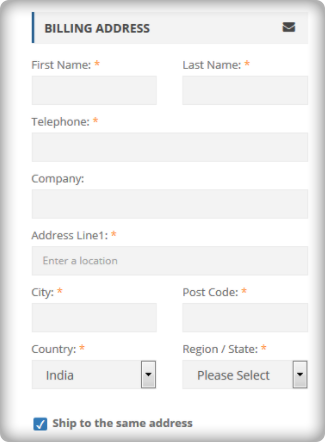
Length- The length of the checkout process does not merely depend on the number of pages, but the number of details a customer has to fill in to complete it. Make sure your one-page checkout does not ask the customers to fill in unnecessary and redundant details. You can segregate the mandatory and optional fields.

For example, you can reduce the billing or shipping address form size by removing the unnecessary fields like fax number, anyone from the phone or mobile number, etc.

Cart review and update- What most of the one-page checkout solutions miss is the option for the customers to review their cart and update the product quantity from the checkout page. However, there are Advanced one-page checkout solutions that do provide the cart review and update options. So make sure, your one-step checkout does provide this feature.

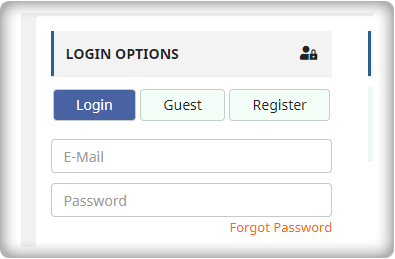
Guest checkout: Guest checkout is an important feature. On both the checkouts(i.e. one step checkout or multi-page checkout), if you miss providing a guest checkout option, then you may lose some business. So, make sure whichever checkout option you choose, you should offer the guest checkout.

Social Login: Social login option is more of a competitive advantage than an optimization. If you are not asking your customers to necessarily create an account and offering guest checkout, it’s optimization. However, if you are allowing them to sign up or log in with their Facebook or Google Account, it’s a competitive advantage. Our  PrestaShop one-page checkout offers social login through Facebook and Google to help you gain the most out of your checkout process.

Clutter-free design: What haunts most of the merchants while switching to one-page checkout is the design issue. A one-page checkout in-housing the whole checkout process on a single page is more likely to look congested and cluttered. Therefore, you must ensure that your checkout page does not only fits with your theme design but should also have enough white-spaces to segregate each element and section. For example, it would not be a nice look if the shipping section overlaps the payment section or any other section of the page.

We have tried our best

We have tried our best to optimize our one-page checkout modules for Magento, OpenCart, and PrestaShop in the best possible way. We have included all the options that have been mentioned in the previous point. Moreover, we have also tried it to have the best possible clutter-free design.

Check out how we eliminated all the one-page checkout-specific issues in our checkout modules.

We don’t say a one-page checkout is a one-stop solution to all your checkout page issues. However, a well-optimized one-step checkout can always provide an upper hand. Optimize your multi-step checkout to the best possible extent and then test it with the one-page checkout solution, the results will ensure you have the best checkout, no matter it’s one page or multi-page. Always choose the best for your brand.

Liked This? You’ll Like These Too

Top eCommerce shopping Apps trends to follow in 2017

E-Commerce has grown up enormously in 2017 and so is the new trends and requirements. Each day you come across a new research, a new patent, a new feature, and a new trend that is engaging users from all corners.

Developing an App for your eCommerce store is a bit different from the stand alone apps. Here you don’t only need to provide the best user experience but also keep a sync with the website. It’s a tough job.

However, the new developments in the app development and eCommerce technology have made the task really easy. Now, getting a mobile app for your eCommerce website is not a headache but a smooth walk. In this article, I am going to enlist the top eCommerce Shopping apps trends that have made the business smooth, UX great, and ROI better likes never before.

E-Commerce shopping Apps trends

360-degree product images

With 360-degree cameras and equipment becoming accessible day by day, eCommerce store owners are utilizing this technology to establish a cutting edge in their mobile apps and product listings. Mobile apps are coming with the support to show the 360-degree view of the products through the 3D images.

These images provide a well-covered display of the product from all the angles and let the customers experience something new and informative. With 360-degree images integrated with the mobile apps, customers get an effective demonstration of the product through a single image only. Thus ensuring a high level of engagement from the users.

E-Commerce shopping in Virtual or Augmented Reality

The technology of VR and AR has been in the trend this whole year till now and was in trend last year as well. So far, the implementation could be seen in the games like Pokemon Go. However, now the eCommerce players are also in the race to use this technology for providing a lavish shopping experience through the mobile apps.

Image source: flashmode.tn

The VR and AR technologies can provide a reality like experience allowing the users to view the products from all the angles, thus improving the sales presentation of the products.

Unfortunately, these technologies are not in their full fledge yet. Many researchers like Google, Sony, and Samsung are already working to make them accessible and applicable to the real world scenario. Moreover, till now there are only a few phones supporting these techs.

Hopefully, with the current pace of development, it can be said that eCommerce mobile apps will soon be found with VR and AR features. With the tech being accessible in the future it is also expected that more and more of your customers will have the devices supporting the VR and AR.

However, Lens-kart did apply a mild concept of AR in its mobile app. Here, the users just need to put their face in the virtually specified area on the screen through the front camera. Based on the virtual measurements the app can virtually show how the particular frame will look on them.

Chat While Shopping While shopping on an eCommerce mobile app, buying confusion is a common thing to come up. We often get confused with so many choices at the fingertips. If this confusion is cleared on time, the app receives a sale. While if not, this may result in a shopping cart abandonment.

To avoid such confusion situations, eCommerce mobile apps are expected to integrate the chat functions. Using this feature the shopper can contact his friends and ask for advice regarding which product to purchase. Sounds simple, but it can help the store owners a lot and can eliminate a significant reason of shopping cart abandonment.

With the growing pace of development, the chat function is expected to get common in all kinds of mobile apps soon.

Shop with your voice

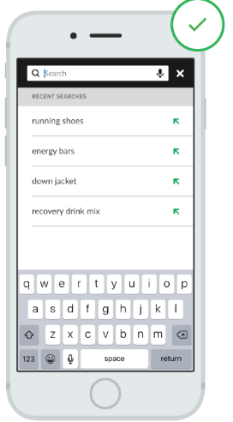
One thing that users don’t like about mobile is typing on that tiny screen. Voice search has become quite an impressive source of convenience in this regard. With voice search on the apps, the users can navigate on your store and find their favorite products with really fewer efforts.

Shopping becomes so easy when customers can just talk with their mobile phones rather than typing things. This technology is already in boom and is expected to get integrated in all kind of eCommerce apps in the coming future.

You can experience the extensive voice search function in the PrestaShop Android mobile app builder as well. It’s an App builder service that is used to develop mobile apps for the PrestaShop, Magento, and OpenCart stores.

Mobile wallet integration

E-Commerce apps are becoming easier and simpler to use day by day. To ensure the best user experience for the customers, the apps try to make the checkout and payment process as quick as possible. With mobile wallets, the users don’t have to enter the card details or any other detail to make a payment.

Mobile wallets are the one step solutions to make the payment process really short. Users just need to select their wallet as the payment option and then provide the authentication when prompted, that’s it; payment was done.

In fact, in most of the native mobile wallets integrated into the mobile app, users don’t have to provide the authentication. Just a single click and payment is done. Amazon Pay is one such native payment option on the Amazon’s app that makes the checkout real quick.

All the eCommerce apps in 2017 and onward are greatly expected to integrate such wallet payment options. Of course, no eCommerce store owner wants to give their customers a lengthy payment form to complete the checkout.

Future of eCommerce apps is bright

Mobile commerce is the next big thing, and it is expected to grow rigorously in the upcoming future. eCommerce mobile apps are playing a pioneering role in giving the best user experience to the users. If you don’t have a mobile app for your eCommerce store, you are losing a great share of the business that mobile app can give. It’s a time for you get a mobile app for your store and start selling in style and convenience to your customers.

If you own a PrestaShop, Magento, or OpenCart based eCommerce store, it very easy for you to get a mobile app in really affordable investment. The Android mobile app builder will help you get the best eCommerce app in just a few steps. Check out:

Android Mobile App Builder – Magento Extensions

Android Mobile App Builder – OpenCart Extensions

Android Mobile App Builder – PrestaShop Addons

Liked This? You’ll Like These Too