5 eCommerce Mistakes that lead to Cart Abandonment

Sometimes, the customers may browse the store, add a product to the cart, but at the time of check out, they may cancel the transaction and leave the purchase incomplete. This is known as Cart Abandonment.

Shopping cart abandonment is one of the most important concerns for e-commerce retailers. There can be ample reasons for cart abandonment. Though it is impossible to figure out the exact reason, one can try to analyze the behaviour of the abandoned cart users and work upon it to reduce the cart abandonment rate.

Before finding out ways to reduce cart abandonment, it is important to look for the reasons leading to it. In this article, I have listed out the top 5 eCommerce mistakes that lead to shopping cart abandonment.

1. Hidden charges

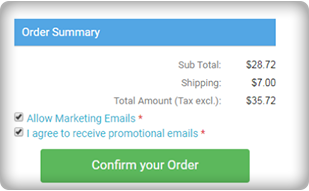
Generally, the customers are unaware of the hidden charges incorporated by the seller in the products. The hidden charges may include the shipping cost, transaction fees, etc. The introduction of these charges at the transaction page kills the purchasing mood and results in the abandoned carts. Therefore, the seller must be clear about all the charges that are applicable in the product, so that the customer may make up his mind prior to the purchase.

2. Mandatory sign-ups

There is nothing more frustrating than a mandatory sign-up process on the checkout page. People are ready to abandon the cart to avoid filling up a registration form.

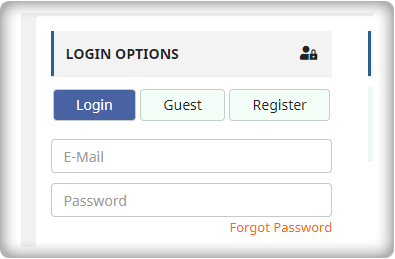
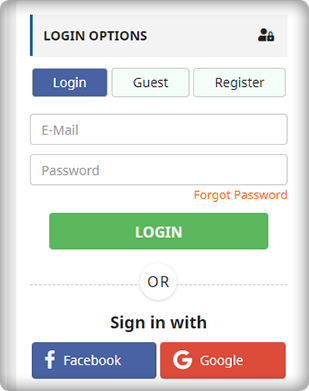
Customers want to check out easily. Adding a barrier in the checkout process will only lessen the chances of conversion. To avoid compulsory registrations, come up with a Guest Checkout or provide a social login facility so that the consumers can get rid of form filling without their flow getting disturbed.

3. Tedious Checkout

The checkout page of an e-commerce store is a crucial step towards the purchase journey of a customer. If optimized, it can boost your conversions otherwise you can face a heavy drop-down in the conversion rate.

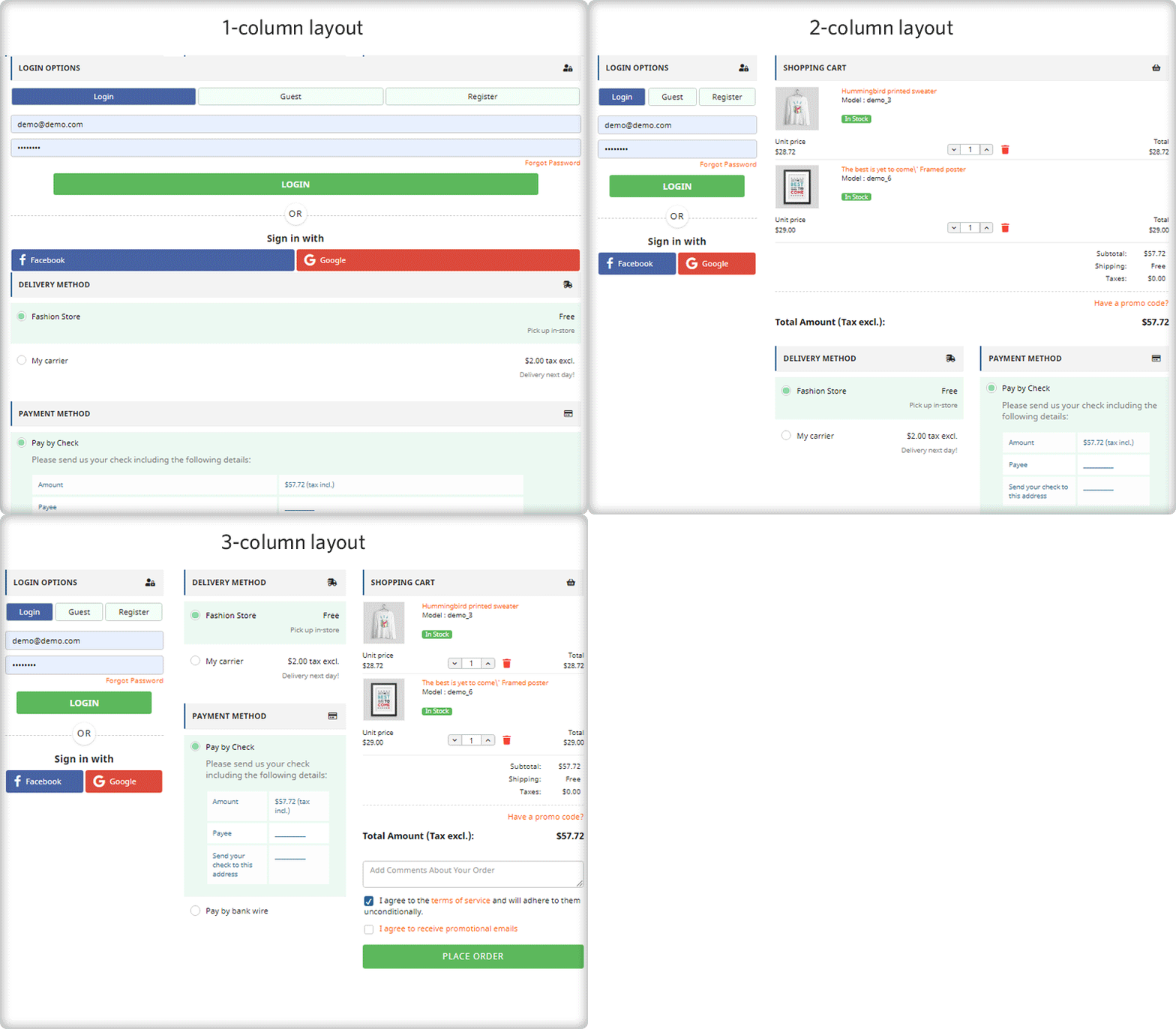
Try to simplify your checkout page. Have clarity. I would suggest adding a one page checkout facility on your store so that the checkout process becomes convenient for customers.

If you are confused between a one page checkout and multi-page checkout, read One Page Checkout vs Multi Page Checkout: Which is better and why?

4. Lack of Payment options

With the introduction of multiple payment gateways, customers expect to make a payment with their desired payment option, yet many e-commerce stores are stuck with a few payment options only. When customers do not find the desired payment mode, they take an exit from the store and look for the product in some other stores.

Why would you let that happen when a person is all set to make a purchase? Provide multiple payment options so that customers can choose their preferred payment option. Also, do not forget to add the e-wallet facility.

5. Less offers

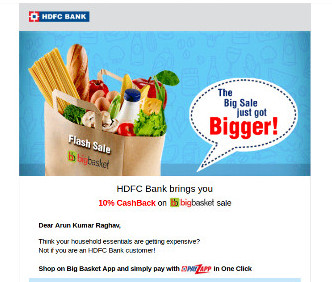
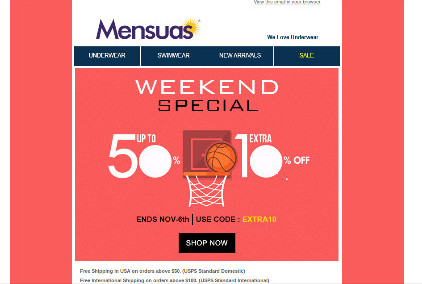
The primary reason why people prefer to shop online is to get heavy discounts and the offers that the customers can avail on a number of products. The major factor contributing to the growth of the online market is choice availability and the offers that customer receives on a daily basis via Email, or pop-ups. Therefore, most of the time a customer expects to receive some kind of discounts on their purchase. In case, the seller fails to provide them with offers, the customer readily abandons the cart and exit the store.

To persuade your customers with some attractive offers, you can look to add the Spin and Win or the Exit popup on your e-commerce store.

Final word

Want to reduce the cart abandonment rate? Check out Knowband’s

Abandoned Cart extension for OpenCart

Prestashop Abandoned Cart addon

Magento Abandoned Cart extension

Magento 2 Abandoned Cart extension

The Abandoned Cart module gives a detailed analysis of the abandoned cart users and allows e-retailers to reach out to those users to persuade them to complete the purchase.

This Would Also Interest You:

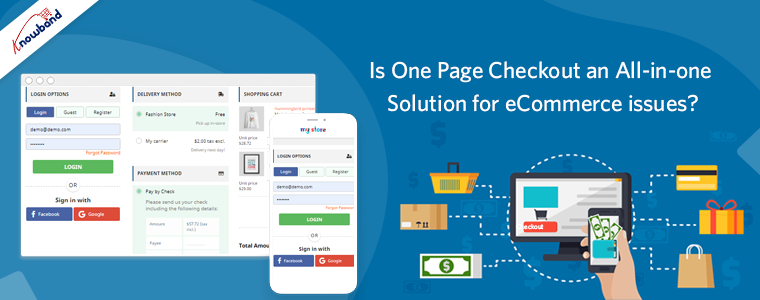
One-page Checkout for eCommerce Stores, Is It a One Stop Solution for All Your Issues?

Here at Knowband, we get questions from all our clients looking to boost their checkout conversion rate, if they should switch to a one-page checkout?

Their aim with the question is simple; they want to get more check-out page conversions, fewer cart abandonment, and more sales. We respond by always saying this, “It depends”. It sometimes comes as a surprise to most customers to hear this reply. As we are selling a one-page checkout Extension, and still not pitching a sale to them. Maybe they expect an answer like “Yes, it is the best. You should use our one-page checkout”.

I wish it was this easy. We don’t pitch our solution with a blindfold, instead, we recommend them something that will help them understand if their issue can be solved by simply installing the one-page checkout module. Let’s just take a pause and inspect some pros and cons of one-step checkout and then decide, whether a one-page checkout is simply an all-in-one solution for all your issues?

The misunderstood part of the one-page checkout solution

This is a common misconception among the eCommerce store owners that the one-page checkout is one medicine to all the check-out-related cart abandonment issues. It’s really understandable. The Fewer steps a customer has to go through easier it will be for him to complete the process and checkout bounce backs will reduce.

However, that’s not always the exact case. The implementation of one-page checkout is definitely appealing, but it does not mean it is the solution to all your issues. Truth to be told, one-page checkouts have their own set of problems that should be addressed to make them more organized and informed for the customers. Simply, a one-page checkout solution can make your store, but can also break it with some negative impacts if you don’t know the correct way to implement it.

For the customers who inquire about our one-page checkout, often time we come to hear that they read some article or attended some event where they told it is better. Most likely these customers did not pry into their existing multi-step checkout process and neglect the mistakes they are already doing with their checkout. So, even if they go for a one-page checkout, they are more likely to repeat those same mistakes, and then blame the checkout solution for the breakdown.

Consider these factors before deciding your checkout page:

So, Which one should you consider, One-Page Checkout or Multi-Page Checkout?  An honest reply would be both. A one-page checkout can be really effective in the right conditions and with proper implementation. You need to make sure that it addresses the common issues of a one-page checkout and has handled them effectively.

The right conditions for deciding the right checkout process for your business can depend on the aspects like:

  • Niche
  • Customers
  • Price point
  • Product Type
  • Pain Points and
  • Solutions

For instance, if you are selling luxury items that already receive fewer sales due to the high price point, and you have a loyal base of old customers, then a multi-page checkout is a better choice here. It will guide the users through the checkout process and will convert better.

On the other hand, if you sell non-expensive items where there are more sales and you are also offering free shipping options, then a one-page checkout solution would be more effective here. It will be quick, give a faster way to review the products in the cart, show the free shipping option right away, and allow the shopper to make the payment straight on the same page.

Perform A/B testing for the best checkout page solution

These are just the example of two simple cases. However, the best way to know which option works best for you is to test, analyze, test, and iterate. A/B testing can be really helpful where you can test both the types of checkout (i.e. one-page checkout and multi-step checkout) at the same time and see which one pleases your customers better.

Be cautious while testing, because here you’ll be pitting the best against the best. You wouldn’t get the right results if you compared a well-optimized one-page checkout to a cluttered and unorganized multi-step checkout. So, always test an apple with another apple.

A simple recommendation would be to first optimize the current multi-page checkout as far as possible. Once, you have fully optimized the multi-step checkout, then compare it with a well-optimized checkout by testing them. It will give a fair chance to your multi-page checkout, or else, the one-page checkout solution will always overshadow it.

One-page checkouts still have some benefits by default

  • The one-page checkout is quick since everything is on a single page.
  • There are only a few steps for customers to complete on a one-page checkout solution.
  • Well-optimized checkouts provide the cart review option on the same page.
  • Shipping option selection is available on the same page in the one-page checkout module.
  • The one-page checkout offers payment options on the same page.
  • Some advanced checkouts offer social login options as well.

Features to look for while selecting a One-Page Checkout Solution

Optimization is one such thing that differentiates a checkout Page from another checkout solution. Whether you are talking about a multi-step checkout or a one-page checkout, it has to be well optimized.  You won’t be able to solve all of the problems with the checkout page by simply consolidating it onto a single page; you’ll still need to optimize it for cart abandonment issues.

A true one-page checkout developed to curb the checkout page abandonments must address the issues like these:

Length- The length of the checkout process does not merely depend on the number of pages, but the number of details a customer has to fill in to complete it. Make sure your one-page checkout does not ask the customers to fill in unnecessary and redundant details. You can segregate the mandatory and optional fields.

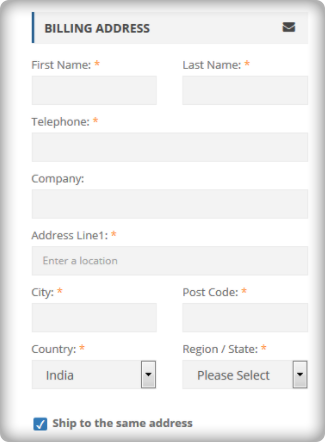
For example, you can reduce the billing or shipping address form size by removing the unnecessary fields like fax number, anyone from the phone or mobile number, etc.

Cart review and update- What most of the one-page checkout solutions miss is the option for the customers to review their cart and update the product quantity from the checkout page. However, there are Advanced one-page checkout solutions that do provide the cart review and update options. So make sure, your one-step checkout does provide this feature.

Guest checkout: Guest checkout is an important feature. On both the checkouts(i.e. one step checkout or multi-page checkout), if you miss providing a guest checkout option, then you may lose some business. So, make sure whichever checkout option you choose, you should offer the guest checkout.

Social Login: Social login option is more of a competitive advantage than an optimization. If you are not asking your customers to necessarily create an account and offering guest checkout, it’s optimization. However, if you are allowing them to sign up or log in with their Facebook or Google Account, it’s a competitive advantage. Our  PrestaShop one-page checkout offers social login through Facebook and Google to help you gain the most out of your checkout process.

Clutter-free design: What haunts most of the merchants while switching to one-page checkout is the design issue. A one-page checkout in-housing the whole checkout process on a single page is more likely to look congested and cluttered. Therefore, you must ensure that your checkout page does not only fits with your theme design but should also have enough white-spaces to segregate each element and section. For example, it would not be a nice look if the shipping section overlaps the payment section or any other section of the page.

We have tried our best

We have tried our best to optimize our one-page checkout modules for Magento, OpenCart, and PrestaShop in the best possible way. We have included all the options that have been mentioned in the previous point. Moreover, we have also tried it to have the best possible clutter-free design.

Check out how we eliminated all the one-page checkout-specific issues in our checkout modules.

We don’t say a one-page checkout is a one-stop solution to all your checkout page issues. However, a well-optimized one-step checkout can always provide an upper hand. Optimize your multi-step checkout to the best possible extent and then test it with the one-page checkout solution, the results will ensure you have the best checkout, no matter it’s one page or multi-page. Always choose the best for your brand.

Liked This? You’ll Like These Too

Abandoned Cart: Biggest lie you probably believe to be true

Have you ever asked yourself these questions:

“Is it better if I shorten my website’s checkout process by one step?”

“Is it better if I change the CTA button’s color?”

“Is it better if I display the shipping cost estimation before checkout page?”

Sounds like you have heard of these somewhere, right? If it is so, you are facing the problem of shopping cart abandonment.

Don’t worry, it’s not only you alone, there is a huge list of websites which faces cart abandonedment. Almost everyone to be exact. According to Baymard Institute, around 67.89 % of online shopping carts get abandoned across the internet.

This brings me to the biggest lie about abandoned cart you have been believing to be true till now.

Many marketers, CRO experts, and Analytics toolmakers have been telling:

“If your shopping cart abandonment rate is 67.89%, you are losing your 67.89 % of your sales”

That’s not true; It’s the biggest lie

This statement is completely wrong because it is based on a false assumption that every visitor who adds a product to the cart has a definite intention to buy only.

But, as we proceed, we will discover in this article that hardly 30-40 % of these visitors actually have an intention to buy when they are adding a product to the online virtual shopping cart. However, even then, it does not mean a definitive commitment to purchase.

Here in this content, I will explain why there is a need to change our approach to abandoned cart, and how we can market to casual cart abandoners who possess a loose commitment to buy.

Why shoppers abandon?

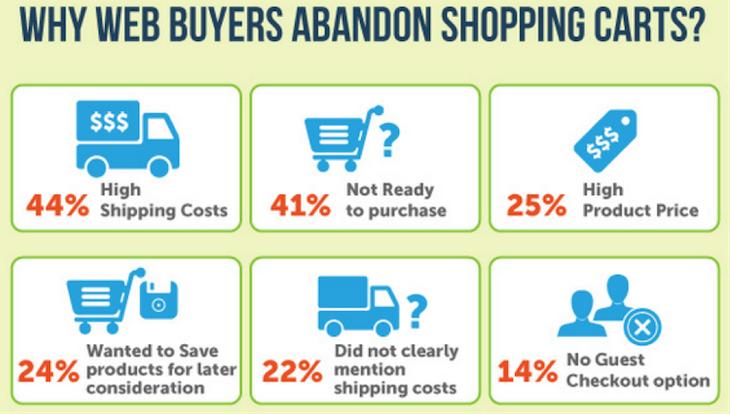
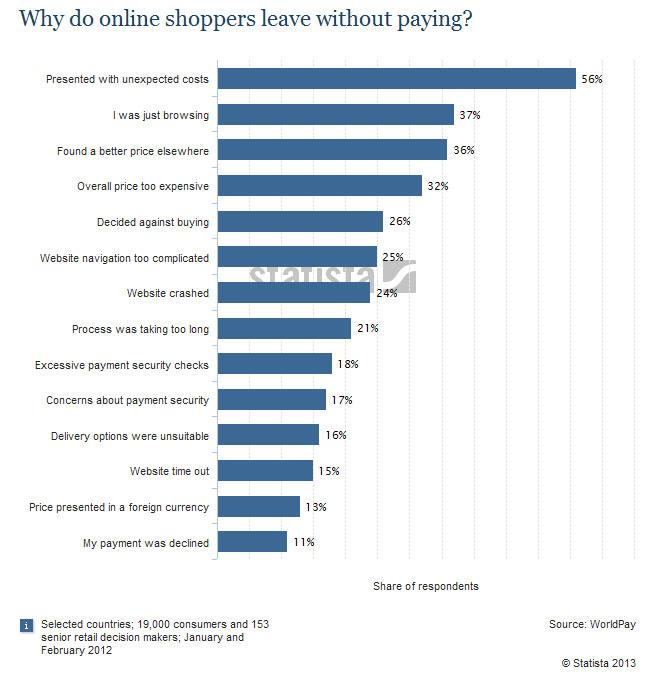
Most of the time we think that all the cart abandonments result from the flaws in the checkout process, but this is just the one-half of the whole picture. Just look at this infographic by Savvy Panda:

Part of the infographic by Savvy Panda showing the top six reasons for abandoned cart.

The top two reasons have nothing to do with the cart itself. Rather, they are more inclined towards the shopper’s interest in the product, and here it feels that shoppers just have a passing interest in the product.

Such shoppers are called Casual Abandoners. Another data I found on Shopify also advocates the same.

Image Source: Shopify.com

Looking at the data from these sources, we can see that casual abandoners constitute around 30-40 % of the total abandoners. This is a big population and a matter of concern. So, why are so many users treating a shopping cart as just a mere expression of interest in a product? Is an “Add to cart” action a sign of definitive intent to buy?

To find out this, we need to understand the motivations of online shoppers. Research says that there are mainly two fundamental motivations- Hedonic and utilitarian.

The Hedonic motivation

The shoppers with Hedonic motivations gain the satisfaction with the enjoyment of the shopping experience itself. Experience is what they seek and they don’t need to complete a purchase to gain the satisfaction.

The Utilitarian motivation

Utilitarian motivation is driven by the basic and fundamental needs of the life like groceries, clothes, household items etc.

The Comparative shoppers

Comparative shoppers basically add products to the cart for two reasons.

  • To conduct a price comparison
  • To bookmark or save products for later consideration

So, the reason behind this explanation of different shopping motivations and types of shoppers is to show “abandoned cart is not a mere result of breakdown in the checkout process or flaws in the shopping cart” There are multiple psychological motivations which add up to the abandonment without any involvement of the cart itself.

So, we have been treating cart abandoners all wrong?

The data presented till now and the explanation of the motivations involved in online shopping clearly explains that we have been treating the cart abandoners all wrong. And it proves our conception “adding a product to the cart is a sure sign of showing commitment in purchasing the product” is wrong.

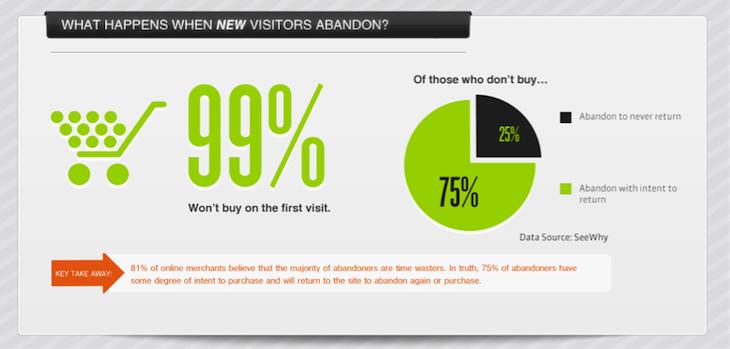
But despite these findings, most of us treat abandoned carts as lost sales; instead of looking them as a strong lead for sales generation. Just look at this data from See Why which says 81 % of store owners believe that abandoners are just a waste of time and there is nothing good in following them. But in reality.

“75 % of abandoners have some degree of intent to purchase and will return to the site to abandon again or purchase”

Image Soucre: Hybris.com

As a result, 80 % of the store owners do not send triggered emails after abandoned cart.

Maybe, the owners think that sending emails will have no effect on the buyers’ intention or it might just end up in the spam folder.

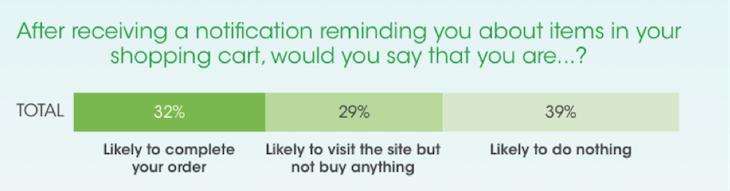
It could be, but this is not exactly what shoppers think. According to a study, 47 % of abandoners expect to receive some type of email or reminder after they abandon a shopping cart, and this is a huge pool of data for your sales person to follow up. So, not all the abandoners are waste of time, there is a significant percentage who can be converted with proper follow-up.

Just look at these figures from Why We Don’t Buy, which explains that almost 30-40 % of these shoppers would like to complete a purchase after receiving a follow-up from the store.

In other words, we should stop treating abandoned cart as a lost sale, and start using them as the strong leads for sales generation.

A follow-up tool can help

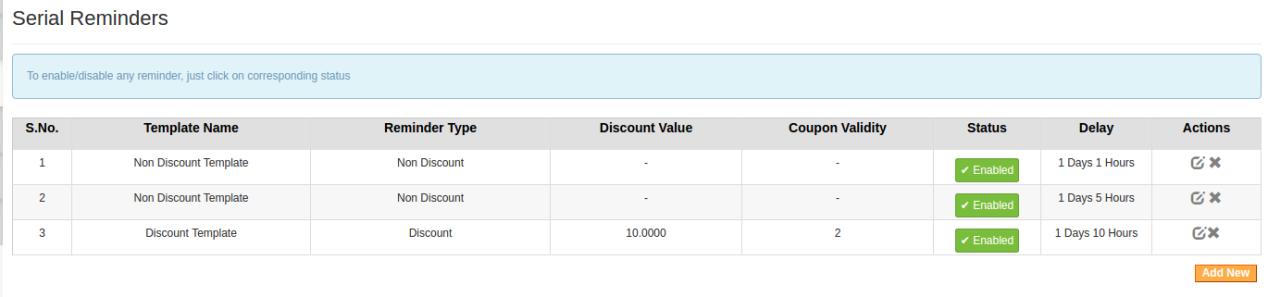
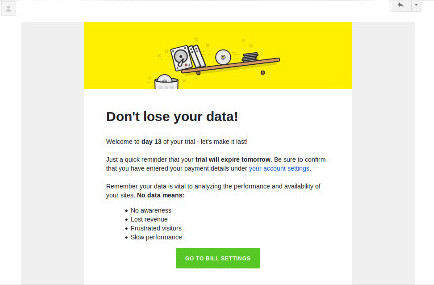
You need to stay updated with the abandoned cart and keep a track on your site. For this, you can use Abandoned cart recovery tools that capture the abandoned cart with all the information such as – user’s email address, cart details like products in the cart, date and time of abandonment etc. Later you can use these details to follow up the customers by sending them reminder emails at regular interval of time.

There are tools where you can set the Cron jobs to automatically capture the carts, and send triggered emails and so on. Magento Abandoned cart extension is one such example. With this extension, you can send automatically triggered emails to abandoned customers with or even without offers.

So, it’s time you start using such tools to capture the strong leads that have more chances of getting converted with a little wiser approach. Just remember that all abandoned carts are not triggered through a breakdown on your cart or checkout. However, you should not ignore the need of checkout and UX optimization because there is still a major population of shoppers which is driven by the user experience on the site.

Liked This? You’ll Like These Too:

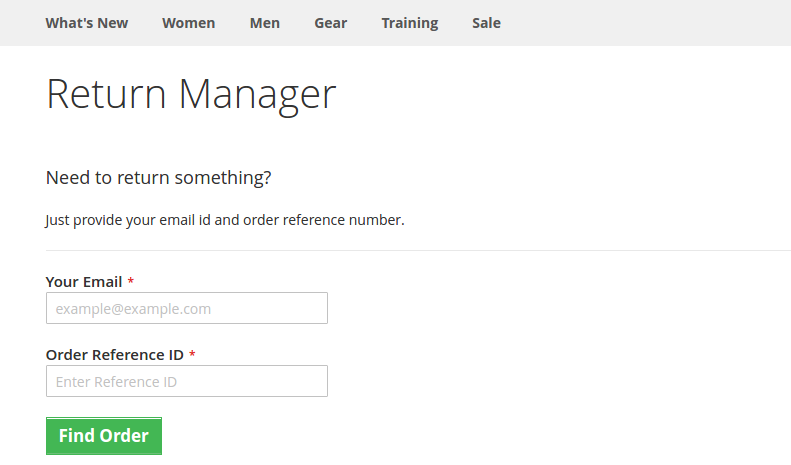
Product Return Manager for Magento-2 that ensures Customer Satisfaction

Lack of a flexible return policy can be a cause for cart abandonment on the checkout page of your online store. And, for a generous return policy, up to 66 percent of customers claim they will spend more. Many retailers, unfortunately, impose strict return policies. There are two ways to go about doing this. To begin with, policies that place an excessive amount of time restriction. Second, policies that enforce a fee for returns, which is typically in the form of shipping. And the others don’t even have a return policy on their store.

What if there is a way that might not just minimize the abandoned carts but might also boost the conversion rates at the same time? Create an ambiance that allows your customers to shop without any tension on your website. I am talking about, returns, refunds, replacements, and exchange management on your websites. Here, I am taking the example of a Magento 2 website to explain how an efficient Magento 2 return manager extension would help you to make online shopping a ball for your customers.

How would a website owner benefit from the Magento2 return manager extension?

With the easy return, more customers will be attracted to shop with you- In the era of huge competition from similar eCommerce sites, if you secure even the slightest competitive advantage against your rivals, you will score fortunes with your conversions. What most of the eCommerce customers fear is the tricky return procedures of the eCommerce websites. By installing the Magento 2 return manager on your website, you can make sure that these tricky procedures are converted to the easiest ones.

  • Single product return: The return manager will allow customers to return the whole cart or even a single product from the cart.
  • Partial Product Return: With Magento 2 Return Manager, customers can also return partial orders from the complete list.
    This feature of the return manager will make sure that customers do not have to return the whole bulk in order to return a single product. Thus, preventing a serious loss that could happen if your Magento 2 return manager could not handle a single product return.
  • Every request is not a return request: Not every customer wishes to return a product or to get a refund. Some might even want to replace or exchange a product. If your return manager extension treats every return request as a refund request, then it is a serious threat to your conversion rate as a whole.

For example, the Magento 2 return manager extension is capable of handling three types of return requests- Replace, Refund, or Get Credit. For those who want to get a refund, for those who want to replace a product, and for those who want to get a refund a buy something else from your site respectively.

Status tracking to keep them informed- When a customer places a return request, he/she wants to stay updated with the procedure. Customers should be able to track the status of the return request in the same way they tracked the product delivery status.

This is one of the trickiest parts of any return management process. An effective return manager extension like the Magento 2 return manager, allows the customers to track their return status very easily using a unique id provided at the time of return request.

The easy returning process with Magento2 return manager

The choice to attach a file: The Magento 2 order refund extension allows customers to attach a file to their replacement/return request.

Request forms, statuses, and reasons are all unlimited: Magento 2 RMA allows the store owner to build an unlimited number of return reasons and statuses to meet the needs of their customers. The admin can easily generate an order refund with the Magento 2 order refund extension.

More about Magento 2 return manager extension

Easy Order Return Manager for Magento 2 aids in the reduction of abandoned carts and ensures that they are as few as possible.

Some other features of Magento 2 Return Manager that benefits your business

  • The admin will handle the return requests of both registered customers and guests using the Magento 2 extension.
  • The request for a return may be approved by the administrator. When the request is accepted, an email trigger will be sent.
  • From the backend of the admin interface, the Magento 2 store admin can also generate return requests on behalf of customers.

Finally,

The importance of an efficient return manager extension on your eCommerce site cannot be ignored. Product returns strategies that are well-organized will result in higher sales, a stronger brand, higher consumer loyalty, and better customer service. The aim of a perfect RMA is to strengthen customer relationships. Choas continuity is being developed by simplified return management. You should not miss any opportunity to optimize the shopping experience on your website. Handling the trickiest return situations with the help of a proper return manager extension is all you need.

It is not just about a Magento 2 website, there are efficient return manager modules and extensions for PrestaShop, and Magento also. You just need to install the respective return manager extension as per your eCommerce platform and you are ready to manage even the trickiest returns on your site.

Liked This? You’ll Like These Too: