Hyperlocal Business Model: Go Local with this New Trend

Strengthening the curiosity and enthusiasm of a large number of entrepreneurs who have been on the lookout for something that can make them stand out, hyperlocal eCommerce business has served the purpose. Many companies like Amazon, Flipkart, Grofers are serving regionally or locally for the past few years. But the Hyperlocal Business concept is roaring after COVID 19 outbreak. 

What is Hyperlocal?

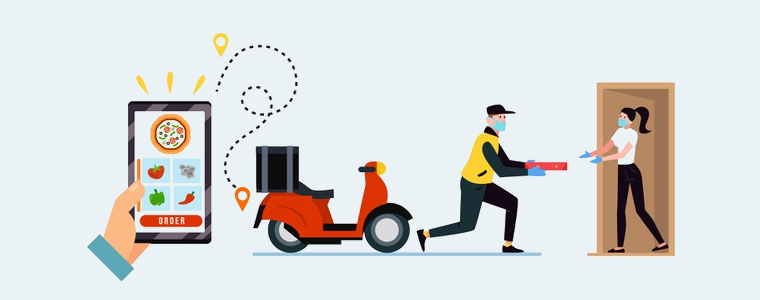
There is a small difference between hyperlocal and eCommerce. Hyperlocal businesses are the one who serves in the nearby vicinity and eCommerce businesses have a large network of the national or international market.  Hyperlocal is often used only to describe delivery businesses or on-demand services. Entrepreneurs are switching to hyperlocal as it allows consumers to place generic orders, sending parcels from one location in the city to the other, food, groceries, household essentials, or even medicines. This transition will open the doors for small businesses to enter the digital world. 

Why go Hyperlocal?

A unique advantage of Hyperlocal eCommerce is that their whole supply chain is situated next to both the buyer and the seller. As a consequence, the vendors themselves are retailers or smaller traders. A hyperlocal business platform allows local offline businesses to reach out to their targeted customers confirming product delivery within a very short time.

The challenge for an eCommerce can be an advantage to hyperlocal Businesses

  • eCommerce often faces a challenge of on-time delivery but with a Hyperlocal business, the same product can be delivered within a few hours. Customer doesn’t have to wait for days but he/she can use a Hyperlocal business platform for getting it immediately. 
  • Trusting online eCommerce websites is a matter of concern and it leads to many frauds. But with an eCommerce, the chances of fraud are least. 

Challenges faced by Hyperlocal businesses:

You might have heard that many Hyperlocal businesses got shut within a few years of their journey. There are multiple challenges faced by a Hyperlocal business while going through this transition.

– Area of operation

Starting in cities that are not yet technologically wired and most of the population is not used to buying stuff online, the primary option for hyperlocal business cannot, of course, be the right choice.

–Brick and mortar stores

People still prefer buying groceries themselves as they do not trust the quality of online products. Buying fresh fruits and vegetable from a market is an old practice which will take time to change. 

– Cutthroat competition

The hyperlocal businesses have to compete with well-established eCommerce enterprises as they trying to reach out on three tires for grocery and other such services. 

What is the Solution for Hyperlocal Business problems?

The solution to these challenges is by adopting a strategic path to reach your targeted customers and providing them a better customer experience. COVID-19 outbreak brought the new trend to go local and now businesses are trying to expand their networks digitally. People in three- tire cities are opting for online shopping, even for groceries. 

Many Digital Solution Companies are providing various user-friendly applications that can help local entrepreneurs to go Hyperlocal.

  • A dynamic website: A Hyperlocal business owner can ask a developer for a well-versed website where the customer will find all the products listed to it. 
  • Store locator and Pickup services:  A website where customers can place orders and pick a delivery time or pickup timings. The owner who intends to switch to hyperlocal business can incorporate a module for the online users to find the nearest store and pick up the product from the store. Many stores have different outlets. With the module installed in your eCommerce store, you can allow the customer to choose the nearby store to pick up the order. Knowband provides a store locator and pickup module for many eCommerce platforms. 
  • Product availability check by zip code: This module can help the customer to check the availability of a product in an online store. Customers can check the availability of the products in any particular area just by entering the zip code, this way owner can restrict the customer in one region. 
  • Mobile responsive or a mobile application- Being an eCommerce store owner you must ensure that your website is mobile responsive or you can build an app for the same. Now you can install a mobile app builder plugin and make your website mobile responsive.
  • Tie-ups with other local vendors: You can make tie-ups with other store owners. This will help you fulfill the customer demands on time and you can generate more revenue.  

Go Local with Hyperlocal:

Going Hyperlocal is the need of the hour. This will bridge the gap between the online and offline market. The availability of a Geolocation database can help you in targeting the right customers. With Hyperlocal business, entrepreneurs can focus on customer-centric models by controlling quality and inventory. With minimum efforts, larger goals can be achieved. The hyperlocal business owner can run all the operations on smartphones with very few efforts as compared to a physical store.

Conclusion:

Given the limited geographic distribution of the hyperlocal industry, marketing investment is typically very effective as there is little waste and Word of mouth will spread quickly.

Visit Knowband Shop for eCommerce solutions. Our enthusiastic team will be glad to provide solutions to your problems. 

Related Articles:

10 Ways to Market your Deals and Offers This Summer

It’s been said that consumers spend less time on the web during summer and eventually do less online shopping, but these are just self-induced beliefs. While marketing and promotion campaigns keep changing with seasons, summer makes a perfect season and opportunity to provide your customers with the best deals and offers. 

Coming up with different promotional ideas for your business during this summer will not only help you achieve high sales but would also make your brand stand out from the rest. In today’s post, I have put forward 10 summer promotion and marketing ideas.

1. Launch a New Product or Service

Launching a new item or service while marking the beginning of a beautiful summer season to attract new customers is an amazing summer promotion idea. By bringing in the new collection at the beginning of summer, and by making your new products or services occasionally themed, you can grab the attention of both your existing customers and new visitors.

2. Announce a Summer Solstice Party


Summer is an energizing season to celebrate- the days get longer, the climate gets hotter, the beverages get colder, and people want to beat the heat! The primary day of summer, called as the summer solstice, is an ideal time to set up a gathering. 

Offering free tastes and nibbles, a seashore themed photo booth, or a little inflatable pool loaded up with treats at your gathering is an incredible method to allure your crowd to shop at your business. Run a giveaway at your gathering with free products or services.

3. Run contests on Facebook or Instagram

Your customers will be scrolling Instagram and Facebook this summer. Use this to your advantage by hosting a contest. Ask your new and existing customers to send in their extraordinary summer shots.

Set a unique hashtag and ask users to post pictures using the same. Reward the ones with the most unique and interesting post. This is a great way to create user-generated content and boost your brand visibility on the platform.

4. Offer free shipping

Free shipping is one of the best strategies to boost your sales. It can allure even the most solidified customers to tap the buy button.

An effective method to run this offer during this summer is by using an exit-intent popup. As a visitor tries to leave your website after adding the product to the cart, trigger a message with a “Free Shipping” offer to encourage the shoppers to purchase.

5. Create a “summer products” bundle

Check your inventory and make a list of the products that shoppers are most likely to purchase during the summer season. Offer the bundle at a slightly lesser price than the sum of the individual cost of those items. This increases your average order value and creates a win-win situation for you as well as your customers.

6. Reward your VIP/Loyal Customers

You need to keep your loyal customers happy, here’s a fruitful way. Run a late spring email showcasing thankfulness to your VIP or loyal customers for being so loyal to your brand.

By means of email, offer them a coupon code or a freebie, an enticing discount, or a price drop exclusively for them. Possibly you can do this for seven days in a row, offering discounts on different categories and products.

Related: Benefits of Customer Loyalty Programs for your Online Business
7. Partner-up with other businesses

Contact your industry friends! Summer is a calmer season for online retailers and the best time of the year for some experimentation. So utilize this time and opportunity to connect with non-contending accomplices to throw a few thoughts around, and check whether there are open doors for a commonly useful business association.

8. Have a Seasonal Sale

While many associate sales with the retail business, a seasonal deal is an extraordinary summer promotion thought for any small to mid business.

Offering discounts and deals throughout the late spring months will help attract new customers, hold old ones, and help spread positive brand mindfulness. Offering a summer season referral program, where a current customer gets a reward when they refer other people, is another approach to incentivize those customers to do word-of-mouth for your brand and bring their friends to your website.

Related: A Guide to Referral Marketing
9. Temperature-based Deals

Customers consistently appreciate a movement where they can win prizes or coupons, and the climate makes for an ideal chance! Select a day where the climate is truly problematic and offer an unconditional present with buy on the off chance that it comes to over a specific degree that day. For instance, if it is normally just around 35 degrees in May where you are found, offer an unconditional present with buy on the off chance that it comes to around 40.

10. Have a Back-To-School Sale

While the school year may appear to be far away, some of the parents have started getting ready a long time ahead of time. Tossing a class kickoff deal is a compelling summer promotional strategy for any industry, and will draw in anybody hoping to set aside some cash. Offering extra discounts for teachers and students will also bring you sales. 

Final word

Summer is an ideal season to capitalize on the warm climate and inundation of vacationers! Utilize these 10 summer promotional and marketing ideas and strategies for your eCommerce or retail business to help drive more offers and boost brand awareness throughout the summer season.

How to sell on eBay with these Pro tips

With over 1.2 billion listings on eBay, sellers have to compete a lot for the attention of eBay’s 182 million active buyers. And this is a little tough for the new sellers. So this is the main reason most of the sellers are looking for some tips to getting started selling on eBay. This marketplace is not only too vast but also complicatedalso be complicated at times. If you are new to eBay, it is best to start slowly, learn the landscape, read the rules, find out about the fee structure, and grow your eBay hobby or business methodically. Here are some pro tips for the sellers to sell on eBay Marketplace.

Make your post outstanding

By using some eye-catching words in the header can grab a buyer’s attention. Your headline description must be clear. Inside your description, all your product conditions must be clearly specified. Along with the headline and description, product image plays an important role in the buyer’s attention.

Apply Seller Initiated Offer

Recently eBay Marketplace introduced a new feature called Seller Initiated Offer, which can be directed to buyers who put a product in their watch list or who have a product in their cart. For example, if a buyer adds a laptop to their watch list or cart, that’s a clear indication a buyer is interested in a product, and so you as the seller can go into the Seller Hub and check the specific listing and see that people have shown interest. Then, the seller can send an exclusive offer with a personalized message.

Timing is key, price your item right

According to eBay, Sunday is the best day for purchases, followed by Saturday and Monday. To sell your items quickly, think of the time and most important what products people want. For instance, Christmas items will do better in early December than March. You get the idea. As for pricing, make sure your item is perfectly priced as most buyers purchase a product after comparing it to others. Free shipping also helps to sell your product more quickly.

Understand Seller Limits

Selling limits are ruled for all sellers, but they are more strict for new sellers. It places certain limits on sellers to prevent any kind of fraud. New sellers have different limits like account limits, category limits, and item limits.  After you have successfully sold a few products, then you can request higher selling limits. 

Choose the Right Listing Category

The product listing category is very important in the marketplace. Always put the product in the right category. For instance, the right category for a smartphone is electronics than any other category. If you put your product in the wrong category then no one buys it because they are looking for a product that matches the right category.

Other selling tips:

Be clear about your return or refund policies; build up your seller reputation by asking happy customers to post a short review and star rating, and advertise your eBay post elsewhere, including auction sites and social media, to maximize your reach.

Use eBay extensions to list your e-commerce store products on eBay:

We provide the best extensions which help you to list your products on eBay Marketplace from the e-commerce stores like Prestashop, Opencart, and Magento. Listing your products individually on these platforms is a very time-consuming process. So these extensions help you to save your time and money.

Some benefits of these extensions are as follows:

  1. Bulk product listing: With the help of eBay integration extensions sellers can upload products in bulk and they can map the e-commerce store categories with the eBay categories as well.
  2. Profile Management: Sellers can upload products by creating multiple profiles. Under profile, Management sellers can also select the basic settings. Profile-based product listing will help you to list different products in different categories on the marketplace.
  3. Product listing: Under this tab, sellers can see their product status. From this tab, the seller can check which checks that which products linked to which category, their listing ID and their listing status, etc.
  4. Price Management: Using this feature sellers can list their product at a different price than their e-commerce store price. They can adjust the price higher or lower on the basis of fixed and percentage-wise.
  5. Various Payment Methods: eBay integration extension helps the seller to set the payment methods as per their choice.
  6. Quantity Management: Admin can add a quantity buffer while listing products on eBay to avoid any out-of-stock orders. This module also allows admin to sync inventory in bulk from store admin to eBay.
  7. Shipping Management: Admin can create multiple shipping profiles and can also offer free shipping or international shipping on eBay using our module.
  8. Return Policy: Admin can manage eBay return policy settings from the module itself.

Conclusion:

So, if you are selling on eBay or you are a new one then you must follow these tips to get the most of eBay. These tips will help you to sell your products more quickly. And if you are selling on other e-commerce stores like Prestashop, Opencart, and Magento in addition to eBay Marketplace then you must use these integration extensions to save your time and efforts.

Related Articles:

4 Ultimate Tips To Increase Sales On eBay

How to Rank Higher and Get Your Listings Seen in eBay Search?

How to list a product in eBay Marketplace?

Success Story of Marketplace Integration (eBay, Etsy) for Men’s Fashion Store

How to Win Customers with Discounts and Boost Sales?

Consumers love discounts and I am no exception. While purchasing something online, I look for coupon codes. This is the natural consumer behaviour.

Discount coupons are helpful to entice customers to shop and not only it boosts your sales but brings higher conversions.

As per a survey conducted by Statista in 2019 that had 1000 respondents, 92% of the US consumers said they had used coupons for shopping.

With consumers getting habitual of using coupons and benefitting from other discount and promotions as well, it’s vital to implement a strong promotional strategy.

The strategy should focus on acquiring new customers and retaining the existing ones.

Why should businesses offer Discounts?

Apart from consumers’ love for discounts, here are a few reasons why online stores should offer it.

1. Boost Sales

While discounts may seem a compromise in the profit, they boost your sales significantly. Offering discounts or running promotions at regular intervals keeps customers hooked with your brand. Moreover, discounts reduce the possibility of cart abandonment.

2. Attract New Customers

Targeting visitors with promo codes that would be applicable only on the first purchase holds the potential to bring you a lot of new customers.

This is the ideal way to convert a visitor into a customer. Exclusive coupon codes for the first time users/shoppers are highly persuasive.

You can highlight the promo code on various places such as on your website’s home page, social media accounts, or reach out to those users via email who have registered on your store but haven’t shopped yet.

3. Increase Website Traffic

After the first two points, this doesn’t need much explanation. As you market your offers and promotions on different platforms, it will likely bring more visitors to your website. Ensure that they are not just exploring your website but also getting converted.

Related: 7 Ways to Increase your Website Traffic

4. Build Loyalty

Consumers feel valued when you reward them with discounts or coupon codes which ultimately builds customer loyalty. Nothing would please a brand more than loyal customers.

Types of Discounts

I have put forward 7 types of discounts or promotion strategies that you can use to entice customers.

1. Discount on the First Purchase

Having already discussed this above, this type of promotion should run forever on your website. You never know when a visitor comes across your brand and if there’s nothing for him/her on their first purchase, they might not show interest in shopping from your website.

Have exclusive and alluring discount coupons for first-time shoppers.

2. Bundled/Package Discounts

As it suggests, this type of discount includes offering a bundle of products at a slightly lesser price than the sum of the individual cost of those items. It provides you with the opportunity to sell more number of items and eventually increases your average order value.

Check your inventory and see products that complement each other. Create a bundle and offer them at a discounted price. You would probably have products that aren’t purchased independently. Including them in a package increase their sales count as well. This is an effective cross-selling strategy.

3. Pre-payment Discount

This type of discount is usually offered to make customers pay the complete order amount at the time of checkout.

For example, on many eCommerce websites, customers are encouraged to pay full amount at once using the online payment method and get a discount on their order else they are devoided of discount if they choose cash on delivery.

This is also seen on hotel booking websites where there is a price difference for paying online and paying at the hotel.

4. Seasonal Discounts

E-commerce sales touch the sky during the holiday season. When occasions like Halloween, Black Friday, Cyber Monday, Christmas, etc. arrive, consumers look to shop and spend a lot.

Brands introduce occasion-based coupon codes to give customers a heavy discount on their purchase or announce a sale prior to the occasion highlighting how much discount they would get on the coming sale.

5. BOGO Deals

BOGO deals, abbreviated for Buy One Get One are great promotional deals from the cross-selling perspective, having a significant impact on your average order value.

These are highly enticing deals where customers get two items at the price of one or get a complimentary product worth the same amount on the primary purchase.

You can run deals like Buy 2, Get 1 or Buy 3 and get the 4th one free to encourage customers to spend more.

Different Ways of Offering a Discount

Implement discount strategies at different moments in a customer journey. Let’s see how you can win customers by offering them discounts in different ways.

1. Use Popups

Popups are amazing to present your offers, deals, promotions or coupons to your website visitors. Some of the popups that you can consider are-

Exit-Intent Popup

This popup appears only when a user is trying to take an exit from your website. So you can use this to attract users at the last moment and change their mind.

You can try our Exit popup module and highlight your offers.

Spin and Win popup

This popup works exceptionally well for websites. It adds a Gamification element on your website in the form of a spin and win wheel. Users can spin the wheel and earn some exciting discounts.

Scratch coupon

Use our scratch coupon module that places an unscratched coupon on the header and generates curiosity in the visitors to scratch the coupon and see the discount coupon code which they can claim on the checkout page.

2. Persuade Abandoned Cart Users with Discount

Not chasing your abandoned carts can cost you a high number of conversions and lost sales. Reach out to those abandoned cart users and persuade them to complete their purchase by offering them a discount.

You can check out our Abandoned Cart module for this matter.

3. Referral Offers

Referral marketing is one of the best ways to encourage customers to spread a word about your brand and get rewarded in return.

So, you can run some referral programs like “Invite your friends and you both get $5 OFF on your next purchase.” This will help you acquire new customers and boost brand awareness.

Final Thoughts

The game of deals and discounts is necessary to survive in the rapidly growing eCommerce market. If you want to be ahead of your customers, you will have to come up with some exciting offers.

While discount and coupons are exciting for customers, make sure you are not compromising much on the profit margin especially if you are a new business. Consider every factor before you start running deals on your website.

How seller can take benefit from Google shopping free listing

Due to coronavirus pandemic, eCommerce traffic has suddenly increased because of lockdown, and also no one wants to leave their homes. Most of the peoples are now shopping online due to lockdown. In this difficult time, Google Shopping allows merchants to list their products in free.

This free listing helps many smaller businesses who are unable to afford Google Shopping. It provides the opportunity to increase a store’s visibility, featuring their products to the millions of users who use Google Shopping every day.

What actually is Google Shopping:

Similar to other ad platforms like Facebook or Instagram ads, Google Shopping ads – also known as Product Listing Ads (PLAs) – are another way to gather customers and make conversions and sales. Although Google Shopping ads are not much popular as compare to other social media platforms, but still they account for over 16 percent of eCommerce industry sales.

Google Shopping ads appear on the top right corner of the search results. They are much different from the text ads seen in search results because they include pictures of the product.

Because these ads give shoppers all the relevant information they need – price, picture, etc. – these ads have a higher chance of conversions. In fact, the conversion rate of Google Shopping is 30 percent higher than other text ads. These make Google Shopping such a powerful platform.

Golden Chance For Existing And New Users:

Existing sellers are now able to list their full inventories as opposed to promoting only some products through paid ads on the platform. New merchants can now apply to list products for free through Google’s Merchant Center.

New Partnerships:

As part of this, Google is also collaborated with PayPal to help bring more merchants onto the platform in a faster way by letting them connect their existing Paypal accounts for accepting online payments. Google is also working with eCommerce companies such as Shopify to ensure businesses that operate their work mostly through their websites can quickly shift to selling on Google Shopping.

How sellers can optimize their listings to get more conversions:

This gives relief to small sellers but, it also promotes tough competition. Google will still surface product listings from vendors that submit clean, relevant, and frequently updated information. To do well in the game, your product feed must be well-optimized. Following are key points to remembers while optimizing your listing:

Title And Description:

When you creating titles and product descriptions avoid keyword stuffing. For titles, pick a target keyword and put it close to the front of your product title as possible. 

Attractive Image:

Product images are generally used to attract customers. The first impression is the last impression. Keep it professional and remove any kind of watermarks, logos, or additional text, etc.

Effective Price:

Make sure to analyze competitor prices for similar products and price yours accordingly. Since there will be no way to bid on the incremental traffic you would get from these free organic listings, it will be even more important to have a strategic approach with pricing.

Targeted Category:

Your product category is playing an important role as it is a backend attribute that Google takes into consideration when populating the Shopping search results. Your product will be more relevant if you choose more targeted categories.

How we can help you to list your store products to Google Shopping?

We provide you Google Shopping integration Extensions that help you to integrate your eCommerce stores with Google shopping easily. With the help of these integration extensions, you can easily promote your products on Google Shopping.

 So if you are also selling on eCommerce platforms like Prestashop, Opencart, and Magento then you must try these extensions.

The major benefits of these extensions are as follows:

Profile Management: Sellers can promote products on Google Shopping by creating various profiles.This will allow the sellers to select basic settings like category selection, currency selection, etc.

UTM Tracking: Sellers can easily track their traffic came from Google Shopping using different UTM parameters.

Feed Management: Sellers can schedule their product listing by creating feeds. After creating feeds products will be listed automatically without any manual interference.

Audit Logs: Sellers can also track all their activities by checking the audit logs.

Enable or Disable Products: Using a single click seller can enable or disable their product listing from Google Shopping.

Conclusion:

This is a golden opportunity for small businesses that are unable to afford paid ads. Google Shopping free listing helps you to provide more conversion. Moreover, if you are selling on other eCommerce platforms like Prestashop, Opencart and Magento then you can also try our Plugin which helps you to drive more traffic and sales to your online stores.

Related Articles:

How to sell on Google Shopping?

Google Express: A Complete guide

Now List your products on Google Shopping for free

10 Tips to Double Your Ecommerce Conversions in 2023

Every eCommerce website owner looks to improve conversions on their store. More eCommerce conversions mean more revenue. Whether you have just started your eCommerce business or been in the journey since long, there’s always room for improvement which you can work upon to boost your conversion rate.

There are certain tricks, strategies, and best practices for it. Putting all together, here are the top 10 tips to consider for higher eCommerce conversions.

1. Improve Your Page Loading Speed

If your website or web pages take time to load, it can severely affect your eCommerce conversions. Studies suggest that visitors bounce off from websites that take more than 3 seconds to load.

To test the loading speed of your website/web pages, use Google PageSpeed Insights or Pingdom.

A slow-loading website can hinder the shopping experience of your customers and they may choose to abandon the purchase mid-way.

Consider upgrading your hosting plan or switching web hosts to accommodate more website traffic. Remove unnecessary large files that are taking too much space.

2. Optimize your Website for Mobile Devices

Since the majority of the website traffic comes from mobile devices (smartphones) nowadays, it’s important to optimize your website accordingly.

Mobile Commerce is on the rise and has already surpassed eCommerce. A mobile-friendly eCommerce website brings more conversion than the non-friendly ones.

Take help of Google AMP for faster loading of mobile web pages. It helps you reduce your website’s bounce rate to a significant extent and improves the browsing experience of your mobile visitors.

Knowband provides the AMP plugin for PrestaShop and OpenCart platform.

Related: Benefits of Google Accelerated Mobile Pages (AMP) for eCommerce

3. Focus on simplifying your Design

One of the keys to boosting eCommerce conversions is simplifying your website design. From the homepage to the checkout page, every element should be highly optimized.

Eliminate clutter. Avoiding filling your website with too many elements and make it easy for users to navigate. You do not want to distract customers from their purpose, right?

Make use of whitespace and use visuals sparingly on your homepage. A simple, clean and well-organized website enhances user experience. Besides, it keeps the customer’s focus on your products and encourages them to explore your website without getting distracted.

4. Use High-Quality Visuals

Visuals play a crucial role in your eCommerce conversions. Texts aren’t enough to drive sales; you need high-quality images and videos.

Try to give as much information as you can through visuals. Give customers the type of experience they would feel when they are holding the product in their hands.

Take pictures from every angle with pinch-in and pinch-out zoom functionality. Use product videos to demonstrate how the product works. For example, if you are selling an automatic washing machine, show how to operate it or let’s say you are selling shirts, show how it would look on a person. Also, add a product size chart to highlight the measurements and let users know the model height as well so that if their height is the same, they can relate with it.

Don’t compromise on the image quality. Hire a professional photographer.

5. Simplify Checkout

As per Baymard Institute, 21% of the abandoned carts take place due to a long and complicated checkout process.

The fact confirms that if your checkout process isn’t convenient, shoppers will likely give up the purchase. Every extra step added in your checkout process reduces your chances of conversion.

Simplify it as much as you can. Keep only those fields which are highly important; avoid asking for unnecessary information.

I would recommend using One Page Checkout that converts the standard checkout process into a single page checkout. It puts all checkout-related information on one page and allows customers to check out quickly.

Try out Knowband’s One Page Checkout for PrestaShop, OpenCart, Magento and Magento 2.

6. Chase Abandoned Carts

Cart Abandonment is inevitable no matter how many strategies you apply. But that doesn’t mean you should give up on abandoned carts easily. Even if you recover a small percentage of those abandoned carts, it can add a certain value to your revenue.

Reach out to the abandoned cart users and persuade them to complete the purchase. Take regular follow-up as well but don’t overdo it.

It’s easier to sell to someone who has added the product to his/her cart than to a complete stranger. With Knowband’s Abandoned cart module, you can track abandoned carts and target those users accordingly.

Lesser the cart abandonment rate, higher the eCommerce conversions.

7. Leverage Social Proof

Why should consumers put trust in your brand? Why should they buy from you and not from your competitors? How do they believe in your quality services?

This is where social proof becomes valuable.

Do you know a consumer reads an average of 10 online reviews before finalizing their purchase decision?

Include reviews on your product pages. Yes, there will be some negative reviews as well but if you only highlight positive reviews, it can make shoppers doubt the authenticity.

Do not forget to highlight testimonials on your homepage. Testimonials are a great boost to your eCommerce conversions. They build customer trust by highlighting the experience of your previous clients or customers with your brand.

8. Provide Free Shipping

Offering free shipping to shoppers is one of the best ways to boost your conversion rate.

As per Invesp, 9 out of 10 consumers find free shipping to be the number 1 incentive to shop online. Also, orders with free shipping have a 30% higher average order value.

Today, most of the eCommerce websites offer free shipping so if you want to compete, you need to do the same else customers will likely prefer other brands over your brand.

You can slightly adjust your products’ price to cover the shipping cost. Now you can easily manage free shipping with our Free Shipping Manager, which is available for PrestaShop and OpenCart.

If you still don’t feel free shipping is a good idea, I would like to tell you that high shipping cost is the primary reason for shopping cart abandonment.

9. List Multiple Payment Options

How would you feel if a consumer finds everything so perfect on your website, decides to purchase but stops at the last moment just because you don’t provide enough payment options?

That would seriously hurt. This is not the way you would want to see a conversion getting failed. Different consumers have likings towards different payment options and that’s why you need to offer multiple payment options. Credit Cards and Debit Cards simply won’t be enough.

Accept digital wallets/e-wallets like Google Pay, Amazon Pay, PayPal, and some more in trend.

10. Display Trust Badges

With too much of hoax and fraudulent activities taking place over the Internet nowadays, consumers have become a bit sensitive and fearful to share their card details online.

People have been deceived and lost their money. Others don’t want to be a victim of it. It’s your responsibility to ensure your customers that their information is safe with you.

Highlight the trust badges on your website, mainly on the checkout page that includes security logos related to site security, anti-virus, payment protection, etc.

Final Thoughts

There are some other ways as well such as offering guest checkout, adding a live chat support option to your website, creating a customer-friendly return policy, etc.

Follow the above-mentioned tips and I am pretty sure you would be able to boost your eCommerce conversions.

If you need more details into a particular point, you can leave a comment below. For assistance regarding modules, you can contact us at support@knowband.com

Various Key Performance Indicators (KPIs) in eCommerce

Key Performance Indicators or KPIs are used to measure the progress of an intended result or you can they measure a business’ performance based on the objectives and target. Evaluating KPIs helps companies identify the progress towards marketing, sales, and many other things.

Difference between Metric and KPI

KPIs tell you how effective you are at achieving your objectives whereas metric track the status of a process. Put simply, KPIs reflect the result while the metric reflects the process.

Let’s understand the various key performance indicators in eCommerce. In this article, I have specified key performance metrics for Sales, Marketing (including email marketing) and Facebook Marketing.

Key Performance Indicators for Sales

Sales KPIs measure how your business is doing in terms of conversions and revenue. It includes:

1. Sales

E-retailers can monitor the total sales by hour, day, week, month, or year.

2. Average Order Value

Also called average order size or average purchase value, it tells you how much a customer spends on a single order.

3. Average Profit Margin

This KPI helps sales team evaluate the profit margin over a period of time across products and services.

4. Conversion Rate

It is the rate at which conversions are happening on your website. It can be assessed by dividing the total number of visitors to total conversions.

5. Customer Lifetime Value

This KPI tells you how much a customer is expected to spend on your products or services over their lifetime. This requires strengthening the relationship with customers and building customer loyalty.

6. Retention and Churn Rate

The retention rate tells you the percentage of customers you have retained over a period while the churn rate is the percentage of customers leaving your brand over a period.

7. Cart Abandonment Rate

This KPI tells how many users are adding the product to the cart but not purchasing it. A high cart abandonment rate can have many reasons including an intricate checkout.

8. Product Affinity

It tells you about the products that are purchased together, helping you improve your cross-selling strategies.

9. Customer Acquisition Cost

This KPI tells you how much amount you are spending on acquiring a new customer.

10. Gross Profit

This is calculated by subtracting the total cost of goods sold from total sales.

Key Performance Indicators for Marketing

1. Website Traffic

It refers to the total number of users visiting your website.

2. Average Time on Site

It provides data on the time spent by a visitor on your website and web pages.

3. Bounce Rate

It is the percentage of visitors who exit from your website after viewing only one page. Higher bounce rate is an indication that your homepage is not appealing enough to generate curiosity in the visitors to explore further web pages.

4. Average Session Duration

It tells you the average time a user spends on your website on a single visit.

5. Traffic Source

The traffic source tells you where most of your visitors are coming from, for example, Google (organic), social media, paid ads, etc.

6. Email Open Rate

It tells you the percentage of your email subscribers who open your email. If you have a low email open rate, you can try to improve it by testing different subject lines, removing inactive subscribers, or even sending emails at a different time.

7. Email Click-Through Rate

This marketing KPI tells you how many subscribers are clicking on the inside link after opening your email. This is important because if they are not clicking on the link, you won’t be able to drive them to your website.

8. Unsubscribe Rate

It tells you the percentage of subscribers who unsubscribed to your emails.

9. Social Media Engagement

It provides you insights on how your followers are interacting with your brand on social media.

10. Clicks

This KPI tells you the total number of clicks on the link and can be measured for website, social media, email, ads, etc.

Key Performance Indicators for Facebook Marketing

1. Audience Profile

It provides you with insights on your Facebook followers. You can know which gender is more attracted to your brand, which age group most of your followers belong to, which location does most of your followers belong to, etc. This helps you analyze your target audience.

2. Growth

This KPI tells you how quickly your brand is growing over Facebook.

3. Reach

It tells you how many people have seen your post or Ad on the platform.

4. Engagement

Engagement tells you how often people are interacting with your brand. Low engagement is a sign of boring content.

5. Leads

It tells how many users filled out your lead form be it through paid ads or organic reach.

6. Conversions

This KPI tells you how many leads got converted.

7. Response Rate

It tells you how quickly you are responding to your messages. Facebook shows the response time for pages.

There are many performance indicators in eCommerce. Once you have set your objectives and selected KPIs, monitoring them will become your daily routine.

Checklist to Create an Attractive Home Page for your eCommerce Website

Your homepage is the interaction point for web visitors. Not only it introduces your brand to the users but also marks the beginning of their journey on the website. Put simply, it navigates your visitors and customers to different places (web pages) on your website.

As we say “First impression is the last impression,” it perfectly suits in case of a homepage. If your homepage doesn’t leave a good impression on the very first time a user lands on your website, it is very unlikely they will proceed further. They will bounce off straight away and may never return.

Whether the purpose of your home page is to capture email subscribers, get conversions or sell products, it should leave a strong first impression.

What are the ways to design an appealing homepage? Well, there are multiple ways to do it and different eCommerce websites have different ideas. However, there are some important tips to consider when designing your homepage.

Before you design your Homepage-

A particular homepage might do exceptionally well for one business while it may fall flat for another.  So before you make up your mind of designing the homepage, ask yourself a few questions.

What call-to-action do I want visitors to take?

How many steps does it require?

How much information do they need to provide before they could move towards the next step?

How simplified can it be made?

Can some steps be eliminated?

Make your primary goals and work accordingly.

On average, a visitor spends nearly 10-20 seconds on a webpage. Considering this, the duration can be further reduced if your homepage fails to impress web visitors.

What this tells is you only have a few seconds to leave a positive impact on visitors about your brand. The navigational flow should be clear enough to encourage users to explore other areas of your eCommerce website.

Although you would want your potential customers to stick around, decision avoidance should be prevented. Decision avoidance is the tendency of humans when they fail or take too long to make a decision. This could lead to visitors bouncing off from your website or hitting the back button.

Let’s now take a look at some tips that could prove helpful in designing your ideal homepage.

1. Purpose-Driven Content

Your homepage should straight away speak about your niche, products or services when users land on your website. Before they begin scrolling, the primary purpose should be served right in front of them.

If you are providing a service, there should be a complete focus on it along with how users can get facilitated by it. The homepage content should persuade visitors to take action and this is why a compelling call-to-action should be placed on the homepage for that matter.

Displaying such content also confirms users that they are in the right place as the information served to them helps them identify what they are looking for.

2. Easy Navigation

One of the most important things to look at while designing your homepage is the navigation bar. It should be as straightforward as possible consisting of only important navigation links. The fewer the better as too many navigation options can clutter the homepage and hamper the user experience. An ideal navigation bar should not have more than seven links.

You should also look to create sub-navigation parts (displays in drop-down menu) if your website has too much content. This narrows down the navigation path for users and helps them reach the desired page quicker.

It is also recommended to add a search box or simply a magnifying glass to the navigation bar. Some websites also have the Contact Us and About Us page at the navigation bar but it will look better only if you are displaying only a few options else it is ideal to put them at the footer.

3. Eye-Catching Visuals

Images are an integral part of a homepage. They catch user attention more than anything. If visuals aren’t appealing, other things would hardly matter.

Make sure to pay a lot of attention to the visuals while designing your homepage. They should immediately reflect the purpose and as you would know, “A picture is worth a thousand words.”

What visuals should you incorporate on your homepage? You can try using Images with text overlay, slideshows, image carousels, or you can add a video too if you want. Images should be attractive and should match with your website’s overall design.

4. Shopping Cart

Adding the cart section on your homepage which is visible throughout the website makes a good homepage design. You can find this on many eCommerce websites. Even the eCommerce giant Amazon has a shopping cart on their home page and can be accessed from any web page.

Displaying the number of items in the cart keeps reminding customers that they have an incomplete purchase, and encourages them to checkout.

5. Testimonials

Highlighting testimonials is among the best practices to design a homepage. They are powerful and make your brand look trustworthy. The curiosity to explore your website and do business with you increases when visitors find out how satisfied your clients or customers have been with your offerings or services.

Make your home page more appealing with Instagram Shop Gallery

Instagram Shop Gallery not only enhances your homepage but also provides you with an opportunity to boost your sales. The module creates an Insta Gallery section on your homepage and also places the page link on the header navigation.

Using this module, you can fetch photos from Instagram using specific hashtags and tag your products on it, making it similar to Instagram shoppable posts. Instagram Shop Gallery module is available for PrestaShop, OpenCart, Magento and Magento 2.

Final Thoughts

Simplifying your homepage and keeping it attractive at the same time is what attracts visitors the most. And this should not only be focused on the desktop. A majority of the website traffic comes from mobile devices today. So make sure your homepage looks as appealing on a mobile as it looks on a desktop.

That’s it in my checklist of designing a homepage for an eCommerce website.