Top 10 eCommerce Mobile Apps of 2019

The advancement of the eCommerce industry is increasing every day. Online shopping is one of the most popular segments of an eCommerce business. As technology is getting handy day by day, the increased usage of smartphones clearly depicts the comfort level of shoppers on mobile phones rather than desktops. According to Statista, $69.7 million of revenue was generated through mobile apps in 2015 and it will reach to $188.9 billion by 2020. The reason behind this is the unmatched friendly experience and easy affordability offered by the eCommerce mobile apps. Admin needs to understand the increasing demand for using mobile apps rather than online sites.
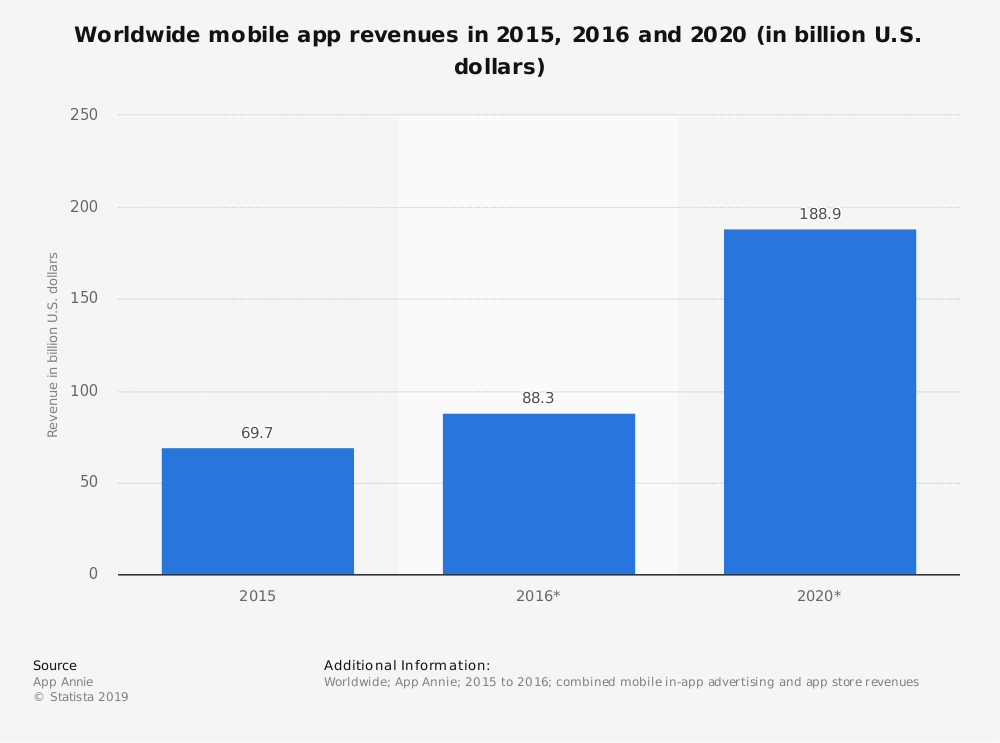
                                                        Source: Statista

The rising use of mobile apps motivated small business owners too to enhance their applications for good sales. Though there are millions of apps listed on the app store, only a few are successful to make space on the smartphones of customers. In this blog, we will take a look at the most successful shopping apps of the eCommerce industry.

Top 10 eCommerce apps of 2019 are as follows:

Amazon:

With 197 million monthly visitors, Amazon tops the list in providing the best shopping experience to their users. It provides you the wide range of products to choose and buy the product.
The light and faster functionality of its mobile app allows you to complete your shopping process in just a few clicks. Secure and multiple payment gateways make it reliable and trustful. Localisation of this app facilitates users to avail offers and discounts too.

Sephora:

Sephora is an international cosmetics brand famous all around the world. It is one of the leading cosmetic company providing a vast variety of luxury cosmetics worldwide.
There are many digital features launched on it’s mobile apps. One of them Augmented Reality feature. The mobile application uses the AR feature known as ‘Sephora Virtual Artist’ which allows users to virtually try on the products before purchase. This helps them to choose the right product and can confidently buy it for themselves.

Lenskart:

Lenskart is one of the leaders in the eye-wear market and also an eCommerce giants company based in India. Leveraged by Augmented Reality Technology, their unique feature is known as ‘3D Try on’ allows users to check how a frame looks on their face by a photo perception before actually making the purchase. Being able to offer this hassle-free way to consumers in the comfort of their home led to massive sales for Lenskart. It is easy to use and has continued to evolve its offering. This feature can be used on both web and app formats.

Walmart:
Walmart is a huge marketplace just like Amazon and provides a great shopping experience to its users. Customers can easily filter and search the products and can also access the local inventory as well.

Its mobile application includes scanning of QR Codes, a voice-search feature for adding the product to shopping lists, real-time price calculations, Easy checkout process and many more.

Nike:

Nike is an international brand for footwear, apparel, equipment, accessories, and services. It delivers innovative products, experiences and services to its valuable customers. Its mobile application was a customer-focused strategy by taking a digital transformation of connecting the physical and digital environments which resulted in massive sales of their products. The bar code scanner facility allows users to easily check the availability of products and allowing to make a reservation for the same.

Customers can also become a member of Nike plus. Nike plus members have the facility to access special Nike products, exclusive offers, and discounts, no delivery charge facility, gain reward points for in-app purchase and redeem them on next purchase and many more.

Nykaa:
Nykaa is an Indian marketplace app for a variety of Indian and international cosmetics. In just a few years, it became popular among customers due to its high discounts and offers on branded cosmetics.

It’s mobile application is just a blessing for all the customers. Its try-it-on feature helps many customers to choose the right product for them without any hassle. The push notification feature does wonders too as it lures the customers by reminding them about all the ongoing deals you shouldn’t miss. Due to it’s secure and multiple payment gateways, it became trustworthy between customers and can go for instant purchases.

H&M:

H&M is one of the leading companies in fashion all over the world. Originated from the USA, it has marked its presence globally. It’s user-friendly and attractively designed mobile application attracts many customers to buy its products and facilitates users by providing many features like sharing of items on social media platforms by bar-code scanning, the push notification feature gives you timely sales alerts, users can also search for the physical stores in the nearby location etc.

Wish:

Wish is an American website and popular for apparels, accessories and electronic gadgets. They usually provide huge discounts and offers to make customers go for instant purchase. It’s user-interface and easy shopping experience makes it popular among customers.

The availability of mobile application in both Android and iOS makes it approachable. Customers can access International brands and can buy or share it among friends. Due to its commendable features, it succeeded in attaining good reviews from the customers and making its position in top 10 eCommerce apps.

Pepperfry:
Pepperfry is a leading online home and lifestyle store, offering a wide range of furniture and home decor products. Headquartered in India, it is the most popular platform among customers for buying furniture online.

Its mobile application is also inspired by the Augmented Reality feature which makes easy for the customers to choose the right product. With the help of this feature home, shoppers can arrange virtual life-size products in their own space so that they can visualise furniture and decor in the real home with a mobile device. This enables customers to purchase the product with full confidence that they will look great and fit in their home space. The easy and hassle-free return policy also makes it convenient for customers to buy products without any worries.

Groupon:

Groupon is an American online marketplace connecting subscribers worldwide with local merchants and offers resources related to travel, goods, and services. It’s popularity in U.S.A makes it one of the most used apps in the USA which makes it attain the position in the top 10 eCommerce apps.

The mobile application feature provides leverages customers with great deals and discounts on the variety of products which compels users to avail them. Promo codes are also provided by this app which users can either redeem or share with their family and friends to avail amazing discounts.

Conclusion:

If you also want your app to get listed in the top 10 eCommerce apps, then start working from today to enhance your eCommerce mobile apps by implementing the latest trend and technology which provides the best features to your customers and very soon you will be getting the desired results.

Haven’t created a mobile app yet for your web-store? Knowband offers Mobile App Builder for various CMS platforms like PrestaShop, Magento, OpenCart, WooCommerce and Magento 2 which provides you an easy way to present your online website in the form of Android and iOS apps. The pre-configured framework helps to complete your work with just a few clicks. With its uncluttered navigation and seamless synchronisation, this app builder is one of the most used app builders for developing a mobile application. In case of any query, contact us via email at support@knowband.com.

Related Articles:

  1. Tips to design beautiful eCommerce Mobile Apps!
  2. 2019 Update: 10 Reasons Why Mobile Apps are Better Than Mobile Websites?
  3. Current Technology Trends for iOS Mobile Apps
  4. eCommerce Mobile Apps: Just a Fad or an unavoidable Trend?
  5. The Mobile App Effect in eCommerce Industry during Holiday Season

9 tips to help you sell more on Walmart Marketplace

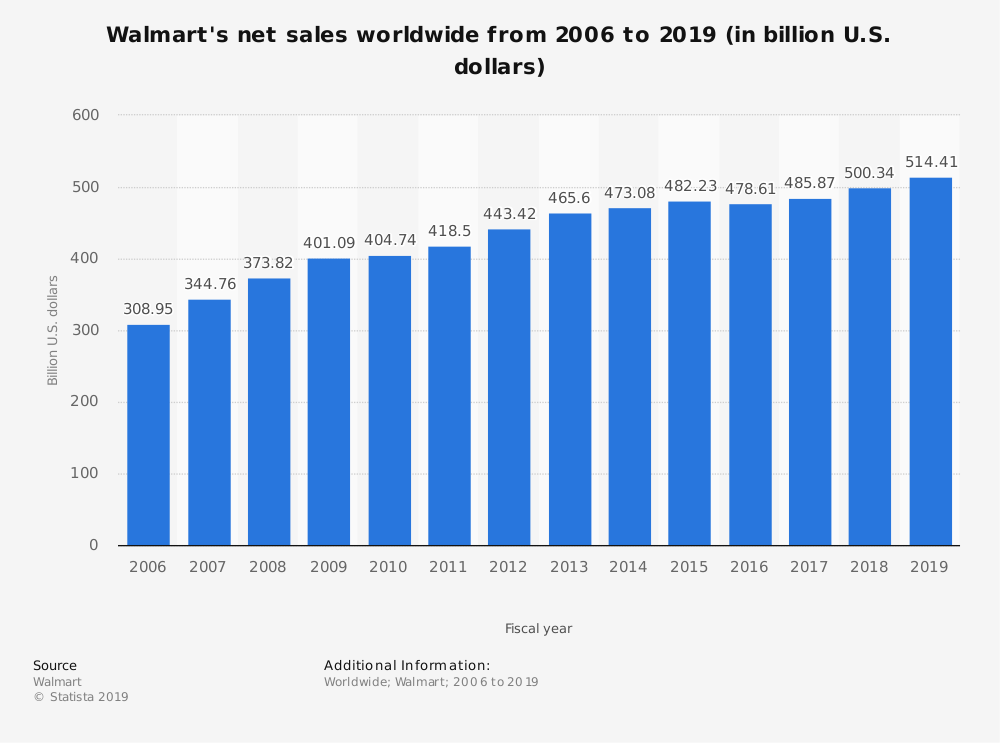
One of the most popular Marketplaces in the world i.e Walmart Marketplace has gained sustainability in its eCommerce business all over the world. Walmart Marketplace provides a platform for many third-party sellers to sell their products and earn a huge chunk of profits. Many third-party sellers have already leveraged the benefits of Marketplace by expanding their reach to millions of customers worldwide. However, this led to an increase in the number of third-party sellers and competition continues to heat up. So, it’s high time for sellers to come up with some new strategies to acquire an extra edge over others.

Source: Statista

So, here are some tips which can help you make more sale and help you earn good profits:

1. Create your own Brand:

Getting a shelf on Walmart Marketplace is not an easy goal to achieve. To become a third party seller on Walmart Marketplace, vendors have to go through the strict policies laid by Walmart for third-party sellers. Walmart Marketplace mainly entertains brand owners rather than re-sellers. This means if you are a brand owner, then there are high chances of your acceptance as a third party seller on Walmart Marketplace.

2. Performance Record:

It’s very important to maintain a good record as a seller before applying to Walmart. Walmart considers those eSellers first who manifest a good track record on other Marketplaces. They verify your review and ratings on your current sales channels. In fact, Walmart itself keeps a seller’s scorecard to rate sellers on Marketplace. So, do keep an eye on your performance and try to improvise it on regular basis.

3. Build a brand image:

Once you are approved as a seller, It’s necessary to maintain a good image in front of Walmart Marketplace. Streamline your operations to avoid out of stock or any other issues related to inventory. These issues downgrade your performance in front of Walmart which could lead to many serious consequences. However, keeping a check manually on these issues is a hassle. Sellers need a trustworthy integration software that provides you seamless integration of your website with Walmart Marketplace. This integration will make your job easier by maintaining your inventories from the back-end itself. It will also help the seller to optimize their presence on Walmart Marketplace.

4. Detailed and Accurate product Description:

Although every customer knows what they are buying but Walmart needs sellers to write product descriptions more accurate and in detail when compared to other Marketplaces. The data provided by sellers should be accurate and should not divert customers from the features of the product. This will compel customers to go for instant purchase and in return, you will get loyal and satisfied customers for your eCommerce business.

Avoid using irrelevant data and keywords as it will frustrate customers resulting in loss of sales. Make sure the information provided by you should be to the point and up to date. Product description should not long so keep a check on the standardized length of the same.

5. Relevant product categories:

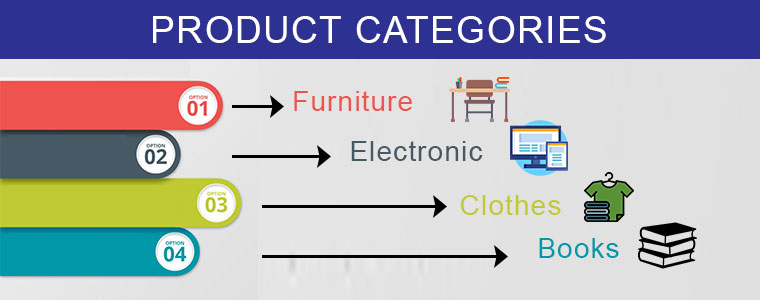
Imagine that customers are unable to find your products and finally settling with the same product sold by your competitor. To ensure the higher sales of your items, make sure that the items listed by you are placed in the right product category with relevant attributes. Choosing the correct product category on a digital shelf directly influences the visibility of your product in between customers and help you gain good profits. Make sure that the ranking of your products on Walmart is high so that they are visible on the top of search results.

6. SKU Caps by Walmart:

Walmart’s SKU (Stock Keeping Unit) for product listing is been set to a favorable limit for third-party sellers. Once you start selling your products on Walmart Marketplace, you will be able to increase the SKU caps according to your sales performance and customer reviews on them. As soon as your sale increases, Walmart will provide you the opportunity to increase your SKU’s and more products from your eCommerce website. So, make sure to list your best selling items and gradually work on building a good reputation as a seller on Walmart Marketplace.

7. List down the products at the lowest price:

Today, consumers can easily access the Internet which let the continuous increase in the number of customers and eCommerce stores, multiple vendors are offering the same quality products at different prices on the same Marketplace. The seller that offers the products at the best or the lowest price attracts customers and compels them to go for instant purchase. Walmart Marketplace mainly focuses to provide the lowest price to its customers and also provides instant visibility to sellers which can help them to win BuyBox too. So, if you want to be a successful seller on the Walmart platform, the low pricing of products should be a priority.

8. Don’t Forget to Apply for Promotions:

Walmart always features promotions that provide “everyday low prices” guarantee. Sellers can take advantage of applying for these promotions and enhance their visibility in front of customers. Walmart takes time to consider your request so keep yourself motivated and wait for their response. The lower the price, the better your chances of having your promotion accepted. So, try to provide the lowest yet best price of your product.

9. Importance of Marketing:

As an eCommerce seller, It’s important to promote your products on the Walmart Marketplace. You can try various marketing strategies like social media strategy, Facebook’s advertising program and many more. These strategies are a great way to popularise your products in between the audience and can turn them into potential customers. You can also try email and content marketing to increase your product’s visibility too. Sellers can personalize their brand by these marketing strategies which can help you sell more on Walmart’s Marketplace.

Over To You:

Getting a shelf on Walmart Marketplace is not a cake walk. Although Walmart invites third-party sellers to its marketplace, there are many vendors who are still dreaming to be one of the sellers on Walmart. However, if your application is accepted you should take advantage of this opportunity. It’s a platform with millions of loyal customers. Building your eCommerce business reputation and presence on such a renowned Marketplace will definitely help you increase your audience base which can turn into loyal customers in the future. So, What are you waiting for, If you haven’t applied to sell on Walmart till now, you should do it as soon as possible.

Sell your products on Walmart Marketplace without any inconvenience. Now, you can easily list your products by integrating with the Walmart marketplace in just a few simple steps. KnowBand offers Walmart integrators to help retailers sell their goods on Walmart Marketplace in a hassle free way. Sellers can easily download and install it on their website without knowing any technical knowledge. Knowband provides integrators for all the major CMS platforms like Prestashop Walmart Integration Addon, Magento Walmart Integrator, Walmart Magento 2 connector, as well as OpenCart Walmart Integration plugin.

Find out some more related articles here:

  1. 5 eCommerce tips and tricks to ensure fast growth
  2. Keys to successfully buy online and pick up in-store
  3. 6 Summer Holiday eCommerce shipping mistakes to avoid
  4. 8 tips to drive more customers on a Marketplace

Steps to use Google Authenticator App for 2 Factor Authentication for GoDaddy

AA free security programme called Google Authenticator helps guard your accounts against password theft. Two-factor authentication, which is available on popular sites including Gmail, Facebook, Twitter, GoDaddy and Instagram, is simple to set up and use.

The app (iOS/Android) generates a random code that is used to verify your identity when you log into various services. The Google Authenticator app offers an additional layer of security over simply sending the code to your phone through text message each time.

Step by Step Guide to Use Google Authenticator app for 2 Factor Authentication for Godaddy:

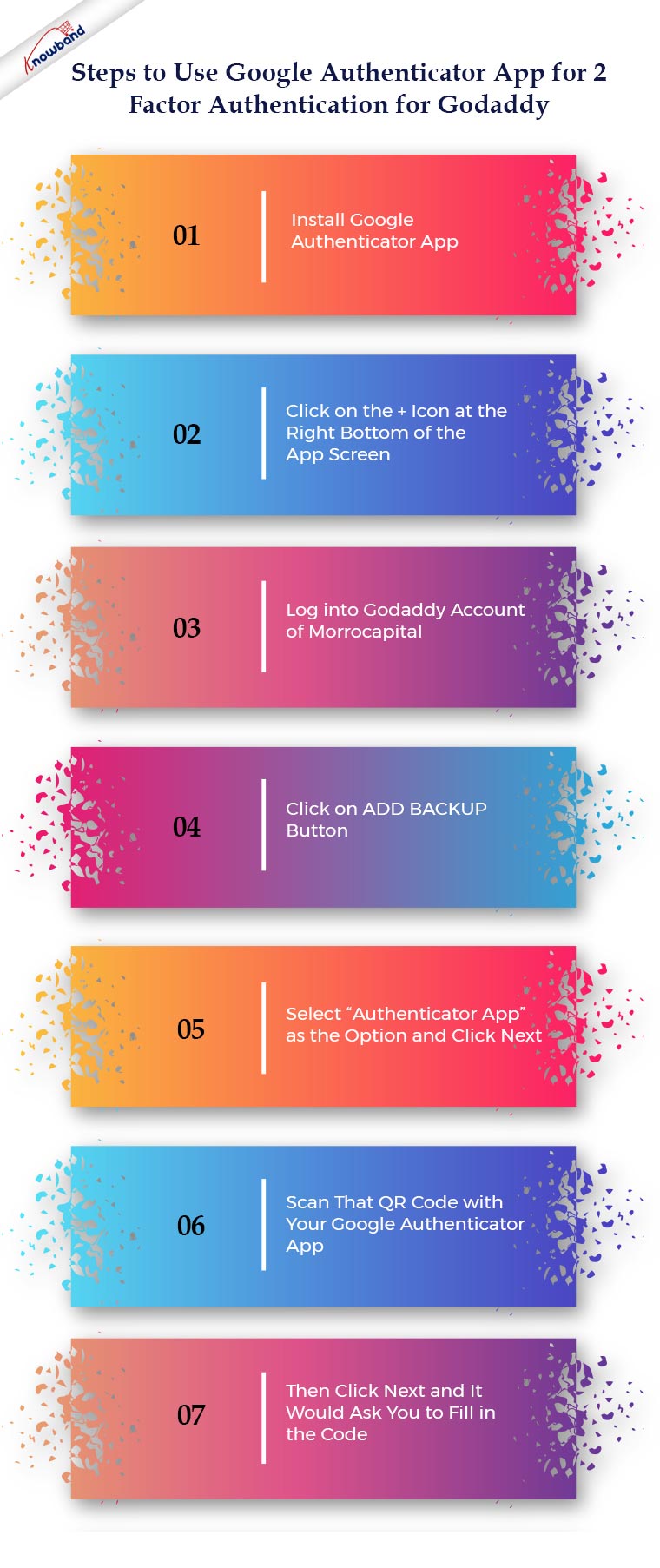
Install the 2-step Google Authenticator App for increased account security.

Recommended Read: How to download your Android/iOS app from the Diawi link?

1. Install Google Authenticator App: https://play.google.com/store/apps/details?id=com.google.android.apps.authenticator

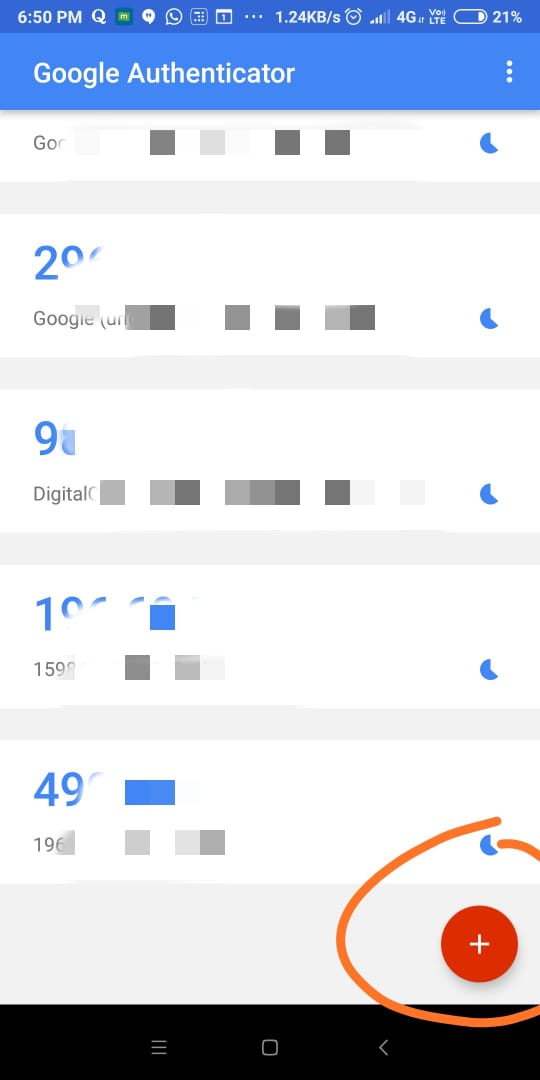
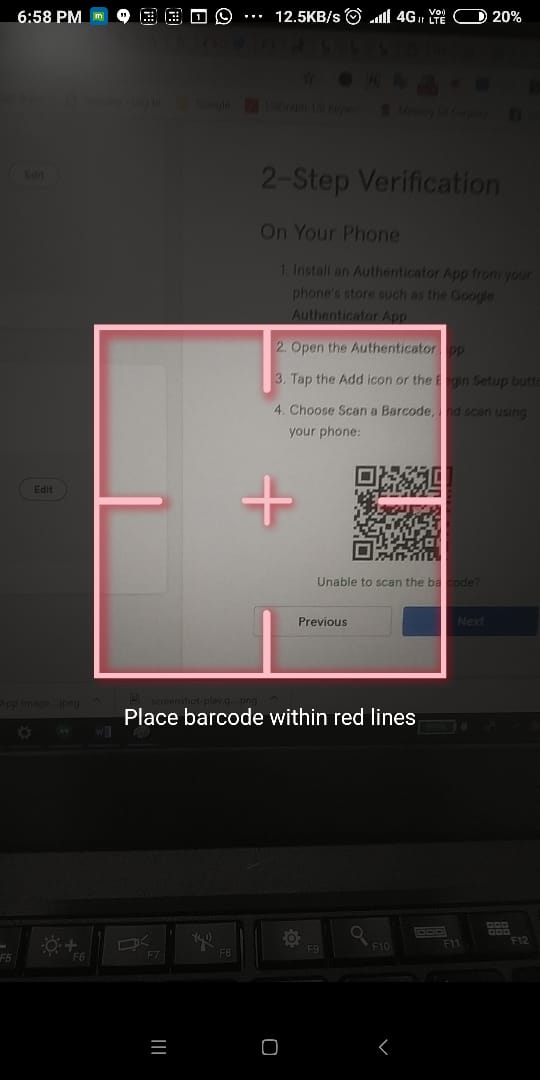
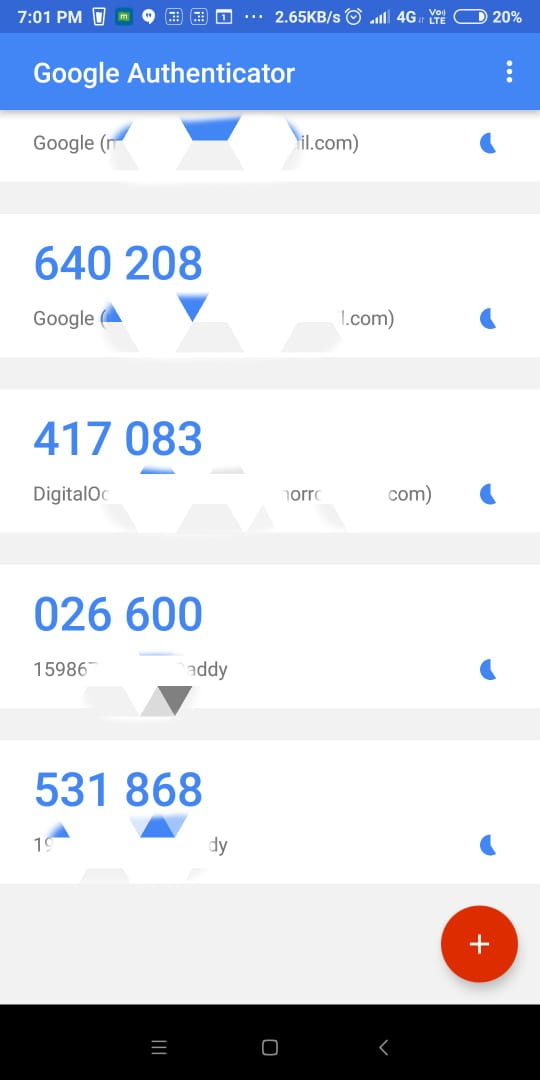
2. Click on the + icon at the right bottom of the app screen. This would give you an option to scan a QR Code.


3. Log in to the Godaddy account of MorroCapital and goto: https://account.godaddy.com/security/

Recommended Read: iOS & PWA: Key Points Everyone Should Know

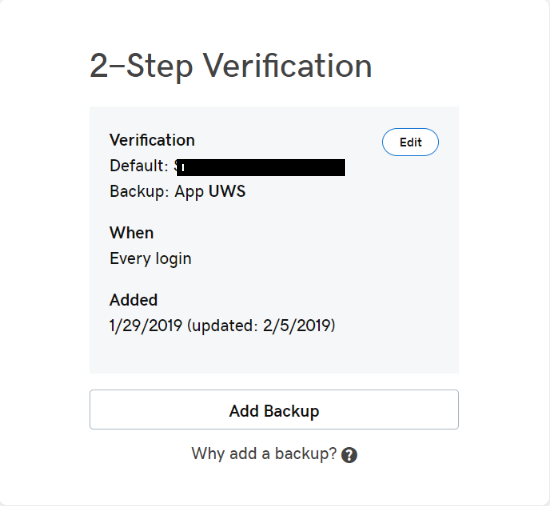
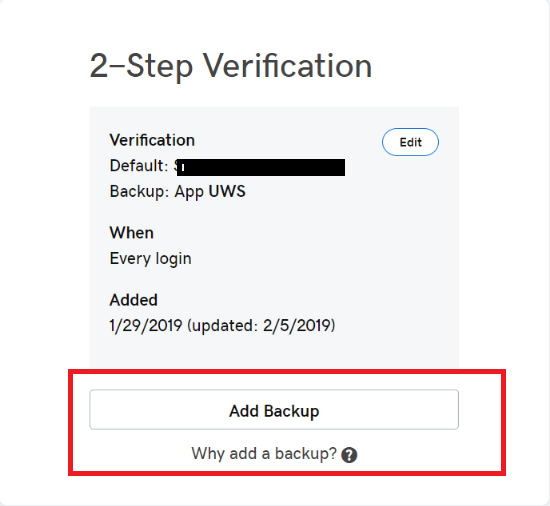
4. On the right bottom part you will see an option to ADD BACKUP. Click it.


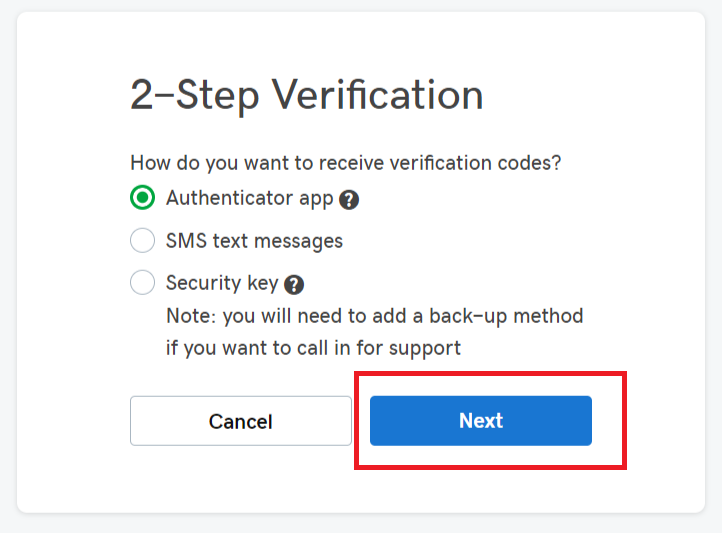
5. It will take you to the next screen where you need to select “Authenticator App” as the option and click NEXT.

6. On the new screen it would show a QR code to you. You need to Scan that QR code with your Google Authenticator app (Step:2)

7. Then Click NEXT and it would ask you to fill in the code. Simply enter the code that is displayed in the Google Authenticator app and click Continue. Additionally, if the code is accurate, the app will be set up and you won’t need to rely just on SMS anymore. Although you can always use SMS as the authentication option while logging into the account.

Recommended Read: 3 Robust Apps Created using KnowBand’s Mobile App Builder Plugin for Poland PrestaShop Stores

In The End:

Passwords may be easy to guess or obtain in other ways. It is uncommon for the hacker to additionally have access to the user’s actual device because the bulk of attacks takes place online.

Knowband, an eCommerce plugin development company, offers the most sophisticated and automated way to expand your online business to mobile platforms. Using the Mobile App Builder, they can turn your complete website into a mobile app with features. Also, it enables the store admin to sell things on mobile devices in addition to the standard website. The app’s features and operation perfectly mirror those of the website and operate on both Android and iPhone devices. To know in detail about the eCommerce mobile app builder, reach out to us at support@Knowband.com

How to sell on Google Shopping?

With the evolution of modern technologies, the trend of online shopping is spreading with a pace and it’s popularity could be witnessed in every corner of the world. As a seller, it is necessary for them to delve into every segment of online trading for a good generation of revenues. The quest to remain ahead in the competition motivates these vendors to come out with some new strategies for good business growth. Selling on an eCommerce platform like Google Shopping provides opportunity even to small business owners and lets them expand their business reach. Before we move further, let’s discuss what exactly is Google Shopping?

Google shopping is one of the best and most popular eCommerce platforms. It provides sellers an opportunity to access millions of customers around the globe. It is the best thought as an alternative marketplace through which shoppers are directed towards your website. Instead of paying a fixed commission, sellers have to pay an upfront fee to Google i.e., Cost Per Click (CPC) bid. The seller can also direct customers to third-party websites like Etsy, eBay, Walmart, Newegg, and others. If your product’s bid is high, then the Google search algorithm finds your listing relevant for a  query given by users and will feature prominently on Google search results.

Becoming a seller on Google shopping is a multifarious entry process. Powered by two different platforms i.e., Google Merchant Center and Google Adwords (formerly Adwords), before selling products on Google shopping, sellers have to activate their accounts on both these platforms. For this, you will be needing a Google login. You can also login by your Gmail account either personal or professional.

Once you have established your account protocols, you can start by optimising your process from the very first step. Sellers must be aware of the Google shopping solutions that allow us to perform various tasks:

  • To filter the products which can be included in Google feeds.
  • Create rules for auto-optimisation of PLAs.
  • Validate feeds before submitting to Google.
  • Can set up import and feed schedules.
  • Create an alert whenever an error is rectified.
  • Can take help from experts of Google feed for fixing errors.

Get started with Google shopping:

Step 1. Feed Set Up on Google Merchant Center:

Mapping of feed and assigning the correct product category for Google Taxonomy could be an intimidating task for sellers. The process of feed mapping can be done manually or by the shopping cart of Google app, but using a trusted Google shopping integration is recommendable.

Documents required for setting up a feed on Google merchant center, Google and Go Data Feed are:

  • Google Product Feed Specifications
  • Google Summary of Attribute Requirements

After successfully completing the steps outlined by your Google Shopping feed, Google will take several days to approve it.

In between this time, sellers need to keep a check on the health of your feed. Keep a check that there are no errors or warnings as they would prevent your products from being listed.

If you have submitted the application manually, then you can monitor your feed status via Merchant Center. If you use GoDataFeed’s Google feeds, the app will automatically monitor your feeds and alert you regarding any issue, but still, it’s a good piece of advice to log in occasionally to assess your feed health by yourself.

Step 2. Launch a Shopping Campaign on Google Ads:

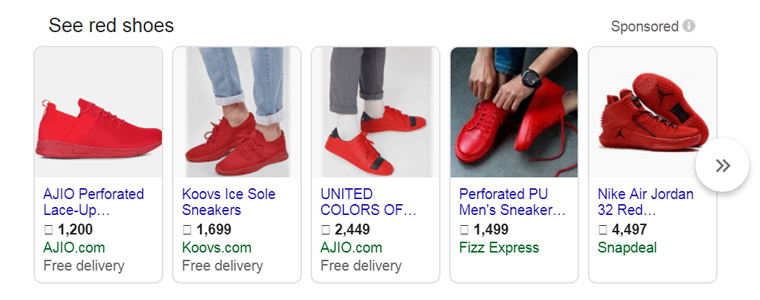
Google Shopping uses Product Listing Ads to launch a shopping campaign. Product Listing Ads do not require keywords but do require a connection to your product feed. While you can create Product Listing Ads in any existing campaign, for maximum control on your ad spend, creating a new campaign for your PLAs is recommendable.

  • Log in to Google Ads. Go to “Campaigns Tab”. This will take you to the “Select campaign settings” page.
  • After choosing campaign settings, you have to fill some relevant information. You can:
  1. Name your campaign.
  2. Select the linked Merchant Center ID under “Merchant identifier.”
  3. Choose your “Country of sale.”
  4. Set the locations you want to target under “Locations.”
  5. Set your “Default bid,” which can be adjusted later for specific product groups.
  6. Set your campaign budget on daily basis.
  7. Add attributes. You can add up to 7 attribute filters.
  8. Promote and prioritise your campaign (if you are working on multiple campaigns).
  9. Try to use the “inventory filter” for specifying products you want to show in in your campaign.
  10. Choose the method of delivery accordingly.
  11. Schedule ads.
  •  After choosing all these options, save the information and head towards the next page i.e., “Create ad groups.”

3. Create Ad Groups:

Ad groups page comes with the responsibility of notifying people about free shipping, site sales and other marketing campaigns through promotional texting.

After successfully creating a new campaign, you have to connect it to your product feed. This could be accomplished in 3 steps:

  • Go to Ad Extensions tab.
  • Then click on the view drop-down menu and select Product Extensions.
  • Next, click on the new Extensions button where and select your feed file. Also, remember to set the daily budget of your campaign.

Arranging your Ad groups just like grouping your products on your website should be given some thought before starting. It is the best way to start with by arranging them both in the same way. Sellers can also break the ad groups into Age, Gender, Category, and Brands.

Unlike traditional ad groups in Adwords, Product Listing Ads do not use keywords, however, there is a need to set maximum CPC (Cost Per Click) bids. Bidding is been done on products and not on keywords, so it’s better to focus on products more than keywords.

Here are the steps involved in creating an Ad Group:

  • Name your ad group.
  • Click on the drop-down menu next to “Subdivide by”.
  • Choose an attribute you wish to divide your products into multiple groups like Google Product Category, Product Type, Custom Label, Item ID, or Brand.
  • Click on Save and continue, soon you’ll be redirected to the “Product groups” page where a list of different groups of products according to the attributes you picked can be seen.

Bids would be suggested by Google based on your history or on bids made by other customers.

Step 4: Target Your Ad Groups:

Once you have created Ad groups, sellers need to inform Google about the products you want to associate with each ad group created by you.

You can perform it in the following steps:

  • Select an ad group and then select the Auto Targets tab.
  • Now, select the “Add new product target”.
  • Once you click on “Add product target” a new box will appear on your screen on which you can assign products to each ad group according to the attributes in the feed chosen by you, including product type, brand, condition, ads labels or ads grouping.

You can filter out up to three of the above attributes and Google will validate the filter. Creating a target for each ad group is a necessity.

5.Create Product Ads:

Building a product ad is a hassle-free feature for Product Listing Ads. There is no need to worry about headlines, ad copy or destination URLs as everything Google needs is in your feed. A product ad totally depends on how you created your ad groups.

You can create a new product ad by:

  • Selecting the Ad tab.
  • Now selecting the ad drop-down menu and select Product listing ad.

6. Add Promotions:

Last but not least, Google will prompt you to add a promotional message of 45 characters. This is a free service provided to add any message for the marketing of your products. You can promote your product by informing customers about your discounts and offers, free shipping or you can also write your company’s tag line etc. Sellers should take advantage of this valuable ad space! Products with promotional messages increase the trust of customers resulting in more leads.

Over to you:

Selling on a Marketplace like Google shopping is an advantageous choice in today’s eCommerce industry. It’s a great platforms for retailers to earn good chunks of profits, but it’s not a magic wand obviously. Even though sellers are getting good results, regular monitoring of your shopping campaign is a must. If you own multiple ad groups, but only a few are getting good conversions, it’ better to raise the CPC on the better converting ad group rather than spending time on the useless one. At last, I would sum up by the thought – “Never Settle and never stop optimising!!”

Dive into Happiness! Now Integrate your eCommerce with Google Shopping in just few clicks. KnowBand offers Google Shopping Integrators for various CMS platforms like Magento, OpenCart and PrestaShop which allows you to present your products among larger audience and encourage the brand awareness as well.

Find out more related articles here:

The Future of eCommerce – Innovation to success

It would be extremely exciting to know what is going to happen in the future, especially when talking eCommerce, as the industry is continuously growing and upgrading and advancement in technology can always be seen resulting into battle between companies to win a greater share of the pie.

Although the future of eCommerce industry is certain but, there are many things which remain constant such as delivery time will be reduced, customer experience will get better, product selection will get even more pronounced. If we see eCommerce by a customer perspective, then how might it look? Would there be any significant change and also if you are a seller what new strategies you should be implementing on your business to stay ahead an extra edge over others.

1. eCommerce Delivery Drones:

Drone Delivery is perhaps one of the most advanced and exciting technology for delivery purposes we have already started seeing today. These drones will allow companies to deliver packages effectively and much more quickly. Drones will be sent directly from warehouse and will travel directly to the delivery address provided by the customers. This will significantly reduce cost and inconvenience of delivery process. Marketplace like Amazon is very close to make this a reality and soon we will be seeing drones flying towards our homes with our much awaited products.

2. Artificial Intelligence:

Although eCommerce is already gaining a significant amount of profits but this technology is the most remarkable in the success of eCommerce industry. AI is basically the machine intelligence which boosts machines to think, respond and perform tasks like human beings. Machines can learn from experience and adjust to new input. The increase in precision accounts for more accuracy and fewer errors or bugs, which means greater work efficiency. It has the ability to analyse the valuable insights more deeply which can increase the capability of various devices with its smart and useful algorithms. It can even create content now.

Artificial intelligence will definitely contribute in the marketing world this year as AI has empowered customer segmentation, re-targeting, push notifications, click tracking and many more features. After successful implementation of these strategies, eCommerce will move into an even higher level of sophistication as this technology improves. The responsibility for the eCommerce businesses is to encourage these processes as soon as possible. Small retailers always follow the major players so the proliferation of AI-driven systems is rapid and this improves the capabilities of the eCommerce industry even further.

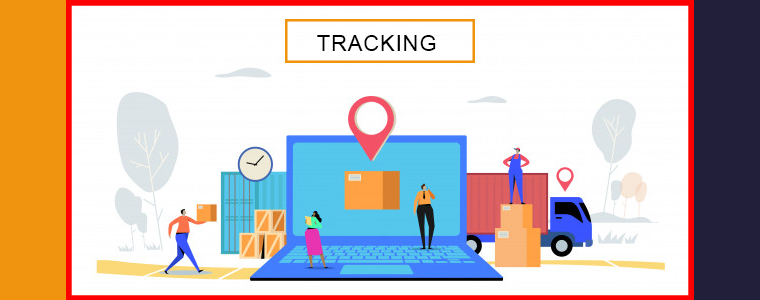
3. eCommerce tracking into retail stores:

As time passes, the difference between eCommerce and physical commerce, will become less as sellers are already hoping towards ways to tie both online tracking and customer information with the real world experience. This allow retailers to customise the shopping experience and can use the existing online data to enhance the relationship between them and consumers in both online and offline mode.

4. Measurement Across All Devices:

As an user, it’s impossible to stick with a single device Not everyone sticks to a single device when buying from you. In fact, many people are always changing either between devices, or from web to mobile apps, before turning into paying customers. The measurement of analytics across different devices is still in its early stages but gradually it has become more significant field of interest in eCommerce.

The tracking of usage across multiple devices become more complex like, the processes of testing, tweaking and optimising the user experience but still it can be set in motion. This will surely open more opportunities for eCommerce retailers, and their offering across platforms.

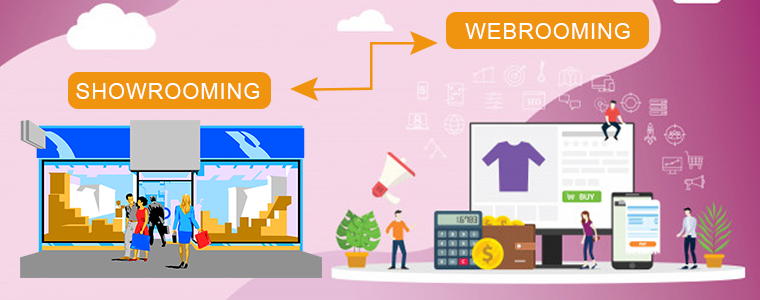
5. Showrooming vs Webrooming:

Customers are already hoping towards new alternative shopping ways to find the best items for themselves. “Show-rooming” and “web-rooming”, is a kind of process in which customers visit a local shop and then buy online for a cheaper price, or vice versa. This advancement is penetrating in the eCommerce industry with a high rate of success.

This is a new challenge faced by many retailers of bridging a gap between online and offline. As a seller, being only online is not sufficient as you would miss out the web-rooming aspect, because there are many sales made in a physical retail environment due to which your business could suffer from losses leading in less revenues.

6. Chatbots – New Virtual Support Service:

Chatbot, also known as conversational agent is a software technology which resemble the real human interaction either in written or spoken way. The advantage of using this technology is that you can handle your customer queries with 24*7 support. This directly saves your time and expenses plus generate some more leads than usual in odd timings too. Although there are high chances customers would likely suspect that they are communicating with robots. This leads to a considerable improvement of this technology otherwise, consumers would have to struggle with it.

7. Augmented Reality:


The idea of using this technology in eCommerce has immensely changed the shape of online retail business as it made convenient for customers to buy the products online with full satisfaction. Just imagine how satisfying it will be that you could virtually try on a dress, feel the fabric and could also know whether it suits you or not as it allows consumers to use their mobile cameras as dressing room mirrors.

Eg. Pepperfry, an Indian leading online home and lifestyle store, uses this feature as home shoppers can arrange virtual life size products in their own space so that they can visualise furniture and decor in the real home with a mobile device. This enable customers to purchase the product with full confidence that they will look great and fit in their home space.

Conclusion:

The future of eCommerce is already here. It has escorted a golden age for consumers by providing more products of better quality in less amount of time and efforts.

The eCommerce revolution is about to take over every country all over the world. It has become necessary for every seller out there to own an eCommerce website to expand their reach over millions of potential customers. This world is full of opportunity to evolve with success coming from all big and small steps alike. The future will exhibit itself it’s success in future. So, it’s time to be prepared and head towards some more new advancements of eCommerce.

Gaining huge profits was not that easy before. Integrate your eCommerce store with the Marketplaces like Etsy, eBay, Walmart and others in just a few simple steps. KnowBand offers Marketplace Integrators for various CMS platforms like PrestaShop, OpenCart, Magento and Shopify which allows you to present your products among larger audience and encourage the brand awareness as well.

How to Launch a Marketplace like Etsy and Ebay?

With an increase in customer’s demand and advancement in technology, Marketplaces like Etsy, eBay, etc have already started gaining popularity. Creating an Online Marketplace like these Marketplaces requires lots of efforts and strategies. The marketplace is one of the most profits generating business. An online merchant can earn a huge profit from the commissions paid by the sellers. The store admin need not invest in inventories of products.

Why should we create an online Marketplace?

The Marketplace is an eCommerce platform where multiple buyers and sellers are connected on a single platform. Multi-vendor store bridges the gap between users and retailers. Multiple retailers integrate to sell their valuable items on the Marketplace. Retailers need to get themselves registered at the Marketplace and be a part of the large shopping organization. The marketplace can help an admin to increase the customer retention rate and earn from listing seller products, seller services, seller commission in addition to its sale.
The demand and reach of the Marketplaces are expanding every millisecond. It’s never too late to build your Marketplace.

What are the benefits of building a Marketplace?

Some of the salient benefits of building a Marketplace are:

  1. Admin can earn from charging the sellers to list their items.
  2. In addition to the seller listing earnings, the Marketplace admin can also charge a commission for every sale.
  3. Enhanced traffic as buyers will get all their favorite brands at a single platform.
  4. Increased customer retention rate as items of various retailers are available in abundance.
  5. Admin need not worry about the inventories anymore and can even earn a huge amount by selling the products of third party vendors.

What is the Prerequisite for creating an online Marketplace?

1. For creating a Marketplace like Etsy, eBay the admin can follow either of the basic approaches:

A) If the merchant is planning to start his business. He can directly build a Marketplace like a website.

Website Script

If the admin is new to the online business, he needs to find a good eCommerce solution. The most preferred eCommerce platform options are:

B) If the admin is having an eCommerce store then there are various Marketplace extensions available in the Market to simply upgrade the store into a fully-featured Marketplace.

2. Merchant Panel:

Progress of a Marketplace mainly depends on its two main stakeholders i.e buyers and retailers. Details of buyers and sellers are very sensitive and need to be secured and protected. A Merchant panel to manage the seller list and listing of products is mandatory for running a Marketplace.

3. Effective Notification system:

A Notification system is required to keep the sellers and customers updated about any change at the Marketplace.

4. Feedback panel:

Review and Rating platform to monitor the customer’s valuable feedback needs to be there. Feedback sent by the customers is important for the growth of the eCommerce store.

5. Seller dashboard:

A dashboard for sellers to manage their product listings is required in a Marketplace.

How to build your Marketplaces like Etsy and eBay?

There is no denial in this fact that Marketplace is a great source of revenue for store owners. But to run a successful multi-vendor store is not a cup of tea for everyone. The total cost of building a fully-fledged Marketplace may vary from place to place. In various places, the cost of building a Multi vendor store is too lengthy and costly but the availability of the Marketplace modules has lessened the pain and it’s now easy and cheap to build a Marketplace like Etsy and eBay. To start building your Marketplace like Etsy and eBay you must keep the two basic pillars of the Marketplace in mind i.e., seller and buyers. A Marketplace can never run without its sellers and customers.

1. Patience and a plan

Patience is the key mantra in the way of your Multi vendor business. Patience is required in the initial stages of setting up the multi-vendor store. Keep your patience with you till both sides’ sellers and customer communities have established. The period required for the establishment is somewhat greater than an inventory based eCommerce startup where we build our supply chain. However, in the marketplace, both the customer and seller communities are required to build which eventually requires more time to run. The multi-vendor store may take a few months to prove their real worth in the meanwhile the admin needs to look for the target area and start focusing on that.

Etsy is one of the examples which started from a niche market (Vintage, handmade products, and books respectively) and later widened its target area. Thus the admin needs to stay focused, steady and patient with its plan.

2. Emphasis on the initial investment

Never rush for the initial investment decision. The online merchant needs to give himself some time to calculate the worth of its own business as everybody is not a Microsoft owner who has no scarcity of dollars. Some businesses show huge success with early big deals but it’s not possible to buy the speed while building a Marketplace. Emphasis on the initial investments would take your business furthermore on the runway.
Plans like big teams and big offices in the early stages of the multi-vendor store launch can be avoided. Initial marketplace investments are mostly required in two functions:

A. Building the marketplace site, and
B. Building the supply chain with the buyers and sellers community.

3. Target on the niche market

Etsy marketplace started as an eCommerce platform for Vintage and handmade crafts and later expanded its target area to other categories. As of now, Etsy even accepts the integration and the merchants can sell their goods on the oldest and successful multi-vendor store from their stand-alone eCommerce sites. Successful business though may provide you with diverse and rich quality stuff in one place but none of them has started from there where they are now. This narrowly targeted approach steadily grew up into a diverse market and the result is a successful online place like Etsy.

Action plans for targeting certain types of product categories and sellers can be adopted to gradually expand outside the niche of the circle.

4. Niche users utilities

From the above point, it’s clear that successful marketplaces are built from a niche to the masses. During the initial period, the emphasis is required to provide better user experiences to the early on-boarders. Before making plans to appeal the masses focus on user engagement for both the early sellers and customers.

Etsy in its budding stages did a superb job as a marketplace for handmade crafts which ultimately led to its expansion to other categories. Thus before focusing on the broader section first make sure the marketplace is doing justice in the narrow section which ultimately will take you to the enhanced section automatically.

5. Build a community with your Niche users

Focus on the utilities of the targeted Niche users and support them from time to time. Various social media platforms are available that can be used to build a community. Online Merchants can approach these platforms to expand their reach and build a healthy community. Like the Meowing tons that focused on the women who like cats and started selling the cat accessories, cat utilities, and cat theme accessories for women. Women Cat lovers shared a major part of the US population and thus it turned out to be a successful startup with more than 500 thousand followers on different social media platforms.

6. Focus on Stats

While building your Multi-vendor business the online merchant needs to have a vision and trust in himself. Having a vision is important to achieve success in the business but blind faith leads often leads to falling. Tracking your progress and reassessing these steps from time to time will enable you to calculate what is working for you and what is not.

If the stats are not in favor, the admin can rethink them and find measures to turn the result in its favor. Moreover, you can’t run a successful marketplace just with your vision, the online merchant needs to stay tuned with the latest stats and facts.

Measures to be taken care of in your online marketplace.

If you have been a vendor ever that experience can help you to get the best from the third-party sellers. Similarly having practical experience as a customer will help you to address the issues faced by the customers on the eCommerce site. For running a successful multi-vendor store equal attention must be paid to both the sellers and customers. Build a personal connection not only with your sellers but also have a strong customer relationship. A strong customer base will help you to approach the sellers for your multi-vendor store, in the same way, a large number of sellers and product variety can compel the visitors to shop from your site. Moreover, advertisements involving celebrities can play a major role in attracting both sellers and end-users.

How to get the customers?

As discussed earlier, some of the strategies the merchant needs to follow to bring the traffic on their site are:
1. Focus on the niche market.
2. Create a strong customer base
3. Take measures for customer retention.
4. Pay attention to the follow-up emails and social media engagements.

How to get the retailers on your site?

Once the Marketplace is established and you are clear about the niche, things will turn to be fruitful in your way. After you have conquered a place in the market, attracting the sellers will be easier.

Finally,

The steps discussed above will guide you in giving a correct start to your business. Building your own Marketplace business is a hard job as compared to a one-sided inventory model, but once the Marketplace is properly established and is going in the planned direction then things would start kicking and would setup your footwell and firm in the Market. Till then stay in touch with the latest trends and techniques to give your business new wings to fly high with both sides being well established.

For any query, feel free to contact support@Knowband.com

Related Stories:

Why Marketplace is in trend?

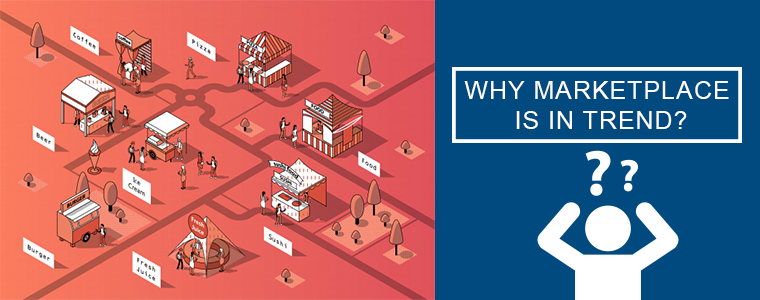
The store owner needs to look for all the available possibilities and benefits offered by them before making any move. It’s not an easy task for the admin to decide where to list the products. Marketplace is the prime options when it comes to online trading.Since the day, Marketplace concept has launched, it has spread a buzz among the eCommerce owners. Multiple benefits accompanied by the Marketplace with itself lure the store owners to switch to Marketplace from a single vendor store. We cannot ignore the growth eCommerce industry has witnessed in the past few years.The growth and success opportunity that Marketplace model can bring with it can’t be ignored. Etsy, eBay etc are the well known example of a successful Marketplace. Online Marketplace helps a vendor to enhance its traffic, earn manifold and take the business to new heights.Marketplace model is being adopted by many countries at present. Main functions carried out by the Marketplace is that it caters the requirements of all the users and will enhance the range of target audience.

What are the components of Marketplace model?

The components of the Marketplace structure that play an important role in success of your business are:

1. Inclusive nature

A marketplace model enables multiple vendors to easy register their store. Sellers need to follow a simple procedure for listing their products at the Marketplace. Many vendors ask for their profile page in the Marketplace. Sellers can add their profile details and manage their products using this profile page interface.

2. Feedback and reviews

In Marketplace, customers need to contact the sellers directly for any feedback and suggestion. Multi vendor Marketplace allows the customers to send their valuable feedback using their account or email id.

3. Easy Search feature

A full featured Marketplace allows the customers to search for the desired products in a hassle free manner. Smooth the search procedure higher will be the chances of conversions.

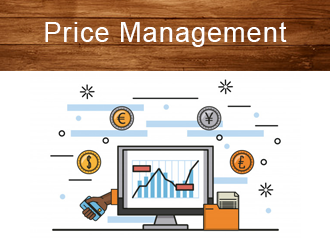
4. Price Management

Marketplace involves large number of sellers to sell their products. Higher is the chance that a particular product will be available at different price at the Marketplace. So a effective Marketplace will assist the sellers in maintaining the product price along with the features. Moreover the Marketplace admin will be generating a high amount of commission by selling the goods of third party vendors.

5. Perfect UX for users

The competition does not only exist between the sellers, but also the marketplace sites compete with each other too. This competition encourages the marketplace sites to offer tempting deals and additional offers. In addition to this, marketplace sites keep experimenting with their UI and UX optimization in order to provide the convenient user experience to the buyer so that they remain stacked to their site only.

How can Multi vendor Marketplace benefits the admin?

Here are some of the factors which will surely help you to understand the importance of Multi vendor Marketplace platforms in detail and will help in deciding the best choice for your business:

1. Expansion in every aspects:

Two important support systems of Marketplace are the sellers and customers. Marketplace floods customers with the items ad services of the multiple retailers at the same platform. Multi-vendor store enhances the range of targeted audience and give a boost to the sales. More the choice of goods offered at the Marketplace better will be the probability of visitors turning into loyal customers.It’s really important to attract visitors towards your product and convert them into potential buyers. Selling through your website provides you the freedom to display products as per your choice but your product reach is confined to limited customers only.

2. Marketplace penetration:

Marketplace helps you to expand your store reach and earn from various regions by providing early shipment to the customers. Sellers of different locations integrate together to sell their items or services at the Marketplace. Services can be provided to the customers in the earliest possible time as sellers can easily satisfy their early shipment needs.

3. Cost Management:

The main benefits offered to the admin by building their Marketplace is that the Marketplace takes away the responsibility of inventory management, product update and SKU up gradation. Expenses required in managing the inventories gets reduced without even disturbing the business.

4. Efficiency:

Unlike the single business unit, Marketplace involves the division of responsibilities and labour. Marketplace provides a smooth and speedy services in an efficient way. With Multivendor Marketplace, packaging and shipment services can be offered to the customers in a speedy way.

5. Customer Satisfaction:

Marketplace provides the customers with wide range of options to choose from. The main intention behind building the multi-vendor store is integrating multiple sellers along with their diverse services under one roof. Providing customers the choice to select from the wide range of the goods and satisfying their needs boosts the conversion rate of the stores.
6. Boost to the economy:

While providing such benefits, the one thing which multi-vendor store model does silently is its contribution to the economy. By bringing various vendors and start up together, it give a boost to the base of economy. Especially in developing countries where a large portion of market is captured by start ups, building a Marketplace will not only boost the sale but will uplift the revenue.

7. Increased Customer Retention:

Marketplace offer goods and services of Multiple vendors to the customers at the same platform. Multi-vendor store allows the admin to identify their customers, build relationships with them and brings new customers with the similar choices and preferences.The customers get a wide range of product to choose form, while the sellers get an access to larger audience range. The e-commerce website on the other hand enjoys various benefits in terms of cost cuts, customer satisfaction, enhanced conversion rate, and commission from the sellers.


8. No pain of Managing pure inventory

Now the firms do not have to necessarily manage their own inventory. The inventory is maintained by the sellers and also the delivery in most of the cases. There are certain sites who operate as the hybrid ones and manage their own inventories too. However, the pure form of the marketplace does not include the inventory management by marketplace firms.

Watch how Marketplace works?


Conclusion:

Store owners are always looking for growth and expansion of their business. The mutual benefits, cost management, enhanced traffic, increased conversion rates and inclusive nature of the model builds a win-win situation for the admin. Various software are available in the market that can build your Marketplace in an hassle free manner. Extensions for building a multi vendor Marketplace are available for PrestaShop, Magento, Magento 2 and OpenCart stores.
There is no doubt that Marketplace can improve the performance and conversion rates for your eCommerce store. But don’t wait for a Miracle to happen to boost the growth of your business instead switch to the Marketplace and be the owner of a Marketplace like Etsy and eBay.

For further information, feel free to contact support@Knowband.com

Related Stories:


Why Marketplace is in trend?

Il proprietario del negozio ha bisogno di cercare tutte le possibilità e i benefici offerti da loro prima di fare qualsiasi mossa. Non è un compito facile per l'amministratore decidere dove elencare i prodotti. Il mercato è la prima opzione per il trading online. Dal giorno, Mercato il concetto è stato lanciato, ha diffuso un ronzio tra i proprietari dell'e-commerce. Numerosi vantaggi, accompagnati dal Marketplace, attirano di per sé i proprietari dei negozi Marketplace da un unico negozio. Non possiamo ignorare la crescita del settore dell'eCommerce negli ultimi anni. La crescita e le opportunità di successo che il modello di mercato può portare con sé non possono essere ignorate. Etsy, eBay ecc sono l'esempio ben noto di un mercato di successo. Il mercato online aiuta un venditore a migliorare il proprio traffico, a guadagnare molteplice ea portare il business a nuovi livelli.Modello di mercato è attualmente adottato da molti paesi. Le funzioni principali svolte dal Marketplace sono che soddisfa i requisiti di tutti gli utenti e migliorerà la gamma di destinatari.

Quali sono i componenti del modello di mercato?

I componenti della struttura del Marketplace che svolgono un ruolo importante nel successo della tua attività sono:

1. Natura inclusiva

Un modello di marketplace consente a più fornitori di registrare facilmente il proprio negozio. I venditori devono seguire una semplice procedura per elencare i loro prodotti sul Marketplace. Molti venditori chiedono la loro pagina del profilo nel Marketplace. I venditori possono aggiungere i dettagli del loro profilo e gestire i loro prodotti utilizzando questa interfaccia della pagina del profilo.

2. Feedback e recensioni

Nel Marketplace, i clienti devono contattare direttamente i venditori per qualsiasi feedback e suggerimento. Il Multi vendor Marketplace consente ai clienti di inviare i loro preziosi feedback usando il proprio account o id di e-mail.

3. Funzione di ricerca facile

Un Marketplace completo consente ai clienti di cercare i prodotti desiderati in modo semplice e senza problemi. Attenuare la procedura di ricerca più in alto sarà la possibilità di conversioni.

4. Gestione dei prezzi

Il mercato coinvolge un gran numero di venditori per vendere i loro prodotti. Più alta è la possibilità che un particolare prodotto sarà disponibile a prezzi diversi sul Marketplace. Quindi un efficace Marketplace aiuterà i venditori a mantenere il prezzo del prodotto insieme alle caratteristiche. Inoltre, l'amministratore del Marketplace genererà un'elevata quantità di commissioni vendendo i beni di fornitori terzi.

5. Perfezionare

Il

In che modo il Multi vendor Marketplace può essere di beneficio per l'amministratore?

Ecco alcuni dei fattori che sicuramente ti aiuteranno a capire l'importanza di Multi vendor Marketplace piattaforme in dettaglio e ti aiuterà a decidere la scelta migliore per la tua attività:

1. Espansione in tutti gli aspetti:

Due importanti sistemi di supporto del Marketplace sono venditori e clienti. Il mercato inonda i clienti con i servizi pubblicitari degli articoli dei vari rivenditori sulla stessa piattaforma. Marketplace migliora la gamma di pubblico mirato e dà una spinta alle vendite. Più la scelta dei beni offerti nel Marketplace sarà migliore la probabilità che i visitatori si trasformino in clienti fedeli. È molto importante attirare i visitatori verso il tuo prodotto e convertirli in potenziali acquirenti. La vendita tramite il tuo sito web ti offre la libertà di visualizzare i prodotti secondo la tua scelta, ma la copertura del tuo prodotto è limitata ai soli clienti limitati.

2. Penetrazione del mercato:

Il marketplace ti aiuta ad espandere la portata del tuo negozio e guadagna da varie regioni fornendo una spedizione anticipata ai clienti. Venditori di sedi diverse si integrano insieme per vendere i loro articoli o servizi nel Marketplace. I servizi possono essere forniti ai clienti nel più breve tempo possibile in quanto i venditori possono facilmente soddisfare le loro esigenze di spedizione anticipata.

3. Gestione dei costi:

I principali vantaggi offerti all'amministratore attraverso la creazione del loro Marketplace è che il Marketplace toglie la responsabilità della gestione dell'inventario, dell'aggiornamento del prodotto e della gradazione SKU. Le spese necessarie per gestire gli inventari si riducono senza disturbare il business.

4. Efficienza:

A differenza della singola unità aziendale, Marketplace comporta la divisione delle responsabilità e del lavoro. Marketplace offre servizi rapidi e veloci in modo efficiente. Con Multi vendor Marketplace, i servizi di imballaggio e spedizione possono essere offerti ai clienti in modo rapido.

5. Soddisfazione del cliente:

Marketplace offre ai clienti un'ampia gamma di opzioni tra cui scegliere. L'intenzione principale alla base della costruzione del Marketplace è l'integrazione di più venditori insieme ai loro diversi servizi sotto lo stesso tetto. Fornire ai clienti la scelta di scegliere tra la vasta gamma di prodotti e soddisfare le loro esigenze aumenta il tasso di conversione dei negozi.

6. Spinta per l'economia:

Fornendo tali vantaggi, l'unica cosa che il modello del mercato fa in silenzio è il suo contributo all'economia. Portando vari venditori e avviando insieme, dà una spinta alla base dell'economia. Soprattutto nei paesi in via di sviluppo in cui gran parte del mercato viene catturata dalle start-up, la costruzione di un Marketplace non solo aumenterà la vendita ma aumenterà le entrate.

7. Aumento della fidelizzazione dei clienti:

Il mercato offre beni e servizi di più fornitori ai clienti sulla stessa piattaforma. Il marketplace consente all'amministratore di identificare il proprio clienti, costruire relazioni con loro e porta nuovi clienti con le scelte e le preferenze simili. I clienti ottengono una vasta gamma di prodotti per scegliere la forma, mentre i venditori ottengono l'accesso a una vasta gamma di pubblico. Il sito di e-commerce d'altra parte gode di vari vantaggi in termini di riduzione dei costi, soddisfazione dei clienti, maggiore tasso di conversione e commissioni dei venditori.

8. Nessun problema di gestione dell'inventario puro

Adesso

Guarda come funziona il Marketplace?

?

Conclusione:

I proprietari dei negozi sono sempre alla ricerca di crescita ed espansione della propria attività. I vantaggi reciproci, la gestione dei costi, il traffico potenziato, l'aumento dei tassi di conversione e la natura inclusiva del modello creano una situazione vantaggiosa per l'amministratore. Sul mercato sono disponibili vari software che possono creare il tuo Marketplace in modo semplice. Sono disponibili estensioni per la creazione di un Marketplace per più venditori PrestaShop, Magento, Magento 2 e OpenCart I negozi. Non c'è dubbio che Marketplace possa migliorare le prestazioni e i tassi di conversione per il tuo negozio eCommerce. Ma non aspettare che un Miracolo avvenga per aumentare la crescita della tua attività, passa invece al Marketplace e diventa il proprietario di un Marketplace come Etsy e eBay. Per ulteriori informazioni, non esitate a contattare support@Knowband.com

Storie correlate:


Dropshipping – Future of eCommerce

eCommerce is one of the biggest industries in the world today. Due to its hassle-free usage, many retailers preferred to go online for any business purposes. However, if you are a start-up business owner, it’s difficult for you to invest a huge amount of revenue in the initial phase. As the latest trends of customers keep changing, keeping a huge stock of products could lead to loss of revenues at a high scale.

The latest trend which has taken over the eCommerce industry is dropshipping. This is the most reliable way to overcome the loss of efforts and revenues. Many store owners converted their business to dropshipping business which helped them to improve their overall business growth.

But before we go in detail, let us know the exact meaning of dropshipping:

Drop Shipping is a retail method in which sellers don’t keep products in stock. Instead, sellers come into a partnership with a supplier that stocks its own inventory. Seller transfers customer orders and shipment details to them, and the suppliers ship the order directly to the customer.

This latest trend is a blessing for small business owners who can’t invest much in the initial stage of their startup. Many people wonder how actually dropshipping could be profitable because there are many ways to dropship. Well, there are some ways that work while some don’t.

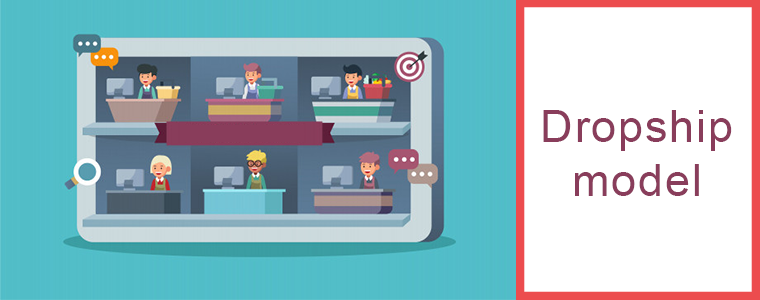
The Dropship Model:

The Dropshipping Model consists of 4 steps:

Step 1: Seller lists the supplier’s products on your store for customers to buy.

Step 2: The customer purchases something from the seller’s eCommerce store.

Step 3: Seller orders that same exact item that the customer paid for from your supplier.

Step 4: Seller drop shipping supplier ships this item directly to your customer. So, the customer receives the item that they’ve ordered from seller’s website.

Customer’s experience is utmost for a successful eCommerce business and for that it’s really important to choose a right supplier who supplies genuine products to otherwise, customers would not be happy by your product and this would lead to the downfall of your website.

Benefits of Dropshipping in Business:

1. Unlimited Inventory:

The first and utmost benefit of dropshipping is having unlimited virtual stock. Without investing a single penny, you own huge stock of products provided by the supplier. This helps retailers and suppliers to combat inventory distortion and save their revenues from investing in inventory.

2. Increase the lifetime value of customers:

You have the ability to add more and new trending products consistently for your customers. It helps you to keep your existing customers engaged on your website as they would be eager to see some new items acquired by you. It also attracts new visitors who can turn into potential customers. This all can be done without doing any advance investments.

3. No Handling Returns:

Another benefit of dropshipping is not handling any return requests. Sellers don’t even have to deal with the email for return request. If a customer returns an item, it is directly shipped back to the supplier, and according to their policy, they will either ship the replaced product or will give a refund for the product to the customers.

4. Minimize Risk:

In dropshipping, there is no need to invest money for acquiring the whole inventory at a time. This strategy helps to save the revenue of seller if their eCommerce business does not pan out due to any reason. The only money a seller will lose will be the money he paid to get his website started.

The seller’s business will resist to loss of revenue if the taste and trend of a customer change because there is no such thing as excess inventory owned by a seller which clearly minimises the risk of loss of revenues.

5. Lowers cost of products:

Sellers can launch new products at low costs because they are free of any pre-advancements and can be sold at their real cost. This strategy attracts more customers and results in high sales.

The rate of damaged goods during shipment becomes considerably lower when using dropshipping because it reduces the number of times that the product has to change hands.

6. Provides Practicality:

In dropshipping business, there is no need for a storage facility or retail location. You can sell your items just by the website only. Dropshipping helps the seller to offer a wider variety of products which were not possible if he had to buy and store all of the items at his physical store. This practically provides sellers to sell more in less revenue. The seller can also sell products which cannot be stored for a long time like perishable products, food items, medicines, etc.

The Downside of Dropshipping:

While there are millions of buyers and sellers who have had positive experiences with drop shipping strategy, even without even realising it. However, sellers don’t actually have the inventory they’re selling on the premises, this can lead to some major drop shipping problems.

Some of them are:

  • Sellers are making sales on a virtual inventory as it is not actually available with them.
  • Delivery times are longer than they would be if the seller had their own inventory and logistics.
  • Customers get interacted with companies from whom they did not purchase directly at the time of return and exchange processes.
  • All of these problems can be avoided by drop shipping sellers that work diligently to provide a great customer experience, but there are huge tendencies that can quickly turn shopper experiences bad if sellers don’t energetically work to prevent them.

And last but not the least, there are many conscientious sellers out there, so be ready to get sloppy or cut corners.

Conclusion:

Although the above-mentioned benefits would motivate you to set up a dropshipping business in this competitive industry, the most important factor for an online business is good sales and traffic on the website. Whether you are going for normal business or a dropshipping business, it’s important to convert your website traffic into profitable leads. Customer experience plays a major role in impacting your website sales. Try to keep a check on the genuinity of the products shipped by your supplier to the customers.

It’s important to sell yourself and your online business to the users with your marketing knowledge and strategies and customer service. But it’s also advisable to follow up regularly after the first conversation.

Integrate your eCommerce store with the Marketplaces like Etsy, eBay, Walmart and others in just a few simple steps. KnowBand offers Marketplace Integrators for various CMS platforms like PrestaShop, OpenCart, Magento and Shopify which allows you to present your products among larger audience and encourage the brand awareness as well.

Find out our more articles here:


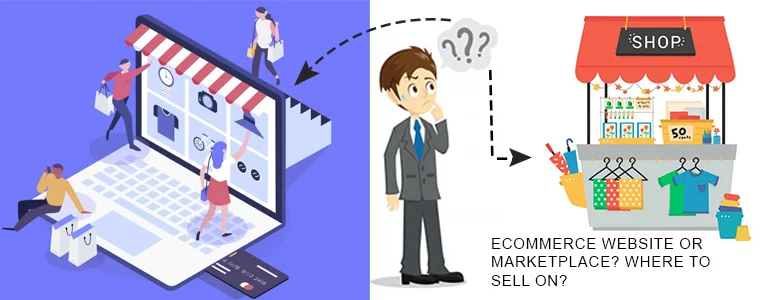
eCommerce Website or Marketplace? Where to sell on?

If you are a newbie in the eCommerce industry, making the choice where to list your products isn’t an easy task. You have to look for all the available possibilities and benefits offered by them before making any move. Online trading basically helps a vendor to reach out among chunk of customers easily and take their business to new heights.E-commerce websites and the marketplaces are the two prime  options  when it comes to online trading. Both of them are followed with their own pros and cons.

Marketplace Vs eCommerce Websites

First of all, lets narrow down how these two exactly differ from each other. Marketplace is a third party website which provides a
platform to many third party retailers to sell their products online. Example: Amazon, eBay, Flipkart, Etsy etc. The vendors can join the marketplace and start selling their products online. On the other hand eCommerce website is an independently owned  store of a seller
where customers can buy products of a particular brand directly from its native website. These websites are self owned by the merchants and can be easily built using various eCommerce platforms like Shopify, PrestaShop, Magento, WooCommerce etc.

Both of these options comes with advantages and disadvantages and this is what makes difficult for a seller to make the right choice. Here are some of the factors which will surely help you to understand the difference between both the platforms in detail and help them in deciding the best choice for their business:

1. Building Brand Image:

There’s no doubt in saying that creating your own website gives you full control on your brand’s image. You can easily present your product according to your own choice without any hassle. But, anyone who is a seller on marketplace would have the limited options therefore, he/she will be unable to affect the brand in any way possible. The presentation factors like layout, font, colour etc are standardised by the marketplace due to which often it happens that the product pages are not appealing and attractive for the users. Marketplaces also forbid sellers for mentioning their company name in any way. That is a loss too.

Creating a great brand image is immensely important when it comes to sell online. No matter on which platform you are using for the same. Having your own website provides you the authority to create a product page on your own choice. It lets you create the experience you want for your customers. You can also encourage your brand personality by reflecting your professionalism in your website design.

2. Traffic and Leads:

Building your brand image is not just enough in an online business. Making good sales is crucially important as well.
If you are an eCommerce store owner, you can implement various strategies and tactics to promote your brand name. Right from optimising your website rank till creating a social networking campaign, you can go for anything which suits you. However, there is a possibility that all these strategies can take a lot of time and efforts with no assurity of successful results.

On the other hand Marketplaces are well-established and highly trusted website than self-owned web-stores. Selling on a Marketplace could be an advantage for this factor as it’s easy for customers to reach out your products. According to statista.com, 197 million users visited Amazon’s websites per month. The huge popularity of Marketplace for online shopping automatically provides you the accessibility to million of customers  without spending any money on marketing.

3. Effortless start:

Seller need not to worry about the features like domain name, hosting name etc. All these features and mechanism are already well established in the Marketplace. Moreover sellers need not to look for the marketing platforms in order to promote their products.

4. Customer Experience:

If your product has been purchased on a Marketplace, the customer experience is totally associated with Marketplace and not with the seller. Although the product belongs to the seller but, still the user-experience belongs to the Marketplace.

If you are an eCommerce site owner then the customer experience with the product directly belongs to your website. Seller has the full authority to control and customise all the factors associated with the product review and enhance the user shopping experience. But, they need to do it on their own.

5. Expand your Reach:

It’s really important to attract visitors towards your product and convert them into potential buyers. Selling through your website provides you the freedom to display products as per your choice but the your product reach is confined to limited customers only. Sellers would be missing out millions of leads across border which clearly results in limited sales.

Whereas, Marketplace helps you to expand your business worldwide with minimal efforts. Seller is able to access millions of customers globally without making any advanced investments. You can even make a good cross border sales and boost up their overall business growth too.

6. Wide payment options:

Wide payment methods offered by the Marketplace offers an hassle free checkout experience to the customers. Payment options often influences the shopping decision of the customers. Availability of Multiple payment methods tempts the sellers to get enrolled in the Marketplace.

Conclusion:

Well, it’s good for a seller to own an eComemrce website but selling through marketplace won’t hurt your sales either. Many online merchants sell on both marketplaces and their own website to expand customer reach and brand recognition. However, the best place to sell online totally depends on the product type and category of your store. So, regardless of the platform you choose to sell on, it’s important to be aware about the latest trend going on in the eCommerce industry and implement it for massive sales and growth of your business.

Now you can easily list down your products on marketplaces like Etsy, eBay, Walmart and others in just a few simple steps. KnowBand offers Marketplace Integrators for various CMS platforms like PrestaShop, OpenCart, Magento and Shopify which allows you to present your products among larger audience and encourage the brand recognition as well.

As today’s generation rely on their handheld devices for any online purpose. It’s really important for a vendor to reach the customer’s devices to ensure higher sales and growth. Knowband offers Advanced Magento Marketplace mobile Extension to build a fully-functional marketplace and a mobile app at same time for your store.

Find out our more articles here:

Why you should start selling on a Marketplace?
Why you should integrate your eCommerce store with a Marketplace?