5 Möglichkeiten, Verkäufer auf Ihrem Online-Multi-Anbieter-Marktplatz zu gewinnen

Der virtuelle Multi-Vendor-Marktplatz ist einer der prominentesten Trends der E-Commerce-Branche. Die einfache Erweiterung des Inventars und der Produktpalette macht es zu einem unvermeidlichen Upgrade für die E-Commerce-Websites. Während die Komplexität bei der Durchführung von Codeänderungen und der Verwaltung des Marktplatzes die Ladenbesitzer seit langem einschüchtert, jedoch nicht mehr Multi-Vendor-Marktplatz-Erweiterung ist eine praktische Lösung, die Ihren eCommerce-Shop in eine Online-Marktplatzplattform für mehrere Anbieter verwandelt. Prestashop Marktplatz Addon, Magento Multi-Vendor-Marktplatz-Erweiterung, Magento 2 Marketplace-Modul und OpenCart Multi-Seller Marktplatz-Plugin sind solche Erweiterungen, mit denen die auf den jeweiligen Plattformen basierenden Online-Websites mit einem einzigen Anbieter leicht in einen Marktplatz mit mehreren Anbietern umgewandelt werden können. Auch wenn dieser Marktplatz eine mühelose Plattform ist, um das breitere Publikum zu erreichen, ist es immer noch eine Aufgabe, den Verkäufer davon zu überzeugen, sich ihnen zu widmen. Genauso wie es schwierig war, die Endbenutzer zu überzeugen, in den Online-Shops anstelle der Einkaufszentren einzukaufen, ist es anstrengend, die Anbieter davon zu überzeugen, ihre Produkte auf dem Markt zu verkaufen. Haben Sie das gleiche Problem? Um die Verkäufer zu ermutigen, ein Shop-Konto bei Ihrem Marktplatz zu registrieren. Schau sie dir an.

1. Vermarkten Sie Ihren Multi-Anbieter

Marketing ist das Sprungbrett für die gesamte Geschäftsstruktur. Ob es darum geht, den Endanwender oder die Anbieter selbst zu gewinnen, nichts als eine kluge Marketingstrategie ist die Grundlage für die Säule der Zukunft. Im Folgenden finden Sie einige Möglichkeiten, Ihre Geschäftsidee angemessen zu vermarkten.

  • Nutzen Sie die Werbeplattform effizient

Während das Internet und die Social-Media-Plattform ein praktischer Weg ist, um ein größeres Publikum auf einmal zu erreichen, ist Offline-Marketing ein Muss, wenn es darum geht, die Verkäufer anzuziehen. Zusammen mit den Horten und TV-Spots müssen Sie die Verkäufer persönlich besuchen. Es gibt viele Verkäufer, die technisch vielleicht nicht so gut sind, aber Ihrem Geschäft viel Wert hinzufügen können.

  • Richtige Platzierung

Strategische Platzierung der Anzeigen und Banner ist ein Muss. Die Lieferwagen von Logistikdienstleistungen sind einer der besten Orte, um Ihre Kampagne zu starten. Platzieren Sie die Tafeln in den Großmärkten, verteilen Sie Flugblätter auf Messen und platzieren Sie sie dort, wo sie auf Sie aufmerksam werden.

  • Richten Sie das richtige Publikum an

Unabhängig von der Zielgruppe ist die Social-Media-Plattform der effektivste Ort, um wahrgenommen zu werden. Erstellen Sie ein Konto in sozialen Netzwerken, wo Sie Ihre Zielnische erwarten. Erstellen Sie Online-Buzz mit Affiliate-Marketing.

  • Nutzen Sie den Social-Media-Kanal

Treten Sie Gruppen und Communities von Händlern über verschiedene Social-Media-Kanäle bei. Dies wird Ihnen helfen, direkt mit ihnen zu verbinden. Teilen Sie Informationen auf diesen Plattformen und halten Sie die Händler über den neuesten Fortschritt auf dem Laufenden.

2. Erleichtern Sie die Transaktion
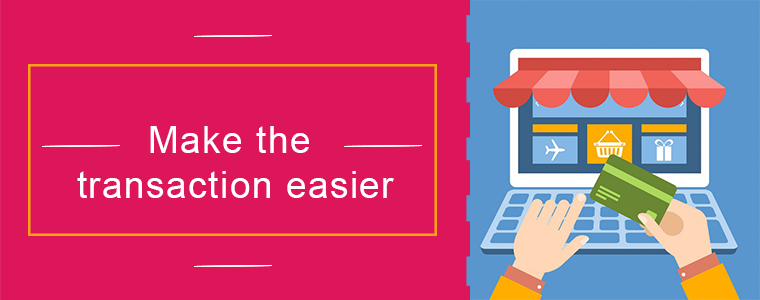
Der Mangel an technischem Wissen ist die größte Abkehr für Händler auf dem Markt. Sie müssen ihnen also beibringen, dass die gesamte Idee des Marktplatzes darin besteht, die Dinge für sie einfacher zu machen und gleichzeitig einen größeren Kundenkreis zu gewinnen. Die Benutzermodule und Trainingseinheiten können ihnen helfen, eine Vorstellung davon zu bekommen, wie die gesamte Unternehmensstruktur funktioniert. Der Prestashop-Marktplatz ist eine solche Plattform, die für die Anbieter von Vorteil sein kann. Die unbegrenzten Funktionen für den Marktplatz können den Verkäufern das Gefühl geben, dass sie ihre eigene Website verwenden. Einfache Bestandsverwaltung, Zahlungsoptionen und Auftragsverwaltung können den gesamten Geschäftsvorgang für die Verkäufer reibungslos abwickeln. Optimieren Sie Ihren Marktplatz entsprechend dem Bedarf der Anbieter und überzeugen Sie die Anbieter werden einfacher.

3. Machen Sie sich mit der Kommissionsstruktur vertraut

Die Kommission und die Zahlungsstruktur ist ein weiteres großes Anliegen der Anbieter. Machen Sie die Provisionen, die den Verkäufern zugewiesen werden. Ob Sie die Provision nach der Kategorie oder dem Produkt oder der Menge strukturieren. Alles sollte erklärt werden. Installieren Sie die Module in Ihrem Marktplatz, die automatisch die Kosten und den ROI senken. Es sollte am Zahlungsgateway selbst zugewiesen werden. Jede Verzögerung kann die Verkäufer in Verdacht setzen. Allgemeine verfolgte Strategie ist die Zahlung am Ende jeder Woche. Dies hält die Bücher sauber und die Liquidität wird von den Verkäufern aufrechterhalten.

4. Helfen Sie ihnen, das Inventar zu verwalten
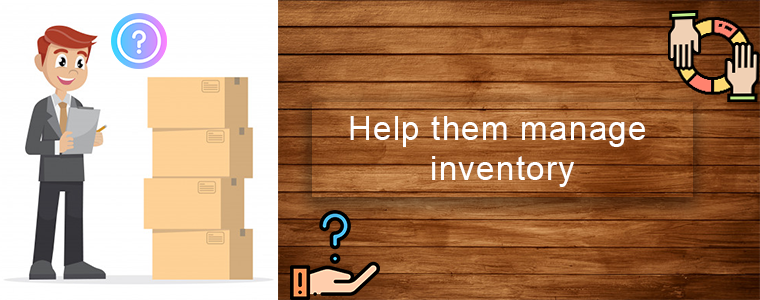
Die größte Herausforderung für alle Online-Händler ist die Bestandsverwaltung. Dies ist ein weiterer Grund, der sie zögern lässt, in den Multi-Vendor-Markt einzusteigen. Prestashop Marktplatz CSV Import / Export Addon ist ein solches Modul, mit dem Sie die Produkte und ihre Kombinationen über CSV importieren können. Dadurch wird es für die Anbieter einfacher, Daten einzugeben und die Produkte im Auge zu behalten. Darüber hinaus können die Besitzer des Prestashop-Ladens das Niedrigbestandproblem mit Hilfe von Prestashop Marketplace Warnsignal Addon. Sie verfolgt den Bestand der Verkäufer und gibt eine Warnmeldung aus, wenn der Bestand unter einem bestimmten Limit liegt.

5. Optimiere den Marktplatz mit Plugins
Selbst wenn der Marktplatz einfach zu handhaben ist und keine technische Überwachung erfordert, gibt es immer noch viele Faktoren, die die Anbieter nicht überzeugen können. Sprachbarrieren, Währungsumrechnungen, Rechnungsgenerationen und Kundensupport sind einige dieser Probleme. Überzeugen Sie sie von den Veränderungen, die das Marktumfeld bewirken kann Plugins und Erweiterungen installieren. Mit Prestashop Deal Manager, Low Stock Manager und anderen derartigen Addons können Sie Ihre Marktplatz-Integration entsprechend optimieren und anpassen. Finden Sie die Schlupflöcher und die Schmerzpunkte Ihrer Verkäufer heraus und Aktualisieren Sie den Marktplatz.

6.Informative Blogs

Gefühl Multi-Anbieter Von Knowband entwickelte Features bieten eine Reihe weiterer Funktionen, die es dem Shopadministrator noch einfacher machen, sich in das Multi-Vendor-Szenario einzufügen.

Einige der Admin-Funktionen werden im Folgenden beschrieben:

  • Die Multi-Vendor-Marktplatz-Erweiterung ermöglicht die Multi-Vendor-Funktion in Ihrem eCommerce. Das Store-Upgrade wird durchgeführt, ohne Codeänderungen vorzunehmen.
  • Sie automatisiert den gesamten Prozess der Filialverfolgung und -verwaltung.
  • Der Administrator kann das Profil des Verkäufers genehmigen / ablehnen, wenn er vom Back-End möchte.
  • Das Multi-Vendor-Marktplatzmodul für Magento, Prestashop, Magneto 2 und OpenCart ermöglicht es dem Administrator sogar, die Produkte / Kategorien zu verfolgen, hinzuzufügen oder von der Website zu entfernen.
  • Das Plugin ermöglicht es dem Store-Administrator, die globale / individuelle Position festzulegen
  • Der Administrator kann sogar die Leistung der einzelnen Verkäufer einsehen und sogar die Transaktion des Marktplatzes verfolgen.
  • Der Administrator kann per E-Mail Benachrichtigungen an die Verkäufer senden
  • Die Verkäufer erhalten ein separates Dashboard, um den Überblick über ihre Produkte und Verkäufe zu behalten.
  • Sie können die Bestellungen einsehen und über ihr Dashboard verwalten.

Fazit

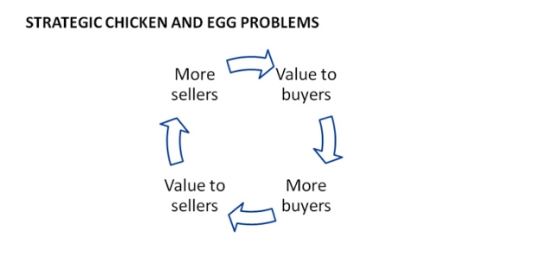
Die verschiedenen Tipps und Techniken, die in diesem Beitrag besprochen werden, sind nur der erste Schritt, um Ihr Geschäftsmodell voranzubringen. Der Prozess, die Anbieter zu überzeugen, ist jedoch ein fortlaufender Prozess und sollte entsprechend den Bedürfnissen und Anforderungen improvisiert werden. Der Prominente Henne-Ei-Problem der Marktplätze ist etwas, über das du nachdenken musst. Also, erstellen Sie gut recherchierte Marketing-Strategien, die sowohl die Kunden als auch die

Bei Fragen wenden Sie sich bitte an support@Knowband.com

Ähnliche Beiträge:


5 Modi per attirare i venditori sul tuo marketplace online multiplo

Il mercato virtuale multi-vendor è uno dei le tendenze più importanti del settore dell'e-commerce. La facilità di espansione dell'inventario e della gamma di prodotti lo rende un aggiornamento inevitabile per i siti di e-commerce. Mentre la complessità nel rendere il codice cambia e la gestione del mercato hanno intimidito i proprietari dei negozi per molto tempo, ma non più Estensione del Marketplace multi-vendor è una soluzione a portata di mano che converte il tuo negozio eCommerce in un sito di marketplace online multi-vendor. Addon del market di Prestashop, Ampliamento del marketplace multi-fornitore Magento, Modulo Magento 2 Marketplace e OpenCart multi marketplace plugin per venditori sono tali estensioni che possono facilmente convertire i siti single-vendor online basati sulle rispettive piattaforme in un mercato multi-vendor. Anche se questo marketplace è una piattaforma senza sforzo per raggiungere la più ampia gamma di pubblico, convincere il venditore a concedersi a loro è ancora un compito. Proprio come è stato difficile convincere gli utenti finali a fare acquisti dai negozi online invece che dai centri commerciali, convincere i venditori a vendere i loro prodotti sul mercato è faticoso. Stai affrontando lo stesso problema? Qui abbiamo elencato alcuni dei modi per incoraggiare i venditori a registrare un account di negozio nel tuo marketplace. Dategli un'occhiata

1. Commercializza il tuo multi-vendor

Il marketing è il trampolino di lancio di tutta la struttura aziendale. Se l'idea è di attirare l'utente finale o i venditori stessi, nient'altro che una strategia di marketing intelligente è la base del pilastro per il futuro. Di seguito sono elencati alcuni dei modi per commercializzare la tua idea di business in modo appropriato.

  • Usa la piattaforma pubblicitaria in modo efficiente

Mentre Internet e la piattaforma di social media sono un modo pratico per raggiungere un pubblico più ampio in una volta sola, il marketing offline è un must quando si tratta di attrarre i venditori. Insieme ai cartelloni pubblicitari e agli annunci TV, devi visitare i venditori di persona. Ci sono molti venditori che potrebbero non essere tecnicamente validi, ma possono aggiungere molto valore alla tua attività.

  • Posizionamento corretto

Il posizionamento strategico degli annunci e del banner è un must. I camion di consegna dei servizi logistici sono uno dei posti migliori per iniziare la tua campagna. Posiziona i cartelli nei mercati all'ingrosso, distribuisci opuscoli nelle fiere e posizionali dove si trovano nelle notifiche dei commercianti.

  • Scegli il pubblico giusto

Indipendentemente dal target di riferimento, la piattaforma di social media è il luogo più efficace per farsi notare. Crea un account sui social network dove ti aspetti di trovare la tua nicchia di destinazione. Crea un ronzio online con il marketing affiliato.

  • Usa il canale dei social media

Unisciti a gruppi e community di commercianti attraverso diversi canali di social media. Questo ti aiuterà a connetterti direttamente con loro. Condividi le informazioni su queste piattaforme e mantieni aggiornati i commercianti sull'ultima progressione.

2. Semplifica la transazione

La mancanza di conoscenza tecnica è il più grande spunto per i commercianti sul mercato. Quindi, è necessario istruirli sul fatto che l'intera idea del mercato è quella di rendere le cose più semplici per loro mentre attira una clientela più ampia. I moduli utente e le sessioni di formazione possono aiutarli a farsi un'idea di come funziona l'intera struttura aziendale. Il mercato di Prestashop è una di queste piattaforme che potrebbe rivelarsi vantaggiosa per i venditori. Le funzionalità illimitate per Marketplace possono far sentire i venditori come se stessero utilizzando il proprio sito web. La facile gestione dell'inventario, le opzioni di pagamento e la gestione degli ordini possono semplificare l'intera transazione commerciale per i venditori. Ottimizza il tuo mercato in base alle necessità dei venditori e convincere i venditori a diventare più semplice.

3. Sii chiaro sulla struttura della commissione

La commissione e la struttura di pagamento sono un'altra grande preoccupazione dei venditori. Fai le commissioni che i venditori saranno assegnati. Sia che si strutturi la commissione secondo la categoria o il prodotto o la quantità. Tutto dovrebbe essere spiegato. Installa i moduli nel tuo marketplace che analizzano automaticamente il costo e il ROI. Dovrebbe essere assegnato al gateway di pagamento stesso. Qualsiasi ritardo in questo può lasciare sospetti i venditori. La strategia generale seguita è il pagamento alla fine di ogni settimana. Ciò mantiene i libri puliti e la liquidità mantenuta alla fine dei venditori.

4. Aiutali a gestire l'inventario

La gestione dell'inventario è il più grande diavolo per tutti i commercianti online. Questo è un altro motivo che li rende titubanti nell'affrontare il mercato multi-vendor. Addon di importazione / esportazione CSV di Prestashop Marketplace è uno di questi moduli che può aiutare a importare i prodotti e le relative combinazioni tramite CSV. Pertanto, diventa più facile per i venditori inserire dati e tenere traccia dei prodotti. Oltre a questo i proprietari dei negozi Prestashop possono gestire il problema del basso stock con l'aiuto di Addon di avviso stock basso di Prestashop Marketplace. Mantiene una traccia dell'inventario dei venditori e fornisce un messaggio di avviso quando lo stock è inferiore a un certo limite.

5. Ottimizza il mercato con i plugin

Anche se il mercato è facile da gestire e non richiede alcuna supervisione tecnica, ci sono ancora molti fattori che potrebbero non convincere i venditori. Le barriere linguistiche, le conversioni valutarie, le generazioni di fatture e il supporto clienti sono alcuni di questi problemi. Convinci dei cambiamenti che l'essere nel mercato può portare al loro scenario aziendale globale entro il installazione di plugin ed estensioni. Prestashop deal manager, Low stock manager e altri addons simili possono aiutarti a ottimizzare e personalizzare l'integrazione del tuo marketplace di conseguenza. Scopri le lacune e i punti deboli dei tuoi fornitori e aggiornare il mercato.

6. Blog informativi

Sentire venditore multiplo sviluppato da Knowband offre molte altre funzionalità che lo rendono ancora più semplice per l'amministratore del negozio che approfondisce lo scenario multi-vendor.

Alcune delle funzioni di amministrazione sono discusse di seguito:

  • L'estensione multi-vendor marketplace abilita la funzionalità multi-vendor nel tuo eCommerce. L'aggiornamento del negozio viene eseguito senza apportare effettivamente modifiche al codice.
  • L'automatizza l'intero processo di tracciamento e gestione del negozio.
  • L'amministratore può approvare / disapprovare il profilo del venditore se lo desidera dal back-end.
  • Il modulo multi-market marketplace per Magento, Prestashop, Magneto 2 e OpenCart consente anche all'amministratore di tracciare, aggiungere o rimuovere prodotti / categorie dal sito.
  • Il plugin consente all'amministratore del negozio di correggere il globale / individuale
  • L'amministratore può persino visualizzare le prestazioni dei singoli venditori e persino monitorare la transazione del mercato.
  • L'amministratore può inviare notifiche via email ai venditori tramite
  • I venditori ricevono una dashboard separata per tenere traccia dei loro prodotti e delle vendite.
  • Possono visualizzare gli ordini e gestirli dalla loro dashboard.

Conclusione

I vari consigli e le tecniche discusse in questo post sono solo il primo passo per portare avanti il ​​tuo modello di business. Tuttavia, il processo di convincere i venditori è un processo continuo e dovrebbe essere improvvisato in base alle esigenze e ai requisiti. Il prominente problema di pollo e uova dei mercati è qualcosa su cui devi riflettere. Quindi, creare strategie di marketing ben studiate che coinvolgono sia i clienti che i

Per qualsiasi domanda, non esitate a contattare support@Knowband.com

Storie correlate:


5 sposoby na przyciągnięcie sprzedawców na rynku online dla wielu dostawców

Wirtualny rynek wielu dostawców jest jednym z takich najważniejsze trendy w branży eCommerce. Łatwość rozbudowy zapasów i asortymentu sprawia, że ​​jest to nieuniknione ulepszenie witryn e-commerce. O ile złożoność wprowadzania zmian w kodzie i zarządzania rynkiem zastrasza właścicieli sklepów na długo, ale już nie. Rozszerzenie Marketplace dla wielu sprzedawców to poręczne rozwiązanie, które przekształca Twój sklep eCommerce w internetową witrynę dla wielu sprzedawców. Prestashop marketplace addon, Rozszerzenie market marketu Magento, Moduł Magento 2 Marketplace i Wtyczka Open Market dla wielu sprzedawców są to takie rozszerzenia, które mogą łatwo przekształcić internetowe witryny jednego dostawcy oparte na odpowiednich platformach w rynek wielu dostawców. Mimo że ten rynek jest platformą bez wysiłku, aby dotrzeć do szerszego grona odbiorców, przekonanie sprzedającego, by oddawał się im, jest nadal zadaniem. Tak jak trudno było przekonać użytkowników końcowych do zakupów w sklepach internetowych, a nie w centrach handlowych, tak przekonanie dostawców do sprzedaży swoich produktów na rynku jest trudne. Czy stoisz przed tym samym problemem? zachęcić sprzedawców do zarejestrowania konta w sklepie na swoim rynku. Sprawdź je.

1. Sprzedaj swojego sprzedawcę wielu produktów

Marketing jest odskocznią od całej struktury biznesowej. Niezależnie od tego, czy chodzi o przyciągnięcie użytkownika końcowego, czy o samych dostawców, nic innego jak inteligentna strategia marketingowa jest fundamentem filaru na przyszłość. Poniżej wymienione są niektóre sposoby właściwego promowania pomysłu na biznes.

  • Skutecznie korzystaj z platformy reklamowej

Internet i platforma mediów społecznościowych to poręczny sposób na dotarcie do szerszej publiczności za jednym zamachem, jednak marketing offline jest koniecznością, jeśli chodzi o przyciąganie sprzedawców. Wraz z tablicami reklamowymi i reklamami telewizyjnymi musisz osobiście odwiedzić dostawców. Jest wielu sprzedawców, którzy mogą nie być technicznie rozsądni, ale mogą dodać wiele wartości do Twojej firmy.

  • Właściwe umieszczenie

Strategiczne umieszczanie reklam i banerów jest koniecznością. Wózki dostawcze usług logistycznych są jednym z najlepszych miejsc do rozpoczęcia kampanii. Umieszczaj tablice na hurtowniach, rozprowadzaj ulotki na targach i miejscu, w którym jest sprzedawana.

  • Skieruj reklamy na odpowiednich odbiorców

Bez względu na grupę docelową platforma społecznościowa jest najbardziej efektywnym miejscem do zauważenia. Załóż konto w sieciach społecznościowych, gdzie spodziewasz się znaleźć niszę docelową. Stwórz internetowy buzz z marketingiem partnerskim.

  • Użyj kanału mediów społecznościowych

Dołącz do grup i społeczności sprzedawców w różnych kanałach mediów społecznościowych. To pomoże ci połączyć się bezpośrednio z nimi. Udostępniaj informacje o tych platformach i informuj sprzedawców o najnowszych postępach.

2. Ułatw transakcję

Brak wiedzy technicznej jest największym problemem dla handlowców na całym rynku. Trzeba więc ich uświadomić, że cała idea rynku polega na tym, aby rzeczy stały się prostsze, a jednocześnie przyciągać większą bazę klientów. Moduły użytkowników i sesje szkoleniowe mogą pomóc im zorientować się, jak działa cała struktura biznesowa. Rynek Prestashop jest jedną z takich platform, które mogą okazać się dobrodziejstwem dla sprzedawców. Dzięki nieograniczonym funkcjom na rynku sprzedawcy mogą mieć wrażenie, że korzystają z własnej witryny. Łatwe zarządzanie zapasami, opcje płatności i zarządzanie zamówieniami mogą sprawić, że cała transakcja biznesowa będzie płynna dla sprzedawców. Zoptymalizuj swój rynek zgodnie z potrzebami dostawców i przekonaj sprzedawców, aby stały się łatwiejsze.

3. Należy jasno określić strukturę prowizji

Komisja i struktura płatności to kolejna poważna sprawa dostawców. Prowadź prowizje, które zostaną przydzielone sprzedającym. Niezależnie od tego, czy struktura prowizji zależy od kategorii, produktu czy ilości. Wszystko powinno być wyjaśnione. Zainstaluj moduły w swoim sklepie, które automatycznie rozkładają koszty i ROI. Powinien być przypisany do samej bramki płatniczej. Jakiekolwiek opóźnienie może pozostawić podejrzanych dostawców. Ogólna strategia to płatność pod koniec każdego tygodnia. Utrzymuje to czystość książek i utrzymuje płynność na końcu sprzedających.

4. Pomóż im zarządzać zapasami

Zarządzanie zasobami reklamowymi jest największym atutem dla wszystkich sklepów internetowych. Jest to kolejny powód, który sprawia, że ​​nie chcą się już zagłębić w rynek wielu dostawców. Prestashop Marketplace CSV Import / Export Addon jest jednym z takich modułów, który może pomóc w importowaniu produktów i ich kombinacji za pośrednictwem CSV. Dzięki temu sprzedawcy łatwiej wprowadzają dane i śledzą produkty. Poza tym właściciele sklepów Prestashop mogą zarządzać niskim poziomem zapasów dzięki pomocy Prestashop Marketplace Low Stock Alert Addon. Śledzi on spis sprzedawców i wyświetla komunikat ostrzegawczy, gdy zapasy znajdują się poniżej określonego limitu.

5. Zoptymalizuj rynek za pomocą wtyczek

Nawet jeśli rynek jest łatwy w obsłudze i nie wymaga nadzoru technicznego, nadal istnieje wiele czynników, które mogą nie przekonać dostawców. Bariery językowe, przeliczanie walut, generowanie faktur i obsługa klienta to tylko niektóre z tych problemów. Przekonaj ich o zmianach, które na rynku mogą wnieść do ich ogólnego scenariusza biznesowego instalowanie wtyczek i rozszerzeń. Menedżer transakcji Prestashop, menedżer niskiego zapasu i inne tego typu dodatki mogą pomóc w optymalizacji i dostosowaniu integracji rynkowej. Dowiedz się o lukach i punktach bólu twoich dostawców i zaktualizuj rynek.

6.Informative blogi

Czuć wielu dostawców Opracowany przez Knowband oferuje wiele innych funkcji, które jeszcze bardziej ułatwiają administratorowi sklepu zagłębienie się w scenariusz dla wielu dostawców.

Niektóre funkcje administracyjne omówiono poniżej:

  • Rozszerzenie marketplace dla wielu dostawców umożliwia funkcję wielu dostawców w Twoim eCommerce. Aktualizacja sklepu odbywa się bez wprowadzania jakichkolwiek zmian w kodzie.
  • Automatyzuje cały proces śledzenia i zarządzania sklepem.
  • Administrator może zatwierdzić / odrzucić profil sprzedawcy, jeśli chce, z zaplecza.
  • Moduł marketplace dla wielu dostawców dla Magento, Prestashop, Magneto 2 i OpenCart pozwala nawet administratorowi śledzić, dodawać lub usuwać produkty / kategorie z witryny.
  • Wtyczka pozwala administratorowi sklepu naprawić globalne / indywidualne
  • Administrator może nawet zobaczyć wydajność poszczególnych sprzedawców, a nawet może śledzić transakcję na rynku.
  • Administrator może wysyłać powiadomienia e-mail do sprzedawców za pośrednictwem
  • Sprzedawcy otrzymują oddzielny pulpit nawigacyjny, który pozwala śledzić ich produkty, a także sprzedaż.
  • Mogą przeglądać zamówienia i zarządzać nimi z poziomu swojego pulpitu nawigacyjnego.

Wnioski

Różne wskazówki i techniki omówione w tym poście to tylko pierwszy krok do przodu. Jednak proces przekonywania sprzedawców jest procesem ciągłym i powinien być improwizowany zgodnie z potrzebami i wymaganiami. Wybitny problem z kurczakiem i jajkiem na targowiskach jest czymś, o czym musisz się zastanowić. Stąd też opracuj dobrze zbadane strategie marketingowe, w które zaangażują się zarówno klienci, jak i klienci

W przypadku jakichkolwiek pytań prosimy o kontakt z support@Knowband.com

Powiązane historie:


5 Maneiras de atrair vendedores no seu mercado de vários fornecedores on-line

O mercado virtual de vários fornecedores é um dos tendências mais proeminentes da indústria de comércio eletrônico. A facilidade de expansão do estoque e da variedade de produtos faz com que seja uma atualização inevitável dos sites de comércio eletrônico. Enquanto a complexidade em fazer as mudanças de código e gerenciamento de mercado tem intimidado os donos de loja por muito tempo, mas não mais. Extensão de mercado de vários fornecedores é uma solução útil que converte sua loja de comércio eletrônico em um site de mercado de vários fornecedores on-line. Addon mercado de Prestashop, Extensão de mercado de vários fornecedores Magento, Módulo do Magento 2 Marketplace e Plugin de mercado de vários fornecedores OpenCart Essas extensões podem facilmente converter os sites de um único fornecedor on-line com base nas respectivas plataformas em um mercado de vários fornecedores. Mesmo que esse mercado seja uma plataforma sem esforço para alcançar o público mais amplo, convencer o vendedor a entrar neles ainda é uma tarefa. Assim como foi difícil convencer os usuários finais a fazer compras nas lojas online em vez dos shoppings, convencer os fornecedores a vender seus produtos no mercado é extenuante. Você está enfrentando o mesmo problema? para incentivar os vendedores a registrar uma conta de loja em seu mercado. Confira eles.

1. Comercialize seu multi vendedor

O marketing é o trampolim de toda a estrutura de negócios. Se a ideia é atrair o usuário final ou os próprios fornecedores, nada além de uma estratégia de marketing inteligente é a base do pilar para o futuro. Abaixo estão listadas algumas maneiras de comercializar sua ideia de negócio apropriadamente.

  • Use a plataforma de publicidade com eficiência

Embora a internet e a plataforma de mídia social sejam uma maneira útil de atingir um público maior de uma só vez, o marketing off-line é essencial quando se trata de atrair os vendedores. Junto com os painéis e os anúncios de TV, você precisa visitar os fornecedores pessoalmente. Há muitos vendedores que podem não ser tecnicamente corretos, mas podem agregar muito valor ao seu negócio.

  • Posicionamento adequado

Posicionamento estratégico dos anúncios e banner é uma obrigação. Os caminhões de entrega de serviços logísticos são um dos melhores lugares para começar sua campanha. Coloque os cartazes nos mercados atacadistas, distribua panfletos em feiras de negócios e coloque-os onde for possível.

  • Segmente o público certo

Independentemente do público-alvo, a plataforma de mídia social é o local mais eficaz para ser notado. Crie uma conta nas redes sociais onde você espera encontrar o nicho de destino. Crie um buzz online com marketing afiliado.

  • Use o canal de mídia social

Participe de grupos e comunidades de comerciantes em diferentes canais de mídia social. Isso ajudará você a se conectar diretamente com eles. Compartilhe informações sobre essas plataformas e mantenha os comerciantes atualizados sobre a última evolução.

2. Facilite a transação

A falta de conhecimento técnico é o maior desvio para os comerciantes em todo o mercado. Então, você precisa educá-los de que toda a idéia do mercado é tornar as coisas mais simples para eles enquanto atrai uma base maior de clientes. Os módulos de usuário e as sessões de treinamento podem ajudá-los a ter uma ideia de como toda a estrutura de negócios funciona. O mercado de Prestashop é uma plataforma que pode ser benéfica para os fornecedores. Os recursos ilimitados do Marketplace podem fazer com que os vendedores sintam que estão usando seu próprio site. Fácil gerenciamento de inventário, opções de pagamento e gerenciamento de pedidos podem tornar a transação comercial inteira tranquila para os vendedores. Otimize seu mercado de acordo com a necessidade dos fornecedores e convença os fornecedores a se tornarem mais fáceis.

3. Seja claro sobre a estrutura de comissões

A comissão e a estrutura de pagamento são outra grande preocupação dos fornecedores. Faça as comissões que os vendedores serão atribuídos. Se você estruturar a comissão de acordo com a categoria ou o produto ou a quantidade. Tudo deve ser explicado. Instale os módulos em seu mercado que automaticamente dividem o custo e o ROI. Deve ser atribuído no próprio portal de pagamento. Qualquer atraso pode deixar os fornecedores em suspeita. A estratégia geral seguida é o pagamento no final de cada semana. Isso mantém os livros limpos e a liquidez mantida no final dos vendedores.

4. Ajude-os a gerenciar o inventário

O gerenciamento de estoques é o maior problema para todos os comerciantes on-line. Esta é outra razão que os torna hesitantes em mergulhar no mercado de vários fornecedores. Suplemento de Importação / Exportação do CSV do Prestashop Marketplace é um desses módulos que pode ajudar a importar os produtos e suas combinações via CSV. Assim, fica mais fácil para os fornecedores inserir dados e rastrear os produtos. Além disso, os proprietários de lojas Prestashop podem gerenciar o problema de estoque baixo com a ajuda de Alerta de estoque baixo do mercado de Prestashop Addon. Ele mantém um controle do estoque dos vendedores e fornece uma mensagem de alerta quando o estoque está abaixo de um certo limite.

5. Otimize o mercado com plugins

Mesmo que o mercado seja fácil de manusear e não exija supervisão técnica, ainda há muitos fatores que podem não convencer os fornecedores. As barreiras de idioma, conversões de moeda, gerações de faturas e suporte ao cliente são alguns desses problemas. Convença-os sobre as mudanças que o mercado pode trazer para seu cenário geral de negócios instalando plugins e extensões. O gestor de negócios Prestashop, o gestor de stocks Low e outros addons podem ajudá-lo a otimizar e personalizar a sua integração no mercado. Descubra as lacunas e os pontos de dor de seus fornecedores e atualizar o mercado.

Blogs 6.Informative

Sentir multi vendedor Desenvolvido pela Knowband, oferece muitos outros recursos que facilitam ainda mais a administração da loja que investiga o cenário de vários fornecedores.

Alguns dos recursos do administrador são discutidos abaixo:

  • A extensão de mercado de vários fornecedores permite o recurso de vários fornecedores em seu comércio eletrônico. A atualização da loja é feita sem realmente fazer alterações no código.
  • O automatiza todo o processo de rastreamento e gerenciamento de lojas.
  • O administrador pode aprovar / desaprovar o perfil do vendedor, se quiser, do back-end.
  • O módulo de mercado de vários fornecedores para Magento, Prestashop, Magneto 2 e OpenCart até permite que o administrador rastreie, adicione ou remova os produtos / categoria do site.
  • O plugin permite que o administrador da loja conserte o global / individual
  • O administrador pode até visualizar o desempenho dos vendedores individuais e até rastrear a transação do mercado.
  • O administrador pode enviar notificações por e-mail para os vendedores via
  • Os vendedores recebem um painel separado para acompanhar seus produtos e as vendas.
  • Eles podem visualizar os pedidos e gerenciar o mesmo no painel de controle.

Conclusão

As várias dicas e técnicas discutidas neste post são apenas o primeiro passo para levar seu modelo de negócios adiante. No entanto, o processo de convencimento dos fornecedores é um processo contínuo e deve ser improvisado de acordo com as necessidades e exigências. O proeminente problema da galinha e do ovo dos marketplaces é algo que você precisa ponderar. Portanto, crie estratégias de marketing bem pesquisadas que envolvam tanto os clientes quanto

Para qualquer consulta, não hesite em contactar support@Knowband.com

Histórias relacionadas:


8 Checkout Page Mistakes that may be killing your eCommerce Conversions

The checkout page is the conversion deciding factor for any eCommerce website. If you are driving a good amount of traffic on your store but the conversions are hitting very low, there are probably some flaws in your checkout page.

Though checkout is not the only barrier (there can be some other factors as well such as the website UX), it is the most vital element among other elements on your eCommerce website.

A huge difference can be made in eCommerce conversions if online businesses rectify their checkout page mistakes. In this article, I have listed out 8 checkout page mistakes that may be killing your eCommerce conversions, along with their solutions.

Mistake 1 : No Guest Checkout option

Mandatory registration on the checkout page adds to the topmost reasons for shopping cart abandonment. Online shoppers feel annoyed when presented with a sign-up form during the checkout process.

Forcing visitors to create an account only increases the number of fields to be covered before making the payment. Some of the eCommerce stores even ask users to verify their account, leading to a troublesome checkout experience.

This can be avoided by offering the Guest Checkout facility. Guest Checkout allows users to get rid of the registration process and helps them make a quick checkout, enhancing your conversion rate.

Mistake 2: Not offering Social Login

Almost every eCommerce website today provides users with the facility to sign in using their social media accounts. Not having the social login option on the checkout page can affect your eCommerce conversions.

Providing the social login option eases up the registration task (single-click registration), maintains the checkout flow and allows users to get rid of remembering the password.

Most people remain logged in on their Facebook or Instagram. Hence, a social login option reduces the extra efforts put during the sign-up process by allowing users to sign-up with their existing social information.

Related:

10 Benefits of Social Login in eCommerce

Social Login Best Practices

Try out Knowband’s Social loginizer module that provides you with up to 15 social login options to implement on your eCommerce website. Check out:

Magento Social loginizer, Magento 2 Social loginizer, PrestaShop Social Loginizer, OpenCart Social Loginizer.

Mistake 3:  Not using the Progress Bar on the Checkout Page

Shoppers might give up the purchase idea if they are unaware of the number of checkout steps involved in the checkout process.

It is important to display which stage a customer is at present when they are on the track of completing their purchase. Showing the progress of the checkout puts up a clear picture in front of the user regarding how many fields they have covered and how many more they would have to go through before they could finally place their order.

Mistake 4: No Trust Factor

With too many online frauds taking place nowadays, online shoppers do not put their trust on a website so easily while making the payment. No matter how amazing your website looks, if customers feel a trust issue, they won’t make the payment. As simple as that.

To build customer’s trust, show off the security badges on the checkout page, and make customers feel relaxed. Add an additional security layer by making your website SSL certified.

Mistake 5:  Not having a Proper Return Policy

Online shoppers do have concerns regarding the products they purchase. There is always a doubt regarding a defective or an incorrect order getting delivered. And customers want to ensure what would happen in such cases.

This is where your return policy plays its part. If it is not satisfying enough from the customer’s point of view, they will not proceed further in their checkout.

Pay attention to your return policy and make sure they encourage users to make a purchase.

Related: 6 Pieces of Advice for an Effective eCommerce Return Policy

Mistake 6:  Not providing Multiple Payment Options

If you are still stuck with Credit Card and Debit Card only, you are surely missing out on huge eCommerce conversions. Limited payment options would not help you in the long run. Online shoppers look for varieties, be it for products or for the payment methods.

With digital wallets in trend, it would be wise to implement the major e-wallets in your store. It would provide your customers with a number of payment options to choose from and help them choose the preferred payment option while making the payment.

Mistake 7:  Not having a User-Friendly Checkout

A lengthy and complicated checkout process involving unnecessary fields adds to the frustration among online shoppers which is followed by cart abandonment.

It is, therefore, crucial to optimize your checkout page and make it user-friendly. One of the ways to do so is by upgrading your multi-step checkout to a one page checkout. A single page checkout puts all the checkout fields at one place.

Related: One Page Checkout vs Multi-Page Checkout

Knowband’s One Page Checkout is amongst our highest-selling modules that lets you simplify your checkout page and grab more eCommerce conversions. Check out this module for various eCommerce platforms-

PrestaShop One Page Checkout

OpenCart One Page Checkout

Magento One Page Checkout

Magento 2 One Page Checkout.

Mistake 8:  Checkout Page is not Mobile-Friendly

The majority of online shoppers these days browse a website through handheld devices. This is the reason why mobile apps are gaining huge popularity. However, with limited storage space, people avoid installing a lot of apps.

For shoppers using mobile devices to make a purchase, it is important to make the checkout page mobile responsive. For your information, around 1.6 billion people use mobile devices to shop online globally, says a report by Invesp. So you can imagine the impact it can have on your conversions.

Make sure that the checkout process works as conveniently on a mobile device as it does on the desktop.

Final Word

Put your feet in your customer’s shoes and think what could be the possible areas for improvement on your checkout page. Are you feeling satisfied? Is it hampering your checkout experience? If so, work on those factors to simplify the checkout experience of online shoppers.

Keep an eye on these 8 checkout page mistakes that could possibly kill your eCommerce conversions.

Found this useful? Drop your comments below.

Also, give a read to:

7 Useful Tips for a User-Friendly Checkout

How to Simplify the Online Shopping Experience of Customers?

6 Reasons you need a Magento Mobile App for your Fashion Store

Andriod mobile application and iOS apps are one of the most anticipated advancements in the technology as well as in the eCommerce industry. Right from retail to travel, none of the industries have stayed away from the online shopping scenario. However, the fashion industry is one of the most active on the internet. In the US, approximately 96% of fashion brands now have an Instagram presence, tapping into our heightened engagement with imagery. Surprisingly, even today 60% of the online business worldwide don’t have an app to conduct their business on the mobile ecosystems. This implies that they are losing approximately 60% of their prospective customers who prefer shopping through their phones.

Magento offers an easy and handy way to upgrade your business unit in the form of Magento App Builder Extension. All the fashion store owner on Magento can now have their application in a few simple steps. Wonder why you require a mobile app when your website is working just fine for you? Here are some of the reasons that will make it obvious for you. Have a look.

1. Smooth performance

If you own a fashion store, then, you need to stay at an arms distance to your customers. In the fashion driven-world, the need and requirements of the style-customers are never ending. You just need to uplift their purchase intention. One of the ways to do so is to stay in touch with them through follow-ups and promotional messages, via email and SMS. Hence, they need a smooth performing device that can help them browse the store whenever they feel like. The Magento mobile app builder offers the much-needed seamless functionality that can compel them to stay at your store, thus, amplifying the chances of conversion.

2. Handles higher traffic

The fact that the shopping mobile application of the hand held devices is more engaging than the mobile responsive websites is the only reason for the inclination of the store owners towards it. In fact, the standalone software offers many other umpteen benefits. The Magento Andriod App builder is one tool that can engage more customers and have the capacity of handling more traffic than the mobile responsive websites. The mobile sites tend to load slowly and crash most of the time when the traffic is higher. This frustrates the prospective customers and may cost you some conversions. Thus, the powerful and fast Magento mobile app builder is one of the ways to retain your customers.

3. Personalized approach

The personalized approach of the mobile provides a better experience not just to the users, but to the store managers and owners as well. The Magento mobile app builder provides better control of the online business to the merchants. Keeping a track of the overall transactions and sales becomes easier with the mobile app. The application comes with a bundle of themes to choose from. You can design your store as per your requirement. The Magento mobile app will be compatible on multiple devices such as Android phones, tablets, and others. At the same time, the mobile app is multi-lingual. The users get the facility of social login and voice search. With the advanced features you can easily rule the mobile app.

4. Easy functionality for the online merchants

Along with the front-end features, Magento mobile app provides full backend control to the store admin. The mobile app analytics is easy to understand. The owners need not have technical skills to track the data. A close study of the data can even give you an insight of the consumer behavior. The Magento mobile app can be installed and configured easily. It does not require manual synchronization with the Magento store. Moreover, it supports most of the Android versions.

5. Hassle-free shopping experience during sales season

One of the biggest challenges for the fashion store owners is to prepare for the holiday seasons of the year. This is the time of the year that decide the fate of your business for the entire year. While 64% of the online shoppers rely on the smartphones and mobile devices for shopping, the sale season is makes the mobile website more prone to slow load time, crash and other server related issues. Magento mobile app builder is an ice breaker in your current sales condition. Its quick and personalized shopping experience will help you retain the flocks of online shoppers even after the sales season.

6. Enhanced push notification

It is said that if you are sending follow-up emails and messages to your customers once in 90 days, then, you are losing 95% chances of their conversions. This makes the presence of push notification inevitable in the applications. The push notification of these stores can keep the shoppers notified about the deals, discounts, offers and flash sales offered by the site. Not just this, it can even help the online marketers in tapping the abandoned cart. You can offer special discounts and offers and send personalized messages for the particular products added in the cart.

Final say

The mobile app is not just a means to engage the users for a longer period of time, it definitely ensures transparency in your business model. Thus, it a means to build the trust with the customers. The smart and dedicated user-centric eCommerce tool is a perfect way to boost the business of the Magento fashion stores. check out the user manual for Magento mobile app builder and find the Magento mobilw app for your business model.

You Might Also Like:

5 Interesting mCommerce Consideration built to Optimize your Growth

In the technology-driven generation, the cell phones are considered as the only body organ that is detached from the human body. Hence, this indispensable aspect is one of the opportunities that every eCommerce business needs to tap. In our earlier blogs, we discussed the reasons why an eCommerce needs to have a mobile app. This write up brings up some of the interesting and unavoidable aspects of mobile applications. These considerations and analysis are essential to optimize the growth of your business. Check them out.

Consideration #1

While enforcing the purchasing intention in the visitors of the online store has always been an issue for the store owners, these figures are a ray of hope for them. As per Kissmetrics, 78% of mobile searches result in a purchase, especially in the case of local businesses.

The eye-popping statistics opens a lot of opportunity for the online business units. The figure makes it clear that the mobile users constitute a huge segment of prospective customers. Thus, having a mobile app for your store will surely optimize the local searches for your business. Regardless of the platform of your eCommerce store, there are plugins and addons can help you build your mobile application effortlessly. Prestashop Android Mobile App builder Addon is one such plugin specifically aimed at upgrading the Prestashop stores into a mobile eCommerce scenario. There are similar Magento extensions and OpenCart addons available for the respective stores.

Consideration #2

As per a Shopify report, the merchants with an active discount code are 8 times more likely to make a sale. Moreover, they experienced 17% conversions through discount codes on their eCommerce site. Taking these figures to the next level, according to Kissmetrics states, 75% of mobile shoppers have used a mobile coupon. Along with this, approximately 80% of the shoppers believes that their perception for the retailers would improve if they would offer mobile deals and coupons.

Statics never lie and from these figures, it can be assumed that coupons are a strategic way to lure the customers. Not just this, it can even strengthen the brand image of the mobile store. Just offering creative discounts is not enough, you need to target to the right segment and see if the offers are curbing interest or not.

Consideration #3

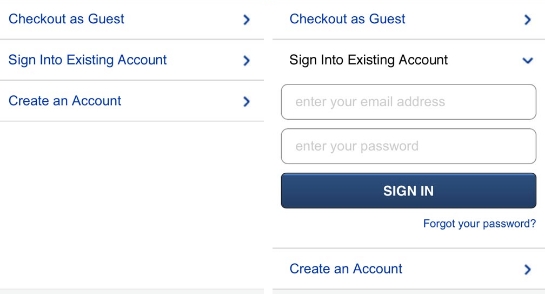
The complicated checkout procedures have been accused of crippling the conversion for eCommerce stores. Same goes true with the mobile applications. According to the result of a survey done by Baymard, 60% of the visitors consider the account selection step complicated during checkout.  The checkout option should be smooth for the visitors. The guest checkout option should be clearly visible as lack of the same is another inevitable reason for the abandoned cart. An ideal checkout page for the mobile eCommerce apps is shown in the image below.

Other than this, the unclear field labels and text is another most important aspects of both mobile and desktop stores that need rectification.

Consideration #4

One of the least considered aspect while developing a mobile app is the convenience of tapping on the touchscreen. While most companies prefer mobile responsive sites instead of going for mobile eCommerce stores, these statistical figures may force them to reconsider. As per a report of Baymard, 50% of the visitors have trouble tapping the intended element on the mobile sites.

Consideration #5

Along with some positive aspects, the mobile apps comes with greater risk of uninstalls. As per a study, 70% of app users will churn within 30 days of downloading your app. Even though the app engagement rate is higher, the user retention is a tricky affair in the mobile app. Keeping the users updated with the regular notifications and follow-ups as well as SMS is the best way to keep them engaged.

Having discussed some of the interesting statistics related to mobile application, it is now time to check out the implications of these considerations. Listed below are some of the features that can help you make use of the above mentioned figures.

Smooth onboarding

Giving a flawless and intuitive on-board experience is the biggest need of the hour. The entire process of user engagement starts from the moment when he installs the app and checks out as a customer. Thus, the design should be minimalistic, personalized and interactive. The design and unwanted elements should not put the users off. Not just the navigation and contents, even the payment procedure should be streamlined and extremely simple.  Uncluttered navigation As the statistical figures mentioned above states that the users of the mobile app have a higher intention of purchasing, hence, the entire process should be aimed at conversion. The cluttered navigation and complicated links may distract the users leading to an increased exit rates. The layout of the app should be responsive enough to automatically fit into the screen size of the user’s phone.

Seamless checkout

The Prestashop stores have benefited by providing the option of social login option to their customers. Even the mobile users would be intrigued to delve into your app if they get the option of easy login. Keep the checkout forms concise as shown in the image above. Provide the various trending payment options to the users and keep the users hooked up.

Push notification

Since the churning rate of the mobile app is higher, not sending the push notification to the new user can risk your retentions. It is said that the notifications should be sent to the users once in 90 days. Thus, incorporating Push Notification is essential to inspire immediate purchase action as well as in order to keep the customers engaged for a longer period.

Feedback mechanism

With the growing competition and risk of churning, building the trust factor is a must. One of the ways to keep the trust and user engagement is by inviting their feedbacks. Provide them the mechanism to ask their queries and report their complaints as well as reviews. The positive ratings will even optimize the position of the app on the app store and will help in retaining the existing customers.

Conclusion

The eCommerce mobile app development should be aimed at proving a smooth and seamless experience to the user. A mobile app is the biggest requirement of your eCommerce business in order to drive conversions and sales. So, upgrade your business structure with the above-mentioned considerations in mind and reap the desired result.

Liked This? You’ll Like These Too

4 Quickfire Addons to Improve your Business in a Magento Marketplace

The chicken and egg problem is one of the most prominent problems of online business. The platform serves both sides of the market, that is, the supply side and the demand side. Satisfying both the aspects of the business scenario is a tricky affair, you need to take care of both the side in one go. This is when the chicken-and-egg problem comes into play. The development of marketplaces that have facilitated measures to deal with the issue.

What exactly is a marketplace?

The concept of a marketplace or a multi-vendor platform refers to a specific model that facilitates shopping from many different sources. The operator of the marketplace does not own any inventory. The aim of the business is to bring various sellers and buyers at one platform. They present the inventory of other sellers to a user and facilitate the transaction between the two. Magento is an ultimate example of an online marketplace.

Bringing the customers and sellers together on a single platform, the marketplace provides an efficient mechanism to manage the supply and demand problem. The operator of the marketplace acts as a trusted third party between the client and seller. This third party is responsible for shipping directly the product to the end customer. The entire business model of marketplaces is limited to commissions on sales.

The Magento Multi Vendor/Seller Marketplace module supports various small and medium eCommerce stores to extend their reach and cater to a larger target audience. With this Magento marketplace extension, the seller can directly connect with distinct buyers. Carving out a niche place for itself among various available Magento Marketplace (multi-vendor) extensions, the store owners can boost their sales to great extent.

While the multi-vendor Magento marketplace extension makes the transaction cinch, there are a lot of technicalities involved. In order to ease the task, there are a lot of addons available. Let us discuss various features and functionalities of Magento marketplace extension that can make the entire thing simpler for your raising the bar of your business standards.

1. Marketplace low stock notification addon

Marketplace low stock notification addon helps in keeping a track of the product quantity in the inventory. This Magento marketplace extension allows the seller to stay in line with efficient inventory management. This Magento marketplace extension sends an alert or notification every time a low quantity of products on the marketplace store is detected. Installing the Magento marketplace extension helps the seller get rid of the prominent issue of keeping a track on the inventory. Here are some of the feature this Magento markeplace plugin offers.

  • The Admin can decide the quantity below which the emails alert will be to send to sellers.
  • Cron can be scheduled to check product status.
  • The Magento marketplace module can work even without CRON by checking product quantity on success order page. The email template can be managed by the admin Admin can decide the id with which emails will be sent.
  • This Magento marketplace module is multi store compatible, compatible with all languages and SSL.

2. Return manager addon

80% of the total sale is expected to be returned. Thus, the return request management is one of the trickiest considerations for the sellers in the marketplace. The Magento Return Manager extension manages the refund and returns request of the customers. The seller gets an email notification every time such request is raised by the consumer.

Here are some of the features offered by the return manager extension.

  • The Magento return manager extension allows the customers to return the products directly to the seller.
  • The return manager extension keeps the seller aware about refund/return request through email notification.
  • The Magento return manager extension by Knowband allows the admin to control the number of days when the request can be raised from the date of purchase customers.
  • The return manager module offers the admin to see all refund requests from the customers to sellers.
  • The return manager module is multi store and SSL comaptible as well as compatible with all languages.

3. Magento Sellers Shipping Charge and Invoice addon

Proper billing with cost breakdown along with invoice is something that online shoppers just can’t compromise. Magento Sellers Shipping Charge and Invoice Addon take this problem off your shoulder. The extension enables the seller to generate the invoice of the order and add the shipping charges as well.

Features of the plugin are as follows:

  • It provides control for admin to set global shipping charges for all sellers.
  • It allows sellers to set their own shipping charges for their added products and provides per product Shipping charge.
  • Provides invoice generation feature for Sellers.
  • Admin can change error message, title and shipping method name from the backend.
  • Multi Store compatible

4. Magento Market Place Import/Export Addon

Keeping a check on the products being added and removed on the store is the biggest heck for sellers, regardless of the platform. While the aim of the marketplace to reach out to greater audience base, this is one issue that is inevitable. Magento Market Place Import/Export Addon enables sellers to import/export their products and its combinations from excel sheet.

Features offered by this Magento marketplace plugin is as follows:

  • Sellers can import/export their products and categories with the help of this Magento marketplace plugin.
  • The Magento marketplace module allows the admin to enable this import and export feature for a particular sellers only.
  • The Magento marketplace module offers various filter options while exporting products.
  • This Magento marketplace plugin by Knowband allows the sellers to perform bulk Add, Update and Delete operations.
  • The respective Magento marketplace plugin is multi-store compatible Compatible with Excel sheet
  • Thsi Magento markeplace module is easy to integrate with our Multi vendor marketplace module.

Final say

These are some of the addons that have made the life of the sellers of the Magento marketplace easier. It saves their time by allowing them to perform bulk operations with minimal effort. Optimize your marketplace with these handy tools and boost your sales.

Liked This? You’ll Like These Too:

6 Prompt Tips for Creating an Effective Promotion Campaign on Prestashop

With the Holiday season just around the corner, it is high time for all the eCommerce store to gear up with their promotional and marketing strategies. Even though the business is not just dependent on the sales promotions, it is an essential aspect of building up the much-needed customer relation. This is not just a way of achieving the annual sales target, but also a way of communicating and connecting with the prospective customers. Do you own a Prestashop eCommerce store? Are you getting ready for the much awaited sales season of the year? Are you looking forward for creating effective promotions on your store? Then, you are at the right place. The blog brings forth some of the tips and tricks for building your next sales or marketing campaign.

Take the below mentioned ideas that have worked for the Prestashop store owners in the past and apply them to your own store.

1. Design the Discount and Offer

Compelling the customers to plunk down their cash and cards is a slow process. Even alluring the potential customer with offers and discounts is not an easy task. Earlier just the word ‘Flat Discount’ and ‘Free Gifts’ would attract a lot of attention of the visitors. However, these days creating a promotion or sales campaign involves a lot of considerations. Here are some of the tips for creating an effective offer.

  • The 10 to 20% discounts are considered uninspiring. The offer should be strong enough to compel the visitors to make the purchase. At the same time, it should keep your business out of red ink.
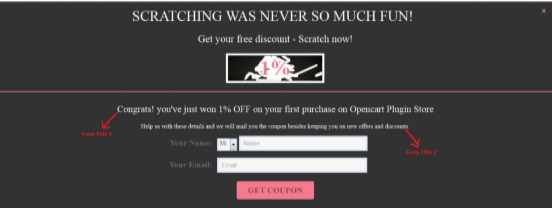
  • In case, you are offering discounts that are not very compelling, then, present it in an innovative way. Things like ‘Spin the Wheel’ or ‘Scratch coupons’ are fun to use and can attract more visitors even if the discount is low. There are varied Prestashop addons that can facilitate your sales campaign. The Prestashop Scratch Coupon is one such plugin that integrates an interactive scratch coupon interface on the website.
  • The job is not done even after designing a perfect deal. Use powerful marketing words to boost the sales. According to Shopify, words like ‘You’, ‘New’, ‘Offer’, ‘Guaranteed’ are some of the trigger words that should be used in the promotional phrases.

2. Schedule Communication

                                                                  Image Source: blog.bufferapp.com

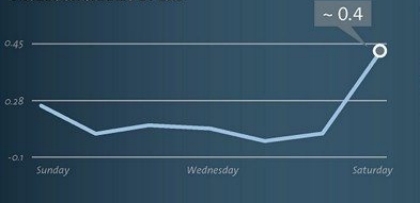
Sales campaign, in general, revolves around any major events such as holidays. Hence, the promotional triggers should be scheduled wisely. You need to choose your moment in order to run the campaign. The campaign should not be overlapping similar ones running on your site. Set the flash sales or special offers to reward the customers on a more personalized basis. In case you are using social media platform for the promotion, then, use the right time for the postings. According to a study, the engagement on social media is 32% higher on weekends, so it is definitely a good time. The best time of day to post on Facebook is from 1:00 p.m. to get the most shares, to 3:00 p.m. to get more clicks. On twitter, the click-through rates are generally highest on weekends, as well as mid-week, on Wednesdays.

3. Insert Promo Blocks

Blocks are the entities of an eCommerce store where the store owners place and display their products and ads. Prestashop Promotion blocks are used to show the products of the store that are on sales. Use the blocks wisely in order to promote the sales campaign. For getting more exposure place them in blocks in left/right column. Or else you can use the heatmap tool to detect the place that grabs most of the attention of the user. This will give help you with the placement.

4. Reminder for abandoned shopping cart

Remarketing your products to the visitors who abandoned the cart is a must for optimizing the sales. Use the email ids of the visitors who didn’t convert into leads by sending them promotional emails. Prestashop abandoned cart addon will help you track all the abandoned carts on the website. This module can help you experience a drop down in abandonment rate. You can send the follow-up and promotional emails to these visitors.

5. Promote across the channel

Pushing your promotional campaign through multiple channels can help you maximize the impact. Use various communication channel and adapting the message to the various outlet, that is, your website, via email, on the various social media platforms as well as traditional media such as TV and newspaper. Make a clever holiday video and share it on YouTube and other platforms. Amazon is one such name who reaped a lot of positive response from their videos. It helps create an emotional connection with the end users. You need not invest a heavy budget for these videos to get views. Just focus on the message that you are trying to convey along with relevancy to your audience, and the video will give you the desired result.

6. Track and improvise

Make use of the tools like Google Analytics or A/B testing, in order to get an insight of the result of the campaign. No matter how strong your strategy is, you need to have a backup to make up for the pitfalls and setbacks. Compare the current data with what you had planned and make necessary improvisions. The testing and changes should be an ongoing process. Keep checking the impact over the time and track the data regularly. Analyze the visitor response in terms of the conversion rates. Based on this you can make necessary changes and implement a seamless strategy on your site.

Get Started

eCommerce is huge, and so is the competition in this industry. Surviving in the heat of this competition is not a bed of roses. You need to acquiring and retaining the customers in your database. For this, you need to have an effective marketing and sales campaign. Your Prestashop eCommerce store doesn’t need a big budget to compete with the big players in the market. All it needs is a bit of innovation eCommerce ideas and a detailed analysis of the behavior of the market as well as the customers.

You Might Also Like:

Mondial Relay: Amplify Customer Satisfaction with Proactive Package Tracking option

Reducing the shipping cost are some of the main focus of the eCommerce business professionals in order to boost the sales. However, there are many other factors that contribute to it. Delivery tracking option is one of them. According to the result of a survey done on 1600 consumers, 79% of respondents considered the ability to track shipments through a personal computer or mobile device as the most important feature. The proactive tracking option is not just beneficial to provide a better online experience to the customers, but it is even a favorable tool for the online traders in the long run.

Listed below are some of the benefits of the packing tracking tool for the online traders.

  1. The tracking tool encourages your customers to return to your website and even gives them a reason to stay longer. This ultimately increases the chances of additional purchases or cross-selling.
  2. In the survey mentioned above, 45% of the respondents said that online customer service chat or instant messaging is an important facility that they look forward to while shopping online. The online tracking tool, thus, is an easy way to reduce the costly calls from customers inquiring about the status of their order. Moreover, it enables a lot of cost cutting by reducing the involvement of customer support.
  3. For tracking the package, the consumers need to confirm their tracking id. As shown in the image below, the tool provides an insight of the status of the product for each day.
  4. Since the customers can track the package right from the beginning to the moment it reaches your doorstep, it makes your business appear trustworthy and reliable.
  5. The transparency of the entire process provides the much-needed peace of mind and offers at par customer satisfaction. Not just this, it creates new opportunities to engage the customers for longer period of time and cross-promote new offers and social media invites.

As the face of eCommerce and the mind set of the consumers are changing, Mondial Relay offers a delivery solution tailored to cater the need of online shoppers as well as traders. Mondial Relay has been working for the industry for more than 20 years and is one of the pioneers in the field. It is not just concerned for enhancing user experience. Mondial Relay even cuts down the overall shipment cost. The ease of sending or receiving the package, the real time notification, and the rigorous tracking, everything is aimed at improving user interface.

Here are some of the features offered by Mondial Relay.

  1. The IT solution can adapt to your business module effortlessly. No matter which eCommerce store you own, this solution can blend with it. Right from Prestashop to Magento and OpenCart store owner, anyone can become a Relay.
  2. The solution offers total traceability to the end users. From the point when the order is placed to the moment when the receipt of the package is received by your customer, Mondial Relay provides a platform to track the package right through.
  3. Not just the tracking option, it even ensures the security of the delivery. The hand-delivery against signature and verification of the identity document is ensured. However, Mondial Relay do not handle perishable goods that require temperature-controlled packaging.
  4. The IT solution integrates a dedicated extranet for tracking requests of the consumers and managing the shipments. The package can be tracked online 24×7. The transparency throughout the delivery process ensures best ever user experience.
  5. The customers are notified about the package status via SMS and email. The average delivery time of the product is 3 to 6 days, but this period is not guaranteed. In addition, the delivery is adapted to your package. They deliver the products upto the weight of 130kg.

Above all, the computer tool is versatile and can be integrated into any eCommerce store. The largest e-commerce platforms have developed a module to display Relay Points. You can create your shipments and print your labels with one click. The module is available on the platforms: Prestashop, Magento, osCommerce, Oxatis, PowerBoutique, Rentashop, Shop Application, Virtuemart, and many other platforms.

Conclusion

While the return manager plugins and one-page checkout modules are some of the handy ways to make the user experience till the payment is done, a package tracking tool is a must to ensure customer satisfaction even after the deal the closed. The connected consumers demand both choice and flexibility when it comes to receiving their online orders. Offering a blend of both is the key to encounter customer demand and ensure retention. So, optimize your business model with Mondial Relay and provide good clear communications at every point of the purchasing journey.