Top 10 Features to Consider While Creating a Marketplace on OpenCart Platform

The rapid growth of the sharing economy is triggered by the increasing number of new online marketplaces. If your idea was to create an online marketplace to allow the exchange of products or services quickly and easily-congratulations! You can name yourself, an entrepreneur!

With the idea of an online marketplace, you might have explored how to create one? And what features you should consider before developing software or purchasing a pre-built module? How will you attract sellers and customers to your marketplace?

Sometimes we feel like we own too much stuff and this can happen with your marketplace too. To make it look attractive and clean, you need to have the functional UI with all the functionalities placed adequately. Clear navigation for both the seller and the customer is a must. This article is for the business entrepreneurs who are looking forward to developing their marketplace and will help you decide what features marketplace users need the most.

1.     Look for a lucrative monetization model
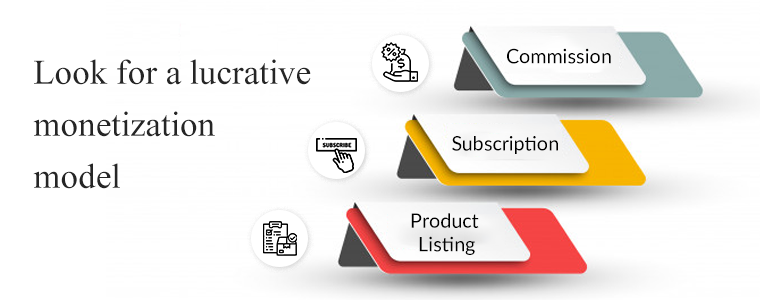
“Before looking for the answer to” How to create a marketplace? “Answer the question” How am I going to make money from my product? To attract investors and become globally competitive, all ventures have to produce revenue. No exception in the marketplace. There are many forms for your online marketplace to be monetized:

Commission– For any good purchase on the website, the marketplace charges a percentage or fixed fee.

Subscription: To use the marketplace, consumers pay a monthly/annual charge

Product Listing: To list the products, the sellers have to pay some amount.

OpenCart Marketplace Module supports the commission revenue model. The marketplace admin will generate income from the sellers on every order. You can refer to this article for a better understanding of the commission management for the OpenCart Marketplace extension developed by Knowband.

2.     Admin Panel features to consider:

The admin interface of a marketplace extension should allow you to monitor and make the necessary adjustments to support your customers.

If, for example, the terms of service are breached, an administrative interface should be able to monitor behavior on the network and issue warnings. We have designed interfaces for our clients so that it is easy to discover and censor offensive acts such as negative language easily.

It is also possible to use the administrative interface to authorize vendors and products, build customer outreach materials, run promotions, and adjust marketplace settings. It should allow you to keep the track of the seller’s earning, customer feedback, like which suppliers are doing well and which could use some assistance.

The OpenCart Marketplace module has all the above-mentioned functionalities and the admin can keep eye on every move of the seller. The admin can see the order status that will be determined for commission and earning.

3.     It should have a functional seller dashboard:

Rapid onboarding for vendors

You’re going to have to make the seller dashboard and customer handling simpler for sellers, not harder. Keep the sign-up and product listing process as simple as possible for your vendors.

The less time it takes to get started on your website, the more likely individuals are to sign up with you to sell.

Sellers can easily register and enlist their products on your OpenCart Marketplace. Sooner you approve the seller profile earlier he will be able to sell on the marketplace.

4.     Easy Inventory management

Fortunately, by establishing a strong inventory plan from day one, many of the blockades and challenges ravaging eCommerce marketplace inventory management can be easily resolved. Inventory Management is the lifeline for retail sellers, as the success of the business relies on delivering the right order to the right customer at the right time.

The stock management is effortless with the OpenCart marketplace module. It sends the stock notification to sellers and removes out of stock products automatically. To add new products for maintaining the inventory, the seller can bulk upload the product list in .CSV format.

5.     Order handling

Control of marketplace order saves you time on manual tasks and eliminate mistakes in order processing. Speaking of efficiency, from the time a customer clicks “order” to the moment the product leaves your warehouse, consider how much time it actually takes you to process a transaction.

The order handling is uncomplicated when you have a module like OpenCart Multi-vendor Marketplace. It allows the store admin and sellers to change the order status. The seller can handle every minute of action through the seller dashboard.

6.     Payments and payouts
Marketplaces make it tougher than their standard online shops when it comes to payment processing. Customers need an effortless payment system, whether credit cards, debit cards, digital wallets, PayPal, or COD. Some do intimidate while sharing the credit or debit card details hence, you can provide them COD. These are primary online shopping choices whose icons may alternatively be clearly shown in the top corners or near landing page banners or in the menu section.

From their Dashboard, the sellers get to see the order earnings, the pending amount, and the commission paid. The seller can raise payout requests to the owner and the store owner can make the payments manually through OpenCart Marketplace Plugin.

7.     Notify sellers with email

To maintain transparency on your platform you need to notify your sellers and customers about every move. The OpenCart Marketplace module has several pre-crafted email templates that can be used by the admin to send an email notification to the seller after the order is received, payment processes, review approved or removed, and much more.

This maintains transparency, fulfills realistic expectations, and enhances the user experience.

8.     Do not forget about the customer expectations

How can customer support be sustained in a multi-seller marketplace rapidly introducing a new range of products and services? Obviously, ensuring that the current service standards of the retailer are met in the marketplace is critical. In a marketplace, the consumer experience should not get distressed.

What does OpenCart Module offer for customer support?

  • Customer Seller helpdesk:  In order to get help for pre-sale inquiries or post-sale inquiries, the customer may contact the vendors.
  • Manage returns:  The returns for the goods can easily be initiated by the clients. The administrator will be able to view and process return requests from the vendor dashboard.

9.     Compatible and gadget responsive
A mobile-friendly eCommerce shop provides you with an opportunity to stay ahead of your rivals. You’d have more chances of ranking well in search engines, more visitors, and you’d be able to win their loyalty through content interaction and responsive design.

The robust Opencart Marketplace module is compatible with the mobile app. It is compatible with all the themes and models of OpenCart and it supports all currency types. You can sell any type of product digital or physical in the marketplace.

10. Let seller decide the shipping method

To improve the delivery experience, cutting down the shipping cost you need to provide multiple shipping options. In the early stages of operation, using a single shipping service makes sense because order sizes are typically not large enough to warrant using more than one carrier. However, as the company grows and online sales increase, failing to diversify your shipping strategy to meet your increasing needs puts you at risk of inefficient fulfillment of orders and increasing shipping costs.

The OpenCart Multi seller Marketplace admin can enable the seller to create multiple shipping templates. The shipping methods that vendors build will be listed in the Marketplace. And, the marketplace manager can also add or delete the shipping methods created by the seller.


Some Other helpful features of OpenCart Marketplace Module:

  • Admin can approve the product and seller reviews from his end
  • The invoice generated can have either admin’s details or seller’s details or both.
  • By providing coupon code discounts to buyers, the sellers can give the customers a special discount and run promotions
  • Admin can add multiple custom fields on the seller registration page
  • Admin can assign categories and products to the seller
  • All the products can be reviewed before publishing them on the marketplace.

Wrap-up:

These are the favorable features and functionalities you need to look at before launching a marketplace. The OpenCart marketplace module can help you with all these most required features. Remember, a marketplace is a platform for buyers to buy and seller’s toes ell. So, you need to keep your foot in their shoe and find the best you can give.
If you have a brilliant idea that you want to bring to life – drop us an email at support@knowband.com or you can drop a line in the comment section. The Knowband team helped many eCommerce entrepreneurs build a better platform by helping our clients measure the right things. The marketplace module is also available for PrestaShop and Magento 2.

Recommended Read:

How Progressive Web Apps (PWA) can improve mobile conversions of an eCommerce store?

Nowadays people are spending a lot more time using mobile devices to access the internet and consuming twice the data they consume on desktop websites. That goes for online shopping standards as well. Using an eCommerce website to bring sales is challenging when you have flaky internet connectivity. And, asking users to install a mobile app is again a conversion killer. PWA (Progressive Web App) fits in between the native mobile app and the website browser and is more likely designed to boost the mobile conversions for eCommerce stores.

Progressive Web App is the new must-have format for the mobile branding of your business. PWA mobile apps have overcome the most alarming problem of distribution. Do you ever go to your browser for Google Maps navigation? Probably not! Research says that most of the users, around 87% choose to browse on native apps. That makes it mandatory to have the app installed on the user’s device.

PWA mobile app gets derived directly from the mobile browser of the website and no need to visit any third-party app store or medium to install the app. Actually, whenever any user opens a PWA active website on a mobile browser, a prompt message asks to “Add App To Home Screen”.

App developers and service workers (Script files) in combination create PWAs for offering a dynamic, smooth user experience while accessing the content through a website/web-app.

Introduction to Progressive Web App

The Progressive Web Applications, also known as PWA are enhanced versions of web apps, developed with javascript. PWAs have extra capabilities like the user can access them offline and also receive push notifications based on the marketing standards.

PWA improves your website’s performance, security, accessibility, and SEO features. It enhances your reliability and workflow. They allow you to work offline and on flaky networks. Progressive web apps are fast and engaging. The PWA’s have seamless navigation and are packed with smooth animations, jank-free scrolling which makes it faster.

Major Advantages Of Progressive Web App

In order to create efficient web applications, progressive web applications (PWAs) are more of a technique that includes a mix of technologies. With an enhanced user interface, individuals can spend more time on websites and see more advertising. They prefer to buy more, and more likely to return regularly with warning notifications.

#1. Reliable Performance

A typical website forces users to wait while it is busy making trips to the server, doing nothing. Each request from the network to fetch an asset or piece of data passes through a service worker, who first checks if the answer to a specific request is already in the cache. As users immediately get real content, even on a bad link, they trust the app more and see it as more reliable.

#2. Fast Loading

This UI isn’t flaky. Scrolling is seamless and the app reacts to user interaction easily. Your Progressive Web App will naturally be faster than the native apps, being lightweight & having a fast loading mechanism. This provides the app users with an exceptional user experience that keeps the services at par.

#3. More Engaging

It looks and feels like a native application. Over the user’s home screen, a PWA can earn a location. By offering a full-screen work environment, it provides a native app-like experience. To keep users active, it makes use of push notifications.

#4. Offline Usage

The pattern of “offline first or “cache first” is the most common technique for serving the user with content. If a resource is cached and offline accessibility can be checked before you download the content. Download it if it’s not already in the cache and save it for future use.

#5. Push Notifications

Push notifications effectively increase the conversion rate of your eCommerce store. PWAs allow the owners of the store to configure and submit unlimited push notifications. They have in-built functionality to automate & schedule them. Using catchy titles & graphics in your notifications can do wonders.

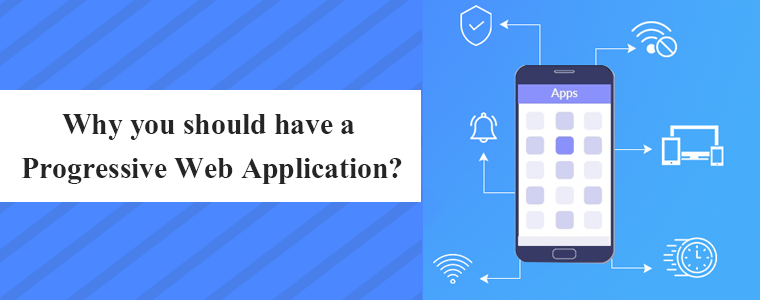
Why you should have a Progressive Web Application?

While a PWA is not a must-have functionality but it is a way to improve your relationship with current and potential customers while also overcoming the difficult challenge of visitors driving away from the website.

Many people become oblivious to the prompts to enter an email list and sometimes do not take the next step to open and read the emails, but you can build real brand loyalty if you can get a customer to use your Progressive Web App.

Google is supporting the PWAs since 2015 and now iOS also allowing them on their web browser. Google scores the Progressive Web Applications better while crawling and other practices. Various Google Chrome extensions are created to support the PWAs.

PWA can be a good idea if you are starting up your new website. It makes sense to distribute your web app to users, in the beginning, to get their feedback before creating your responsive mobile app.

The Progressive Web App cannot be replaced with responsive mobile applications but in a way when you are planning to launch your mobile app, it is a good option to start with.

KnowBand developed PWA for various eCommerce Platforms:

The Progressive Web App Builder extension is available for almost all major eCommerce platforms. The store admin just needs to choose the right plugin and install it to follow the simple guideline for the configuration.

Magento 2 PWA Mobile App

OpenCart PWA Mobile App

PrestaShop PWA Mobile App

WooCommerce PWA Mobile App

Top features of Progressive Web App extensions

The below-mentioned features are the most prominent ones and are all put together and our Knowband experts developed the Progressive Web Application. The app is lightweight and faster loading and enhanced performance. The PWA Mobile app supports multi-lingual and various currencies that allow you to expand your business globally.

1. Change the Look and feel of the PWA- The store owner can change the colors, add a brand logo and various designs to make it look good. Even the complete home screen design can be edited and changed via a DIY editor. The changes will be reflected in the actual app anytime.

2. Featured Product Listing- Designed in a way that the user can add different product/category-based elements. The store admin can showcase the best sellers, featured products, recently purchased, etc. on the home screen.

3. Easy Installation- The users do not need to visit any third-party app store. Instead, the PWA Mobile App can be added on the phone directly by opening the website on a mobile browser.

4. Reliable and Engaging- The eCommerce PWA Mobile App works flawlessly under no/slow internet connectivity. Even in offline mode, the cached data & previously loaded pages make the content available to app users.

5. E-mail and Social Login- The store owner can allow users to sign up by adding an email address or with their social media accounts.

6. All Payment and Shipping Method Support- Customer often bounces back due to limited shipping and payment methods but with PWA, this is not a challenge anymore. All website payment and shipping methods will be actively functioning on PWA Mobile App.

7. Offline Mode- Even without an internet connection or on a sluggish network, your PWA App will work properly. Users will not have to rely on the internet at all times to shop for app items.

8. One-Page Checkout, Unlimited Push Notifications, Live Synchronization, and Order Tracking like features are the additional advantages of PWA.

9. Cross-selling– It allows you to showcase related products to improve sales on PWA. It also allows the store manager to select the CMS pages from the website and will be optimized automatically.

Here is a list of benefits offered by PrestaShop PWA (Progressive Web App).

We have developed the PWAs for many clients and some of the success stories for 2020 are discussed in our previous article.

Conclusion:

Turn the online eCommerce website into the PWA Smartphone App and give mobile visitors a seamless web shopping app. The highly engaging PWAs can be launched from the home screen as you can add an icon for it and they even send push notifications. This is a great example of technology development and has a lot of scope in future advancement.

Progressive Web Apps are still in their infancy, as described, but it’s an exciting time to experiment with the methodologies behind them and see how well they can relate to your web applications.

Please feel free to comment on-thread if you have input on places that you would like to see covered.

Recommended Reads:

How PrestaShop Delivery Boy Mobile App can help you with Seamless Delivery Management?

The PrestaShop Delivery Boy App is a robust delivery management system that allows store managers to manage home deliveries fast and hassle-free. The framework is designed and developed considering the struggle of eCommerce store owners after receiving the orders.

It is often a major turn-off for the store customers whenever the product delivery gets delayed. There could be a number of reasons behind the cause.  It’s not necessary that the store admin or team is to be blamed every time. Instead, this could be due to poor delivery management.

That’s where KnowBand PrestaShop Delivery Boy App comes as a savior. The module allows the store admin to add unlimited delivery boys to the store. Once added and approved, the delivery boys will be able to login into Delivery Boy App and manage deliveries of those orders which are assigned to them. The admin can keep a keen eye on the progress and thus PrestaShop Delivery Boy App will save the store owner from any mismanagement.

Both the admin and delivery boys have access to this app. Henceforth, enabling order deliveries to be easily allocated and handled. This is a ready-made, time-saving solution that makes the delivery process safe and secure.

Currently, it is available for two eCommerce platforms: PrestaShop and OpenCart

Prime Features of PrestaShop Delivery Boy App

The Delivery Boy Mobile App for eCommerce is developed to make the difficult task of timely deliveries simpler. With the aid of the delivery boy app, the admin can track all the orders and delivery boys can see the order status.

  • Admin can register delivery boys by adding their details.
  • Delivery boy can log-in with the email address and password assigned.
  • The delivery boy can see the order status from the dashboard.
  • Delivery boy can see the navigation map for order tracking.
  • Delivery Boy can mark the order as assigned, in progress & delivered.
  • Sorting of orders is possible: date wise and according to order status.
  • Delivery process validation with OTP
  • Admin and Delivery boy both can see the commission earned by the delivery boy.
  • The app can be published on the Apple store for iOS users and Google Play store for Android users.

1. Register Delivery Boys

The process for registering a delivery boy on the Delivery Boy App is straightforward. The admin will have to add personal details like the name of the delivery boy, email address, verified image, vehicle details, and other required information.

Once the process of registration is completed, the new registered delivery boy will receive the log-in credentials like and User ID and password for further processing.

2. Proficient dashboard for delivery boys

The proficient dashboard displays order information along with assigned, pending & delivered orders to the delivery boy.

3. Google map integration

There will be a navigation system integrated with Google Maps on the app with a marker to pick the desired spot.

4. Delivery boy app has orders listing screen

The delivery boy can see the orders listed on the order listing including all the assigned, pending, and delivered orders.

The delivery boy has the sorting and filtering options for convenience. He can sort the orders for a time like recent and earlier orders first or by price like low to high or high to low.

Other filter options present in the delivery order listing are Order ID, After Date (Orders created after this date), Till Date (Orders created till this date), and Order status (Assigned, pending, or delivered)

5. Interactive App Interface

The app has an interactive screen layout and its quick and simple navigation makes the screen switching easier for delivery boys.

6. Easy Navigation on the app

For the convenience of the delivery agents, a very easy to navigate menu is provided on the App. From here, any sub-pages on the app can be reached by the delivery agent.

With the navigation menu, the delivery boy can jump to the dashboard, order page, configuration tab, or can also log out from the application.

7. One-Time-Password Verification

When the order has been picked up by the agent, the customer will receive a push notification/email informing about the order status.

The customer shall receive an OTP, which they shall provide to the delivery agent at the time of successful delivery. Then only the order status will be marked as shipped.

8. Super smooth delivery management

PrestaShop Delivery Management App also increases customer loyalty by keeping the delivery theme up to date by live monitoring and chatting with store administrators and delivery agents.

9. Order Delivery Management

This section helps the managers of the store to keep track of all the orders and the delivery men assigned to them. Based on the status of the orders, i.e. ‘Available’,’ Allocated’,’ Shipped’ & ‘Pending’, the administrators can handle the distribution assignment automatically as well as manually.

10. Delivery Boy Management

The store admin can track the delivery boy’s position and manage them with ease. This helps the administrator to most systematically handle all their distribution agents.

The store administrator can monitor the status of the delivery boys in a tabular form using order ID, order date, order delivery date, order amount, or other necessary details.

Also, the admin may activate or disable the status of the agent. The admin will view the information of orders shipped or declined by this agent on this agent’s details screen.

The administrator is also able to add filters on the table that allow the delivery boy to calculate the commission.

11. Delivery Location Management

It may happen that the real-time location and the delivery locations are not the same. In that case, the app allows the customers to add the delivery location which the delivery boy needs to follow.

The store administrator can also handle this if needed. The admin may also enter the delivery location manually and the delivery agent will be informed of the same.

12. Accept/Reject Orders

The delivery boy can accept or reject the orders assigned but he has to specify a reason if rejected.

13. Email notification

The customers and the delivery boy will be informed with a push notification or email notifications. The email will be sent for order status like order picked, in progress, or delivered.

14. Mobile App compatibility and other benefits

One benefit of this “delivery boy app” module is that if the store’s mobile app has been designed using the “PrestaShop Mobile App Builder” module, its corresponding “Delivery Boy App” will provide live monitoring of the shipped orders by default.

Simply quoting, the orders can be tracked using the delivery boy app if the PrestaShop store is using our Knowband’s Mobile App Builder.

Read more in detail from:

PrestaShop Mobile App Builder is compatible with Delivery Boy App 

Conclusion:

Both module and app have been designed by our technical experts. It is a one-stop solution for businesses looking forward to offering home delivery. You can start various businesses like food delivery business, grocery delivery, medicine home delivery, or any other on-demand delivery hyperlocal business with Delivery Boy App on an eCommerce store.

Need to discuss or got any questions? Drop us an email at support@knowband.com.

Recommended Reads:

20 E-commerce Marketing Strategies for Beginners

Are you planning a start-up business or a recently established one? Then, you must be looking for some magical marketing tips that can help you expand it, uplift sales, enhance conversions, and bring new customers to your online store.

Entrepreneurs don’t have a lot of spare time to get the word out about their products and services. Also, it isn’t easy to market your products and brand but with some expert guidance and marketing strategies, you can become a marketing ninja.

It’s certainly reasonable if your company now lacks a marketing budget. Start-ups have thousand other things to put money on. These 20 simple and budget-friendly eCommerce marketing strategies for newbies have been developed to fill that void.

1.     Know your Product/Services before Marketing

The most important strategy for a marketer is to have deep knowledge about the product features and their benefits. An important sales ability is product awareness. Understanding the attributes of your goods helps you to reliably and persuasively present their benefits.

Customers flock to enthusiastic sales workers who are enthusiastic about their products and willing to share the advantages with them.

2.     Focus on What you Want them to Do

The most effective way to reach your target audience is by knowing them. The next step is to find out what is needed to drive them toward a sale once you’ve decided whom you need to meet.

This is easy for certain businesses: encouraging consumers to grab a product and purchase it at the shop. But, before reaching that stage, there may be acts that you push them towards (such as getting on a mailing list or being a follower on social media).

Content Marketing:

Content creation is the simplest and impactful way to reach out to your target audience. Words has more value when spoken at the right time and on the right platform. Make complete use of blogs, social media and try creating your brand identity.

3.     Create E-commerce Content

It is one of the best simple marketing techniques to develop yourself as an expert in your field. You are positioned as an expert by writing a series of articles for a trade publication and these can be serialized for maximum impact as blog posts.

4.     Improve Efficiency of Content

Clients are drawn by keywords. In the content on your website, they need to be placed in strategic places. Make sure to focus on the subjects that your clients are looking for.

Read: Why is content marketing effective for your marketplace website?
5.     Write Blog Posts

On a blog, you can post specials and activities scheduled. These are a perfect way to advertise in a voice of your own.

6.     Publish a Book

You are positioned as an expert in the field by writing a book and self-publishing it. These are also marketed by many business people on their websites.

Social Media Marketing:

7.     Start Facebook Page Shop

To connect with a larger customer base for E-commerce marketing, social media is the best platform and Facebook stands top in the row. You can create a Facebook page for your brand and enlist your products on Facebook Page Shop.

8.     Use Instagram Reels

Instagram has a different crowd than Facebook but some of its features can help you with marketing. Instagram reels are short videos that can be used to display products. All the possible Instagram Reel’s business marketing strategies are discussed in this article.

9.     Use hashtags on Insta and Twitter

Here is the list of best hashtags you can use this holiday season for attracting more customers and visitors to your Instagram Page.

10.   Start to tweet

Social networking is complimentary. It’s one of the best available simple marketing tactics. You can connect with your target group by posting on Twitter.

11.   Run Ads on Facebook

Social advertisements allow you to get out in front of a large crowd. For optimal effect, you can target these to a particular market. Social media advertisement is the best E-commerce marketing method in 2021.

Read: 6 Easy Ways to Boost your Social Media Marketing through Facebook

12.      Invest in Personalized Real-Time Marketing

Personalized marketing is the implementation of a strategy in which businesses, use collected data, analysis, and automation technologies to offer individualized content to recipients.

13.    Online Video Marketing

Did you know that every minute of over 400 hours of video gets uploaded to YouTube? It’s unbelievable. The fact is that it’s the second-largest search engine in the world.

It’s not the only video platform for marketers out there to know about, either. Plus, Facebook and Twitter social videos are becoming increasingly relevant as well.

Read: 7 Benefits of Video Marketing for your E-commerce Business

14.    Offer Newsletter Subscription

Newsletters are a fast and easy way to keep new products and services up to date on a mailing list. One of the more common templates is MailChimp.

Read: What’s new with Mailchimp AI integration: An Insight

15.     Establish an Email Campaign

In front of your target audience, putting together an email marketing plan gets you out. Your email address will be seen by everyone on your list from inside their inbox.

Read: A Definitive Guide to Effective Email Marketing in 2020

16.     Run Give-Aways

In E-commerce, a value-added way of converting guests into consumers is by giving free access to a newsletter or blog. Whether you’re online or in a brick-and-mortar shop, consumers are always drawn to free items.

17.     Pay-Per-Click and Ads

Did you ever see such commercials at the top of the search results? Those are pay-per-click advertisements.

These ads provide excellent opportunities for advertisers to sell products directly to seekers. It’s also great because it helps you to see precisely how much you invest vs. how much money your promotional activities produce.

18.     Influencer Marketing

Why talk about your goods yourself when you can promote them through trusted people? That’s the crux of influencer marketing, which includes working to bring the goods in front of their audiences of famous people within a given niche or industry.

19.   Nailing the Execution

It’s time to put it into motion once the plan is in place.

It requires:

Having the skills: You need to know how to do it once you know what to do.

Getting the best people: The secret to success is putting the right people in the right place.

Having the right instruments: To tackle a given task or problem, a professional always uses the best possible solution.

20.    Use Data to Monitor your Progress

If the effect of your E-commerce marketing efforts cannot be determined, then you might not be doing anything at all.

To achieve a particular objective, any move should always be related to specific metrics.

Wrapping up:

In this article, there are a lot of strategies to process. But, now that you’ve covered much of what you need to know as a marketing professional (both at the surface level and with links to deeper reads on loads of sub-topics), you’re more informed than ever to continue your marketing skills and increase your career level.

If you want to add something to it, let us know below.

Recommended Reads:

What Is Bounce Rate? How to Improve it Quickly?

The only goal of any business is to bring new customers and increase sales with the old ones but some visitors do not make it to the endpoint and leave without buying. In eCommerce, it is called the bounce rate. You might be getting enough clicks but no conversions and many website elements can be responsible for bounce rate.

Imagine a person wants to climb a mountain and planned an 11km long trek but he can’t go because the trek dates aren’t matching his holiday dates and he canceled the plan. The same can happen when a customer visits your website and does not find the product they want to buy.

Simply quoting, if a customer visits your website with an intention but he does not complete the action is termed as bounce rate. Let me give you another example, your website sells cosmetics and the customer requires a product that is organic and chemical-free but you fail to provide such a product because of poor categorization. He will immediately leave the site and may not come back.

If you don’t want your customers to bounce back, you need to provide engaging content, strong and powerful search bar.

Why does the user bounce?

A rising bounce rate is an obvious indication that there are off-putting elements or underlying problems that you need to fix on your web. A bounce is caused by a variety of causes and circumstances.

Although there may be several explanations for the elevated e-commerce bounce rates, a list of the common ones is below:

  1. Page didn’t meet expectations: Visitors didn’t find the data or the product in the appropriate manner that they were looking for.
  2. Long loading time: It takes more time for the page to load.
  3. Poor UI and content management: If the user interface of the website is bad and the content isn’t well managed.
  4. Poor navigation and UX: The landing page’s UI is complicated and difficult to understand by the end-user.
  5. The lack of ‘Call to Action’: For customers, poor navigation will increase the bounce rate.

How to reduce bounce rate?

Firstly, you need to optimize the reason behind the bounce rate on your website, and once you do that you can take necessary actions. Sometimes, the bounce rate can cause you so much revenue which is dangerous for your business. Here are some pro tips that can help you reduce the bounce rate on your website:

1.     Do not use unwanted Pop-ups

Unless it is necessary, do not use pop-ups on the entry page. Try pushing it on the exit page or after the user completes the action. A cause of the bounce rate can be a pop-up window that annoys the visitor. If necessary, you can add a gamified element to the entry page for an email subscription or any discount offer. Spin and win

2.     Translate your site for global users

A multilingual website demonstrates the potential for increased sales. Any language that you add to your website has the potential to increase your sales dramatically. In addition to targeting the local market, it would also draw Internet users from other countries by creating a multilingual website. A multilingual website can reduce the bounce rate for international traffic from 80% to 40%.

3.     Improve Page Loading speed

Getting fast page load time can also improve the crawl rate of your website. The quicker it is possible to load pages, the more Google will index pages at one time. High page speed may also increase the crawl requirement of your website. Many users bounce because of high page loading time. Hence, it is pivotal to reduce page loading time.

4.     Invest in UI and make it attractive and engaging

To improve the bounce rate the better UI and engaging content can be helpful. A successful design inculcates trust and makes it intuitive to navigate. People don’t spend a lot of time on places that they don’t like or find hard to navigate. Make it simple by getting a nice template to start with for your visitors. There’s a great list of pretty customizable themes available on the web for various platforms.

5.     Optimize the landing page and product page

The process of optimizing elements on a website to improve conversions is Landing Page Optimization. Optimization of the landing page is a subset of optimization of conversion rate and involves using methods such as A/B testing to enhance the conversion targets of a given landing page. This will improve the bounce rate several times than any other method.

The next possible strategy to improve the bounce rate is by optimizing the product page. You can include social proofs like review and ratings, clear call to action buttons, product videos, and high-quality images to the product page.

6.     Reduce checkout friction

Checkout friction is the major cause of cart abandonment and a higher bounce rate. It is important to remove frictions from your checkout page to decrease shopping cart abandonment, generate sales, newsletter subscribers, and to improve conversions. Adding multiple payment methods, shipping choices, make unnecessary fields optional, and offering social login and guest checkout can help.

You can use the One Page Checkout Module to overcome these issues. Read this to reduce the checkout page friction which can help you in reducing bounce rate.

7.     Make your website mobile responsive

Mobile visitors have far less patience than desktop visitors. To provide mobile users with a better user experience, ensure that your website has a responsive design. Also, the user base of smartphone users is more than desktop users.

8.     Add Personalisation Element

By presenting the data, personalization can help to enhance conversions. To support a specific product, following a centered strategy that is personalized to their behavior and liking would certainly help them in a successful transaction. The conversion and bounce rate are inversely proportional. If the conversion increases it will automatically diminish the bounce rate.

Final Words:

eCommerce Conversion: One of the easiest ways of improving your bounce rate is to boost your conversions. Someone who converts is automatic will not bounce. This guide will teach you how to use A / B testing to get more conversions on your website and other methods.

Minimize the bounce rate of a website: A very in-depth look at the bounce rate, including ways of using Google Analytics to correct a high bounce rate.

Reduce Cart abandonment: This is again a healthier way to reduce the bounce rate and these pro tips will help you reduce abandoned carts on your web store.

For, eCommerce related projects, contact our team at support@knowband.com or drop a reply here in the comment section.

How to Boost Your Christmas Sales with Giveaways and Viral Contests

The holiday season is at its peak and taking advantage of Christmas sales is not creepy at all. You just need to adapt some savvy marketing tactics like giveaways and viral contests to grow your business this Christmas.

Witty start-ups are taking advantage of the boom of mobile technology and social media to reinvent tired business models while existing brands such as Amazon and ETSY are aiming to target the millennials with wearable technology.

Think again if you think that such creativity is just the realm of nimble start-ups or major brands. It is equally a case of innovation for small businesses and newly launched e-stores, with mobile disruption spreading into the business industry.

This Christmas you can uplift your sales using social media pages by running viral contests and giveaways.

The trend towards Christmas or occasional giveaways and viral contests represent a huge opportunity for small online businesses to grow their very audience right up to the last minute and this will eventually increase your sales.

But only businesses with the right technology in place will be able to take advantage of this.

What is a Giveaway?

A giveaway is an act or an example of giving away something. The giveaway, especially a gift or premium is given with every new subscription to a magazine or a page. People often run them to increase their followers and to increase brand awareness.

You run a contest or give a gift to the person who completes the task. Running a giveaway is always an excellent strategy for someone trying to reach a new audience, engage their followers, generate leads, and drive an effectively infinite array of powerful acts that will help you achieve success and achieve your business goals, no matter what industry you work in.

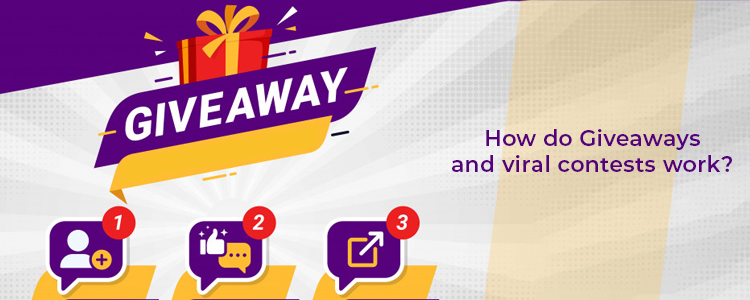
How do Giveaways and viral contests work?

This Christmas, you can run a giveaway on your social media page like on Facebook, Instagram, or Twitter. This is how people run giveaways on Instagram. They will ask you to follow some steps like reposting their post in your story, tag a few of your friends and like your posts, etc.

How are you nurturing your viewership?

People do not like to buy from new brands; they prefer buying from personal recommendations.

And how do you get your brand referred to and recommended by people?

This method of discovering and cultivating the traffic into raving fans usually includes:

  • Creating advertisement traffic, content blogging, organic social posting, etc.
  • Capturing the email address for that traffic and retargeting them
  • Bringing up the leads.
  • Eventually, after weeks, converting the person with email or followup

The ‘Prize’ should be worth the efforts

A list of things you need to remember when choosing your contest or giveaway award for Christmas sales is below.

  1. Is it attractive and unique? If they miss out on this once in a lifetime chance, would people be upset?
  2. Are they shareable? A clothing store, for instance, could give away $1,000 store credit or they might do a personal shopping spree. The winner will be fitted, sized and styled and it would be very special. What one do you think is easier to share?
  3. How precious is the prize? If the grand prize was a $5 phone case, you wouldn’t share a contest with your buddies, but you would put in the effort to make the prize a personalized phone case and headsets. It doesn’t have to be a value either you want a high perceived value to be targeted at.

This Christmas, run viral contests with giveaways

Instagram competitions in a short period of time and with little effort will help you maximize your follower count.

Of course, there are other ways to gather more followers, but to raise brand awareness; you want to use every instrument in your arsenal.

Contests on Instagram will also help you gain more engagement.

Compared to standard’ content, posts related to Instagram contests appear to receive around 64x more comments and 3.5x more likes.

Best practices for running Instagram contests and giveaways

You need to be aware of some major best practices before you run your first contest.

Failure to understand these best practices may mean you’re going against Instagram’s guidelines.

It could also lead to lackluster results being generated by your contest, which can equate to a lot of wasted effort.

But what are the best practices like these?

The first is to ensure that a consistent and thorough outline is written for your contest.

When writing your content outline, make sure to cover:

  • Set the RULES
  • The ELIGIBILITY criteria
  • Any LIMITS on who is eligible to join
  • The PRIZE
  • DEADLINE for the contest
  • When the winner is revealed

Doing it this way makes it easier for you to remain on the right side of Instagram’s promotion guidelines. Some of the pretty Giveaway ideas are discussed below:

List of some contest and giveaway ideas to cater more

1. Invite by a tag

Ask your existing followers to tag a friend in the comment section or you can ask them to follow your page.

They can enter the competition and become eligible to win the prize.

This contest format does a fantastic job of expanding the organic scope of your profile.

That’s because they’ll actually get a notification until people are tagged by others.

These individuals will then search your profile and probably become a follower.

Instead of asking people to tag someone randomly, you might recommend that they tag someone they think deserves to win instead.

The winner of the contest for this type of format would be the person who has been tagged, and not the person who left the original comment. Follow us on social media. View our last video and follow the steps.

2. Repost and win

On Instagram, you can run giveaways that enable users to repost the giveaway announcement on their own feed.

Just make sure you have them add a defined hashtag and tag you in the post so that you can track entries.

For Christmas holiday sales, this is a perfect way to attract a wider audience to your brand and competition, build visibility, and kickstart customer relationships.

The downside of this form of the giveaway is that constant reposts can seem spammy, and Instagram does not actually have a native way of reposting images.

3. Like and comment to win

Source: Instagram

The simplest form of giveaway that you can run on Instagram is one that users can join by liking your message, following you on Instagram, and tagging a comment with their friends.

These are all fantastic ways to increase interaction, grow your followers, and introduce your brand to a wider audience, of course.

4. Selfie contest

You ask people to post a picture of themselves with a selfie contest while they use your product, or with the product in the background somewhere.

This contest format is particularly useful for a company because it helps to teach potential customers how to use a product. It’s a great type of content created by users.

Create a distinctive hashtag while writing the description for a selfie contest and then ask people to use this hashtag if they share their images.

By looking for the hashtag on Instagram, you will find the photos people have submitted for this contest.

Select the photo that you feel is best at the end of the contest.

5. Run Challenge Contest

A challenging contest will work wonders if you are in a place where you need to put together a contest in a short period of time.

In this competition format, you only need to come up with a simple challenge for individuals to face, and the individual who solves the challenge wins.

There’s no need for the challenge to be complex. In reality, simpler competitions usually attract more social interaction and involvement.

6. Voting contests

You can try posting a series of photos to Instagram and have users vote on their favorite in the comments for a chance to win a small reward if you want to get some quick reviews or just improve interaction. You can get your audience to vote on something specifically relevant to your brands, such as their favorite product or variant, or something more abstract like a desired holiday destination.


Some more Giveaway contest ideas for Christmas Sales:

There are many more contests that can be run over the Instagram platform or any other social media platform to boost sales before Christmas.

You can run a hashtag contest, comment and win a contest, follow and win a contest, post a photo contest by asking them to share a picture on Instagram or Facebook with your product and Instagram holiday hashtag related to your page.

You can even run contests in collaboration.

Collaboration contest increases your customer base because more the organizers more will the participants.

Giveaways can be used to push many useful acts, but there might be none that is quite as powerful as a fan-made content generation. There are many kinds of content that can improve your promotional efforts.

What results you should expect from Giveaways and contests:

Contests are viral and have the potential to generate traffic, leads, and social media followers, as described above. You will have to plan your contests accordingly if you want to accomplish one or more of these goals.

Some examples of contest goals are here:

  • Boost social media followers
  • Increase your website traffic
  • Generate potential leads
  • Grow your email subscribers
  • More clients, more sales

Wrapping up:

Each industry has a peak season of its own. For many e-commerce vendors, Christmas is the busiest time of year, Easter sees a massive increase in chocolate sales, and Mother’s Day and Valentine’s Day are popular for florists.

If there is a holiday that suits your product’s increased interest, then running a giveaway is a perfect way to capitalize on the increased interest to attract attention to your product and push action.

You can drop a comment if you have any crazy giveaway ideas or if you have already run a contest on your social media then do let us know how it went.

So, Happy Holidays!

Recommended Read:

Top 10 Important Website Elements You Must Keep an Eye On

Every website design has to be proficient and fully functional and achieving this takes expert guidance. There are several important website elements that you need to consider before designing one. Be it a blogging website, social media, eCommerce, or a portfolio, you need to keep the design eye-catching.

Efficient website design may be the difference between a new conversion and a failed chance, whether the purpose is to raise brand recognition or to sell a product or service. Your website is how consumers learn what your brand is all about. For a website, the last thing you want is to discourage site visitors from being customers.

Below are some important website elements that will help you when considering your next website design.

  1. Choose a domain name and web hosting wisely

The most important website element for your success is to select the correct domain name for your website before the design and development. If you choose the wrong domain name, converting later without damaging your brand and search rankings can be a hassle.

That’s why selecting the right domain name from the start is extremely important!

Don’t get tricked for low price domains but stick with .com and you can use keywords while looking for a domain name. You can take web hosting from a reliable source.

  1. Identify your target audience

Targeting a particular market does not mean that you exclude individuals that do not meet the requirements. Instead, focus marketing enables you to concentrate your marketing budgets and brand message on a particular demographic that is more likely than other markets. This is a way of reaching potential customers and creating a business that is far more accessible, efficient, and effective.

Checkout your competitive companies and brands, analyze your products, and optimize the product designs, make a user persona, and do not forget to consider the physiographic behavior of your target customers. Recognize and understand the demand for the implementation of a better website design element.

  1. Mobile Responsive is the top priority

Around 5.2billion people use mobile phones and out of which 3.5billion use a smartphone. This number itself defines the significance of a mobile-friendly website. Why do we need a mobile-friendly website?

  • A mobile-friendly interface makes a site more available.
  • Improved experience with consumers.
  • A responsive design of websites is cost-effective.
  • A responsive mobile website improves revenues.
  • A mobile-friendly website ranks well in Google search.
  1. Interactive Web design and layout can compel

Rising numbers of UX / UI designers are now adding interactive and dynamic components to their websites, such as hover states, audio or video media, scrolling interactions, and more, in the anticipation that the interactive elements will attract and inspire more audiences to read and engage with the content of the site.

Optimize your landing page and product page content for better user engagement.

  1. Optimize website loading time

Visitors would be confused while waiting for a website to load. Nearly half of web visitors expect a site to load in 2 seconds or less, and within 3 seconds they might leave a site that is not loaded. It will help load your site faster by optimizing image sizes.

Hence, it is important to optimize your website’s loading time.

  1. Write impressive content

Both great architecture and great content provide a powerful web design. Great content can attract and influence tourists by turning them into customers using persuasive language.

You can write blogs, tell your brand stories to build customer’s loyalty and trust.

Content writing makes it possible for your brand to create coherent pieces of data. Consistency is one of the important factors in deciding your company’s growth and success, especially in brand messaging.

  1. Navigate your visitors with Call to action

Another key element on a website is the call to action, serving as a signpost that lets the user know what to do next. The user may not know the next steps to take to buy a product or sign up for a newsletter without a specific CTA and is likely to leave the web without accomplishing their mission. How CTA can help you optimize the consumer decision-making process is discussed in this blog.

  1. Social Media is the key

Many companies claim that just getting their own website is enough to stand out from their rivals, but the platform would still struggle to attract a significant percentage of the people who use the internet to look for new businesses without a Facebook page to support it.

To increase brand awareness, add social media share links on your blog posts and product page so that the user can share the link. Social media is an important website element to establish a brand’s identity.

Also, you can add your social media platform icons which can redirect the customer to your social media pages.

  1. FAQs and Contact Information Page

FAQs: Companies can clearly not afford to keep clients waiting in this hyper-competitive environment. In addition, products and services are also correlated with queries that occur frequently in the thoughts of users multiple times. Businesses should also ensure that they have a dedicated Frequently Asked Questions page that covers all the basics of their company, website, product(s), and/or service(s).

Contact Information: It is important that your website shows extensive contact details prominently on your website. This is a strong strategy for improving the reputation of the organization.

  1. SEO is an important website element

In the world, about 96% of netizens search on Google when they are looking for something be it a synonym or a service. So, in the first few results of a Google search, all websites buckle down on their SEO to turn up. An important step in developing a website is to establish a responsive website.

The bottom line

Business owners from all sectors can maximize their chances of a successful website project by keeping these ten factors in mind, ensuring their expectations are met and the overall design supports their business objectives.

Interested in getting more tips and tricks for necessary website elements and design ideas? Subscribe to our newsletter for daily updates on eCommerce. For any eCommerce website development assistance, you can write to us at knowband@support.com.

Recommended Reads:

Online Hyperlocal Delivery Business Model | Complete Guide for Food and Grocery Marketplace

The hyperlocal delivery business model is spreading its wings in the food and grocery market. Experts assume that in the coming future, the Grocery home delivery business will expand remarkably, and incorporating the hyperlocal delivery business model is a win-win for all the focuses involved. If you are looking for a solution to start a marketplace for grocery or food delivery business then KnowBand has exactly what you are looking for.

The modules developed for creating a hyperlocal marketplace are very well curated by the technical experts and analyzed by industry specialists to empower local businesses with the online grocery store or a food delivery marketplace. Online grocery shops have high profitability and the majority of people prefer online shopping rather than visiting the stores.

Bring your store on a digital platform and start your home delivery business with Hyperlocal Marketplace Module. For the beginners’ guide, you can refer to this article on on-demand Grocery Marketplace.  To deliver grocery, food, personal care products, or any services you need to make a plan and this article will be a step-by-step guide for launching your online home delivery store or an online marketplace. The hyperlocal delivery business model gives a platform to small businesses; they can become a seller on a marketplace and start selling immediately.

Companies like Amazon, Flipkart, Alibaba, Airbnb, etc, have established their brands in the marketplace industry and it is not easy to compete with these hotshots. Still, you have an opportunity to grow as people are supporting small businesses locally.

Step-by-step guide for a hyperlocal delivery business

Finding difficulty in deciding the right industry?

Don’t worry!

We have a plan.

Step 1- Select the industry you want to work in:

To finalize the industry for your hyperlocal home delivery business, do some market research. ECommerce has a lot of potentials if you do it right. Before establishing your hyperlocal marketplace business talk to industry experts, take help from the consultants or you can conduct surveys nearby.

Make good survey forms including all the necessary questions for the sellers and customers. List the benefits you will have and the sellers can enjoy. This will help you in finalizing your domain for the home delivery business.

Step 2- Decide your niche:

Once, you have decided on the industry, now it is time to determine the niche. The specific area you want to focus on. The hyperlocal delivery model for the food industry starts when you begin to think about the product and service you will deliver. You can choose basic needs products like dairy and bakery items, packaged food from a restaurant, lunch box delivery, essential grocery, or fresh vegetable delivery in local areas.

Here is the list of the top 10 budget-friendly hyperlocal business ideas. I’m sure this will help!

Step 3- Analyze what fits into your pocket:

Money comes next! Do not tempt the idea and dispose of your savings. Look into your budget and see what you have and how much you have to spend? Market research is important if you are putting your step into the hyperlocal delivery business. In my opinion, food and grocery delivery businesses are the best choices out there because this comes in the essentials and the essentials never go off the market. We already have witnessed the COVID 19 crisis scenario and boom in the hyperlocal grocery marketplace.

Step 4- Time to develop a website

Since you have to start your store online, you will need a website to enlist your products and services. You can either start a grocery, food, or personal care delivery business of your own, or you can create a marketplace web store and provide a platform to other small businesses.

A website can be created in a few simple steps:

Step 5- Attract sellers to your marketplace

Sellers are the most important part of a marketplace. If you are planning to start a food delivery marketplace similar to UberEats then you need to contact multiple restaurants and show them the benefits they can have if they sell on your marketplace. The food delivery marketplaces follow the hyperlocal delivery business model and we know how they are flourishing globally.

Read: How to Attract Sellers on OpenCart Marketplace

Step 6- Built strong customer base

In a marketplace, customers and sellers are interdependent. If you succeed in attracting sellers you will automatically invite a large customer base. Grocery home delivery and food delivery from their favorite food stall is the preference of every person as this gives them convenience and save time.

You can use Social Media to attract the audience by creating pages on different platforms. Read these articles for some of the best ways to attract more customers to a hyperlocal marketplace.

Recommended Reads:

Step 7- Make delivery set-up and tie-up with courier services

The success of an online grocery company depends heavily on how easily you can deliver the goods to the home/office of your client.

This makes it a vital factor in the entire start-up process to set up an effective distribution system.

Most consumers in India prefer delivery on the same day, more so for food and grocery products, and any unreasonable delay in this specific segment is generally frowned upon.

This is also not feasible, however, solely because of a shortage of human capital or the unavailability of vehicles to transport goods.

Deliveries often seem to come at a large cost-to-company, accounting for almost 30-40 % of total company costs. You can reduce shipping costs with some of the pro tips suggested in this article.

Step 8- Develop a Marketing strategy

The marketing strategies for the home delivery business can be a game-changer. You can use various social media platforms, go for email marketing, run campaigns; offer discounts, and a lot more can be done. You can attract sellers and customers by writing blogs and sharing success stories.

Although major online grocery players such as Big Basket and Amazon have the budgets on many media fronts to afford high-profile celebrity campaigns, you don’t have to follow the same path.

Instead, you can choose to market your online grocery store using local avenues that are equally successful, such as;

  • Putting a commercial in the local newspaper
  • Running a campaign on social media.
  • Sending SMS in bulk.
  • Putting up hoardings at famous places in your local area
  • Word of mouth is the best you can do
  • You can also hire food bloggers

Step 9- Allow Buy online In-store pick-up

It is a new trend to follow. Set up your Online Grocery Business with Store Pick-up Facility. This can save you from extra shipping charges and people sometimes prefer this to maintain safety and hygiene. COVID 19 outbreak expanded the market for BOPIS.

Read: Start your online grocery store with buy online and pick in-store functionality.

Step 10- Documentations and legal requirements

Before starting a hyperlocal delivery model for a food business you need to take care of some legal requirements and documentation work.

  • You need to form a legal entity
  • Register your firm or company for taxes
  • Open a business account to handle business transactions
  • Accomplish your licenses and permits as per your country’s policy and take the licenses according to state & local Business requirements
  • Since you are selling food products, follow all the food safety measures and regulations
  • Do vehicle’s registration and hire a licensed driver for transportation

Create a Mobile App:

Considering the numbers, the smartphone consumer base is wide and about 80% of the smartphone users did online shopping through mobile phones in the year 2020.

After the successful launch of your home delivery website, you can create a mobile app as the number of smartphone users is more than the desktop user. Built a grocery store mobile app for eCommerce and you can refer to this article to read the success story of our happy clients.

Read: [Success Story – Goldengrocery] Grocery Mobile App for E-Commerce

Wrapping up:

This article and the attached reads are sufficient to guide you on starting a hyperlocal home delivery business and a food delivery marketplace. The successful food delivery apps like DoorDash, UberEats, Zomato, etc. created a marketplace for small and big restaurants and increased their customer base and sales. Gear up for the new venture! You tell us what you want and let us think.

You can write to us at support@knowband.com or visit our website for further assistance. Our technical experts will guide you and help you throughout the journey.

How to Start Online Clothing Business- Complete Guide

Are you planning to start your own clothing business online? Well, thanks to the innovators and web developers. Now you can start an online merchandising business with minimal cost without any physical brick and mortar store.

Online clothing business is an opportunity if you are looking for a breakthrough idea. Strategic planning, the right approach, and excellent marketing can make you a dominator in the clothing industry.

Finding a good idea to work on is the first step to starting an online clothing business. You’re going to spend a lot of time, probably money, and effort on it, so make sure that you work on something that has real potential to earn you passive income, allow you to leave your job and do it full-time, provide value and use your skills and talents, or else.

You can sell anything like kids’ clothing, designer, vintage, or anything in between. It is now simpler than ever to set up an online clothing store, thanks to the invention of online store builders, such as OpenCart, Shopify, Wix, and PrestaShop, and the best part is you don’t even need to know how to code!

Since you have reached this far imagining about this new clothing business idea, now you require a plan which can help you start your new venture.

Before that starting a clothing business, ask yourself these questions: Are you skilled enough to start this? If you are passionate enough for starting a clothing business? Will you be able to deal with the new situations coming? Is it profitable? If your answers are in favor then you are preceding in the right direction.

1.     Choose the business model

It’s time to choose a business model for your online clothing store business, now that you know your niche and have an idea of the types of items you want to sell. Online clothing and fashion stores fall into the following categories of business models:

  • Retail
  • Wholesaling
  • Manufacturing

After choosing a business model, one has to select the type of clothing they want to sell:

  • Fast Fashion
  • Traditional Fashion
  • Custom Personalised Clothing
  • Designer Apparels

Each business model has its pros and cons and your ultimate aim, budget, and skills should be focused on choosing between them.

2.   Launch your Website:

Starting a clothing business online is a profitable business as 80% of millennials prefer shopping online.

It is important to have your website. It’s the only place you can sell clothes online and it’s where you’re going to develop your brand, get traffic, and implement all your knowledge to earn a profit. Your website will always be there, at the heart of your business, no matter how much your business expands over the years, and how many monetization methods you pursue.

A website consists of a domain name (the name of your clothing store website), a hosting provider (the company that provides the server to support online business), and a content management system such as Shopify, OpenCart, PrestaShop, Magento, etc. The online platform is the program that allows you to build an online store for selling clothes, creating content, and adding the product, email marketing, and much more.

For starting a clothing business you need an attractive name that should be easy to remember. You can hire a website development service provider to create the best to compete in this rapidly evolving world of fashion.

3.    Find your Target audience:

There is a target audience for every company, so make sure to do your research before settling on a niche. The more you understand your clients and what they want, the more are your chances of delivering the goods they want.

It isn’t easy to start an online clothing business but if you know your customer and have studied their consumer behavior then you can make this difficult task an easy one.

Start blogging:

I can’t emphasize enough how important content is to your overall online clothing business strategy.

You need to build content in multiple ways to start the online clothing business flourish. Writing blog posts, comprehensive guides, videos, social media posts, podcasts, courses, etc. can support every potential lead. Repurposing content is simple as once you have published a blog post, you can easily convert it into a series of emails, a free guide for your subscribers to download, several social media posts, and what not!

Conduct Online Surveys:

To know your target audience and to understand their demands you can conduct online surveys with free available Google forms or any other means. Surveying before starting an online clothing business has added benefits. For the starter, this can help you in deciding the type of product you can sell in your store.

4.    Build Your Clothing Brand

What shapes your brand is you and everything you do online. You need to make sure your brand is compatible with all the elements of your online clothing business.

It means:

  • Using the matching colors, photos, products, etc. on your web.
  • To build all types of graphics for your clothing brand, use a free tool, and capture interactive pictures of the clothes you want to sell.
  • Create a logo with a tagline to stand out
  • Writing an awesome page about telling your brand story and what you will be selling on an online clothing store;
  • Be on every platform of social media and get involved. That’s a way to connect, build up your followers and generate brand recognition with your audience and other business owners;
  • Capture professional images and add them to your website and social media pages for your product;
  • Ask them for reviews and display these testimonials on your website once you have some clients and email subscribers.

5.    Register Your Online Business

In your country, how to start an online business? You have built the foundation of your brand when your clothing website is launched and you have started making your first cash. That’s something you’re going to need to remember.

It’s an easy procedure to register an online company, but you need to follow your country’s rules. After making the lawful registration for paying taxes you will receive all the required details like company registration number, VAT number, etc.  Start your online clothing company and register it as per your country’s laws.

6.    Design Your Products:

Let’s look at the things in more detail that go into creating a product.

You have to choose any available service provider companies as your fulfillment service to design a product. Assume that you have created your online shop. You all know what it takes for fashion lovers to find something pleasant to wear, so imagine what it’s like to design it. Lots of things to take into consideration:

  • The creator of the designs cannot just imagine but are capable of making it a reality.
  • The survey which you have conducted before setting up your online clothing store will now help you as you know what your target audience like.
  • It is needful to keep an eye on the quality of the product you are going to sell. The cut and material of the garment is something you need to take care of. The fabric you will be using, its stretch and fit, all are important factors to start selling clothes online.
  • For the final result, from A to Z-the fit, the color, the design, you have to be sure about everything. You have to develop a product which makes them buy it. Otherwise, selling isn’t worth it. Before going live, be sure to order a copy.

Read: 8 Things that make a Perfect Mobile Product Page

7.    Master the Marketing and Sales Funnel

Getting your store up and running is the first step, but you will need to market your clothing store to make sure that you start (and continue) selling clothes online.

We highly recommend you marketing your online clothing shop over social media. This is a free and simple way to get out into the world with your brand name.

You can simply allow your customers to like your company on Facebook or follow you on Twitter with share and win schemes, which means they can keep up with all brand promotions, industry news that you can share, and any upcoming deals.

Affiliate and referral programs can help you with spreading brand awareness. It is the sneakiest way of bringing new potential customers. Another marketing tool is email marketing. You can send follow-up emails, promotional emails using apps, email marketing tools, and plugins to your customers who have visited your online clothing store before.

Your online clothing store will be making big bucks in no time at all with these easy, powerful, and inexpensive marketing methods.

It’s time to track success.

Conclusion:

When you start your online clothing store, you’ll need to find the middle ground between your quality standards, manufacturing costs, and making a profit.

Almost nobody is born with the full stack of expertise to start and run a successful business, so make the effort to learn about the pieces that you don’t know as much about, whether that’s how to connect in the fashion world, or how to build a growth-oriented business plan.

Be ambitious, understand your brand, and keep your set-up costs down! Good luck!

Recommended Reads: