In this competitive and revolutionary eCommerce industry, having your own eCommerce mobile app could easily enhance the visibility and engagement of your store. Earlier, you either need to struggle with learning programming or hire a professional and spend a huge amount of money for the same. But, now creating a mobile app is simpler than ever with KnowBand’s PrestaShop Mobile App Builder. This plugin is designed in such a way to provide native eCommerce mobile apps along with complete web-admin panel access. But, before going for any such decision, let’s take a glimpse of the simplest process through which you can test your own store on PrestaShop Demo App:
Step 1: Download Module:
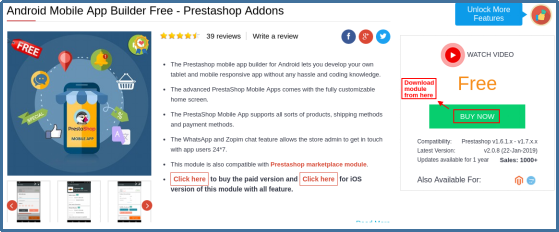
Download the PrestaShop Mobile App Builder free version for Android and iOS from KnowBand store. After successful download, you would receive a zipped file consisting of the source code of module which is to be installed on your web-store.
Step 2: Upload Module and Configure:
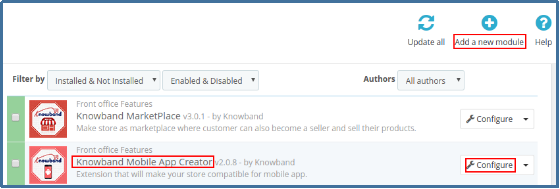
Install the downloaded zipped file on your PrestaShop store and you would see the option to configure the module. Open module backend and enable the plugin to link your store with the mobile app.
Step 3: Download Demo App & enter store URL:
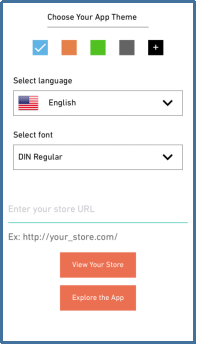
Download our PrestaShop Nautica Demo App on your test device from Google Play Store and Apple App Store. On opening the app, the above-shown splash screen will appear. All you need to do is to enter your website URL and tap ‘View Your Store’. For instance, if your store URL is https://www.knowband.com then, enter it as https://www.knowband.com/ and start testing your app.
That’s it! Now, you can experience your app working on the mobile app. This is the default view of your website on the app and can be customized accordingly with multiple backend options and functionalities. Once you are successfully satisfied with the working of the mobile app, you can go for the paid version of the module for app development with unlocked features.
KnowBand has brought this featured automated Mobile App Builder module for various other eCommerce platforms as well, like OpenCart, Magento, Magento 2 & WooCommerce. The testing process and the features are the same for every platform.
What to test in PrestaShop Demo Mobile App?
Once you start testing the functioning of PrestaShop Mobile App, here are 10 important points which must not be missed:
1. The home screen layout of the app is the default view which can be customized accordingly along with color options from module backend.
2. Multiple social login options(Google & Facebook) along with OTP and Fingerprint Authentication.
3. Add your store logo on the header of mobile app and showcase your brand as well.
4. Seamless product categorization with clutter-free product page. Layered navigation along with product swiping makes the search easier.
5. Social sharing of products on different social platforms directly from the product screen.
6. Add products in the wishlist and Shopping Cart with multiple size and color based options.
7. Simplified checkout screen with easy order creation.
8. Complete details of the placed order along with live tracking facility.
9. Send both automated and custom Push Notifications from the backend panel along with complete history.
10. Experience the flawless functioning of the mobile app right from entering the app to making the purchase.
Conclusion:
If testing your eCommerce website on the demo app is so easy with KnowBand, it’s a quite better option to go for it before actually making up your mind in choosing the right mobile app solution.
For any query or issue regarding testing of PrestaShop Mobile App kindly raise a ticket or contact us at support@knowband.com. Our prompt support team would be honored to assist you.
AA free security programme called Google Authenticator helps guard your accounts against password theft. Two-factor authentication, which is available on popular sites including Gmail, Facebook, Twitter, GoDaddy and Instagram, is simple to set up and use.
The app (iOS/Android) generates a random code that is used to verify your identity when you log into various services. The Google Authenticator app offers an additional layer of security over simply sending the code to your phone through text message each time.
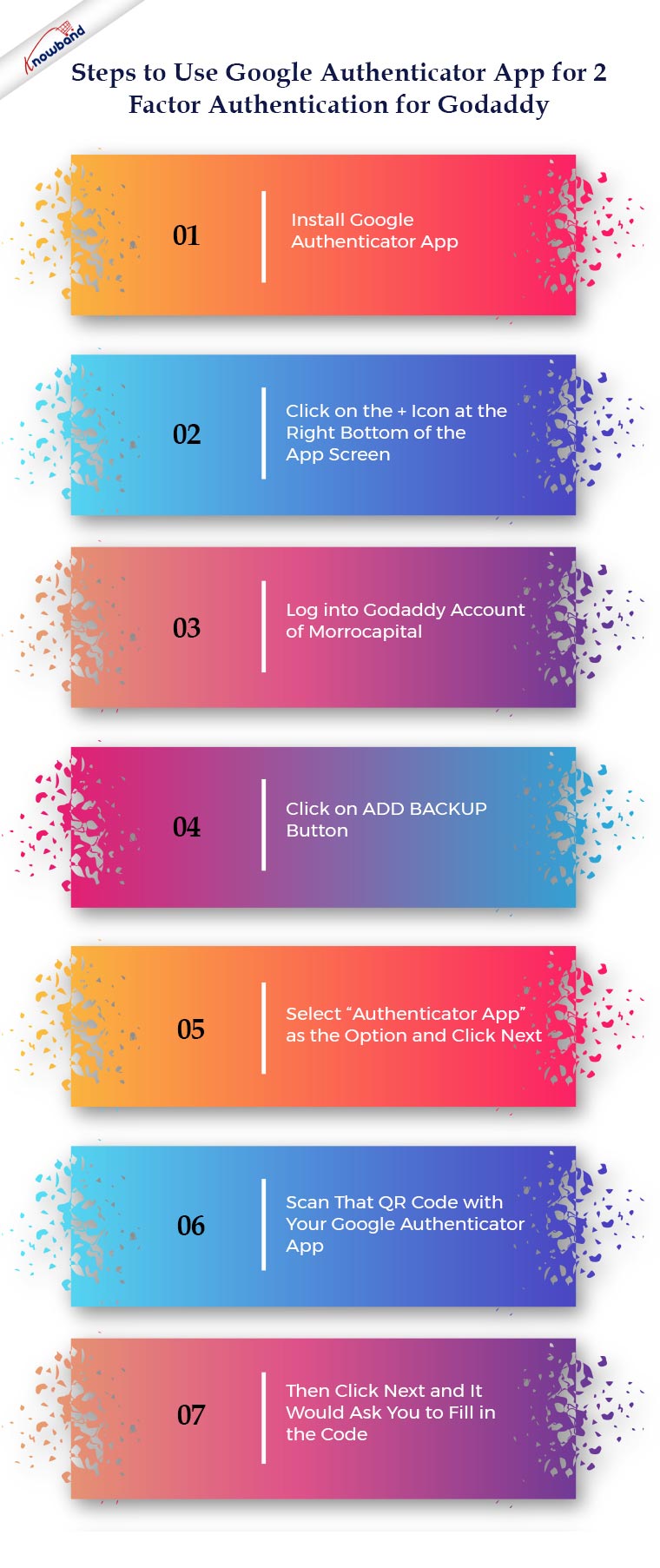
Step by Step Guide to Use Google Authenticator app for 2 Factor Authentication for Godaddy:
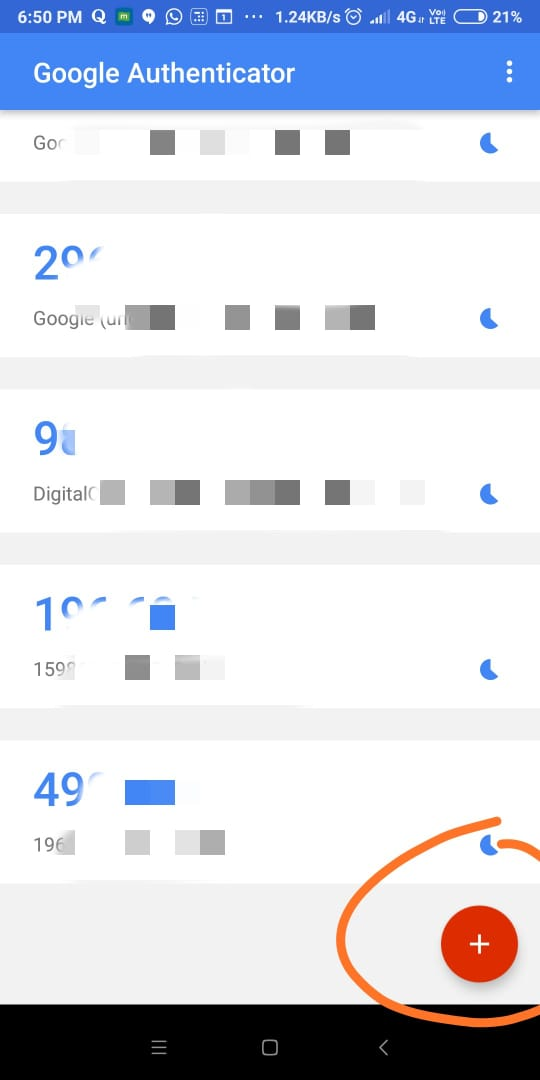
Install the 2-step Google Authenticator App for increased account security.
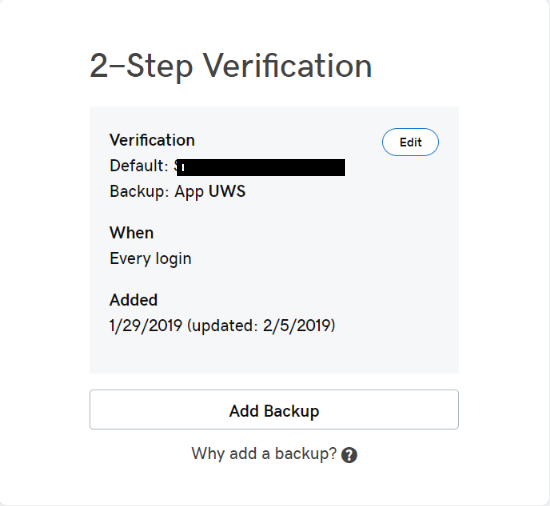
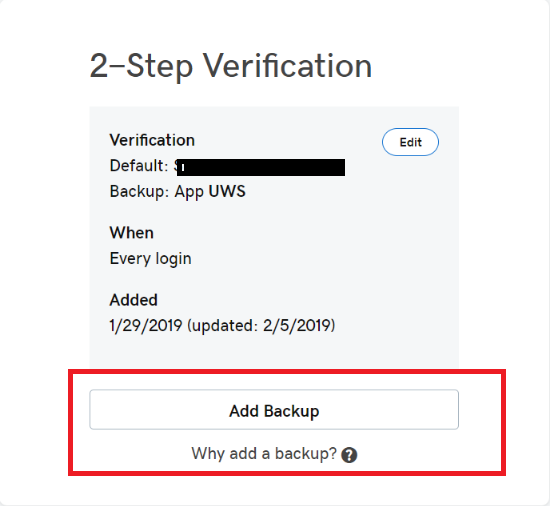
4. On the right bottom part you will see an option to ADD BACKUP. Click it.
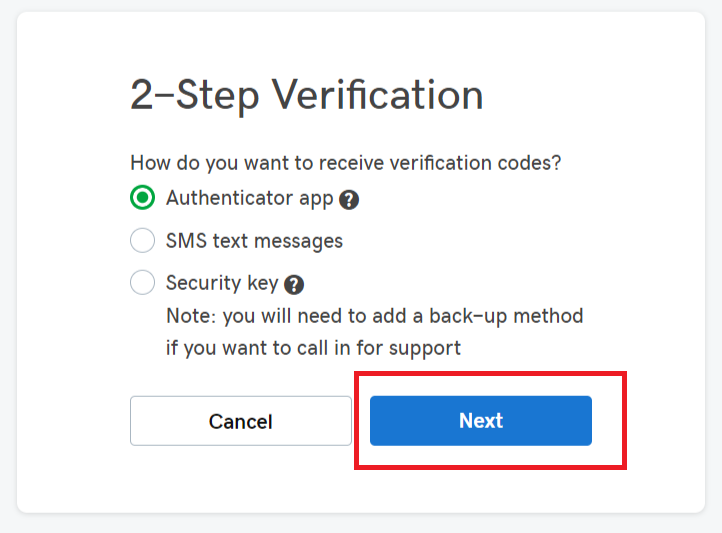
5. It will take you to the next screen where you need to select “Authenticator App” as the option and click NEXT.
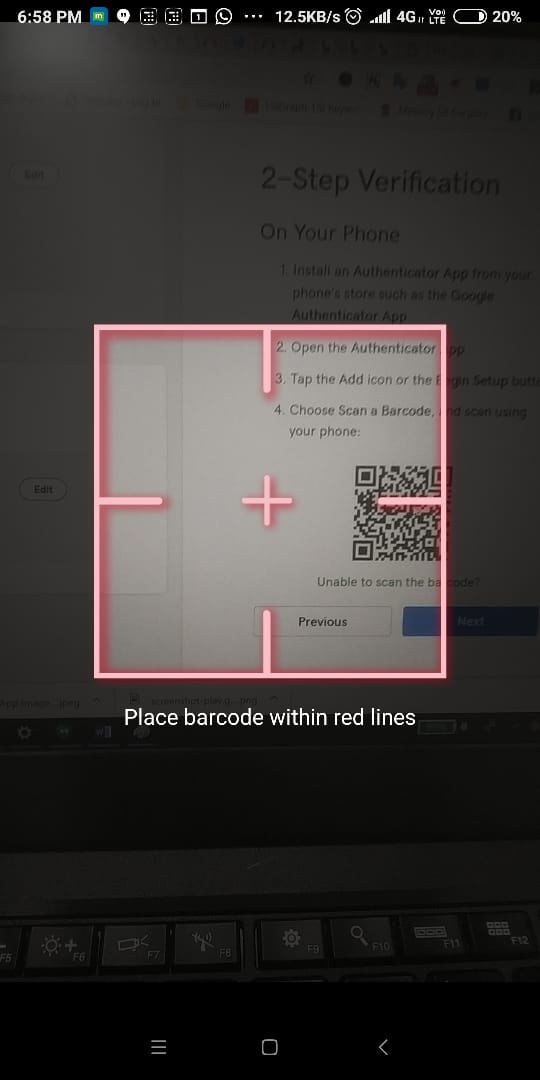
6. On the new screen it would show a QR code to you. You need to Scan that QR code with your Google Authenticator app (Step:2)
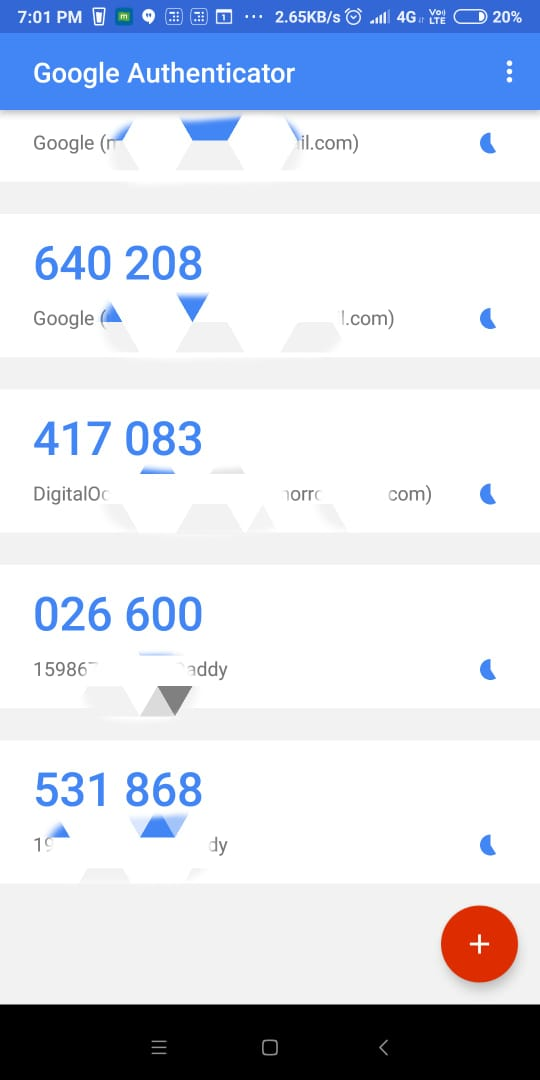
7. Then Click NEXT and it would ask you to fill in the code. Simply enter the code that is displayed in the Google Authenticator app and click Continue. Additionally, if the code is accurate, the app will be set up and you won’t need to rely just on SMS anymore. Although you can always use SMS as the authentication option while logging into the account.
Passwords may be easy to guess or obtain in other ways. It is uncommon for the hacker to additionally have access to the user’s actual device because the bulk of attacks takes place online.
Knowband, an eCommerce plugin development company, offers the most sophisticated and automated way to expand your online business to mobile platforms. Using the Mobile App Builder, they can turn your complete website into a mobile app with features. Also, it enables the store admin to sell things on mobile devices in addition to the standard website. The app’s features and operation perfectly mirror those of the website and operate on both Android and iPhone devices. To know in detail about the eCommerce mobile app builder, reach out to us at support@Knowband.com
With the evolution of modern technologies, the trend of online shopping is spreading with a pace and it’s popularity could be witnessed in every corner of the world. As a seller, it is necessary for them to delve into every segment of online trading for a good generation of revenues. The quest to remain ahead in the competition motivates these vendors to come out with some new strategies for good business growth. Selling on an eCommerce platform like Google Shopping provides opportunity even to small business owners and lets them expand their business reach. Before we move further, let’s discuss what exactly is Google Shopping?
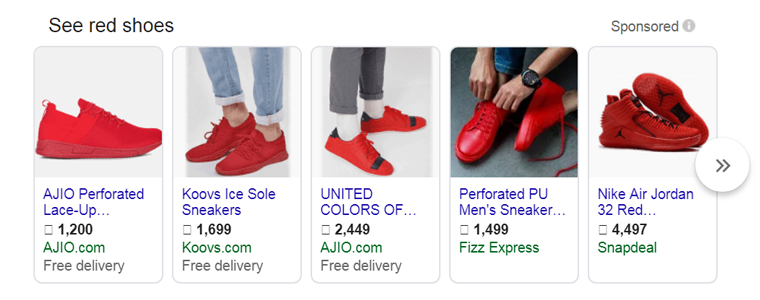
Google shopping is one of the best and most popular eCommerce platforms. It provides sellers an opportunity to access millions of customers around the globe. It is the best thought as an alternative marketplace through which shoppers are directed towards your website. Instead of paying a fixed commission, sellers have to pay an upfront fee to Google i.e., Cost Per Click (CPC) bid. The seller can also direct customers to third-party websites like Etsy, eBay, Walmart, Newegg, and others. If your product’s bid is high, then the Google search algorithm finds your listing relevant for a query given by users and will feature prominently on Google search results.
Becoming a seller on Google shopping is a multifarious entry process. Powered by two different platforms i.e., Google Merchant Center and Google Adwords (formerly Adwords), before selling products on Google shopping, sellers have to activate their accounts on both these platforms. For this, you will be needing a Google login. You can also login by your Gmail account either personal or professional.
Once you have established your account protocols, you can start by optimising your process from the very first step. Sellers must be aware of the Google shopping solutions that allow us to perform various tasks:
To filter the products which can be included in Google feeds.
Create rules for auto-optimisation of PLAs.
Validate feeds before submitting to Google.
Can set up import and feed schedules.
Create an alert whenever an error is rectified.
Can take help from experts of Google feed for fixing errors.
Get started with Google shopping:
Step 1. Feed Set Up on Google Merchant Center:
Mapping of feed and assigning the correct product category for Google Taxonomy could be an intimidating task for sellers. The process of feed mapping can be done manually or by the shopping cart of Google app, but using a trusted Google shopping integration is recommendable.
Documents required for setting up a feed on Google merchant center, Google and Go Data Feed are:
Google Product Feed Specifications
Google Summary of Attribute Requirements
After successfully completing the steps outlined by your Google Shopping feed, Google will take several days to approve it.
In between this time, sellers need to keep a check on the health of your feed. Keep a check that there are no errors or warnings as they would prevent your products from being listed.
If you have submitted the application manually, then you can monitor your feed status via Merchant Center. If you use GoDataFeed’s Google feeds, the app will automatically monitor your feeds and alert you regarding any issue, but still, it’s a good piece of advice to log in occasionally to assess your feed health by yourself.
Step 2. Launch a Shopping Campaign on Google Ads:
Google Shopping uses Product Listing Ads to launch a shopping campaign. Product Listing Ads do not require keywords but do require a connection to your product feed. While you can create Product Listing Ads in any existing campaign, for maximum control on your ad spend, creating a new campaign for your PLAs is recommendable.
Log in to Google Ads. Go to “Campaigns Tab”. This will take you to the “Select campaign settings” page.
After choosing campaign settings, you have to fill some relevant information. You can:
Name your campaign.
Select the linked Merchant Center ID under “Merchant identifier.”
Choose your “Country of sale.”
Set the locations you want to target under “Locations.”
Set your “Default bid,” which can be adjusted later for specific product groups.
Set your campaign budget on daily basis.
Add attributes. You can add up to 7 attribute filters.
Promote and prioritise your campaign (if you are working on multiple campaigns).
Try to use the “inventory filter” for specifying products you want to show in in your campaign.
Choose the method of delivery accordingly.
Schedule ads.
After choosing all these options, save the information and head towards the next page i.e., “Create ad groups.”
3. Create Ad Groups:
Ad groups page comes with the responsibility of notifying people about free shipping, site sales and other marketing campaigns through promotional texting.
After successfully creating a new campaign, you have to connect it to your product feed. This could be accomplished in 3 steps:
Go to Ad Extensions tab.
Then click on the view drop-down menu and select Product Extensions.
Next, click on the new Extensions button where and select your feed file. Also, remember to set the daily budget of your campaign.
Arranging your Ad groups just like grouping your products on your website should be given some thought before starting. It is the best way to start with by arranging them both in the same way. Sellers can also break the ad groups into Age, Gender, Category, and Brands.
Unlike traditional ad groups in Adwords, Product Listing Ads do not use keywords, however, there is a need to set maximum CPC (Cost Per Click) bids. Bidding is been done on products and not on keywords, so it’s better to focus on products more than keywords.
Here are the steps involved in creating an Ad Group:
Name your ad group.
Click on the drop-down menu next to “Subdivide by”.
Choose an attribute you wish to divide your products into multiple groups like Google Product Category, Product Type, Custom Label, Item ID, or Brand.
Click on Save and continue, soon you’ll be redirected to the “Product groups” page where a list of different groups of products according to the attributes you picked can be seen.
Bids would be suggested by Google based on your history or on bids made by other customers.
Step 4: Target Your Ad Groups:
Once you have created Ad groups, sellers need to inform Google about the products you want to associate with each ad group created by you.
You can perform it in the following steps:
Select an ad group and then select the Auto Targets tab.
Now, select the “Add new product target”.
Once you click on “Add product target” a new box will appear on your screen on which you can assign products to each ad group according to the attributes in the feed chosen by you, including product type, brand, condition, ads labels or ads grouping.
You can filter out up to three of the above attributes and Google will validate the filter. Creating a target for each ad group is a necessity.
5.Create Product Ads:
Building a product ad is a hassle-free feature for Product Listing Ads. There is no need to worry about headlines, ad copy or destination URLs as everything Google needs is in your feed. A product ad totally depends on how you created your ad groups.
You can create a new product ad by:
Selecting the Ad tab.
Now selecting the ad drop-down menu and select Product listing ad.
6. Add Promotions:
Last but not least, Google will prompt you to add a promotional message of 45 characters. This is a free service provided to add any message for the marketing of your products. You can promote your product by informing customers about your discounts and offers, free shipping or you can also write your company’s tag line etc. Sellers should take advantage of this valuable ad space! Products with promotional messages increase the trust of customers resulting in more leads.
Over to you:
Selling on a Marketplace like Google shopping is an advantageous choice in today’s eCommerce industry. It’s a great platforms for retailers to earn good chunks of profits, but it’s not a magic wand obviously. Even though sellers are getting good results, regular monitoring of your shopping campaign is a must. If you own multiple ad groups, but only a few are getting good conversions, it’ better to raise the CPC on the better converting ad group rather than spending time on the useless one. At last, I would sum up by the thought – “Never Settle and never stop optimising!!”
Dive into Happiness! Now Integrate your eCommerce with Google Shopping in just few clicks. KnowBand offers Google Shopping Integrators for various CMS platforms like Magento, OpenCart and PrestaShop which allows you to present your products among larger audience and encourage the brand awareness as well.
It would be extremely exciting to know what is going to happen in the future, especially when talking eCommerce, as the industry is continuously growing and upgrading and advancement in technology can always be seen resulting into battle between companies to win a greater share of the pie.
Although the future of eCommerce industry is certain but, there are many things which remain constant such as delivery time will be reduced, customer experience will get better, product selection will get even more pronounced. If we see eCommerce by a customer perspective, then how might it look? Would there be any significant change and also if you are a seller what new strategies you should be implementing on your business to stay ahead an extra edge over others.
1. eCommerce Delivery Drones:
Drone Delivery is perhaps one of the most advanced and exciting technology for delivery purposes we have already started seeing today. These drones will allow companies to deliver packages effectively and much more quickly. Drones will be sent directly from warehouse and will travel directly to the delivery address provided by the customers. This will significantly reduce cost and inconvenience of delivery process. Marketplace like Amazon is very close to make this a reality and soon we will be seeing drones flying towards our homes with our much awaited products.
2. Artificial Intelligence:
Although eCommerce is already gaining a significant amount of profits but this technology is the most remarkable in the success of eCommerce industry. AI is basically the machine intelligence which boosts machines to think, respond and perform tasks like human beings. Machines can learn from experience and adjust to new input. The increase in precision accounts for more accuracy and fewer errors or bugs, which means greater work efficiency. It has the ability to analyse the valuable insights more deeply which can increase the capability of various devices with its smart and useful algorithms. It can even create content now.
Artificial intelligence will definitely contribute in the marketing world this year as AI has empowered customer segmentation, re-targeting, push notifications, click tracking and many more features. After successful implementation of these strategies, eCommerce will move into an even higher level of sophistication as this technology improves. The responsibility for the eCommerce businesses is to encourage these processes as soon as possible. Small retailers always follow the major players so the proliferation of AI-driven systems is rapid and this improves the capabilities of the eCommerce industry even further.
3. eCommerce tracking into retail stores:
As time passes, the difference between eCommerce and physical commerce, will become less as sellers are already hoping towards ways to tie both online tracking and customer information with the real world experience. This allow retailers to customise the shopping experience and can use the existing online data to enhance the relationship between them and consumers in both online and offline mode.
4. Measurement Across All Devices:
As an user, it’s impossible to stick with a single device Not everyone sticks to a single device when buying from you. In fact, many people are always changing either between devices, or from web to mobile apps, before turning into paying customers. The measurement of analytics across different devices is still in its early stages but gradually it has become more significant field of interest in eCommerce.
The tracking of usage across multiple devices become more complex like, the processes of testing, tweaking and optimising the user experience but still it can be set in motion. This will surely open more opportunities for eCommerce retailers, and their offering across platforms.
5. Showrooming vs Webrooming:
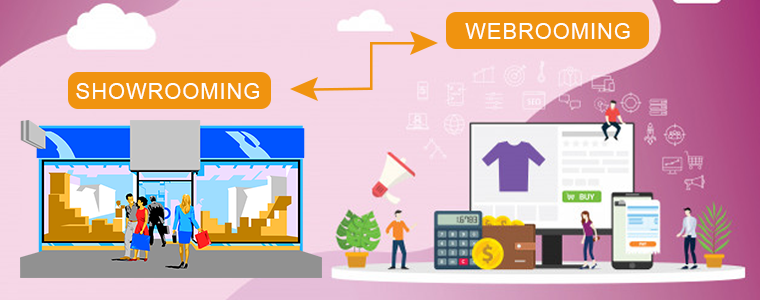
Customers are already hoping towards new alternative shopping ways to find the best items for themselves. “Show-rooming” and “web-rooming”, is a kind of process in which customers visit a local shop and then buy online for a cheaper price, or vice versa. This advancement is penetrating in the eCommerce industry with a high rate of success.
This is a new challenge faced by many retailers of bridging a gap between online and offline. As a seller, being only online is not sufficient as you would miss out the web-rooming aspect, because there are many sales made in a physical retail environment due to which your business could suffer from losses leading in less revenues.
6. Chatbots – New Virtual Support Service:
Chatbot, also known as conversational agent is a software technology which resemble the real human interaction either in written or spoken way. The advantage of using this technology is that you can handle your customer queries with 24*7 support. This directly saves your time and expenses plus generate some more leads than usual in odd timings too. Although there are high chances customers would likely suspect that they are communicating with robots. This leads to a considerable improvement of this technology otherwise, consumers would have to struggle with it.
7. Augmented Reality:
The idea of using this technology in eCommerce has immensely changed the shape of online retail business as it made convenient for customers to buy the products online with full satisfaction. Just imagine how satisfying it will be that you could virtually try on a dress, feel the fabric and could also know whether it suits you or not as it allows consumers to use their mobile cameras as dressing room mirrors.
Eg. Pepperfry, an Indian leading online home and lifestyle store, uses this feature as home shoppers can arrange virtual life size products in their own space so that they can visualise furniture and decor in the real home with a mobile device. This enable customers to purchase the product with full confidence that they will look great and fit in their home space.
Conclusion:
The future of eCommerce is already here. It has escorted a golden age for consumers by providing more products of better quality in less amount of time and efforts.
The eCommerce revolution is about to take over every country all over the world. It has become necessary for every seller out there to own an eCommerce website to expand their reach over millions of potential customers. This world is full of opportunity to evolve with success coming from all big and small steps alike. The future will exhibit itself it’s success in future. So, it’s time to be prepared and head towards some more new advancements of eCommerce.
Gaining huge profits was not that easy before. Integrate your eCommerce store with the Marketplaces like Etsy, eBay, Walmart and others in just a few simple steps. KnowBand offers Marketplace Integrators for various CMS platforms like PrestaShop, OpenCart, Magento and Shopify which allows you to present your products among larger audience and encourage the brand awareness as well.
With an increase in customer’s demand and advancement in technology, Marketplaces like Etsy, eBay, etc have already started gaining popularity. Creating an Online Marketplace like these Marketplaces requires lots of efforts and strategies. The marketplace is one of the most profits generating business. An online merchant can earn a huge profit from the commissions paid by the sellers. The store admin need not invest in inventories of products.
Why should we create an online Marketplace?
The Marketplace is an eCommerce platform where multiple buyers and sellers are connected on a single platform. Multi-vendor store bridges the gap between users and retailers. Multiple retailers integrate to sell their valuable items on the Marketplace. Retailers need to get themselves registered at the Marketplace and be a part of the large shopping organization. The marketplace can help an admin to increase the customer retention rate and earn from listing seller products, seller services, seller commission in addition to its sale.
The demand and reach of the Marketplaces are expanding every millisecond. It’s never too late to build your Marketplace.
B) If the admin is having an eCommerce store then there are various Marketplace extensions available in the Market to simply upgrade the store into a fully-featured Marketplace.
2. Merchant Panel:
Progress of a Marketplace mainly depends on its two main stakeholders i.e buyers and retailers. Details of buyers and sellers are very sensitive and need to be secured and protected. A Merchant panel to manage the seller list and listing of products is mandatory for running a Marketplace.
3. Effective Notification system:
A Notification system is required to keep the sellers and customers updated about any change at the Marketplace.
4. Feedback panel:
Review and Rating platform to monitor the customer’s valuable feedback needs to be there. Feedback sent by the customers is important for the growth of the eCommerce store.
5. Seller dashboard:
A dashboard for sellers to manage their product listings is required in a Marketplace.
How to build your Marketplaces like Etsy and eBay?
There is no denial in this fact that Marketplace is a great source of revenue for store owners. But to run a successful multi-vendor store is not a cup of tea for everyone. The total cost of building a fully-fledged Marketplace may vary from place to place. In various places, the cost of building a Multi vendor store is too lengthy and costly but the availability of the Marketplace modules has lessened the pain and it’s now easy and cheap to build a Marketplace like Etsy and eBay. To start building your Marketplace like Etsy and eBay you must keep the two basic pillars of the Marketplace in mind i.e., seller and buyers. A Marketplace can never run without its sellers and customers.
1. Patience and a plan
Patience is the key mantra in the way of your Multi vendor business. Patience is required in the initial stages of setting up the multi-vendor store. Keep your patience with you till both sides’ sellers and customer communities have established. The period required for the establishment is somewhat greater than an inventory based eCommerce startup where we build our supply chain. However, in the marketplace, both the customer and seller communities are required to build which eventually requires more time to run. The multi-vendor store may take a few months to prove their real worth in the meanwhile the admin needs to look for the target area and start focusing on that.
Etsy is one of the examples which started from a niche market (Vintage, handmade products, and books respectively) and later widened its target area. Thus the admin needs to stay focused, steady and patient with its plan.
2. Emphasis on the initial investment
Never rush for the initial investment decision. The online merchant needs to give himself some time to calculate the worth of its own business as everybody is not a Microsoft owner who has no scarcity of dollars. Some businesses show huge success with early big deals but it’s not possible to buy the speed while building a Marketplace. Emphasis on the initial investments would take your business furthermore on the runway.
Plans like big teams and big offices in the early stages of the multi-vendor store launch can be avoided. Initial marketplace investments are mostly required in two functions:
A. Building the marketplace site, and
B. Building the supply chain with the buyers and sellers community.
3. Target on the niche market
Etsy marketplace started as an eCommerce platform for Vintage and handmade crafts and later expanded its target area to other categories. As of now, Etsy even accepts the integration and the merchants can sell their goods on the oldest and successful multi-vendor store from their stand-alone eCommerce sites. Successful business though may provide you with diverse and rich quality stuff in one place but none of them has started from there where they are now. This narrowly targeted approach steadily grew up into a diverse market and the result is a successful online place like Etsy.
Action plans for targeting certain types of product categories and sellers can be adopted to gradually expand outside the niche of the circle.
4. Niche users utilities
From the above point, it’s clear that successful marketplaces are built from a niche to the masses. During the initial period, the emphasis is required to provide better user experiences to the early on-boarders. Before making plans to appeal the masses focus on user engagement for both the early sellers and customers.
Etsy in its budding stages did a superb job as a marketplace for handmade crafts which ultimately led to its expansion to other categories. Thus before focusing on the broader section first make sure the marketplace is doing justice in the narrow section which ultimately will take you to the enhanced section automatically.
5. Build a community with your Niche users
Focus on the utilities of the targeted Niche users and support them from time to time. Various social media platforms are available that can be used to build a community. Online Merchants can approach these platforms to expand their reach and build a healthy community. Like the Meowing tons that focused on the women who like cats and started selling the cat accessories, cat utilities, and cat theme accessories for women. Women Cat lovers shared a major part of the US population and thus it turned out to be a successful startup with more than 500 thousand followers on different social media platforms.
6. Focus on Stats
While building your Multi-vendor business the online merchant needs to have a vision and trust in himself. Having a vision is important to achieve success in the business but blind faith leads often leads to falling. Tracking your progress and reassessing these steps from time to time will enable you to calculate what is working for you and what is not.
If the stats are not in favor, the admin can rethink them and find measures to turn the result in its favor. Moreover, you can’t run a successful marketplace just with your vision, the online merchant needs to stay tuned with the latest stats and facts.
Measures to be taken care of in your online marketplace.
If you have been a vendor ever that experience can help you to get the best from the third-party sellers. Similarly having practical experience as a customer will help you to address the issues faced by the customers on the eCommerce site. For running a successful multi-vendor store equal attention must be paid to both the sellers and customers. Build a personal connection not only with your sellers but also have a strong customer relationship. A strong customer base will help you to approach the sellers for your multi-vendor store, in the same way, a large number of sellers and product variety can compel the visitors to shop from your site. Moreover, advertisements involving celebrities can play a major role in attracting both sellers and end-users.
How to get the customers?
As discussed earlier, some of the strategies the merchant needs to follow to bring the traffic on their site are:
1. Focus on the niche market.
2. Create a strong customer base
3. Take measures for customer retention.
4. Pay attention to the follow-up emails and social media engagements.
How to get the retailers on your site?
Once the Marketplace is established and you are clear about the niche, things will turn to be fruitful in your way. After you have conquered a place in the market, attracting the sellers will be easier.
Finally,
The steps discussed above will guide you in giving a correct start to your business. Building your own Marketplace business is a hard job as compared to a one-sided inventory model, but once the Marketplace is properly established and is going in the planned direction then things would start kicking and would setup your footwell and firm in the Market. Till then stay in touch with the latest trends and techniques to give your business new wings to fly high with both sides being well established.
For any query, feel free to contact support@Knowband.com
The store owner needs to look for all the available possibilities and benefits offered by them before making any move. It’s not an easy task for the admin to decide where to list the products. Marketplace is the prime options when it comes to online trading.Since the day, Marketplace concept has launched, it has spread a buzz among the eCommerce owners. Multiple benefits accompanied by the Marketplace with itself lure the store owners to switch to Marketplace from a single vendor store. We cannot ignore the growth eCommerce industry has witnessed in the past few years.The growth and success opportunity that Marketplace model can bring with it can’t be ignored. Etsy, eBay etc are the well known example of a successful Marketplace. Online Marketplace helps a vendor to enhance its traffic, earn manifold and take the business to new heights.Marketplace model is being adopted by many countries at present. Main functions carried out by the Marketplace is that it caters the requirements of all the users and will enhance the range of target audience.
What are the components of Marketplace model?
The components of the Marketplace structure that play an important role in success of your business are:
1. Inclusive nature
A marketplace model enables multiple vendors to easy register their store. Sellers need to follow a simple procedure for listing their products at the Marketplace. Many vendors ask for their profile page in the Marketplace. Sellers can add their profile details and manage their products using this profile page interface.
2. Feedback and reviews
In Marketplace, customers need to contact the sellers directly for any feedback and suggestion. Multi vendor Marketplace allows the customers to send their valuable feedback using their account or email id.
3. Easy Search feature
A full featured Marketplace allows the customers to search for the desired products in a hassle free manner. Smooth the search procedure higher will be the chances of conversions.
4. Price Management
Marketplace involves large number of sellers to sell their products. Higher is the chance that a particular product will be available at different price at the Marketplace. So a effective Marketplace will assist the sellers in maintaining the product price along with the features. Moreover the Marketplace admin will be generating a high amount of commission by selling the goods of third party vendors.
5. Perfect UX for users
The competition does not only exist between the sellers, but also the marketplace sites compete with each other too. This competition encourages the marketplace sites to offer tempting deals and additional offers. In addition to this, marketplace sites keep experimenting with their UI and UX optimization in order to provide the convenient user experience to the buyer so that they remain stacked to their site only.
How can Multi vendor Marketplace benefits the admin?
Here are some of the factors which will surely help you to understand the importance of Multi vendor Marketplace platforms in detail and will help in deciding the best choice for your business:
1. Expansion in every aspects:
Two important support systems of Marketplace are the sellers and customers. Marketplace floods customers with the items ad services of the multiple retailers at the same platform. Multi-vendor store enhances the range of targeted audience and give a boost to the sales. More the choice of goods offered at the Marketplace better will be the probability of visitors turning into loyal customers.It’s really important to attract visitors towards your product and convert them into potential buyers. Selling through your website provides you the freedom to display products as per your choice but your product reach is confined to limited customers only.
2. Marketplace penetration:
Marketplace helps you to expand your store reach and earn from various regions by providing early shipment to the customers. Sellers of different locations integrate together to sell their items or services at the Marketplace. Services can be provided to the customers in the earliest possible time as sellers can easily satisfy their early shipment needs.
3. Cost Management:
The main benefits offered to the admin by building their Marketplace is that the Marketplace takes away the responsibility of inventory management, product update and SKU up gradation. Expenses required in managing the inventories gets reduced without even disturbing the business.
4. Efficiency:
Unlike the single business unit, Marketplace involves the division of responsibilities and labour. Marketplace provides a smooth and speedy services in an efficient way. With Multivendor Marketplace, packaging and shipment services can be offered to the customers in a speedy way.
5. Customer Satisfaction:
Marketplace provides the customers with wide range of options to choose from. The main intention behind building the multi-vendor store is integrating multiple sellers along with their diverse services under one roof. Providing customers the choice to select from the wide range of the goods and satisfying their needs boosts the conversion rate of the stores.
6. Boost to the economy:
While providing such benefits, the one thing which multi-vendor store model does silently is its contribution to the economy. By bringing various vendors and start up together, it give a boost to the base of economy. Especially in developing countries where a large portion of market is captured by start ups, building a Marketplace will not only boost the sale but will uplift the revenue.
7. Increased Customer Retention:
Marketplace offer goods and services of Multiple vendors to the customers at the same platform. Multi-vendor store allows the admin to identify their customers, build relationships with them and brings new customers with the similar choices and preferences.The customers get a wide range of product to choose form, while the sellers get an access to larger audience range. The e-commerce website on the other hand enjoys various benefits in terms of cost cuts, customer satisfaction, enhanced conversion rate, and commission from the sellers.
8. No pain of Managing pure inventory
Now the firms do not have to necessarily manage their own inventory. The inventory is maintained by the sellers and also the delivery in most of the cases. There are certain sites who operate as the hybrid ones and manage their own inventories too. However, the pure form of the marketplace does not include the inventory management by marketplace firms.
Watch how Marketplace works?
Conclusion:
Store owners are always looking for growth and expansion of their business. The mutual benefits, cost management, enhanced traffic, increased conversion rates and inclusive nature of the model builds a win-win situation for the admin. Various software are available in the market that can build your Marketplace in an hassle free manner. Extensions for building a multi vendor Marketplace are available for PrestaShop, Magento, Magento 2 and OpenCart stores.
There is no doubt that Marketplace can improve the performance and conversion rates for your eCommerce store. But don’t wait for a Miracle to happen to boost the growth of your business instead switch to the Marketplace and be the owner of a Marketplace like Etsy and eBay.
For further information, feel free to contact support@Knowband.com
El propietario de la tienda debe buscar todas las posibilidades disponibles y los beneficios ofrecidos por ellos antes de realizar cualquier movimiento. No es una tarea fácil para el administrador decidir dónde listar los productos. Marketplace es la mejor opción cuando se trata de transacciones en línea. Desde el día, Mercado El concepto se ha lanzado, se ha difundido entre los propietarios de comercio electrónico. Los múltiples beneficios acompañados por el Mercado atraen a los propietarios de las tiendas para que cambien a Mercado de una tienda de un solo vendedor.. No podemos ignorar el crecimiento que ha experimentado la industria de comercio electrónico en los últimos años. La oportunidad de crecimiento y éxito que el modelo de Marketplace puede aportar no puede ser ignorada. Etsy, eBay etc son el ejemplo bien conocido de un mercado exitoso. El mercado en línea ayuda a un proveedor a mejorar su tráfico, ganar múltiples y llevar el negocio a nuevos niveles.Modelo de mercado Actualmente está siendo adoptado por muchos países. Las principales funciones llevadas a cabo por el mercado es que satisface los requisitos de todos los usuarios y mejorará el rango de audiencia objetivo.
¿Cuáles son los componentes del modelo de Marketplace?
Los componentes de la estructura del Mercado que juegan un papel importante en el éxito de su negocio son:
1. Naturaleza inclusiva
Un modelo de mercado permite a múltiples proveedores registrar fácilmente su tienda. Los vendedores deben seguir un procedimiento simple para enumerar sus productos en el Mercado. Muchos proveedores solicitan su página de perfil en el Mercado. Los vendedores pueden agregar sus detalles de perfil y administrar sus productos usando esta interfaz de página de perfil.
2. Comentarios y opiniones
En Marketplace, los clientes deben ponerse en contacto con los vendedores directamente para cualquier comentario o sugerencia. El Mercado de múltiples proveedores permite a los clientes enviar sus valiosos comentarios utilizando su cuenta o identificación de correo electrónico.
3. Característica de búsqueda fácil
Un mercado con todas las funciones permite a los clientes buscar los productos deseados sin problemas. Allanar el procedimiento de búsqueda más alto serán las posibilidades de conversiones.
4. Gestión de precios
El mercado involucra a un gran número de vendedores para vender sus productos. Mayor es la posibilidad de que un producto en particular esté disponible a un precio diferente en el Mercado. Por lo tanto, un mercado efectivo ayudará a los vendedores a mantener el precio del producto junto con las características. Además, el administrador del Mercado generará una gran cantidad de comisiones por la venta de productos de terceros proveedores.
5. Perfecto
los
¿Cómo puede el mercado de proveedores múltiples beneficiar al administrador?
Estos son algunos de los factores que seguramente le ayudarán a comprender la importancia de Mercado de múltiples proveedores Las plataformas en detalle y le ayudarán a decidir la mejor opción para su negocio:
1. Expansión en todos los aspectos:
Dos importantes sistemas de soporte de Marketplace son los vendedores y los clientes. El mercado inunda a los clientes con los artículos y servicios de los minoristas en la misma plataforma. El mercado mejora el rango de audiencia y da un impulso a las ventas. Más la opción de productos ofrecidos en el Mercado mejor será la probabilidad de que los visitantes se conviertan en clientes leales. Es muy importante atraer visitantes hacia su producto y convertirlos en compradores potenciales. La venta a través de su sitio web le brinda la libertad de mostrar los productos según su elección, pero el alcance de su producto se limita a clientes limitados.
2. Penetración en el mercado:
Marketplace le ayuda a expandir el alcance de su tienda y ganar desde varias regiones al proporcionar un envío temprano a los clientes. Los vendedores de diferentes ubicaciones se integran para vender sus artículos o servicios en el Mercado. Los servicios se pueden proporcionar a los clientes lo antes posible, ya que los vendedores pueden satisfacer fácilmente sus necesidades de envío anticipado.
3. Manejo de costos:
Los principales beneficios que se ofrecen al administrador al crear su Mercado es que el Mercado elimina la responsabilidad de la administración del inventario, la actualización del producto y la graduación de SKU. Los gastos requeridos para administrar los inventarios se reducen sin siquiera molestar al negocio.
4. Eficiencia:
A diferencia de la unidad de negocio única, Marketplace implica la división de responsabilidades y mano de obra. Marketplace proporciona servicios ágiles y rápidos de manera eficiente. Con el Mercado de proveedores múltiples, los servicios de empaquetado y envío se pueden ofrecer a los clientes de manera rápida.
5. La satisfacción del cliente:
Marketplace ofrece a los clientes una amplia gama de opciones para elegir. La intención principal detrás de la construcción del Mercado es la integración de múltiples vendedores junto con sus diversos servicios bajo un mismo techo. Proporcionar a los clientes la opción de seleccionar entre la amplia gama de productos y satisfacer sus necesidades aumenta la tasa de conversión de las tiendas.
6. Impulso a la economía:
Al proporcionar tales beneficios, lo único que el modelo de mercado hace silenciosamente es su contribución a la economía. Al reunir a varios proveedores y comenzar a trabajar juntos, se da un impulso a la base de la economía. Especialmente en los países en desarrollo donde las empresas de nueva creación capturan una gran parte del mercado, la creación de un Mercado no solo impulsará la venta sino que elevará los ingresos.
7. Mayor retención de clientes:
Marketplace ofrece bienes y servicios de múltiples proveedores a los clientes en la misma plataforma. Marketplace permite al administrador identificar sus clientes, construir relaciones con ellos y trae nuevos clientes con opciones y preferencias similares. Los clientes obtienen una amplia gama de productos para elegir, mientras que los vendedores obtienen acceso a un mayor rango de audiencia. El sitio web de comercio electrónico, por otro lado, disfruta de varios beneficios en términos de reducción de costos, satisfacción del cliente, mayor tasa de conversión y comisión de los vendedores.
8. No hay problema con la gestión de inventario puro
Ahora
Mira cómo funciona Marketplace?
?
Conclusión:
Los dueños de las tiendas siempre están buscando el crecimiento y la expansión de sus negocios. Los beneficios mutuos, la gestión de costos, el tráfico mejorado, los mayores índices de conversión y la naturaleza inclusiva del modelo crean una situación de ganar-ganar para el administrador. Hay varios programas disponibles en el mercado que pueden construir su Mercado sin complicaciones. Extensiones para construir un mercado de múltiples proveedores están disponibles para PrestaShop, Magento, Magento 2 y OpenCart víveres. No hay duda de que Marketplace puede mejorar el rendimiento y las tasas de conversión para su tienda de comercio electrónico. Pero no espere a que ocurra un milagro para impulsar el crecimiento de su negocio, en lugar de eso, cambie al Mercado y sea el propietario de un Mercado como Etsy y eBay. Para más información, no dude en ponerse en contacto con support@Knowband.com
Le propriétaire du magasin doit rechercher toutes les possibilités et les avantages offerts par lui avant d'entreprendre un déménagement. Ce n'est pas une tâche facile pour l'administrateur de décider où lister les produits. Le marché est la première option pour le trading en ligne. Depuis le jour Marché Le concept a été lancé, il a suscité un engouement parmi les propriétaires de commerce électronique. Les multiples avantages accompagnés par le Marketplace avec eux-mêmes incitent les propriétaires de magasins à passer à Marketplace à partir d'un seul magasin. Nous ne pouvons pas ignorer la croissance observée par le secteur du commerce électronique au cours des dernières années. Les possibilités de croissance et de réussite que le modèle de marché peut apporter ne peuvent être ignorées. Etsy, eBay etc. sont l'exemple bien connu d'un marché réussi. Online Marketplace aide un fournisseur à améliorer son trafic, à en gagner de multiples et à porter son activité à de nouveaux sommets.Modèle de marché est en cours d'adoption par de nombreux pays. Le marché a pour fonctions principales de répondre aux besoins de tous les utilisateurs et d’élargir la gamme des publics cibles.
Quels sont les composants du modèle Marketplace?
Les composants de la structure Marketplace qui jouent un rôle important dans le succès de votre entreprise sont les suivants:
1. Nature inclusive
Un modèle de marché permet à plusieurs fournisseurs d’enregistrer facilement leur magasin. Les vendeurs doivent suivre une procédure simple pour répertorier leurs produits sur le marché. De nombreux fournisseurs demandent leur page de profil sur le marché. Les vendeurs peuvent ajouter les détails de leur profil et gérer leurs produits à l'aide de cette interface de page de profil.
2. Commentaires et critiques
Dans Marketplace, les clients doivent contacter directement les vendeurs pour tout commentaire ou suggestion. Le marché multi-fournisseurs permet aux clients d’envoyer leurs précieux commentaires en utilisant leur identifiant de compte ou leur adresse email.
3. Fonction de recherche facile
Un marché complet permet aux clients de rechercher les produits souhaités sans problème. Lisser la procédure de recherche plus haut sera les chances de conversions.
4. Gestion des prix
Le marché implique un grand nombre de vendeurs pour vendre leurs produits. Plus le risque est grand qu'un produit particulier soit disponible à un prix différent sur le marché. Ainsi, un marché efficace aidera les vendeurs à maintenir le prix du produit ainsi que les caractéristiques. De plus, l’administrateur de Marketplace générera un montant élevé de commissions en vendant les produits de fournisseurs tiers.
5. Parfait
le
Comment le marché multi-fournisseurs peut-il être avantageux pour l'administrateur?
Voici quelques facteurs qui vous aideront sûrement à comprendre l’importance de la Marché multi-vendeurs plates-formes en détail et vous aidera à choisir le meilleur choix pour votre entreprise:
1. Expansion dans tous les aspects:
Les deux principaux systèmes de support de Marketplace sont les vendeurs et les clients. Le marché submerge les clients avec les services publicitaires des articles de plusieurs détaillants sur la même plate-forme. Marketplace élargit l'éventail des publics cibles et stimule les ventes. Plus le choix des produits proposés sur le marché sera meilleur, plus la probabilité que les visiteurs deviennent des clients fidèles sera meilleure. Il est très important d'attirer les visiteurs vers votre produit et de les convertir en acheteurs potentiels. Vendre sur votre site Web vous donne la liberté d'afficher les produits selon votre choix, mais la portée de vos produits est limitée à un nombre limité de clients.
2. Pénétration du marché:
Marketplace vous aide à étendre la portée de votre magasin et à gagner de l'argent dans différentes régions en fournissant une livraison rapide aux clients. Les vendeurs de différents sites s’intègrent pour vendre leurs articles ou leurs services sur le marché. Les services peuvent être fournis aux clients le plus tôt possible, les vendeurs pouvant facilement satisfaire leurs besoins en matière d'expédition anticipée.
3. La gestion des coûts:
Les principaux avantages offerts aux administrateurs par la construction de leur Marketplace sont que cette dernière supprime la responsabilité de la gestion des stocks, de la mise à jour des produits et de la mise à niveau des SKU. Les dépenses nécessaires à la gestion des stocks sont réduites sans même déranger les activités.
4. Efficacité:
Contrairement à la seule unité commerciale, Marketplace implique une division des responsabilités et des tâches. Marketplace fournit des services rapides et efficaces de manière efficace. Avec Multi vendor Marketplace, les services d’emballage et d’expédition peuvent être rapidement offerts aux clients.
5. Satisfaction du client:
Marketplace propose aux clients un large éventail d'options parmi lesquelles choisir. L'intention principale derrière la création du marché consiste à intégrer plusieurs vendeurs avec leurs divers services sous un même toit. Fournir aux clients le choix de choisir parmi la vaste gamme de produits et satisfaire leurs besoins augmente le taux de conversion des magasins.
6. Coup de pouce à l'économie:
Tout en offrant de tels avantages, la seule chose que le modèle de marché utilise en silence est sa contribution à l’économie. En réunissant différents fournisseurs et en les mettant en route ensemble, cela donne un coup de pouce à la base de l'économie. En particulier dans les pays en développement où une grande partie du marché est capturée par les nouvelles entreprises, la création d’un marché permettra non seulement d’augmenter les ventes, mais également d’augmenter les revenus.
7. Augmentation de la rétention de la clientèle:
Marketplace propose des produits et services de plusieurs fournisseurs aux clients sur la même plate-forme. Marketplace permet à l'administrateur d'identifier ses clients, établir des relations avec eux et apporte de nouveaux clients avec les mêmes choix et préférences. Les clients obtiennent une large gamme de produits à choisir forme, tandis que les vendeurs ont accès à une plus large gamme de public. Le site Web de commerce électronique, quant à lui, présente divers avantages en termes de réduction des coûts, de satisfaction de la clientèle, de taux de conversion amélioré et de commission des vendeurs.
8. Aucune douleur de la gestion des stocks purs
À présent
Regardez comment fonctionne le marché?
?
Conclusion:
Les propriétaires de magasins sont toujours à la recherche de croissance et d’expansion de leur entreprise. Les avantages mutuels, la gestion des coûts, l'amélioration du trafic, l'augmentation des taux de conversion et la nature inclusive du modèle créent une situation gagnant-gagnant pour l'administrateur. Différents logiciels sont disponibles sur le marché pour construire votre Marketplace de manière simple et sans tracas. Des extensions permettant de créer un marché multi-fournisseurs sont disponibles pour PrestaShop, Magento, Magento 2 et OpenCart magasins. Il ne fait aucun doute que Marketplace peut améliorer les performances et les taux de conversion de votre boutique en ligne. Mais n'attendez pas qu'un miracle se produise pour stimuler la croissance de votre entreprise, mais passez plutôt au marché et devenez propriétaire d'un marché comme Etsy et eBay. Pour plus d'informations, n'hésitez pas à contacter support@Knowband.com
Der Ladenbesitzer muss nach allen verfügbaren Möglichkeiten und Vorteilen suchen, bevor er etwas unternimmt. Es ist keine leichte Aufgabe für den Administrator zu entscheiden, wo die Produkte aufgelistet werden sollen. Der Marktplatz ist die beste Wahl, wenn es um Online-Handel geht. Marktplatz Das Konzept wurde eingeführt, es hat bei den E-Commerce-Inhabern einen regen Zuspruch ausgelöst. Zahlreiche Vorteile, die der Marktplatz mit sich bringt, locken die Ladenbesitzer zum Wechsel Marktplatz aus einem einzigen Händlershop. Wir können das Wachstum der E-Commerce-Branche in den letzten Jahren nicht ignorieren. Die Wachstums- und Erfolgschancen, die das Marketplace-Modell mit sich bringen kann, können nicht ignoriert werden. Etsy, Ebay usw. sind das bekannte Beispiel eines erfolgreichen Marketplace. Der Online-Marktplatz hilft einem Anbieter, seinen Datenverkehr zu verbessern, vielfältig zu verdienen und das Geschäft zu neuen Höhen zu führen.Marktplatzmodell wird derzeit von vielen Ländern übernommen. Die wichtigsten Funktionen des Marketplace sind, dass er die Anforderungen aller Benutzer berücksichtigt und die Reichweite der Zielgruppe erhöht.
Was sind die Komponenten des Marketplace-Modells?
Die Komponenten der Marketplace-Struktur, die eine wichtige Rolle für den Erfolg Ihres Unternehmens spielen, sind:
1. Inklusive Natur
Ein Marktplatzmodell ermöglicht mehreren Anbietern die einfache Registrierung ihres Geschäfts. Verkäufer müssen ein einfaches Verfahren befolgen, um ihre Produkte auf dem Marketplace zu platzieren. Viele Anbieter fragen im Marketplace nach ihrer Profilseite. Verkäufer können ihre Profildetails hinzufügen und ihre Produkte über diese Benutzeroberfläche der Profilseite verwalten.
2. Feedback und Bewertungen
In Marketplace müssen Kunden die Verkäufer direkt kontaktieren, um Feedback und Vorschläge zu erhalten. Der Marktplatz für mehrere Anbieter ermöglicht es den Kunden, wertvolles Feedback über ihre Konto- oder E-Mail-ID zu senden.
3. Einfache Suchfunktion
Ein voll ausgestatteter Marktplatz ermöglicht es den Kunden, problemlos nach den gewünschten Produkten zu suchen. Wenn Sie den Suchvorgang nach oben glätten, werden die Konvertierungsmöglichkeiten erhöht.
4. Preismanagement
Der Marktplatz umfasst eine große Anzahl von Verkäufern, um ihre Produkte zu verkaufen. Höher ist die Chance, dass ein bestimmtes Produkt zu unterschiedlichen Preisen auf dem Marktplatz erhältlich ist. Ein effektiver Marktplatz wird die Verkäufer dabei unterstützen, den Produktpreis zusammen mit den Funktionen zu erhalten. Darüber hinaus wird der Marketplace-Administrator durch den Verkauf von Waren von Drittanbietern eine hohe Provision generieren.
5. Perfekt
Das
Welche Vorteile bietet der Multi Vendor Marketplace dem Admin?
Hier sind einige der Faktoren, die Ihnen sicherlich helfen werden, die Bedeutung von zu verstehen Multi-Anbieter-Marktplatz Plattformen im Detail und hilft bei der Entscheidung für die beste Wahl für Ihr Unternehmen:
1. Expansion in allen Bereichen:
Zwei wichtige Unterstützungssysteme von Marketplace sind die Verkäufer und Kunden. Der Marktplatz überschwemmt die Kunden mit den Artikel-Werbediensten der verschiedenen Einzelhändler auf derselben Plattform. Marktplatz erhöht die Reichweite der Zielgruppe und steigert den Umsatz. Bei der Auswahl der auf dem Marktplatz angebotenen Waren wird die Wahrscheinlichkeit höher, dass Besucher zu treuen Kunden werden. Es ist wirklich wichtig, Besucher für Ihr Produkt zu gewinnen und sie in potenzielle Käufer zu verwandeln. Der Verkauf über Ihre Website bietet Ihnen die Freiheit, Produkte nach Ihrer Wahl anzuzeigen, aber Ihre Produktreichweite ist nur für begrenzte Kunden begrenzt.
2. Marktdurchdringung:
Marketplace hilft Ihnen dabei, die Reichweite Ihrer Filialen zu erhöhen und aus verschiedenen Regionen zu verdienen, indem Sie den Kunden einen frühen Versand ermöglichen. Verkäufer verschiedener Standorte integrieren sich, um ihre Artikel oder Dienstleistungen auf dem Marketplace zu verkaufen. Dienstleistungen können den Kunden so früh wie möglich zur Verfügung gestellt werden, da die Verkäufer ihren frühen Versandbedürfnissen problemlos nachkommen können.
3. Kostenmanagement:
Die Hauptvorteile, die der Administrator durch den Aufbau seines Marketplace bietet, bestehen darin, dass der Marketplace die Verantwortung für die Bestandsverwaltung, die Produktaktualisierung und die Abstufung der SKU übernimmt. Der Aufwand für die Verwaltung der Bestände wird reduziert, ohne das Geschäft zu stören.
4. Effizienz:
Im Gegensatz zu einer einzelnen Geschäftseinheit beinhaltet Marketplace die Aufteilung von Verantwortlichkeiten und Arbeit. Marketplace bietet reibungslose und schnelle Dienste auf effiziente Weise. Mit dem Multi Vendor Marketplace können den Kunden Verpackungs- und Versanddienstleistungen schnell angeboten werden.
5. Kundenzufriedenheit:
Marketplace bietet den Kunden eine große Auswahl an Optionen. Die Hauptabsicht hinter dem Aufbau des Marketplace besteht darin, mehrere Verkäufer zusammen mit ihren vielfältigen Dienstleistungen unter einem Dach zu integrieren. Kunden die Wahl zu geben, aus dem breiten Warenangebot zu wählen und ihre Bedürfnisse zu befriedigen, erhöht die Konversionsrate der Filialen.
6. Boost für die Wirtschaft:
Das Marketplace-Modell leistet zwar solche Vorteile und leistet jedoch einen Beitrag zur Wirtschaft. Indem sie verschiedene Anbieter zusammenbringt und zusammen startet, erhöht dies die Wirtschaftsbasis. Insbesondere in Entwicklungsländern, in denen ein großer Teil des Marktes von Start-Ups erobert wird, wird der Aufbau eines Marketplace nicht nur den Verkauf steigern, sondern auch den Umsatz steigern.
7. Erhöhte Kundenbindung:
Marketplace bietet Waren und Dienstleistungen mehrerer Anbieter den Kunden auf derselben Plattform an. Marketplace ermöglicht es dem Administrator, sie zu identifizieren Kunden, Beziehungen aufbauen mit ihnen und bringt neue Kunden mit ähnlichen Entscheidungen und Vorlieben. Die Kunden erhalten eine breite Produktpalette zur Auswahl des Formulars, während die Verkäufer Zugang zu einer größeren Zielgruppe haben. Die E-Commerce-Website hingegen bietet verschiedene Vorteile in Bezug auf Kostensenkungen, Kundenzufriedenheit, verbesserte Conversion-Rate und Provisionen der Verkäufer.
8. Keine Schmerzen beim Verwalten von reinem Inventar
Jetzt
Beobachten Sie, wie der Marktplatz funktioniert.
?
Fazit:
Ladenbesitzer sind immer auf der Suche nach Wachstum und Expansion ihres Geschäfts. Der gegenseitige Nutzen, das Kostenmanagement, die Verbesserung des Datenverkehrs, die Erhöhung der Konversionsrate und die Inklusivität des Modells schaffen eine Win-Win-Situation für den Administrator. Auf dem Markt gibt es verschiedene Software, mit der Sie Ihren Marktplatz problemlos erstellen können. Erweiterungen für den Aufbau eines Marktplatzes für mehrere Anbieter sind für verfügbar PrestaShop, Magento, Magento 2 und OpenCart Shops. Es besteht kein Zweifel, dass Marketplace die Leistung und die Konversionsraten für Ihren E-Commerce-Shop verbessern kann. Aber warten Sie nicht auf ein Wunder, um das Wachstum Ihres Unternehmens anzukurbeln. Wechseln Sie zum Marketplace und sind Sie Inhaber eines Marketplace wie Etsy und eBay. Für weitere Informationen wenden Sie sich bitte an support@Knowband.com
Il proprietario del negozio ha bisogno di cercare tutte le possibilità e i benefici offerti da loro prima di fare qualsiasi mossa. Non è un compito facile per l'amministratore decidere dove elencare i prodotti. Il mercato è la prima opzione per il trading online. Dal giorno, Mercato il concetto è stato lanciato, ha diffuso un ronzio tra i proprietari dell'e-commerce. Numerosi vantaggi, accompagnati dal Marketplace, attirano di per sé i proprietari dei negozi Marketplace da un unico negozio. Non possiamo ignorare la crescita del settore dell'eCommerce negli ultimi anni. La crescita e le opportunità di successo che il modello di mercato può portare con sé non possono essere ignorate. Etsy, eBay ecc sono l'esempio ben noto di un mercato di successo. Il mercato online aiuta un venditore a migliorare il proprio traffico, a guadagnare molteplice ea portare il business a nuovi livelli.Modello di mercato è attualmente adottato da molti paesi. Le funzioni principali svolte dal Marketplace sono che soddisfa i requisiti di tutti gli utenti e migliorerà la gamma di destinatari.
Quali sono i componenti del modello di mercato?
I componenti della struttura del Marketplace che svolgono un ruolo importante nel successo della tua attività sono:
1. Natura inclusiva
Un modello di marketplace consente a più fornitori di registrare facilmente il proprio negozio. I venditori devono seguire una semplice procedura per elencare i loro prodotti sul Marketplace. Molti venditori chiedono la loro pagina del profilo nel Marketplace. I venditori possono aggiungere i dettagli del loro profilo e gestire i loro prodotti utilizzando questa interfaccia della pagina del profilo.
2. Feedback e recensioni
Nel Marketplace, i clienti devono contattare direttamente i venditori per qualsiasi feedback e suggerimento. Il Multi vendor Marketplace consente ai clienti di inviare i loro preziosi feedback usando il proprio account o id di e-mail.
3. Funzione di ricerca facile
Un Marketplace completo consente ai clienti di cercare i prodotti desiderati in modo semplice e senza problemi. Attenuare la procedura di ricerca più in alto sarà la possibilità di conversioni.
4. Gestione dei prezzi
Il mercato coinvolge un gran numero di venditori per vendere i loro prodotti. Più alta è la possibilità che un particolare prodotto sarà disponibile a prezzi diversi sul Marketplace. Quindi un efficace Marketplace aiuterà i venditori a mantenere il prezzo del prodotto insieme alle caratteristiche. Inoltre, l'amministratore del Marketplace genererà un'elevata quantità di commissioni vendendo i beni di fornitori terzi.
5. Perfezionare
Il
In che modo il Multi vendor Marketplace può essere di beneficio per l'amministratore?
Ecco alcuni dei fattori che sicuramente ti aiuteranno a capire l'importanza di Multi vendor Marketplace piattaforme in dettaglio e ti aiuterà a decidere la scelta migliore per la tua attività:
1. Espansione in tutti gli aspetti:
Due importanti sistemi di supporto del Marketplace sono venditori e clienti. Il mercato inonda i clienti con i servizi pubblicitari degli articoli dei vari rivenditori sulla stessa piattaforma. Marketplace migliora la gamma di pubblico mirato e dà una spinta alle vendite. Più la scelta dei beni offerti nel Marketplace sarà migliore la probabilità che i visitatori si trasformino in clienti fedeli. È molto importante attirare i visitatori verso il tuo prodotto e convertirli in potenziali acquirenti. La vendita tramite il tuo sito web ti offre la libertà di visualizzare i prodotti secondo la tua scelta, ma la copertura del tuo prodotto è limitata ai soli clienti limitati.
2. Penetrazione del mercato:
Il marketplace ti aiuta ad espandere la portata del tuo negozio e guadagna da varie regioni fornendo una spedizione anticipata ai clienti. Venditori di sedi diverse si integrano insieme per vendere i loro articoli o servizi nel Marketplace. I servizi possono essere forniti ai clienti nel più breve tempo possibile in quanto i venditori possono facilmente soddisfare le loro esigenze di spedizione anticipata.
3. Gestione dei costi:
I principali vantaggi offerti all'amministratore attraverso la creazione del loro Marketplace è che il Marketplace toglie la responsabilità della gestione dell'inventario, dell'aggiornamento del prodotto e della gradazione SKU. Le spese necessarie per gestire gli inventari si riducono senza disturbare il business.
4. Efficienza:
A differenza della singola unità aziendale, Marketplace comporta la divisione delle responsabilità e del lavoro. Marketplace offre servizi rapidi e veloci in modo efficiente. Con Multi vendor Marketplace, i servizi di imballaggio e spedizione possono essere offerti ai clienti in modo rapido.
5. Soddisfazione del cliente:
Marketplace offre ai clienti un'ampia gamma di opzioni tra cui scegliere. L'intenzione principale alla base della costruzione del Marketplace è l'integrazione di più venditori insieme ai loro diversi servizi sotto lo stesso tetto. Fornire ai clienti la scelta di scegliere tra la vasta gamma di prodotti e soddisfare le loro esigenze aumenta il tasso di conversione dei negozi.
6. Spinta per l'economia:
Fornendo tali vantaggi, l'unica cosa che il modello del mercato fa in silenzio è il suo contributo all'economia. Portando vari venditori e avviando insieme, dà una spinta alla base dell'economia. Soprattutto nei paesi in via di sviluppo in cui gran parte del mercato viene catturata dalle start-up, la costruzione di un Marketplace non solo aumenterà la vendita ma aumenterà le entrate.
7. Aumento della fidelizzazione dei clienti:
Il mercato offre beni e servizi di più fornitori ai clienti sulla stessa piattaforma. Il marketplace consente all'amministratore di identificare il proprio clienti, costruire relazioni con loro e porta nuovi clienti con le scelte e le preferenze simili. I clienti ottengono una vasta gamma di prodotti per scegliere la forma, mentre i venditori ottengono l'accesso a una vasta gamma di pubblico. Il sito di e-commerce d'altra parte gode di vari vantaggi in termini di riduzione dei costi, soddisfazione dei clienti, maggiore tasso di conversione e commissioni dei venditori.
8. Nessun problema di gestione dell'inventario puro
Adesso
Guarda come funziona il Marketplace?
?
Conclusione:
I proprietari dei negozi sono sempre alla ricerca di crescita ed espansione della propria attività. I vantaggi reciproci, la gestione dei costi, il traffico potenziato, l'aumento dei tassi di conversione e la natura inclusiva del modello creano una situazione vantaggiosa per l'amministratore. Sul mercato sono disponibili vari software che possono creare il tuo Marketplace in modo semplice. Sono disponibili estensioni per la creazione di un Marketplace per più venditori PrestaShop, Magento, Magento 2 e OpenCart I negozi. Non c'è dubbio che Marketplace possa migliorare le prestazioni e i tassi di conversione per il tuo negozio eCommerce. Ma non aspettare che un Miracolo avvenga per aumentare la crescita della tua attività, passa invece al Marketplace e diventa il proprietario di un Marketplace come Etsy e eBay. Per ulteriori informazioni, non esitate a contattare support@Knowband.com