Best 20 free resources to get support for Magento

According to a data from BuiltWith, there are currently 250,642 live Magento sites worldwide and this count is still increasing day by day. So many eCommerce stores on Magento means so many problems for each of them to deal with. Naturally, website owners can face problems while using any eCommerce platform.

Fortunately, Magento does not leave it’s users in disguise and has various resources to provide the help. It gives me a great pleasure to compile a list of all the useful resources that you can leverage to keep running with the Magento eCommerce platform.

Where can you find the support about Magento issues?

In order to get a help/assistance/support for solving the different issues that you may face while running your business on this great platform, you can primarily latch on four categories of resources:

  • Magento Related Forums
  • Magento Related Blogs
  • Magento Related Social Groups
  • Certified Magento developers

Magento has one of the biggest communities

Magento is used by the website owners from different countries in the world. It has reached to almost every party you can imagine . Especially it is so popular in the countries like United States, Canada, United Kingdom, Germany, France, Italy, India, and Netherlands etc.

When this platform has users from every corner of the globe, it is more likely to possible that links given in this article would belong to different languages and region. It’s perfectly fine, as you have translators that can help in understanding and communicate with them.

How would this list help the developers?

Resources compiled in this list will not only help the website owners to get the support for their Magento stores but would also help the developers to generate leads to make new customers. You might find customers for your Magento Extensions, themes, and custom Magento development.

Magento Related forums

Here is the list of top Magento forums that you can visit to find a support. URLs for all the mentioned forums will be given in the list. You can copy and paste these URLs into your browser and visit them.

1. Official Magento Forum

The official Magento forum has currently 245797 members and more than 63,000 live posts. Before going anywhere, it is the best place to find the support and solution to your Magento related issues. Here you can post your issues, browse the threads of already created issues, Stay updated with latest Magento news, and much more.

Just don’t forget to stay abide the forum rules and regulations while posting anything over there.

Link to Forum: www.community.magento.com

2. Expert Magento Forum

Expert Magento Forum is the most popular resources after the official forum to get support for Magento related issues. Not just issues, you can find the news updates, Magento job updates, and freelance projects, etc.

Currently, there are 10,790 members with 7,529 threads and 25,406 active posts.

Link to Forum: www.magentoexpertforum.com

3. Magento Stack Exchange Forum

Magento Stack Exchange is a special version of the popular forum “Stack Exchange” forum. It is a question and answer platform where users can get the information from very basics to advanced level topics and issues.

The best place to find a support for any of your Magento related issues, even if you are a beginner. From Magento configuration to coding related issues, you can expect this platform to give you an answer to everything about Magento.

Link to Forum: www.magento.stackexchange.com

4. Magesolution Forum

Magentosolution community is incredibly active and the best place for Magento beginners as well as advanced programmers to get the support. Generally, the people behind this forum are the ones who reply to your queries. The moderators take pretty active part in the discussions too.

The forum claims to reply to your queries in less than 24 hours on the weekdays and less than 48 hours on the weekends. Moreover, they also post articles and blogs related to Magento which are also quite helpful.

Link to Forum: magesolution.com/support/forums/

5. Magento community Russian

This is the official Russian Magento forum which is one of the most popular international forums for Magento. The expert Russian developers are always active and ready to help the needy. Most of the times, I have found the solutions for my those Magento issues which were not there on the English version of the forum. So, it is a useful resource that you can bookmark.

You can easily understand the posts and thread on this forum by using translators.

Link to Forum: community.magento.com/t5/Russian/bd-p/russia

6. Magento community German

This official Magento forum is especially for the very active German Magento Community. You may also want to have a look at this forum to find solutions and resources.

Link to Forum: www.community.magento.com/t5/German/bd-p/germany

7. Go Mage Magento Forum

This is a quite young forum yet it has a decent population of Magento developers, users, and website owners. You can always check the useful resources provided here in the form of forum threads, blogs, and articles.

Link to Blog: www.magentoforum.com

8. Escola Magento Forum

This forum was created for sharing useful Magento related information and discussing on various issues and solutions. It also provides Magento tutorials, blogs, and articles. It can be a very useful resource for Magento developers.

Link to Forum: www.forum.escolamagento.com

9. Polish Magento Forum

This is a special forum for Polish Magento community. However, you can easily access the resources, tips, tricks, tutorials, issues, threads etc by just using a translator.

Obviously, you won’t want to loose a useful resource when language is no more a bar.

Link to forum: www.magentoforum.pl/

10. Magentovietnam Forum

This is a special forum for Vietnamese Magento community. However, it is easily accessible throughout. It is one of the most useful forums in my list here.

Just translate and see how useful it can be to your Magento development and Management related tasks.

Link to forum: www.magentovietnam.com

Magento Related Blogs

Forums are considerably the best way to get the support for all your Magento related issues and requirements. However, most of the people don’t know about all the useful forums they can leverage. As an alternative or the next level, Magento related blogs come quite handy and easily accessible.

Given below is the list of top 10 Magento related blogs that can be pretty helpful to you:

1. The home team (Knowband blog)

Knowband is primarily an eCommerce plugin and extension development company. Apart from Magento, here you can find useful blogs, tips, tricks, tutorials, and insights about PrestaShop, OpenCart and various eCommerce related topics. You can also find the detailed user manuals, and documentations about all the ecommerce plugins and extensions developed at Knowband.

Link to blog: www.knowband.com/blog/

2. Magento official blog

Magento has an official blog where you can find latest News, updates, articles released by the official Magento team. Here, you can also find various guest posts and case studies posted by the Several Magento experts, website owners, and developers.

Link to Blog: www.magento.com/blog

3. DLTR

What could be better than getting the tips and tricks from a certified and experienced Magento developer? DLTR is one such blog written by Damodar Bashyal a certified Magento developer. This blog is a very good repository of valuable contents that basically deals with technical stuff. It’s worth a look.

Link to Blog: www.dltr.org/blog

4. Inchoo

Inchoo is one of the most popular blogs for Magento. Here you can find the solutions to various real context issues related to Magento. From trending news to technical contents with usable codes, you can find a great help here.

Link to Blog: inchoo.net/blog/

5. Magetraining

Magetraining is basically a Magento training company for Merchants. Its blog is quite resourceful and you can find a lot of valuable information that can be applied in your Development and Magento operation related tasks.

Link to Blog: www.magetraining.com/uk/blog/

6. Aheadworks

Aheadworks blog not only publishes the Magento related contents but the latest news, updates, and article on various eCommerce related trends and developments. It is quite popular among the readers.

Link to Blog: blog.aheadworks.com

7. Magento Fox

This amazing blog provides a great compilation of Magento news, tips, tricks, and tutorials. You can also find Magento tutorial videos here.

Link to Blog: www.creare.co.uk/blog/magento

8. Amastyteam

Run by Magento developers this blog can be quite useful for referring to the useful Magento tips, tricks, articles, and tutorials. This is one of the pretty active blogs where they produce a lot of contents.

Link to Blog: www.blog.amasty.com

9. Magenticians

Run by expert Magento developers, writers, and guest post contributors this blog is a useful platform to get the resources and insight about Magento news, updates, development related contents, Magento SEO tips, etc.

Link to blog: magenticians.com

10. Fooman

Fooman has been publishing contents for a very long time now. Here you easily can find a good ultimate repository of useful Magento related blog posts and other articles. It’s full of informative contents about Magento 1 and Magento 2.

Link to Blog: www.store.fooman.co.nz/blog

Summary

The resources mentioned in this post can come pretty handy for most of your Magento related requirements. You can refer to these resources for getting a support on various aspects like:

  • Development related issues
  • Tips and tricks
  • News updates
  • Tutorials
  • Training
  • E-Commerce Insights
  • Magento SEO and much more.

Hopefully, this post will act as a directory to access the best support for Magento. Let me know in comments if you can name some more useful resources for the global audience. All suggestions are welcomed here.

In case you cannot find satisfying support from these resources, you are always welcomed to get in touch with us. Our certified Magento developers are also active in most of the forums and guest posting blogs. Feel free to contact us.

You Might Also Like:

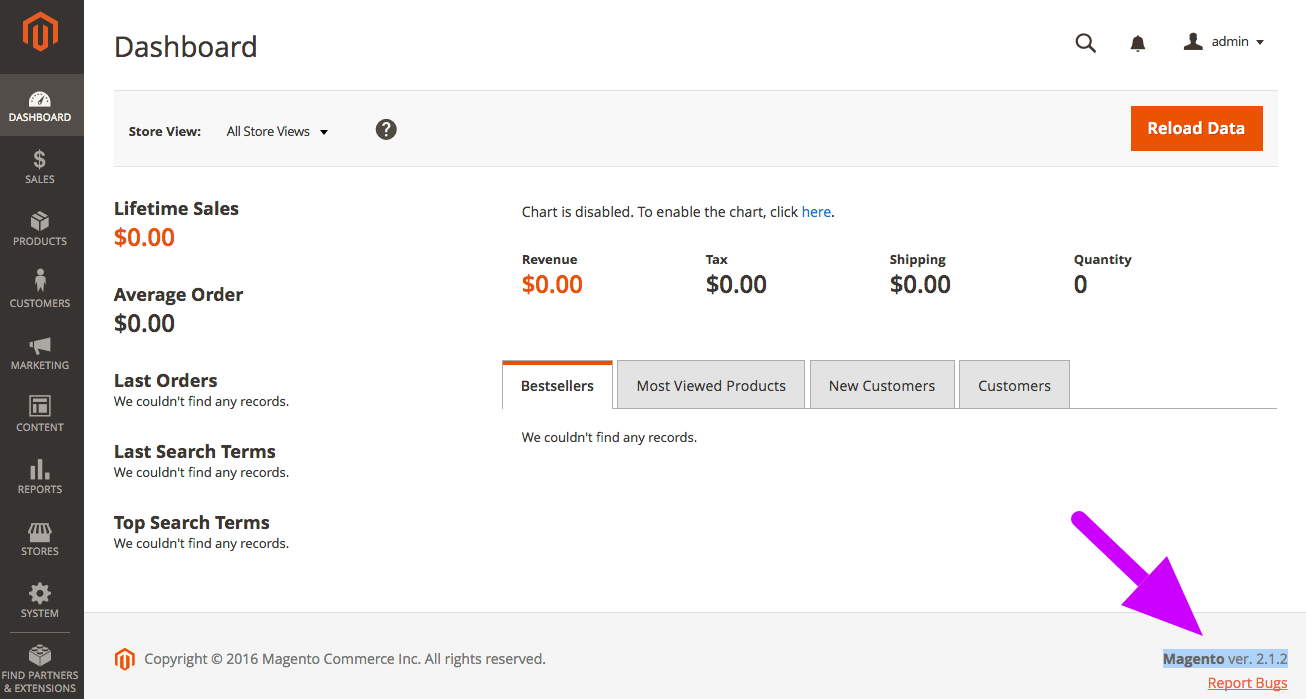
How to Update Magento 2 to the latest version using Composer?

Magento 2 is the latest major release of the Magento eCommerce platform which is available in both the community and enterprise editions. Magento keeps releasing the updates to keep the platform secure and up-to-date with latest new requirements.

This article provides a complete guide for upgrading a Magento 2 store using the composer. Magento 2 with its command line interface saves a lot of time for the developers in module management, cache management, updates and lot more. That’s why we are going to use the Command Line Interface to update the Magento 2 here.

Why should you update your Magento 2 store?

Here are the following reasons for why you should update Magento 2:

  • For keeping your website secure with latest Security Patches
  • For getting new UI Updates For Functionality Improvement
  • For Bug Fixes For support of Latest Features
  • For Website Speed and Performance Improvement
  • For New Payment Methods Support For improved integration with 3 party Magento 2 extensions, Google Analytics, Shipping Methods, Payment Gateways etc.

Important Note:

You can use the Magento 2 Command Line Interface (CLI) upgrade only when you have installed your Magento 2 by using the Composer or the Zip file from the official Magento website. CLI upgrade won’t work if you have cloned your Magento 2 store from GIT repository.

Update Magento 2 using Composer

Follow these steps and commands to upgrade your Magento 2:

1. You will need the full file system access to do this upgrade. If you have the full file system ownership, then, first of all, connect to your web server via SSH.

2. Now login to your Magento 2 server using any SSH client. You can use the Putty SSH client here.

3. After establishing the SSH connection, Navigate to your Magento 2 root directory.

4. Now, run the following command:

composer require magento/product-community-edition 2.1.3 –no-update

NOTE: Here you can change the version number accordingly. For example, if you want to upgrade the Magento 2.0.x version, then change the edition accordingly.

5. Now, run this command:

composer update

NOTE: If you are prompted for authentication then you need to enter your magento.repo authentication keys after running the above command.

6. Now, run these three commands in the same order:

rm -rf var/di/* var/generation/* var/cache/* var/log/* var/page_cache/*

php bin/magento cache:clean

php bin/magento cache:flush

NOTE: If you are using the Magento file system Cache storage then go to the next step. Otherwise, if you are using other Cache storage like Memcached, Varnish, and Redis then you will need to clear the cache manually for them.

7. Now, Run the following commands:

php bin/magento setup:upgrade

php bin/magento setup:di:compile

php bin/magento indexer:reindex

8. Check the new version number using the following command:

php bin/magento –version

9. You can also verify the version number by going to your Magento 2 Admin Panel and refreshing the window. To check if you have successfully completed the update, see the Magento 2 version number at bottom right corner of the page. If there is any error, try clearing the cache again after resetting the file permission.

Finally

We have completed the Magento 2 update here. There are various other methods to update your Magento 2 store as well. However, this method is one of the quickest ones and saves a lot of time. Do let us know if you need any assistance in the update or searching for Magento and Magento 2 extensions. We have a pretty good collection of that.

You Might Also Like:

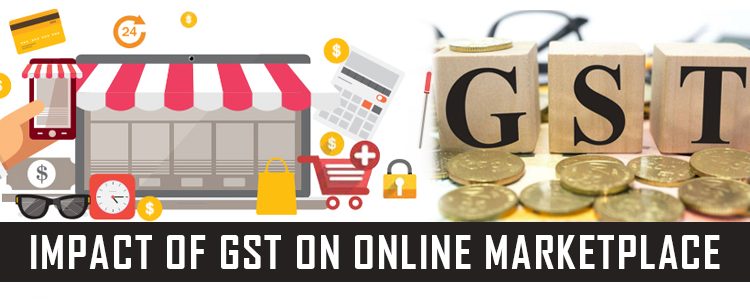
Impact of GST on eCommerce Marketplace

“The consensus we arrived with States for amending the Constitution to implement GST is a major breakthrough. This alone has the potential to make India competitive and attractive for investment.”  ~ Narendra Modi, PM, India

India, on 1st of July, 2017, is all set to ink a new chapter in its constitution with the introduction of GST bill. After clearing the constitutional amendment in both the houses of Parliament, the bill is aimed to provide better indirect tax administration and bring an efficient law that will check tax evasion. Despite the fact that it is all set to affect every sector of India, the eCommerce platform is expected to be the most affected one them all. India is poised to become the second largest online marketplace in the coming year after China. The write-up attempts to present an overview on GST and it’s impact on the eCommerce marketplace. GST is a complicated reform like most of the taxation matters.

The write up has complied the various aspect of GST and its impact on the eCommerce platform. Listed below are the points covered:

 1. Current taxation system

  • Issues with current system

2. GST

  • Meaning
  • History
  • Threshold limit
  • Tax collection at the Source

3. Effect of GST on online marketplace

4. Advantages of GST on eCommerce

1. How is Indian taxation system structured today?

As per constitution, the current taxation system is divided into center and states. There are certain exclusive areas where both the levels of government levy tax.

In the current taxation structure, states have multiple rates, including the VAT along with additional taxes on inter-state trade. The standard VAT rate for goods in most of the states is about 12.5-15% while standard rate at the Centre is 12.5%. The combined rate ranges to a minimum of 25%.

The taxes are further divided into:

 1. Direct taxes

Income tax is a tax that is levied on the income or profits of the person who pays it and includes the tax on the company profits, rather than on goods or services. These taxes are referred to as direct taxes and are an exclusive domain of central government.

2. Indirect taxes

On the other hand, the tax levied on goods and services rather than on the income and profit is known as an indirect tax. This is again an exclusive domain of central government. While the taxes on consumption are the exclusive domain of state governments.

Issues with the current arrangement?

The central government levies its indirect tax called central excise on every product that has to be manufactured before it is consumed. Consider a product ‘A’ that is to be manufactured. The central excise will be levied on the factory gate. Once the product reaches a retail outlet, the end consumer has to pay a consumption dubbed value added tax.

If the manufacturer imports the raw material from another state, the state government levies tax along with the central excise on the same product. Not only this, if product A is manufactured in one state and sold in another, then, it is considered as ‘export’. In this case, the state when the product is manufactured will collect an export tax called central sales tax.

Hence, India is economically fragmented. The multiple taxes increases the cost and makes economic activities way more complicated. This made the introduction of ‘one nation, one tax’ system inevitable.

2. Goods and Services Tax

Meaning

GST is a Value Added Tax (VAT) proposed to be a indirect tax. It is levied on manufacture, sale and services at the national level. The GST is aimed at replacing all the indirect taxes levied on goods and services by Indian Central and State government separately.

This is referred to as a comprehensive, multi-stage, destination-based tax that will be levied on every value addition. The multi-stage refers to the multiple steps that a product goes through. Starting from the point where the raw material is bought, the finished product goes to the wholesaler, followed by the retailer and finally reaches the end user.

With the introduction of Goods and Services Tax, there will be 3 kinds of applicable Goods and Services Taxes:

CGST: where the revenue will be collected by the central government

SGST: where the revenue will be collected by the state governments for intra-state sales

IGST: where the revenue will be collected by the central government for inter-state sales

ClearTax explain the meaning of GST and tax structure under the new regime with a simple tabular representation.

Transaction New Regime Old Regime
Inter-state Sales CGST + SGST VAT + Central Excise/ Service Tax
Intra-state Sales IGST Central Sales Tax + Excise/ Service Tax

History of GST in India

The journey of GST so far has been described below.

2000: The Vajpayee government proposed the concept of GST by setting up committee to draft the same.

2004: The Kelkar Task Force was created for the implementation of Fiscal Responsibility and Budget Management (FRBM) Act, 2003. The committee suggested a comprehensive GST.

2006: A proposal to introduce a national level GST by April 1, 2010 was mooted in Budget Speech for the year

2007: Empowered Committee of State Finance Ministers started working on GST roadmap. The Joint Working Group submitted its report to EC in the same year

2009: First Discussion Paper was released by Empowered Committee

2011: The constitution 115th amendment bill was introduced in Lok Sabha for levy of GST

2014: The constitution 122nd amendment bill was passed by Lok Sabha. This enabled the introduction of GST by April 2016

2016: The constitution 122nd amendment bill passed by Rajya Sabha

2017: GST council clears state GST and Union Territory GST Laws

Threshold limit under GST

Every business that has a turnover of more than Rs. 20 Lakhs have to get mandatorily registered under GST. The taxpayers who are already registered under VAT/Service Tax should register under GST as well. The small businesses can either opt for composition scheme or they can get voluntarily registered under GST. It is anticipated that the threshold limit will be calculated on a pan-India basis. This means that the transaction may be liable to be taxed under GST if the total turnover (of all transactions all over India) exceeds the threshold limit. This is another positive aspect for the eCommerce players as they operate in various states of the nation.

Tax-collection-at-source (TCS)

In an online transaction, the eCommerce operator is a mediator between the buyer and the seller. So, the very first question that is raised is that whether VAT is applicable on the commission or is it a service or is it a composite contract?

The much-awaited draft of Model GST Law (the ‘Model Law ’) was released in June 2016. The destination-based consumption taxation as proposed under GST would ensure that all states get their share of revenue on the basis of actual consumption of goods in such state. The sub-section (a) of Section 43B clarifies the definition of aggregator. It says, “Any person who provides services either by an application or communication device which enables a buyer and seller to connect and procure goods or services under any brand / trade name is termed as an aggregator”.

The Model GST law, finalized by the GST council, provides for 1% Tax-collection-at-source (TCS) to be deducted by the eCommerce operators. According to the Model law, every electronic commerce operator shall collect up to 1% TCS, as may be notified on the recommendations of the council, of the net value of taxable supplies made through it by other suppliers where the consideration with respect to such supplies is to be collected by the operator. However, turns out TCS is in direct conflict with the government’s vision of ‘Make in India’ campaign and ‘ease of doing business’. The obligation of tax collection at source is cast in respect of supplies made by the suppliers online. While the suppliers supplying goods and services from a brick and mortar structure are not obligated to any such tax. Thus, this provision would hamper the business than facilitate doing of business.

In July 2016, Sachin Bansal said, “A seamless national supply chain that is agnostic to supply or demand destination is urgent, important and overdue for three reasons. First, it is India’s development trajectory to reduce poverty. Second, it will improve enterprise productivity . Finally, it is about empowering consumers and producers.” 

However, as per a article published in The Hindu, with the introduction of TCS clause has there would be a risk of locking up about Rs. 400 crore of capital per annum. This will ultimately result in approximately 2 Lakh people losing their job. The three eCommerce giants: Amazon, Flipkart and Snapdeal has joined hands for the first time to voice concern over this clause.

Having discussed about the basic definition of GST, here’s a compilation of the impact it will have on the online marketplace.

3. Effect of GST on online marketplace

The eCommerce industry is expected to flourish and grow under the new GST era. The standardization that the system promises is expected to have a huge impact on the industry as well as the online marketplace.

In the current regime, the online marketplace charges service tax to the vendor for providing services. However, in the GST system, the eCommerce marketplace would charge CGST + SGST or IGST depending on the nature of the transactions.

Listed below are some of the impacts that this system will have on the online marketplace, in particular.

Effect on Pricing

In the current tax structure, the different state imposes different VAT on the same good. The online players tend to price their goods at discounted prices, in order to promote its business. As a result, they enter tie-ups to take advantage of the tax arbitrage. With GST, there will be a standard tax rate for every product. Making tax arbitrage impossible, it will bring the offline sellers and e-tailers on the same level in term of pricing.

Unregistered online merchants

With GST, all the online sellers will be forced to get themselves registered. GST registration is mandatory where the turnover is Rs. 20 lakh or more. The merchants without proper registration will be weeded out, irrespective of their turn over.

Credit Pool

The companies need to have a higher credit pool than they do in the current taxation system. As per quoted by a senior officer of an eCommerce company, “Small sellers in the industry will have cash-flow issues as they will have to claim refunds for tax paid on inputs, which e-tailers will not be able to account for.”

Registration of the Company

The place of supply, in the case of B2C transactions, would be the location of the service provider. While the place of supply in case of B2B transactions would be the location of the service recipient. There are chances that the eCommerce companies would need to pay applicable CGST + SGST in the state where the service recipient is located. As a result of which, these companies would require getting registered in almost all the states where the service recipients (i.e. vendors) are located. The centralized registration system will not be applicable anymore.

Compliance issue on returns and refunds

This is probably the most perplexing issue for the online marketplace. The eCommerce companies offer the facility of COD and easy returns and refunds. As a result of which approximately 15 to 20 million transactions per month in which the return and refunds have to be done. The returns are now required to be filed monthly by both the parties. The refund adjustments will affect the tax liability.

4. Advantages of GST on eCommerce

According to experts, the GST impact has two major advantages for the eCommerce players.

No cascading taxes

The GST model facilitates seamless credit throughout the supply chain. Removing the cascading effect of taxes, the GST system will bring down the overall cost of supplies and the price of the finished product ultimately. It is hoped that this cost benefit would be ultimately passed on to the customers or help in increasing the profits of the companies.

Consolidation of the tax rates

In the current system, there are differential rates of VAT for the same goods in different States. However, GST rates at both the Central and State level are expected to be uniform and harmonized. This would drastically reduce disputes among tax authorities and e-commerce players. Moreover, the tax rate on the output side is expected to be higher. All the output taxes will be creditable on the provision of services to the seller. The online marketplace can also claim the credit for all taxes on the input side.

Ease of Doing Business

GST system is a step ahead towards facilitating the initiative of ‘Start-up India’ of Modi Government. The aspiring entrepreneurs wouldn’t have to knock on multiple doors in the various cities. This was one of the biggest barriers in starting up, but with the ‘one tax’ system, India might go a few notches higher in the World Bank’s Ease of Doing Business Index.

A push for warehousing

The logistics and warehousing department of eCommerce companies are expected to be one of the biggest beneficiaries of GST. The eCommerce players had to maintain multiple warehouses across the states and cities to avoid central sales tax. This increased the cost of operations. With the introduction of GST, they can maintain warehouses in strategic locations. This will balance out the operation cost and reduce the dent in their profitability.

Final Say

GST is a great move for online businesses. Even though the new regime will be accompanied by new ways of tax calculation, it will eventually bring clarity and tax obligation.

Related Post

5 revenue generation models multi-vendor marketplaces can use

What’s your ultimate objective with your multi-vendor marketplaces website? It’s selling more and more, or earning more and more?

Sounds weird? Let me explain

The line asks a simple question that what is more important to you- generating more sales or generating more revenue from your online marketplace site?

It seems pretty obvious that you can generate revenue only if you are selling. So, is selling more important because it automatically generates the revenue?

Maybe! Perhaps! Etc.

What if I tell you that your marketplace site does not depend on sales alone to generate revenue. There are other revenue generation models that can act as an integral part of your business model. They can operate in parallel to the sales by monetizing the services that your marketplace site can offer in addition to the marketplace products.

Here is a list of 5 monetization mechanisms or revenue generation models that you can use on your marketplace site to generate some extra revenue from your business:

1. Advertising Revenue Model

Advertising is one of the most popular and oldest revenue generation models. You can generate revenue by renting out advertising space on your site. The websites showing their Ads will pay you based on the respective advertising model. Here you can adopt two different models of advertisement:

Cost per Mille (CPM): CPM, which is also called as Cost per Thousand impressions is an advertising model that allows you to charge in proportion to the number of Ads displayed to the site visitors.

Cost Per Click(CPC): CPC model generates the revenue based on the number of clicks a particular Ad is receiving by your site visitors.

You can use any of the two advertising models to generate revenue on your marketplace site by simply showing ads to your visitors. While doing this, make sure your website design is optimized enough to place the Ads where it does not overshadow your main revenue generation model that is selling your products.

You have to be cautious about the website design to make sufficient white spaces for showing the ads. Otherwise, contact a web designer who would tweak the design as per your requirement for advertising.

2. Sponsored Site Channel model

Typically a site that wants to promote its contents on another site would have to pay for showing its Ads. This revenue model is not exactly the revenue generation model but a cost-saving model.

Here the companies or two sites enter into a ‘contra-deal’ agreement where neither of the two sites needs to pay for advertising. They commit to promoting each other’s content as a ‘give and take’ format.

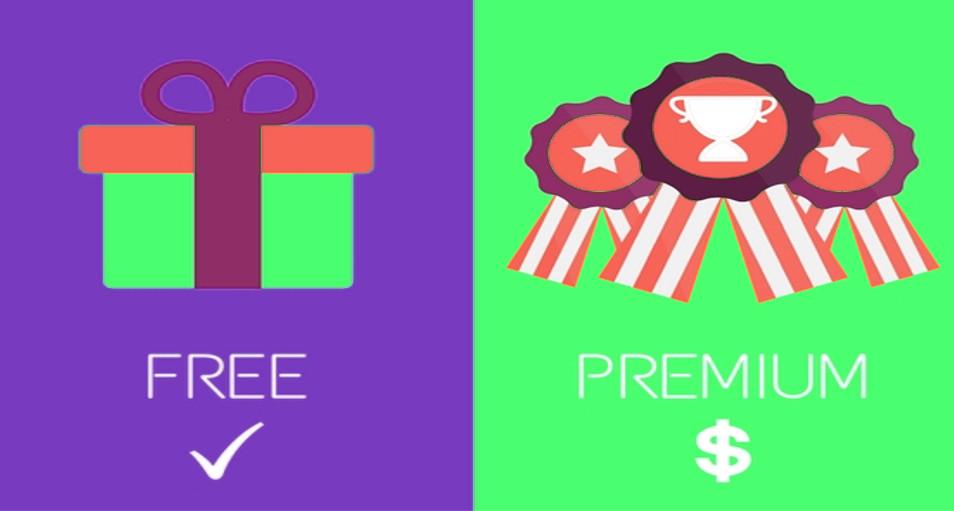
3. Freemium revenue model

Many web services and marketplaces use this model to generate pretty decent revenue. The central idea behind the freemium model is to provide as many users with the free services and encourage them to upgrade to the paid version of the same.

In one of the approaches, you provide your users with a free trial with limited access and give an option for upgrading to the paid service to acquire the full advanced features and access.

PS: Here the access to the service or features is limited, but is given for an unlimited period.

For example, we provide the Free Magento Multi-vendor Marketplace extension with some restricted features for an unlimited period. The customers can choose to keep using the free restricted version for as long as they want or can unlock the full features by purchasing the Magento Multi-vendor Marketplace extension, Prestashop Marketplace addon, and OpenCart Multi seller Marketplace plugin for the respective fields.

Another example could be Dropbox which provides free 2 GB could data storage to the free users.

There is another approach in the same model where a fully-fledged trial of the full product or services is offered to the users for a limited period of time. The users are given an option to either stop using the services after the trial period or pay for it to keep using.

PS: Here the access to the service of product features is full but the time period for trial is restricted or limited.

For example, Amazon offers full access to its “Amazon Prime” service for free one month. After that, you can either stop using it or subscribe to the monthly subscription to use it for more time.

You can use these models to offer some premium services and generate extra revenue. You can adopt a similar approach like Amazon Prime which provides free same-day shipping to the Prime members.

4. Subscription or membership model

Subscription-based revenue generation is one of the oldest models, and it is still in full-fledged today.

A marketplace site has uncountable ways to leverage this model to generate some extra revenue from the business:

  • Membership for sellers: Asking sellers/vendors/merchants to subscribe to a membership for registering a seller/merchant account on your marketplace.
  • Membership for customers: Asking customers to subscribe to a membership for availing benefits like free shipping, same-day delivery, Shipping package insurance, early access to flash sales, etc.
  • Membership for customers part-2: There is another kind of membership for customers that marketplaces selling virtual products like MP3s, Videos, Software, etc can use. Here, basically, your main revenue generation would be through the premium members only.

For example, Netflix videos library allows only the subscribed users to see the videos. It primarily follows a subscription-based revenue model.

5. Sales commission Revenue model

Of course, I had to include this point. Taking commission from the seller/vendors/merchants on their sales is the primary revenue generation model on which a large number of marketplaces are surviving.

The entire community of sellers and retailers follow this model. There are a number of online marketplaces that allow the e-merchants to sell their products to a larger chunk of customers. The only difference is how and how much commission sellers need to pay for selling on a marketplace. Earlier the complexities of dealing with the inventory management and order processing of the two stores intimidated the e-sellers to go for multi-channel selling. However, the work has become easier now. Knowband offers a line of feature-rich marketplace integrators to the eCommerce sites that are based on the CMS platforms like Prestashop, Magento, OpenCart, Magento 2, and others. With the help of these intuitive integration solutions, you can keep your marketplace shop in sync with your online shopping sites.

Here are some examples of the online marketplaces that allow multi-channel selling:


The sales commission revenue model is not that simple as it seems. Different marketplaces use different approaches to earn the commission. You need to first decide the commission model that you want to use and then customize your Seller management panel to handle the commissions as per your requirement.

Similarly, if you own an online marketplace, charging the commission and managing multiple vendors becomes even more difficult. However, managing the commission model becomes effortless with the help of the various CMS plugins like Magento multi-vendor marketplace, Prestashop multi vendor marketplace addon, or OpenCart marketplace module.

You need to be also aware that most of the multi-vendor marketplace extensions support only the per-product-sale commission. If you want to use any other commission model, then you might need to use an extension or get the requirements developed by an expert eCommerce development company.

Liked This? You’ll Like These Too

Los modelos de generación de ingresos de 5 pueden usar los mercados de múltiples proveedores

¿Cuál es su objetivo final con su sitio web de mercado de múltiples proveedores? ¿Se está vendiendo más y más, o gana más y más? ¿Suena raro? Déjame explicarte La línea hace una simple pregunta: ¿qué es más importante para ti, generar más ventas o generar más ingresos desde tu sitio de mercado en línea? Parece bastante obvio que puedes generar ingresos solo si estás vendiendo. Entonces, ¿vender es más importante porque genera automáticamente los ingresos? ¡Tal vez! ¡Quizás! Etc. ¿Qué sucede si le digo que su sitio de mercado no depende únicamente de las ventas para generar ingresos? Existen otros modelos de generación de ingresos que pueden actuar como parte integral de su modelo de negocio. Pueden operar en paralelo a las ventas monetizando los servicios que su sitio de mercado puede ofrecer además de los productos del mercado. A continuación, encontrará una lista de los mecanismos de monetización de 5 o los modelos de generación de ingresos que puede usar en su sitio de mercado para generar algunos ingresos adicionales de su empresa:

1. Modelo de ingresos publicitarios

La publicidad es uno de los modelos de generación de ingresos más populares y más antiguos. Puede generar ingresos alquilando espacios publicitarios en su sitio. Los sitios web que muestran sus anuncios le pagarán en función del modelo publicitario respectivo. Aquí puedes adoptar dos modelos diferentes de publicidad:

Costo por milla (CPM): CPM, que también se denomina Costo por mil impresiones, es un modelo de publicidad que le permite cobrar en proporción a la cantidad de anuncios que se muestran a los visitantes del sitio.

Costo por clic (CPC): El modelo de CPC genera los ingresos en función de la cantidad de clics que recibe un anuncio en particular de los visitantes de su sitio. Puede usar cualquiera de los dos modelos de publicidad para generar ingresos en su sitio de mercado simplemente mostrando anuncios a sus visitantes. Al hacer esto, asegúrese de que el diseño de su sitio web esté lo suficientemente optimizado para colocar los anuncios donde no eclipse su modelo de generación de ingresos principal que está vendiendo sus productos. Debe tener cuidado con el diseño del sitio web para crear suficientes espacios en blanco para mostrar los anuncios. De lo contrario, póngase en contacto con un diseñador web que modificará el diseño de acuerdo con sus requisitos de publicidad.

2. Modelo patrocinado del canal del sitio

Por lo general, un sitio que desea promocionar sus contenidos en otro sitio debería pagar por mostrar sus anuncios. Este modelo de ingresos no es exactamente el modelo de generación de ingresos, sino un modelo de ahorro de costos. Aquí las empresas o dos sitios entran en un acuerdo de "contra-trato" en el que ninguno de los dos sitios tiene que pagar por la publicidad. Se comprometen a promocionar el contenido de cada uno como un formato de "dar y recibir".

3. Modelo de ingresos de Freemium

Muchos servicios web y mercados utilizan este modelo para generar ingresos bastante decentes. La idea central detrás del modelo freemium es proporcionar a tantos usuarios los servicios gratuitos y alentarlos a actualizar a la versión paga del mismo. En uno de los enfoques, le proporciona a sus usuarios una versión de prueba gratuita con acceso limitado y ofrece la opción de actualizar al servicio pago para adquirir todas las funciones avanzadas y el acceso.

PS: Aquí el acceso al servicio o características es limitado, pero se brinda por un período de tiempo ilimitado. Por ejemplo, proporcionamos el Extensión de Magento Multi-vendor Marketplace gratuita con algunas funciones restringidas por un período ilimitado. Los clientes pueden optar por seguir usando la versión restringida gratuita durante el tiempo que deseen o pueden desbloquear todas las características comprando el Extensión de Magento Multi vendor Marketplace,?Complemento de Prestashop Marketplace y Complemento de OpenCart Multi vendedor Marketplace para los campos respectivos. Otro ejemplo podría ser Dropbox, que proporciona almacenamiento de datos 2 GB gratuito a los usuarios libres. Existe otro enfoque en el mismo modelo en el que se ofrece a los usuarios una prueba completa de todo el producto o servicio por un período de tiempo limitado. Los usuarios tienen la opción de dejar de usar los servicios después del período de prueba o pagar para seguir usando.

PS: Aquí el acceso al servicio de las funciones del producto está completo, pero el período de prueba es limitado o limitado. Por ejemplo, Amazon ofrece acceso completo a su "Amazon Prime"servicio gratuito de un mes. Después de eso, puede dejar de usarlo o suscribirse a la suscripción mensual para usarlo por más tiempo. Puede utilizar estos modelos para ofrecer algunos servicios premium y generar ingresos adicionales. Puede adoptar un servicio similar. enfoque como Amazon Prime, que ofrece envío gratuito en el mismo día a los miembros Prime.

4. Modelo de subscripción o membresía

La generación de ingresos basada en la suscripción es uno de los modelos más antiguos, y todavía está en pleno desarrollo en la actualidad. Un sitio de mercado tiene innumerables formas de aprovechar este modelo para generar algunos ingresos adicionales del negocio:

  • Membresía para vendedores: Pedir vendedores / vendedores / comerciantes suscribirse a una membresía para registrar una cuenta de vendedor / comerciante en su mercado.
  • Membresía para clientes: Pedir a los clientes que se suscriban a una membresía para obtener beneficios como envío gratuito, entrega el mismo día, seguro de paquete de envío, acceso anticipado a las ventas flash, etc.
  • Membresía para clientesparte-2: Existe otro tipo de membresía para los clientes que los mercados que venden productos virtuales como MP3, videos, software, etc. pueden usar. Aquí, básicamente, su principal generación de ingresos sería a través de la membresía premium solamente.

Por ejemplo, la biblioteca de videos de Netflix solo permite a los usuarios suscritos ver los videos. Sigue principalmente un modelo de ingresos basado en suscripciones.

5. Comisión de ventas Modelo de ingresos

Por supuesto, tuve que incluir este punto. Tomar comisiones del vendedor / vendedores / comerciantes en sus ventas es el principal modelo de generación de ingresos en el que una gran cantidad de mercados están sobreviviendo. Toda la comunidad de vendedores y minoristas sigue este modelo. La única diferencia es cómo y cuánto deben pagar los vendedores por comisiones por vender en un mercado. Aquí hay unos ejemplos:

  • Amazonas: Amazon cobra una tarifa anual fija a los vendedores profesionales por publicar sus productos en su mercado. No cobra una tarifa por artículo a estos vendedores.
  • eBay: eBay cobra una tarifa de inserción por incluir un producto en su sitio. Además, también cobra una comisión de valor final como comisión por venta del producto.
  • Mercado de PrestaShop: El mercado PrestaShop es un sitio donde los desarrolladores venden sus módulos PrestaShop. Cobra la comisión en función de la venta por producto.

El modelo de ingresos de la comisión de ventas no es tan simple como parece. Diferentes mercados usan diferentes enfoques para ganar la comisión. Primero debe decidir el modelo de comisión que desea utilizar y luego personalizar su panel de administración de vendedores para manejar las comisiones según su requerimiento. También debe saber que la mayoría de extensiones de mercado multiproveedor respalde solo la comisión por venta de producto. Si desea utilizar cualquier otro modelo de comisión, entonces es posible que necesite usar una extensión u obtener los requisitos desarrollados por un experto. empresa de desarrollo de comercio electrónico.

¿Me gusto esto? Te gustarán estos también

Modèles de génération de revenus 5 Les marchés multi-fournisseurs peuvent utiliser

Quel est votre objectif ultime avec votre site Web multi-fournisseurs? Il vend de plus en plus, ou gagne de plus en plus? Ça a l'air bizarre Laissez-moi vous expliquer La ligne pose une question simple: qu'est-ce qui est le plus important pour vous – générer plus de ventes ou générer plus de revenus sur votre site de marché en ligne? Il semble assez évident que vous ne pouvez générer des revenus que si vous vendez. Alors, la vente est-elle plus importante car elle génère automatiquement les revenus? Peut être! Peut-être! Etc. Et si je vous dis que votre site de marché ne dépend pas uniquement des ventes pour générer des revenus. Il existe d'autres modèles de génération de revenus qui peuvent faire partie intégrante de votre modèle d'entreprise. Ils peuvent fonctionner parallèlement aux ventes en monétisant les services que votre site de marché peut offrir en plus des produits du marché. Voici une liste des mécanismes de monétisation 5 ou des modèles de génération de revenus que vous pouvez utiliser sur votre site de marché pour générer des revenus supplémentaires de votre entreprise:

1. Modèle de revenus publicitaires

La publicité est l'un des modèles de génération de revenus les plus populaires et les plus anciens. Vous pouvez générer des revenus en louant des espaces publicitaires sur votre site. Les sites Web affichant leurs annonces vous paieront en fonction du modèle de publicité respectif. Ici, vous pouvez adopter deux modèles de publicité différents:

Coût par mille (CPM): CPM, également appelé coût par mille impressions, est un modèle de publicité qui vous permet de facturer proportionnellement au nombre d'annonces affichées pour les visiteurs du site.

Coût par clic (CPC): Le modèle de CPC génère les revenus en fonction du nombre de clics qu'une annonce particulière reçoit des visiteurs de votre site. Vous pouvez utiliser l'un des deux modèles de publicité pour générer des revenus sur votre site de marché en affichant simplement les annonces à vos visiteurs. Pendant ce temps, assurez-vous que la conception de votre site Web est suffisamment optimisée pour placer les annonces là où elles ne masquent pas votre principal modèle de génération de revenus qui vend vos produits. Vous devez faire attention à la conception du site Web pour créer des espaces blancs suffisants pour afficher les annonces. Sinon, contactez un concepteur de sites Web qui modifiera la conception en fonction de vos besoins en matière de publicité.

2. Modèle de canal de site sponsorisé

En général, un site qui souhaite promouvoir son contenu sur un autre site devrait payer pour afficher ses annonces. Ce modèle de revenus n'est pas exactement le modèle de génération de revenus, mais un modèle de réduction des coûts. Dans ce cas, les entreprises ou les deux sites concluent un accord de «contre-vente» où aucun des deux sites ne doit payer pour la publicité. Ils s'engagent à promouvoir le contenu de chacun en tant que format «donner et recevoir».

3. Modèle de revenus Freemium

De nombreux services Web et marchés utilisent ce modèle pour générer des revenus assez décents. L'idée centrale du modèle freemium est de fournir le plus grand nombre d'utilisateurs avec les services gratuits et de les encourager à passer à la version payante du même. Dans l'une des approches, vous offrez à vos utilisateurs un essai gratuit avec un accès limité et vous donne la possibilité de mettre à niveau vers le service payant pour acquérir toutes les fonctionnalités avancées et l'accès.

PS: Ici, l'accès au service ou aux fonctionnalités est limité, mais est donné pour une durée illimitée. Par exemple, nous fournissons le Extension gratuite du marché multi-vendeurs Magento avec quelques fonctionnalités restreintes pour une durée illimitée. Les clients peuvent choisir de continuer à utiliser la version restreinte gratuite tant qu’ils le souhaitent ou peuvent débloquer toutes les fonctionnalités en achetant le logiciel. Extension Magento Multi vendor Marketplace,?Ajout de Prestashop Marketplace et OpenCart Multi seller Plugin Marketplace pour les champs respectifs. Un autre exemple pourrait être Dropbox, qui fournit gratuitement des fichiers de stockage 2 GB aux utilisateurs libres. Il existe une autre approche dans le même modèle où un essai complet du produit ou des services complets est proposé aux utilisateurs pendant une période limitée. Les utilisateurs ont la possibilité d'arrêter d'utiliser les services après la période d'essai ou de payer pour continuer à l'utiliser.

PS: Ici, l'accès au service des fonctionnalités du produit est complet, mais la période d'essai est limitée ou limitée. Par exemple, Amazon offre un accès complet à ses "Amazon Prime"service gratuit pendant un mois. Après cela, vous pouvez soit cesser de l'utiliser ou vous abonner à l'abonnement mensuel pour l'utiliser plus longtemps. Vous pouvez utiliser ces modèles pour proposer des services premium et générer des revenus supplémentaires. Vous pouvez adopter un modèle similaire." approche comme Amazon Prime qui fournit la livraison gratuite le jour même aux membres principaux.

4. Modèle d'abonnement ou d'adhésion

La génération de revenus par abonnement est l’un des modèles les plus anciens, et elle est toujours en pleine expansion. Un site de marché a d'innombrables façons d'exploiter ce modèle pour générer des revenus supplémentaires de l'entreprise:

  • Adhésion pour les vendeurs: Demander aux vendeurs / vendeurs / marchands de s’abonner à un abonnement pour enregistrer un compte vendeur / marchand sur votre place de marché.
  • Adhésion pour les clients: Demander aux clients de s’abonner à un abonnement pour bénéficier d’avantages tels que la livraison gratuite, la livraison le jour même, l’assurance des colis, l’accès rapide aux ventes flash, etc.
  • Adhésion pour customerspart-2: Il existe un autre type d’adhésion pour les clients que les marchés vendant des produits virtuels tels que MP3, vidéos, logiciels, etc. peuvent utiliser. En gros, votre principale source de revenus serait l’abonnement premium.

Par exemple, la bibliothèque de vidéos Netflix permet uniquement aux utilisateurs abonnés de voir les vidéos. Il suit principalement un modèle de revenus par abonnement.

5. Commission de vente

Bien sûr, je devais inclure ce point. Le principal mode de génération de revenus sur lequel survivent un grand nombre de marchés consiste à prendre des commissions auprès des vendeurs / vendeurs / commerçants sur leurs ventes. Toute la communauté des vendeurs et des détaillants suit ce modèle. La seule différence est de savoir comment et combien les vendeurs de commissions doivent payer pour vendre sur un marché. Voici quelques exemples:

  • Amazon: Amazon impose des frais annuels fixes aux vendeurs professionnels pour inscrire leurs produits sur son marché. Il ne facture pas de frais par article à ces vendeurs.
  • eBay: eBay facture des frais d’insertion pour l’inscription d’un produit sur son site. En outre, il perçoit également des frais de valeur finale à titre de commission sur la vente du produit.
  • Place de marché PrestaShop: PrestaShop marketplace est un site où les développeurs vendent leurs modules PrestaShop. Il facture la commission en fonction de la vente par produit.

Le modèle de recettes des commissions de vente n’est pas si simple qu’il semble. Différents marchés utilisent différentes approches pour obtenir la commission. Vous devez d'abord choisir le modèle de commission que vous souhaitez utiliser, puis personnaliser votre panneau de gestion du vendeur pour gérer les commissions en fonction de vos besoins. Vous devez également savoir que la plupart des extensions de marché multi-fournisseurs soutenir uniquement la commission de vente par produit. Si vous souhaitez utiliser un autre modèle de commission, vous devrez peut-être utiliser une extension ou obtenir les exigences développées par un expert. société de développement de commerce électronique.

Aimait ça? Vous aimerez aussi

5-Erlösgenerierungsmodelle, die von mehreren Anbietern genutzt werden können

Was ist Ihr ultimatives Ziel mit Ihrer Multi-Vendor-Marktplatz-Website? Es verkauft sich mehr und mehr oder verdient mehr und mehr? Klingt komisch? Lassen Sie mich erklären Die Zeile stellt die einfache Frage, was für Sie wichtiger ist – mehr Umsatz generieren oder mehr Umsatz von Ihrer Online-Marktplatz-Website generieren? Es scheint ziemlich offensichtlich, dass Sie nur Umsatz erzielen können, wenn Sie verkaufen. Also, ist der Verkauf wichtiger, weil er automatisch den Umsatz generiert? Könnte sein! Vielleicht! Was ist, wenn ich Ihnen sage, dass Ihre Marktplatz-Website nicht nur von Verkäufen abhängig ist, um Einnahmen zu generieren? Es gibt andere Modelle zur Umsatzgenerierung, die als integraler Bestandteil Ihres Geschäftsmodells fungieren können. Sie können parallel zu den Verkäufen arbeiten, indem Sie die Dienste monetarisieren, die Ihre Marktplatz-Website zusätzlich zu den Marktplatz-Produkten anbieten kann. Im Folgenden finden Sie eine Liste der 5-Monetarisierungsmechanismen oder Umsatzgenerierungsmodelle, die Sie auf Ihrer Marktplatz-Website verwenden können, um zusätzliche Einnahmen aus Ihrem Unternehmen zu generieren:

1. Werbeumsatzmodell

Werbung ist eines der beliebtesten und ältesten Modelle zur Umsatzgenerierung. Sie können Einnahmen generieren, indem Sie Werbeflächen auf Ihrer Website vermieten. Die Websites, auf denen ihre Anzeigen geschaltet werden, bezahlen Sie basierend auf dem jeweiligen Werbemodell. Hier können Sie zwei verschiedene Werbeformen adoptieren:

Kosten pro Mille (CPM): CPM, das auch als Cost-through-Impressionen bezeichnet wird, ist ein Werbemodell, mit dem Sie proportional zur Anzahl der Anzeigen, die den Website-Besuchern angezeigt werden, aufladen können.

Kosten pro Klick (CPC): Das CPC-Modell generiert den Umsatz basierend auf der Anzahl der Klicks, die eine bestimmte Anzeige von Ihren Website-Besuchern erhält. Sie können jedes der beiden Werbemodelle verwenden, um Einnahmen auf Ihrer Marktplatz-Website zu generieren, indem Sie Ihren Besuchern einfach Anzeigen schalten. Stellen Sie dabei sicher, dass Ihr Website-Design so optimiert ist, dass die Anzeigen dort platziert werden, wo sie Ihr Hauptmodell zur Umsatzgenerierung, das Ihre Produkte verkauft, nicht überschatten. Sie müssen beim Design der Website vorsichtig sein, um genügend Leerräume für die Schaltung der Anzeigen zu schaffen. Wenden Sie sich andernfalls an einen Webdesigner, der das Design gemäß Ihren Anforderungen für die Werbung optimieren wird.

2. Sponsored Site Channel-Modell

Normalerweise muss eine Website, die ihre Inhalte auf einer anderen Website bewerben möchte, für die Schaltung ihrer Anzeigen zahlen. Dieses Erlösmodell ist nicht genau das Erlösmodell, sondern ein kostensparendes Modell. Hier treffen die Unternehmen oder zwei Standorte einen "Contra-Deal" -Abkommen, bei dem keiner der beiden Standorte für Werbung aufkommen muss. Sie verpflichten sich, den Inhalt des jeweils anderen als "Geben und Nehmen" -Format zu fördern.

3. Freemium-Umsatzmodell

Viele Webservices und Marktplätze verwenden dieses Modell, um ziemlich anständige Einnahmen zu generieren. Die zentrale Idee hinter dem Freemium-Modell ist es, möglichst vielen Nutzern die kostenlosen Dienste zur Verfügung zu stellen und sie zu einem Upgrade auf die kostenpflichtige Version zu animieren. In einem der Ansätze bieten Sie Ihren Benutzern eine kostenlose Testversion mit eingeschränktem Zugriff und eine Option zum Aufrüsten auf den kostenpflichtigen Dienst, um die erweiterten Funktionen und den Zugriff zu erhalten.

PS: Hier ist der Zugriff auf den Dienst oder die Funktionen beschränkt, wird jedoch auf unbegrenzte Zeit gewährt. Zum Beispiel bieten wir die Kostenlose Magento Multi-Vendor Marketplace Erweiterung mit einigen eingeschränkten Funktionen für unbegrenzte Zeit. Die Kunden können wählen, die kostenlose eingeschränkte Version so lange zu nutzen, wie sie möchten, oder können die vollen Funktionen durch den Kauf der. Freischalten Erweiterung des Magento Multi-Vendor-Marktplatzes,?Prestashop Marktplatz-Addon und OpenCart Multi-Verkäufer-Marktplatz-Plugin für die jeweiligen Felder. Ein anderes Beispiel könnte Dropbox sein, das kostenlose 2-GB-Datenspeicher für die freien Benutzer bereitstellt. Es gibt einen weiteren Ansatz im selben Modell, bei dem den Benutzern für einen begrenzten Zeitraum eine vollständige Testversion des vollständigen Produkts oder der vollständigen Dienste angeboten wird. Die Benutzer erhalten die Möglichkeit, die Dienste nach der Testphase entweder zu beenden oder dafür zu bezahlen, dass sie weiter verwendet werden.

PS: Hier ist der Zugang zu den Diensten der Produktfunktionen voll, aber die Testzeit ist beschränkt oder begrenzt. Zum Beispiel bietet Amazon den vollen Zugang zu seinen "Amazon Prime"Service für einen Monat kostenlos. Danach können Sie entweder aufhören zu verwenden oder abonnieren Sie das monatliche Abonnement, um es für mehr Zeit zu verwenden. Sie können diese Modelle verwenden, um einige Premium-Dienste bieten und generieren die zusätzlichen Einnahmen. Sie können eine ähnliche annehmen Ansatz wie Amazon Prime, die den Prime-Mitgliedern einen kostenlosen Versand am selben Tag ermöglicht.

4. Abonnement oder Mitgliedschaftsmodell

Abonnement-basierte Umsatzgenerierung ist eines der ältesten Modelle, und es ist noch heute voll ausgereift. Ein Marketplace-Site verfügt über unzählige Möglichkeiten, dieses Modell zu nutzen, um zusätzliche Einnahmen aus dem Unternehmen zu generieren:

  • Mitgliedschaft für Verkäufer: Verkäufer / Händler / Händler auffordern, eine Mitgliedschaft für die Registrierung eines Verkäufers / Händlers auf Ihrem Marktplatz zu abonnieren.
  • Mitgliedschaft für Kunden: Kunden bitten, eine Mitgliedschaft zu abonnieren, um Vorteile wie kostenlosen Versand, Zustellung am selben Tag, Versandversicherung, frühzeitigen Zugriff auf Flash-Verkäufe usw. zu nutzen.
  • Mitgliedschaft für Kundenpart-2: Es gibt eine andere Art von Mitgliedschaft für Kunden, die Marktplätze nutzen können, die virtuelle Produkte wie MP3, Videos, Software usw. anbieten. Im Wesentlichen würde Ihre Hauptumsatzgenerierung nur durch die Premium-Mitgliedschaft erfolgen.

Zum Beispiel ermöglicht die Netflix-Videosammlung nur den abonnierten Benutzern, die Videos zu sehen. Es folgt hauptsächlich einem Abonnement-basierten Erlösmodell.

5. Verkaufsprovision Umsatzmodell

Natürlich musste ich diesen Punkt einbeziehen. Die Provisionen des Verkäufers / der Verkäufer / Händler auf ihren Verkäufen zu nehmen, ist das primäre Einkommenserzeugungsmodell, auf dem eine große Anzahl von Marktplätzen überlebt. Die gesamte Verkäufer- und Händlergemeinschaft folgt diesem Modell. Der einzige Unterschied besteht darin, wie und in welcher Höhe die Verkäufer für den Verkauf auf einem Marktplatz bezahlen müssen. Hier sind einige Beispiele:

  • Amazonas: Amazon berechnet den professionellen Verkäufern eine feste Jahresgebühr für die Auflistung ihrer Produkte auf dem Marktplatz. Für diese Verkäufer wird keine Pro-Artikel-Gebühr erhoben.
  • eBay: eBay berechnet die Insertionsgebühr für die Auflistung eines Produkts auf seiner Website. Außerdem berechnet es die Endgültige Gebühr als Provision auf den Verkauf des Produkts.
  • PrestaShop Marktplatz: Der PrestaShop-Marktplatz ist eine Website, auf der Entwickler ihre PrestaShop-Module verkaufen. Sie berechnet die Provision für den Verkauf pro Produkt.

Das Umsatzprovisionsmodell ist nicht so einfach wie es scheint. Verschiedene Marktplätze verwenden unterschiedliche Ansätze, um die Provision zu verdienen. Sie müssen zuerst entscheiden, welches Provisionsmodell Sie verwenden möchten, und dann Ihr Verkäufer-Management-Panel anpassen, um die Provisionen gemäß Ihren Anforderungen zu verwalten. Sie müssen auch wissen, dass die meisten Multi-Vendor-Marktplatz-Erweiterungen unterstützen Sie nur die pro-Produkt-Verkaufsprovision. Wenn Sie ein anderes Provisionsmodell verwenden möchten, müssen Sie möglicherweise eine Erweiterung verwenden oder die Anforderungen von einem Experten erstellen lassen E-Commerce-Entwicklungsunternehmen.

Mochte dies? Sie werden diese auch mögen

I modelli di generazione di entrate 5 possono essere utilizzati dai mercati multi-vendor

Qual è il tuo obiettivo finale con il tuo sito web multi-vendor? Sta vendendo sempre di più o guadagna sempre di più? Suona strano? Lasciatemi spiegare La linea pone una semplice domanda: che cosa è più importante per te: generare più vendite o generare maggiori entrate dal tuo sito di marketplace online? Sembra abbastanza ovvio che puoi generare entrate solo se vendi. Quindi, la vendita è più importante perché genera automaticamente le entrate? Può essere! Forse! Ecc. E se ti dicessi che il tuo sito di marketplace non dipende solo dalle vendite per generare entrate. Esistono altri modelli di generazione dei ricavi che possono fungere da parte integrante del tuo modello di business. Possono operare in parallelo alle vendite monetizzando i servizi che il sito del tuo mercato può offrire in aggiunta ai prodotti del mercato. Ecco un elenco dei meccanismi di monetizzazione 5 o dei modelli di generazione dei ricavi che puoi utilizzare sul tuo sito marketplace per generare entrate extra dalla tua attività:

1. Modello delle entrate pubblicitarie

La pubblicità è uno dei modelli di generazione di reddito più popolari e più antichi. Puoi generare entrate attraverso l'affitto di spazi pubblicitari sul tuo sito. I siti web che mostrano i loro annunci ti pagheranno in base al rispettivo modello pubblicitario. Qui puoi adottare due diversi modelli di pubblicità:

Costo per Mille (CPM): Il CPM, che viene anche chiamato costo per mille impressioni, è un modello pubblicitario che ti consente di addebitare in proporzione al numero di annunci visualizzati dai visitatori del sito.

Costo per clic (CPC): Il modello CPC genera le entrate in base al numero di clic che un determinato annuncio riceve dai visitatori del tuo sito. Puoi utilizzare uno qualsiasi dei due modelli pubblicitari per generare entrate sul tuo sito di mercato semplicemente mostrando annunci ai tuoi visitatori. Durante questa operazione, assicurati che la progettazione del tuo sito Web sia sufficientemente ottimizzata per collocare gli annunci in modo che non offuschi il tuo modello di generazione di entrate principale che vende i tuoi prodotti. Devi essere cauto sul design del sito web per creare spazi bianchi sufficienti per mostrare gli annunci. Altrimenti, contatta un web designer che modificherebbe il design secondo le tue esigenze di pubblicità.

2. Modello di canale sito sponsorizzato

In genere un sito che vuole promuovere i suoi contenuti su un altro sito dovrebbe pagare per mostrare i suoi annunci. Questo modello di entrate non è esattamente il modello di generazione di reddito, ma un modello di riduzione dei costi. Qui le aziende o due siti stipulano un accordo di "contra-deal" in cui nessuno dei due siti deve pagare per la pubblicità. Si impegnano a promuovere i contenuti l'uno dell'altro come un formato 'dare e avere'.

3. Modello di reddito di Freemium

Molti servizi web e marketplace utilizzano questo modello per generare entrate piuttosto decenti. L'idea centrale del modello freemium è quella di fornire a tutti gli utenti i servizi gratuiti e incoraggiarli ad aggiornare alla versione a pagamento della stessa. In uno degli approcci, fornisci ai tuoi utenti una prova gratuita con accesso limitato e offri un'opzione per l'aggiornamento al servizio a pagamento per acquisire le funzionalità e l'accesso completi.

PS: Qui l'accesso al servizio o alle funzioni è limitato, ma viene fornito per un periodo illimitato. Ad esempio, forniamo il Estensione del Marketplace Multi-vendor di Magento con alcune funzionalità limitate per un periodo illimitato. I clienti possono scegliere di continuare a utilizzare la versione limitata gratuita per tutto il tempo che vogliono o possono sbloccare tutte le funzionalità acquistando il Estensione del Marketplace di Magento Multi,?Addon del Marketplace Prestashop e OpenCart Plugin Marketplace multi venditore per i rispettivi campi. Un altro esempio potrebbe essere Dropbox che fornisce 2 GB in grado di memorizzare i dati agli utenti gratuiti. C'è un altro approccio nello stesso modello in cui una prova completa del prodotto o dei servizi completi viene offerta agli utenti per un periodo di tempo limitato. Agli utenti viene data la possibilità di interrompere l'uso dei servizi dopo il periodo di prova o di pagare per continuare a utilizzare.

PS: Qui l'accesso al servizio delle funzionalità del prodotto è completo ma il periodo di tempo per la prova è limitato o limitato. Ad esempio, Amazon offre l'accesso completo al suo "Amazon Prime"un servizio gratuito per un mese, dopodiché puoi smettere di usarlo o iscriverti all'abbonamento mensile per usarlo per più tempo. Puoi utilizzare questi modelli per offrire alcuni servizi premium e generare entrate extra. approccio come Amazon Prime che fornisce la spedizione gratuita nello stesso giorno ai membri Prime.

4. Abbonamento o modello di abbonamento

La generazione di entrate basata su abbonamento è uno dei modelli più vecchi ed è ancora a pieno regime oggi. Un sito di marketplace ha innumerevoli modi per sfruttare questo modello per generare entrate extra dal business:

  • Iscrizione per i venditori: Chiedere ai venditori / venditori / commercianti di iscriversi a un abbonamento per registrare un account venditore / commerciante sul tuo marketplace.
  • Iscrizione per i clienti: Chiedere ai clienti di iscriversi a un abbonamento per usufruire di vantaggi come la spedizione gratuita, la consegna nello stesso giorno, l'assicurazione del pacchetto di spedizione, l'accesso anticipato alle vendite flash ecc.
  • Iscrizione per customerspart-2: C'è un altro tipo di adesione per i clienti che possono utilizzare i marketplace che vendono prodotti virtuali come MP3, video, software ecc. Qui, fondamentalmente, la tua generazione di entrate principale sarebbe solo attraverso l'abbonamento premium.

Ad esempio, la libreria di video Netflix consente solo agli utenti iscritti di vedere i video. Principalmente segue un modello di entrate basato su abbonamento.

5. Commissione delle vendite Modello di entrate

Naturalmente, ho dovuto includere questo punto. Prendendo le commissioni dal venditore / venditore / commerciante sulle loro vendite è il modello di generazione di reddito primario su cui un gran numero di mercati sono sopravvissuti. L'intera comunità di venditori e rivenditori segue questo modello. L'unica differenza è come e quanto i venditori della commissione devono pagare per vendere su un mercato. Ecco alcuni esempi:

  • Amazon: Amazon addebita ai venditori professionisti una tariffa annuale fissa per l'inserimento dei propri prodotti sul proprio marketplace. Non addebita una tassa per articolo a questi venditori.
  • eBay: eBay addebita una tassa di inserzione per l'inserimento di un prodotto sul proprio sito. Inoltre, addebita anche la commissione sul valore finale come commissione sulla vendita del prodotto.
  • Mercato PrestaShop: Il marketplace PrestaShop è un sito in cui gli sviluppatori vendono i loro moduli PrestaShop. Carica la commissione in base alla vendita per prodotto.

Il modello delle entrate delle commissioni di vendita non è così semplice come sembra. Mercati diversi usano approcci diversi per guadagnare la commissione. È necessario prima decidere il modello di commissione che si desidera utilizzare e quindi personalizzare il pannello di gestione del venditore per gestire le commissioni secondo le proprie esigenze. Devi essere anche consapevole che la maggior parte del estensioni di mercato multi-vendor supporta solo la commissione di vendita per prodotto. Se si desidera utilizzare qualsiasi altro modello di commissione, potrebbe essere necessario utilizzare un'estensione o ottenere i requisiti sviluppati da un esperto società di sviluppo eCommerce.

Questo mi piaceva? Ti piaceranno anche questi

Modele generowania przychodów 5 mogą wykorzystywać rynki wielu dostawców

Jaki jest Twój ostateczny cel w witrynie marketplace dla wielu sprzedawców? Sprzedaje się coraz więcej lub zarabia coraz więcej? Brzmi dziwnie? Pozwól mi wyjaśnić Linia prosi o proste pytanie, co jest dla Ciebie ważniejsze – generowanie większej sprzedaży lub generowanie większych przychodów z witryny internetowej rynku? Wydaje się oczywiste, że możesz generować dochody tylko wtedy, gdy sprzedajesz. Czy sprzedaż jest ważniejsza, ponieważ automatycznie generuje dochód? Może! Być może! Itd. Co, jeśli powiem, że twoja strona marketplace nie zależy od samej sprzedaży, aby generować dochody. Istnieją inne modele generowania przychodów, które mogą stanowić integralną część Twojego modelu biznesowego. Mogą działać równolegle ze sprzedażą, zarabiając na usługach, które Twoja witryna rynkowa może zaoferować oprócz produktów rynkowych. Oto lista mechanizmów zarabiania 5 lub modeli generowania przychodów, które możesz wykorzystać w swojej witrynie marketplace, by generować dodatkowe przychody z działalności:

1. Model przychodów reklamowych

Reklama to jeden z najpopularniejszych i najstarszych modeli generowania przychodów. Możesz generować przychody, wynajmując przestrzeń reklamową na swojej stronie. Strony wyświetlające reklamy będą płacić w oparciu o odpowiedni model reklamowy. Tutaj możesz przyjąć dwa różne modele reklamy:

Koszt za Mille (CPM): CPM, który jest również nazywany kosztem za tysiąc wyświetleń, to model reklamowy, który pozwala pobierać opłaty proporcjonalnie do liczby reklam wyświetlanych użytkownikom witryny.

Koszt za kliknięcie (CPC): Model CPC generuje przychód na podstawie liczby kliknięć, które konkretna reklama otrzymuje od użytkowników Twojej witryny. Możesz użyć dowolnego z dwóch modeli reklamowych, by generować przychody w swojej witrynie marketplace, wyświetlając reklamy użytkownikom. Robiąc to, upewnij się, że projekt Twojej witryny jest wystarczająco zoptymalizowany, aby umieścić reklamy tam, gdzie nie przyćmią one głównego modelu generowania przychodów, który sprzedaje Twoje produkty. Musisz zachować ostrożność w projektowaniu witryny, aby utworzyć wystarczającą ilość białych spacji, aby wyświetlać reklamy. W przeciwnym razie skontaktuj się z projektantem stron internetowych, który dostosuje projekt do swoich wymagań dotyczących reklamy.

2. Model kanału sponsorowanego

Zazwyczaj strona, która chce promować jej zawartość w innej witrynie, musiałaby zapłacić za wyświetlenie swoich reklam. Ten model przychodów nie jest dokładnie modelem generowania przychodów, ale modelem oszczędnościowym. Tutaj firmy lub dwie strony zawierają umowę "contra-deal", w której żadna z dwóch witryn nie musi płacić za reklamę. Zobowiązują się promować wzajemnie swoje treści w formacie "dawaj i bierz".

3. Model przychodów Freemium

Wiele serwisów i platform internetowych wykorzystuje ten model do generowania całkiem przyzwoitych przychodów. Główną ideą modelu freemium jest zapewnienie tylu użytkownikom darmowych usług i zachęcenie ich do uaktualnienia do płatnej wersji tego samego. W jednym z podejść zapewniasz swoim użytkownikom bezpłatną wersję próbną z ograniczonym dostępem i dajesz opcję przejścia na płatną usługę w celu uzyskania pełnych zaawansowanych funkcji i dostępu.

PS: Tutaj dostęp do usługi lub funkcji jest ograniczony, ale jest przyznawany na czas nieokreślony. Na przykład zapewniamy Bezpłatne rozszerzenie Marketplace dla wielu sprzedawców Magento z ograniczonymi funkcjami na czas nieokreślony. Klienci mogą nadal korzystać z bezpłatnej wersji zastrzeżonej tak długo, jak chcą, lub mogą odblokować wszystkie funkcje, kupując pakiet Rozszerzenie marketu Magento Multi,?Prestashop Marketplace addon i Wtyczka OpenCart Multi Seller Marketplace dla odpowiednich pól. Innym przykładem może być Dropbox, który zapewnia bezpłatny 2 GB może przechowywać dane dla darmowych użytkowników. Istnieje inne podejście w tym samym modelu, w którym pełna wersja produktu lub usług jest oferowana użytkownikom przez ograniczony czas. Użytkownicy mają możliwość zaprzestania korzystania z usług po okresie próbnym lub opłacenia ich dalszego użytkowania.

PS: Tutaj dostęp do usługi funkcji produktu jest pełny, ale okres próbny jest ograniczony lub ograniczony. Na przykład Amazon oferuje pełny dostęp do swojego "Amazon Prime"usługa za darmo przez jeden miesiąc, po czym możesz przestać z niej korzystać lub subskrybować miesięczną subskrypcję, aby korzystać z niej przez dłuższy czas.Możesz użyć tych modeli, aby oferować niektóre usługi premium i generować dodatkowe dochody. podejście takie jak Amazon Prime, które zapewnia darmową wysyłkę tego samego dnia do członków Prime.

4. Model subskrypcji lub członkostwa

Oparta na subskrypcji generacja przychodu jest jednym z najstarszych modeli i wciąż jest w pełni rozwinięta. Witryna rynkowa ma niezliczone sposoby wykorzystania tego modelu do generowania dodatkowych przychodów z działalności:

  • Członkostwo dla sprzedawców: Poproszenie sprzedawców / sprzedawców / handlowców o zasubskrybowanie członkostwa w celu rejestracji konta sprzedawcy / sprzedawcy na twoim rynku.
  • Członkostwo dla klientów: Poproszenie klientów o zasubskrybowanie członkostwa w celu uzyskania korzyści, takich jak bezpłatna dostawa, dostawa tego samego dnia, ubezpieczenie przesyłki, wczesny dostęp do sprzedaży flash itp.
  • Członkostwo dla klientówpart-2: Istnieje inny rodzaj członkostwa dla klientów, które mogą wykorzystywać rynki sprzedające wirtualne produkty, takie jak MP3, filmy, oprogramowanie itp. W tym przypadku generalnie dochód generowany będzie wyłącznie z członkostwa premium.

Na przykład biblioteka filmów Netflix umożliwia oglądanie filmów tylko zasubskrybowanym użytkownikom. Opiera się głównie na modelu przychodów opartym na subskrypcji.

5. Prowizja od sprzedaży Model przychodów

Oczywiście musiałem uwzględnić ten punkt. Przyjmowanie prowizji od sprzedawcy / sprzedawców / handlowców w ich sprzedaży jest podstawowym modelem generowania przychodów, na którym przetrwa duża liczba rynków. Cała społeczność sprzedawców i sprzedawców detalicznych stosuje ten model. Jedyną różnicą jest to, jak i ile sprzedawcy prowizji muszą płacić za sprzedaż na rynku. Oto kilka przykładów:

  • Amazonka: Amazon pobiera stałą roczną opłatę od profesjonalnych sprzedawców za umieszczanie swoich produktów na rynku. Nie pobiera opłaty za przedmiot od tych sprzedawców.
  • eBay: Serwis eBay pobiera opłatę za umieszczenie produktu na swojej stronie. Ponadto pobiera opłatę za wartość ostateczną jako prowizję od sprzedaży produktu.
  • Rynek PrestaShop: Rynek PrestaShop to strona, na której deweloperzy sprzedają swoje moduły PrestaShop. Obciąża prowizję w oparciu o sprzedaż na produkt.

Model przychodów z prowizji od sprzedaży nie jest tak prosty, jak się wydaje. Różne rynki stosują różne podejścia, aby zarobić prowizję. Najpierw musisz zdecydować, który model prowizji chcesz zastosować, a następnie dostosować panel zarządzania Sprzedawcą, aby obsługiwał prowizje zgodnie z wymaganiami. Musisz także wiedzieć, że większość z nich rozszerzenia marketplace dla wielu dostawców wspierać tylko prowizję za sprzedaż produktów. Jeśli chcesz skorzystać z innego modelu prowizji, możesz potrzebować rozszerzenia lub uzyskać wymagania opracowane przez eksperta Firma deweloperska eCommerce.

Lubiłem to? Spodoba ci się to

Os modelos de geração de receita 5 que os mercados de vários fornecedores podem usar

Qual é o seu objetivo final com o seu site de mercado de vários fornecedores? Está vendendo mais e mais ou ganhando cada vez mais? Soa estranho? Deixe-me explicar A linha faz uma pergunta simples: o que é mais importante para você – gerar mais vendas ou gerar mais receita com seu site de marketing on-line? Parece bastante óbvio que você só pode gerar receita se estiver vendendo. Então, vender é mais importante porque gera automaticamente a receita? Talvez! Possivelmente! Etc. E se eu disser que o seu site de marketplace não depende apenas de vendas para gerar receita? Existem outros modelos de geração de receita que podem atuar como parte integral do seu modelo de negócios. Eles podem operar em paralelo às vendas, monetizando os serviços que o site do seu mercado pode oferecer além dos produtos do mercado. Aqui está uma lista de mecanismos de monetização 5 ou modelos de geração de receita que você pode usar em seu site de mercado para gerar uma receita extra de sua empresa:

1. Modelo de receita de publicidade

A publicidade é um dos modelos de geração de receita mais populares e mais antigos. Você pode gerar receita ao alugar espaço publicitário em seu site. Os sites que exibem seus anúncios pagam você com base no modelo de publicidade correspondente. Aqui você pode adotar dois modelos diferentes de propaganda:

Custo por milha (CPM): O CPM, também chamado de Custo por mil impressões, é um modelo de publicidade que permite cobrar proporcionalmente ao número de anúncios exibidos aos visitantes do site.

Custo por clique (CPC): O modelo de CPC gera a receita com base no número de cliques que um determinado anúncio está recebendo pelos visitantes do seu site. Você pode usar qualquer um dos dois modelos de publicidade para gerar receita em seu site de mercado simplesmente exibindo anúncios a seus visitantes. Ao fazer isso, verifique se o design do site está otimizado o suficiente para colocar os anúncios onde eles não ofusquem seu principal modelo de geração de receita que está vendendo seus produtos. Você tem que ser cauteloso sobre o design do site para criar espaços em branco suficientes para exibir os anúncios. Caso contrário, entre em contato com um web designer que ajustaria o design conforme sua necessidade de publicidade.

2. Modelo de canal do site patrocinado

Normalmente, um site que deseja promover seu conteúdo em outro site teria que pagar para exibir seus anúncios. Esse modelo de receita não é exatamente o modelo de geração de receita, mas um modelo de economia de custos. Aqui, as empresas ou dois sites entram em um acordo de 'contra-negociação' em que nenhum dos dois sites precisa pagar por publicidade. Eles se comprometem a promover o conteúdo um do outro como um formato 'dar e receber'.

3. Modelo de receita Freemium

Muitos serviços da Web e mercados usam esse modelo para gerar receita bastante decente. A ideia central por trás do modelo freemium é fornecer tantos usuários com os serviços gratuitos e incentivá-los a atualizar para a versão paga do mesmo. Em uma das abordagens, você fornece a seus usuários uma versão de avaliação gratuita com acesso limitado e oferece a opção de fazer upgrade para o serviço pago para adquirir todos os recursos avançados e acesso.

PS: Aqui o acesso ao serviço ou recursos é limitado, mas é dado por período ilimitado. Por exemplo, nós fornecemos o Extensão grátis para o Magento Multi-vendor Marketplace com alguns recursos restritos por um período ilimitado. Os clientes podem optar por continuar usando a versão gratuita restrita pelo tempo que quiserem ou podem desbloquear os recursos completos comprando Extensão do mercado de vários fornecedores Magento,?Addon Prestashop Marketplace de Plugin do Marketplace do OpenCart Multi seller para os respectivos campos. Outro exemplo poderia ser o Dropbox, que fornece gratuitamente 2 GB poderia armazenamento de dados para os usuários livres. Existe outra abordagem no mesmo modelo, em que uma avaliação completa do produto ou serviços completos é oferecida aos usuários por um período limitado de tempo. Os usuários têm a opção de parar de usar os serviços após o período de teste ou pagar por isso para continuar usando.

PS: Aqui, o acesso ao serviço de recursos do produto está completo, mas o período de tempo para o teste é restrito ou limitado. Por exemplo, a Amazon oferece o acesso total ao seu "Amazon Prime"serviço de graça por um mês. Depois disso, você pode parar de usá-lo ou assinar a assinatura mensal para usá-lo por mais tempo. Você pode usar esses modelos para oferecer alguns serviços premium e gerar a receita extra. Você pode adotar abordagem como Amazon Prime, que fornece frete grátis no mesmo dia para os membros principais.

4. Subscrição ou modelo de adesão

A geração de receita baseada em assinatura é um dos modelos mais antigos, e ainda está em pleno funcionamento hoje. Um site de mercado tem inúmeras maneiras de alavancar esse modelo para gerar uma receita extra do negócio:

  • Associação para vendedores: Pedir aos vendedores / fornecedores / comerciantes que se inscrevam para uma associação para registrar uma conta de vendedor / comerciante em seu mercado.
  • Associação para clientes: Pedir aos clientes que se inscrevam em uma associação para obter benefícios como o frete grátis, entrega no mesmo dia, seguro de pacote de remessa, acesso antecipado a vendas em flash, etc.
  • Associação para o customerspart-2: Existe outro tipo de associação para os clientes que os marketplaces que vendem produtos virtuais, como MP3s, vídeos, software, etc., podem usar. Aqui, basicamente, sua principal geração de receita seria através da associação premium.

Por exemplo, a biblioteca de vídeos do Netflix permite que apenas os usuários inscritos vejam os vídeos. Ele segue principalmente um modelo de receita baseado em assinatura.

5. Modelo de receita de comissão de vendas

Claro, eu tive que incluir este ponto. Receber comissões do vendedor / fornecedores / comerciantes em suas vendas é o principal modelo de geração de receita no qual um grande número de mercados está sobrevivendo. Toda a comunidade de vendedores e varejistas segue esse modelo. A única diferença é como e quanto os vendedores de comissão precisam pagar pela venda em um mercado. aqui estão alguns exemplos:

  • Amazon: A Amazon cobra uma taxa anual fixa para os vendedores profissionais por listarem seus produtos em seu mercado. Não cobra uma taxa por item para esses vendedores.
  • eBay: O eBay cobra taxa de inserção para listar um produto em seu site. Além disso, também cobra uma taxa de valor final como uma comissão por venda do produto.
  • Mercado PrestaShop: O mercado PrestaShop é um site onde os desenvolvedores vendem seus módulos PrestaShop. Ele cobra a comissão com base na venda por produto.

O modelo de receita de comissão de vendas não é tão simples quanto parece. Mercados diferentes usam diferentes abordagens para ganhar a comissão. Você precisa primeiro decidir o modelo de comissão que deseja usar e, em seguida, personalizar o painel de gerenciamento do vendedor para lidar com as comissões de acordo com sua necessidade. Você precisa estar ciente de que a maioria dos extensões de mercado de vários fornecedores suporte apenas a comissão de venda por produto. Se você quiser usar qualquer outro modelo de comissão, talvez seja necessário usar uma extensão ou obter os requisitos desenvolvidos por um especialista empresa de desenvolvimento de e-commerce.

Gostou disso? Você também vai gostar disso