Success Story of ‘Elettronic Market Shop’ an Italian Marketplace

The marketplace has become the most visited eCommerce store in the last few years. You get products at competent prices with hundreds of choices from multiple sellers. Out of two ways of creating a marketplace, some chose to make it from scratch while others use marketplace extensions.

In this article, we are celebrating the success of the Elettronic Market, an Italian marketplace that trusted KnowBand’s PrestaShop Multi-vendor Marketplace Module and created a full-fledged multi-vendor store where anyone can register as a seller and expand their business.

About Elettronic Market Shop:

ELETTRONIC MARKET is a young and vibrant e-Commerce business that specializes in selling millions of goods. It sells lighting goods, DIY hardware, perfumery, clothes, beauty items, games for the little ones, personal care items, and much more thanks to a refined and unmistakable theme.

<em>"Our products are made with top quality materials and one goal: to offer design solutions with the best possible quality/price ratio."</em>

<em>-Elettronic Market</em>

Combined with attention to quality and design, the range of goods has helped their shop to become an industry leader with thousands of regular shipments throughout Italy.

The Elettronic marketplace has a functional website with a user-friendly interface. Along with that, they strive to provide an exclusive customer experience in every aspect of the shopping process. Elettronic Marketplace is actively working with big worldwide search engines such as Google, Bing, and Yahoo to guarantee all customers an exclusive and constantly changing shopping experience.

Services offered by Elettronic Market Shop:

Elettronic Market also pays close attention to all things related to logistics. Excellent logistics must enable the selling of even large goods. To always intercept the quickest route to get the goods to their destination as quickly as possible, we have agreed to focus on the best professionals in the logistics sector located in plants and warehouses in different Italian locations.

All the essentials and quality products are available at Elettronic Market Shop. It offers its customers products that are already chosen by a team of experts, bypassing the sifting of soulless products across endless websites. They examine the right products for you and this benefits the store; the customer satisfaction is more important and they watch it every day with the success of their products on the whole Italian market.
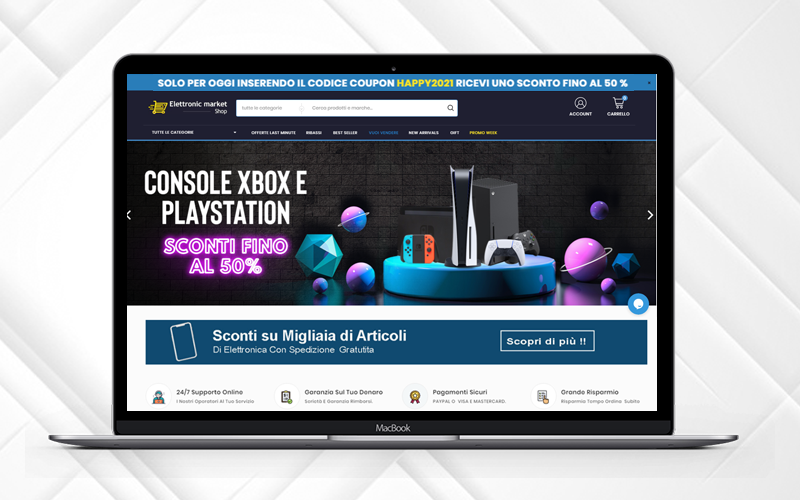
They have a 24/7 customer assistance service facility for customer communication which improves the customer experience.
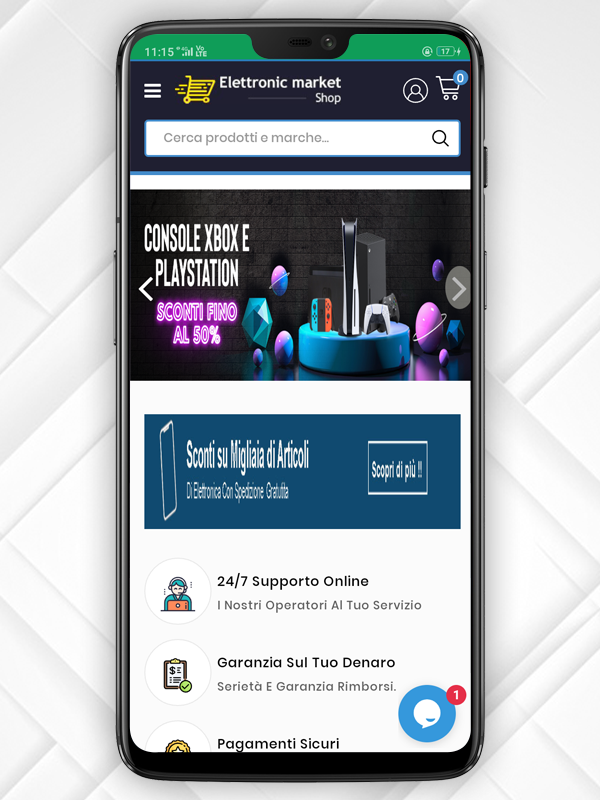
Also, Elettronic Market provides the best shipping and payment options to the customers. Every transaction is secured with PayPal Gateway. The inventories are updated regularly and all the products are analyzed by the expert’s team before making them available online for the shoppers.

-> Click here to visit the Elettronic Market Shop Marketplace Website.

The Elettronic Market Shop at a glance:

The marketplace has a sleek and clear UI with a streamlined design. The Promo code bar runs at the top of the page with a discount code that can be availed by visitors. All the sidebars are separate and give a great soothing look to the front end of the website.

Features that make it to the top

The Elettronic Market Shop is created using PrestaShop Marketplace Module developed by KnowBand. The marketplace features are very well utilized and can be observed throughout the website.
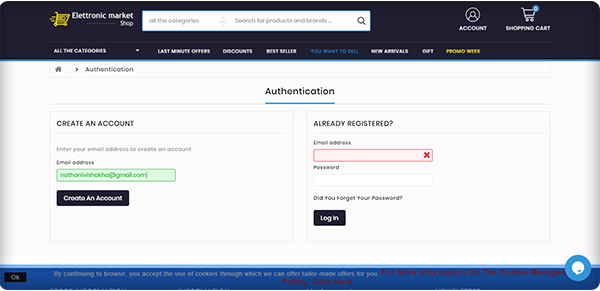
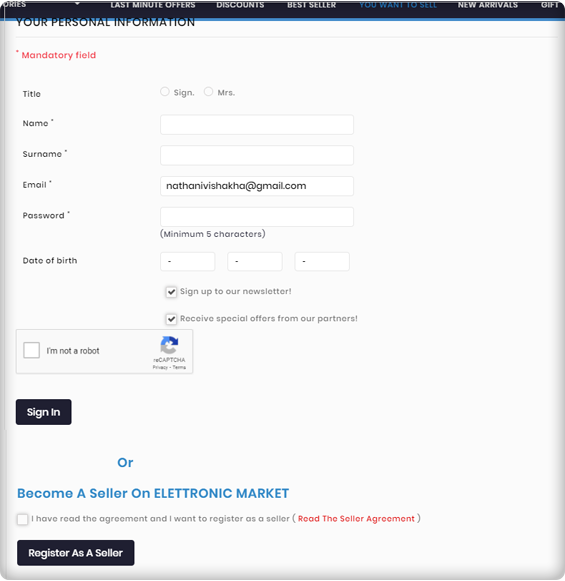
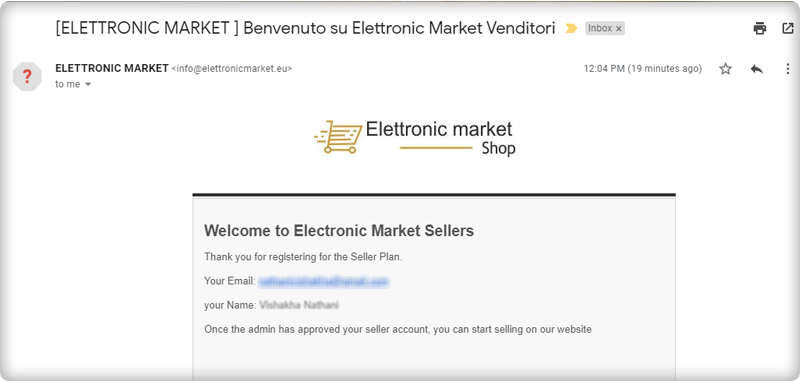
Seller Registration is easy

You can become a seller by simply registering yourself but it requires the admin’s approval to start selling on PrestaShop Elettronic Marketplace.
Email Templates for every event

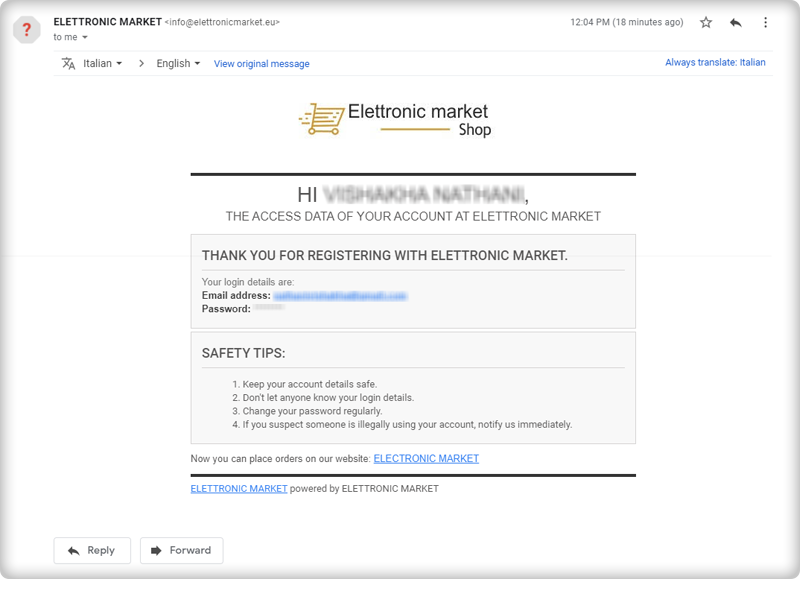
After the successful seller registration, you will receive an email with log-in credentials. Several email templates are available on the marketplace module for various events.
Seller Dashboard for every seller

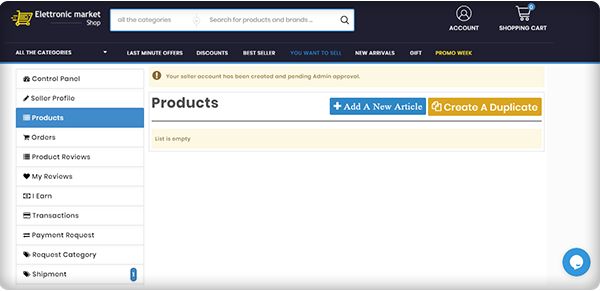
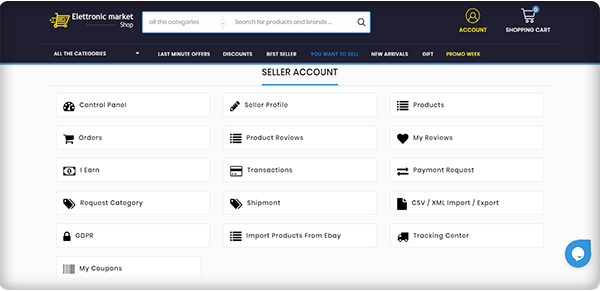
The seller dashboard is another appealing feature of the PrestaShop Elettronic Marketplace. The seller gets a lot of options for managing orders, product upload, and inventory.
Product Approval

All the products uploaded by sellers can be reviewed from the backend and requires admin’s approval, a feature offered by KnowBand’s Marketplace Module!

Elettronic Market pays special attention to all aspects of logistics

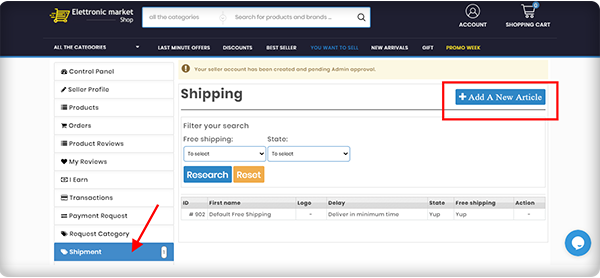
Excellent logistics must enable the selling of even large goods. Since the Elettronic Market is a well-established name in the market, their operational structure ensures the delivery of even large quantities of the products. Sellers on the Elettronic Marketplace can add custom shipping choices.
Super-Fast Delivery

With the automated efficient shipping and logistic system, In order to always intercept the quickest route to get the goods to their destination in the shortest possible period, they rely on the best professionals in the logistics sector located in plants and warehouses in different Italian locations.
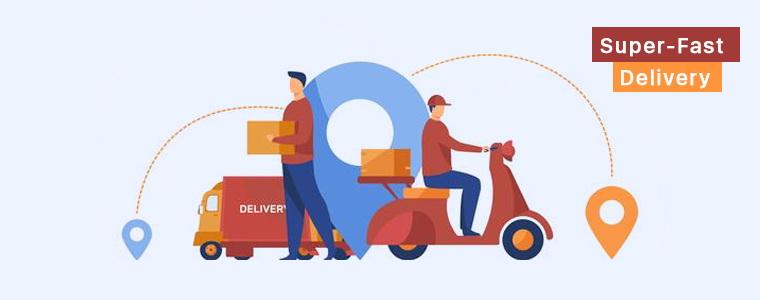
In reality, thanks to this functional organization, we are always in a position to deliver our products to Italy within 24-48 working hours.

Hassle-free Inventory Management

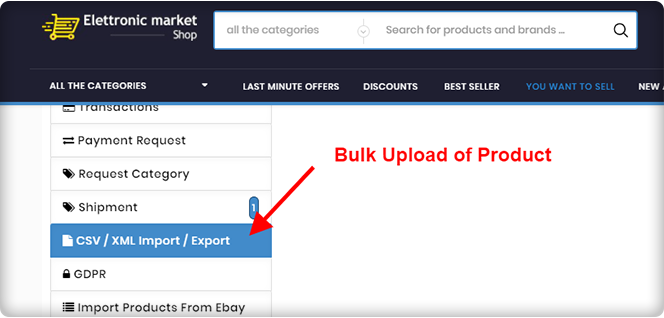
With technical systems and software developed specifically for Elettronic Market, the entire management of the products available in the warehouse takes place. They have always paid attention to the forefront of optimizing order management and processing times. Bulk upload of products from the seller’s dashboard is possible.
Ensure Packaging before Shipment

To guarantee customers impeccable service, the quality control department inspects all pre-shipment packaging and products to ensure the integrity of the goods and packages shipped. With absolute control, they handle the entire company operation.

Efficient Customer Assistance Service

They provide an effective ‘Customer Assistance’ service that assists customers of all nationalities in their mother tongue with highly skilled resources, where they are present at all levels, from the moment of selection to the delivery of the products.

Secured by PayPal Transactions

Elettronic Marketplace is certified and verified PayPal website and all online credit card transactions are carried out in maximum security environments, being attentive to online fraud and the safety of personal data.

Request Invoice Feature

Customers can send a request for the invoice and an email will be sent to the email address which is already linked to the order number.

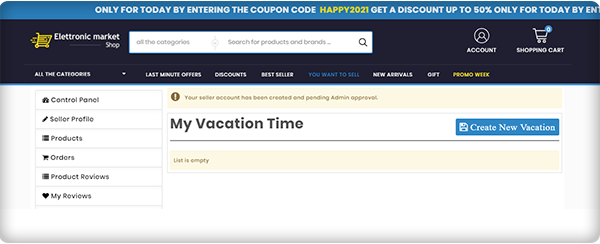
Vacation Mode

A seller can go on vacation mode when he/she is not available.
The Elettronic Market Shop makes life simpler

With a catalog the Elettronic Marketplace aims to enhance and extend on a daily basis, the list of offers includes a wide range of thousands of products.

Marketplace feature that helps in quality assurance

The greater strength of the Elettronic Marketplace has always been the richness of the bid. A team of experts continuously reviews the latest products to be included on the website and chooses only the best ones to provide customers with a superior product concerning quality, manufacturing methods, and aesthetics.

About PrestaShop Marketplace Module:

The PrestaShop Marketplace Module developed by KnowBand transforms your existing website into a multi-vendor marketplace. It is feature-rich and supports all the PrestaShop themes.

KnowBand has created several PrestaShop Modules for eCommerce websites that enhance the shopping experience and helps you bring more business to your store.

The marketplace needs a revenue model and PrestaShop Marketplace Modules supports two of the most accepted revenue models: The commission model and Membership Plans. It has a proficient admin panel with a functional seller dashboard. Customers can drop reviews for the products as well as the seller.

Every product-related activity by seller and placed orders can be monitored by the store manager from the backend. It supports multiple shipping and payment methods. The PrestaShop Marketplace module is also compatible with the mobile app builder. It supports multiple languages and currency.

Customization, email templates, seller management, inventory management, and many such features are incorporated in the Marketplace Module.

Click here to explore the Multi-Vendor Marketplace features

Click here to explore the Gold Plan of Multi-Vendor Marketplace Module

Support

For those who need a quote, specialized support is also available. In the appropriate section of the site, simply send an email at support@knowband.com and our Customer Service team will respond within a few hours.

Online Hyperlocal Delivery Business Model | Complete Guide for Food and Grocery Marketplace

The hyperlocal delivery business model is spreading its wings in the food and grocery market. Experts assume that in the coming future, the Grocery home delivery business will expand remarkably, and incorporating the hyperlocal delivery business model is a win-win for all the focuses involved. If you are looking for a solution to start a marketplace for grocery or food delivery business then KnowBand has exactly what you are looking for.

The modules developed for creating a hyperlocal marketplace are very well curated by the technical experts and analyzed by industry specialists to empower local businesses with the online grocery store or a food delivery marketplace. Online grocery shops have high profitability and the majority of people prefer online shopping rather than visiting the stores.

Bring your store on a digital platform and start your home delivery business with Hyperlocal Marketplace Module. For the beginners’ guide, you can refer to this article on on-demand Grocery Marketplace.  To deliver grocery, food, personal care products, or any services you need to make a plan and this article will be a step-by-step guide for launching your online home delivery store or an online marketplace. The hyperlocal delivery business model gives a platform to small businesses; they can become a seller on a marketplace and start selling immediately.

Companies like Amazon, Flipkart, Alibaba, Airbnb, etc, have established their brands in the marketplace industry and it is not easy to compete with these hotshots. Still, you have an opportunity to grow as people are supporting small businesses locally.

Step-by-step guide for a hyperlocal delivery business

Finding difficulty in deciding the right industry?

Don’t worry!

We have a plan.

Step 1- Select the industry you want to work in:

To finalize the industry for your hyperlocal home delivery business, do some market research. ECommerce has a lot of potentials if you do it right. Before establishing your hyperlocal marketplace business talk to industry experts, take help from the consultants or you can conduct surveys nearby.

Make good survey forms including all the necessary questions for the sellers and customers. List the benefits you will have and the sellers can enjoy. This will help you in finalizing your domain for the home delivery business.

Step 2- Decide your niche:

Once, you have decided on the industry, now it is time to determine the niche. The specific area you want to focus on. The hyperlocal delivery model for the food industry starts when you begin to think about the product and service you will deliver. You can choose basic needs products like dairy and bakery items, packaged food from a restaurant, lunch box delivery, essential grocery, or fresh vegetable delivery in local areas.

Here is the list of the top 10 budget-friendly hyperlocal business ideas. I’m sure this will help!

Step 3- Analyze what fits into your pocket:

Money comes next! Do not tempt the idea and dispose of your savings. Look into your budget and see what you have and how much you have to spend? Market research is important if you are putting your step into the hyperlocal delivery business. In my opinion, food and grocery delivery businesses are the best choices out there because this comes in the essentials and the essentials never go off the market. We already have witnessed the COVID 19 crisis scenario and boom in the hyperlocal grocery marketplace.

Step 4- Time to develop a website

Since you have to start your store online, you will need a website to enlist your products and services. You can either start a grocery, food, or personal care delivery business of your own, or you can create a marketplace web store and provide a platform to other small businesses.

A website can be created in a few simple steps:

Step 5- Attract sellers to your marketplace

Sellers are the most important part of a marketplace. If you are planning to start a food delivery marketplace similar to UberEats then you need to contact multiple restaurants and show them the benefits they can have if they sell on your marketplace. The food delivery marketplaces follow the hyperlocal delivery business model and we know how they are flourishing globally.

Read: How to Attract Sellers on OpenCart Marketplace

Step 6- Built strong customer base

In a marketplace, customers and sellers are interdependent. If you succeed in attracting sellers you will automatically invite a large customer base. Grocery home delivery and food delivery from their favorite food stall is the preference of every person as this gives them convenience and save time.

You can use Social Media to attract the audience by creating pages on different platforms. Read these articles for some of the best ways to attract more customers to a hyperlocal marketplace.

Recommended Reads:

Step 7- Make delivery set-up and tie-up with courier services

The success of an online grocery company depends heavily on how easily you can deliver the goods to the home/office of your client.

This makes it a vital factor in the entire start-up process to set up an effective distribution system.

Most consumers in India prefer delivery on the same day, more so for food and grocery products, and any unreasonable delay in this specific segment is generally frowned upon.

This is also not feasible, however, solely because of a shortage of human capital or the unavailability of vehicles to transport goods.

Deliveries often seem to come at a large cost-to-company, accounting for almost 30-40 % of total company costs. You can reduce shipping costs with some of the pro tips suggested in this article.

Step 8- Develop a Marketing strategy

The marketing strategies for the home delivery business can be a game-changer. You can use various social media platforms, go for email marketing, run campaigns; offer discounts, and a lot more can be done. You can attract sellers and customers by writing blogs and sharing success stories.

Although major online grocery players such as Big Basket and Amazon have the budgets on many media fronts to afford high-profile celebrity campaigns, you don’t have to follow the same path.

Instead, you can choose to market your online grocery store using local avenues that are equally successful, such as;

  • Putting a commercial in the local newspaper
  • Running a campaign on social media.
  • Sending SMS in bulk.
  • Putting up hoardings at famous places in your local area
  • Word of mouth is the best you can do
  • You can also hire food bloggers

Step 9- Allow Buy online In-store pick-up

It is a new trend to follow. Set up your Online Grocery Business with Store Pick-up Facility. This can save you from extra shipping charges and people sometimes prefer this to maintain safety and hygiene. COVID 19 outbreak expanded the market for BOPIS.

Read: Start your online grocery store with buy online and pick in-store functionality.

Step 10- Documentations and legal requirements

Before starting a hyperlocal delivery model for a food business you need to take care of some legal requirements and documentation work.

  • You need to form a legal entity
  • Register your firm or company for taxes
  • Open a business account to handle business transactions
  • Accomplish your licenses and permits as per your country’s policy and take the licenses according to state & local Business requirements
  • Since you are selling food products, follow all the food safety measures and regulations
  • Do vehicle’s registration and hire a licensed driver for transportation

Create a Mobile App:

Considering the numbers, the smartphone consumer base is wide and about 80% of the smartphone users did online shopping through mobile phones in the year 2020.

After the successful launch of your home delivery website, you can create a mobile app as the number of smartphone users is more than the desktop user. Built a grocery store mobile app for eCommerce and you can refer to this article to read the success story of our happy clients.

Read: [Success Story – Goldengrocery] Grocery Mobile App for E-Commerce

Wrapping up:

This article and the attached reads are sufficient to guide you on starting a hyperlocal home delivery business and a food delivery marketplace. The successful food delivery apps like DoorDash, UberEats, Zomato, etc. created a marketplace for small and big restaurants and increased their customer base and sales. Gear up for the new venture! You tell us what you want and let us think.

You can write to us at support@knowband.com or visit our website for further assistance. Our technical experts will guide you and help you throughout the journey.

How to Start Online Clothing Business- Complete Guide

Are you planning to start your own clothing business online? Well, thanks to the innovators and web developers. Now you can start an online merchandising business with minimal cost without any physical brick and mortar store.

Online clothing business is an opportunity if you are looking for a breakthrough idea. Strategic planning, the right approach, and excellent marketing can make you a dominator in the clothing industry.

Finding a good idea to work on is the first step to starting an online clothing business. You’re going to spend a lot of time, probably money, and effort on it, so make sure that you work on something that has real potential to earn you passive income, allow you to leave your job and do it full-time, provide value and use your skills and talents, or else.

You can sell anything like kids’ clothing, designer, vintage, or anything in between. It is now simpler than ever to set up an online clothing store, thanks to the invention of online store builders, such as OpenCart, Shopify, Wix, and PrestaShop, and the best part is you don’t even need to know how to code!

Since you have reached this far imagining about this new clothing business idea, now you require a plan which can help you start your new venture.

Before that starting a clothing business, ask yourself these questions: Are you skilled enough to start this? If you are passionate enough for starting a clothing business? Will you be able to deal with the new situations coming? Is it profitable? If your answers are in favor then you are preceding in the right direction.

1.     Choose the business model

It’s time to choose a business model for your online clothing store business, now that you know your niche and have an idea of the types of items you want to sell. Online clothing and fashion stores fall into the following categories of business models:

  • Retail
  • Wholesaling
  • Manufacturing

After choosing a business model, one has to select the type of clothing they want to sell:

  • Fast Fashion
  • Traditional Fashion
  • Custom Personalised Clothing
  • Designer Apparels

Each business model has its pros and cons and your ultimate aim, budget, and skills should be focused on choosing between them.

2.   Launch your Website:

Starting a clothing business online is a profitable business as 80% of millennials prefer shopping online.

It is important to have your website. It’s the only place you can sell clothes online and it’s where you’re going to develop your brand, get traffic, and implement all your knowledge to earn a profit. Your website will always be there, at the heart of your business, no matter how much your business expands over the years, and how many monetization methods you pursue.

A website consists of a domain name (the name of your clothing store website), a hosting provider (the company that provides the server to support online business), and a content management system such as Shopify, OpenCart, PrestaShop, Magento, etc. The online platform is the program that allows you to build an online store for selling clothes, creating content, and adding the product, email marketing, and much more.

For starting a clothing business you need an attractive name that should be easy to remember. You can hire a website development service provider to create the best to compete in this rapidly evolving world of fashion.

3.    Find your Target audience:

There is a target audience for every company, so make sure to do your research before settling on a niche. The more you understand your clients and what they want, the more are your chances of delivering the goods they want.

It isn’t easy to start an online clothing business but if you know your customer and have studied their consumer behavior then you can make this difficult task an easy one.

Start blogging:

I can’t emphasize enough how important content is to your overall online clothing business strategy.

You need to build content in multiple ways to start the online clothing business flourish. Writing blog posts, comprehensive guides, videos, social media posts, podcasts, courses, etc. can support every potential lead. Repurposing content is simple as once you have published a blog post, you can easily convert it into a series of emails, a free guide for your subscribers to download, several social media posts, and what not!

Conduct Online Surveys:

To know your target audience and to understand their demands you can conduct online surveys with free available Google forms or any other means. Surveying before starting an online clothing business has added benefits. For the starter, this can help you in deciding the type of product you can sell in your store.

4.    Build Your Clothing Brand

What shapes your brand is you and everything you do online. You need to make sure your brand is compatible with all the elements of your online clothing business.

It means:

  • Using the matching colors, photos, products, etc. on your web.
  • To build all types of graphics for your clothing brand, use a free tool, and capture interactive pictures of the clothes you want to sell.
  • Create a logo with a tagline to stand out
  • Writing an awesome page about telling your brand story and what you will be selling on an online clothing store;
  • Be on every platform of social media and get involved. That’s a way to connect, build up your followers and generate brand recognition with your audience and other business owners;
  • Capture professional images and add them to your website and social media pages for your product;
  • Ask them for reviews and display these testimonials on your website once you have some clients and email subscribers.

5.    Register Your Online Business

In your country, how to start an online business? You have built the foundation of your brand when your clothing website is launched and you have started making your first cash. That’s something you’re going to need to remember.

It’s an easy procedure to register an online company, but you need to follow your country’s rules. After making the lawful registration for paying taxes you will receive all the required details like company registration number, VAT number, etc.  Start your online clothing company and register it as per your country’s laws.

6.    Design Your Products:

Let’s look at the things in more detail that go into creating a product.

You have to choose any available service provider companies as your fulfillment service to design a product. Assume that you have created your online shop. You all know what it takes for fashion lovers to find something pleasant to wear, so imagine what it’s like to design it. Lots of things to take into consideration:

  • The creator of the designs cannot just imagine but are capable of making it a reality.
  • The survey which you have conducted before setting up your online clothing store will now help you as you know what your target audience like.
  • It is needful to keep an eye on the quality of the product you are going to sell. The cut and material of the garment is something you need to take care of. The fabric you will be using, its stretch and fit, all are important factors to start selling clothes online.
  • For the final result, from A to Z-the fit, the color, the design, you have to be sure about everything. You have to develop a product which makes them buy it. Otherwise, selling isn’t worth it. Before going live, be sure to order a copy.

Read: 8 Things that make a Perfect Mobile Product Page

7.    Master the Marketing and Sales Funnel

Getting your store up and running is the first step, but you will need to market your clothing store to make sure that you start (and continue) selling clothes online.

We highly recommend you marketing your online clothing shop over social media. This is a free and simple way to get out into the world with your brand name.

You can simply allow your customers to like your company on Facebook or follow you on Twitter with share and win schemes, which means they can keep up with all brand promotions, industry news that you can share, and any upcoming deals.

Affiliate and referral programs can help you with spreading brand awareness. It is the sneakiest way of bringing new potential customers. Another marketing tool is email marketing. You can send follow-up emails, promotional emails using apps, email marketing tools, and plugins to your customers who have visited your online clothing store before.

Your online clothing store will be making big bucks in no time at all with these easy, powerful, and inexpensive marketing methods.

It’s time to track success.

Conclusion:

When you start your online clothing store, you’ll need to find the middle ground between your quality standards, manufacturing costs, and making a profit.

Almost nobody is born with the full stack of expertise to start and run a successful business, so make the effort to learn about the pieces that you don’t know as much about, whether that’s how to connect in the fashion world, or how to build a growth-oriented business plan.

Be ambitious, understand your brand, and keep your set-up costs down! Good luck!

Recommended Reads:

10 Most Important Things you Need to Know about Magento 2 Marketplace Module by Knowband

The marketplace is the only platform where you can find all the required stuff under one roof just like ‘Amazon’-the world’s largest online marketplace. The opportunity in the marketplace business is at the peak and after the pandemic, many start-ups around the globe are taking a lot more interest in the marketplace business model.

There can be two ways one can build or create their own multi-seller marketplace.

  • From the scratch by coding: by developing marketplace software using coding languages like PHP or other.
  • On an existing eCommerce platform like Magento, PrestaShop, Shopify, Opencart, WooCommerce, etc.

The former needs lots of money and technical expertise while the latter can be done without any professional coder. If you are a beginner then you must use the existing eCommerce platform rather than starting from scratch. The best solution to create one is Knowband’s Magento 2 Marketplace module which is developed by professional coders with all the technical expertise. We have added several unique features and tailored the extension in a way that it can satisfy the demands of the admin, vendor, and the customers in all possible way.

1.     Who can sell on Magento 2 Marketplace?

Marketplaces are the platform where third-party sellers offer their products for sale. And, Marketplace module for Magento 2 allows anyone, literally anyone to register as a seller. The front end of the Magento Marketplace has a seller registration page from where any visitor can register as a vendor.

The seller request needs the approval from admin and once it is done, sellers can sell!

2.     Add Several Membership Plans

After the seller registration, the seller has the choice to opt for a membership plan. You can create several membership plans based on the number of products a seller can upload and the valid number of days like a monthly plan or yearly plan for which the plan will be activated.

The store owner can charge some amount to sellers as membership fees.

3.     The vendor can manage Inventory

In order to start selling in minutes and control their inventory within your marketplace, your sellers should add their own products. In Magento 2 Marketplace extension, each seller has its own order control panel called a seller dashboard for handling customer orders, and customers can buy from several sellers at once.

The product list for the in-stock product can be auto-updated as it has inbuilt cron functionality.

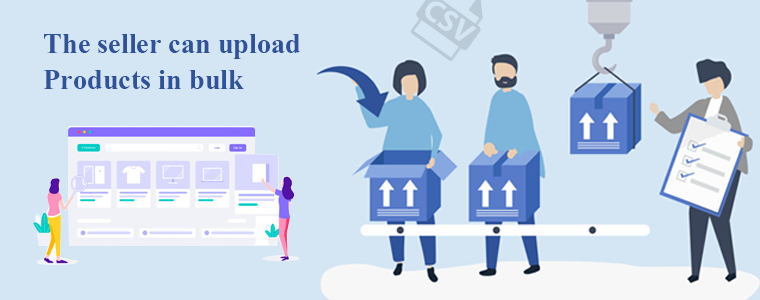
4.     The seller can upload Products in bulk

The bulk upload of the product list is possible with Magento 2 Marketplace Module and the seller can upload .CSV file from the dashboard. This will reduce the extra time spend on product listing and this can be done effortlessly.

5.     Order handling by both admin and sellers

Both the owner and the associated seller would be handling the orders placed on the marketplace. The vendor can see the orders in the seller dashboard, while the admin can see all the orders in the admin panel of the Magento 2 marketplace module. You can change the order status, mark an order as shipped, pending, etc.

Furthermore, the store owner may decide to allow or forbid the sellers from handling the orders with the help of Magento 2 Multi-vendor marketplace module.

6.     The shipping system

The seller can add shipping options: The Magento 2 Marketplace module enables sellers to integrate their own shipping options. With the aid of this, they can add many shipping options to their goods and chart them.

Admin can add shipping options: The module also helps the administrator of the store to add different shipping options for the sellers.

7.     Payment flow structure

Making the on-time payment is an issue when there are many sellers but cron automated payment functionality releases the burden completely from the admin’s head.

The store owner may enable automatic seller payouts that automate the payment request process. Admin may either use cron URLs for this setup or use the “Process Paypal Payout Status” cron directly.

Also, the sellers are entitled to make payout requests for the balance. The admin can approve the payout requests manually with a single button click, making it easy for the admin to manage the Magento 2 Marketplace operations.

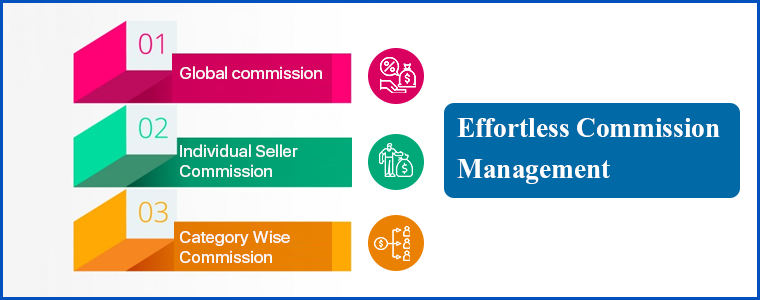
8.     Effortless Commission Management

The sellers’ commission can be configured by the admin on three levels.

  1. Global commission: All marketplace sellers will be subjected to the Global Commission Rate. For instance, if you add 20% as global commission then it will be fixed for every seller and every product listed on the marketplace.
  2. Individual Seller Commission: The commission fee can be charged differently on the seller level for individual sellers on the Magento 2 Marketplace.

The priority is set to the seller wise commission option.

  1. Category Wise Commission: Third and the last way to charge the commission is category wise. Store admin can set the default commission on the categories.

The admin can see the commission earned order wise from every seller.

9.     Default email templates

It is necessary to notify the sellers and customers about the order updates on time. There are several default email templates in the marketplace modules for the Magento 2 platform that are pre-crafted for sending different updates.

We listed several email templates in our Magento 2 marketplace module’s backend which can be used for sending notifications to sellers and customers. Using this plugin, the admin can edit any email template right from the admin panel. Multiple languages support all the email templates.

10.Versatile Approach and compatibility

The module is compatible with all Magento 2 themes. It supports multiple languages that can help you sell globally. Many Magento 2 extensions are compatible with Magento 2 Multi-vendor marketplace module. You can even create your mobile app using Magento 2 Mobile App Builder.

More to offer:

There are various seller details that can be monitored by admin like best-selling products, product and seller reviews, transactions, earnings, orders received by individual sellers, and much more. The marketplace module has many other features that can help you create a marketplace on Magento 2 platform. Refer to the user guide or the video tutorial for the same.

Final Words:

It’s becoming easier to build an online marketplace, and with accessibility comes stiff competition. However, that’s nothing to be afraid of. You will make your marketplace site stand out from the crowd and beat the competition with the best blend of techniques for what you’re offering. Knowband’s marketplace solution can help you launch your online marketplace from the beginning to the end.

Now you know the important features of the Magento 2 Multi-vendor Marketplace module and I hope this article was helpful to you. Drop a line in the comment section if you like it or write to us at support@knowband.com  if you need any assistance in creating your marketplace.

Knowband also developed the marketplace module for OpenCart, Magento, and PrestaShop platforms.

Recommended Reads:

‘Chicken-and-egg’ problem of marketplace startups- 6 tips for building your own

Marketplace is one of the most profit generating business in the contemporary eCommerce market. Businesses are flourishing with the new approach where they do not have to invest in inventory of products, but still make huge profit from commissions earned from the sales made by sellers on the site. It’s all butter, isn’t it?

Undoubtedly, marketplace is a treasure of revenue generation, but like every precious treasure, it is also not so easy to acquire. Otherwise, we would be seeing every other site becoming a marketplace to hunt the treasure. From supply chain management, customer support, product quality, marketplace reputation to bringing the sellers and customers on the site, a marketplace is a challenging business.

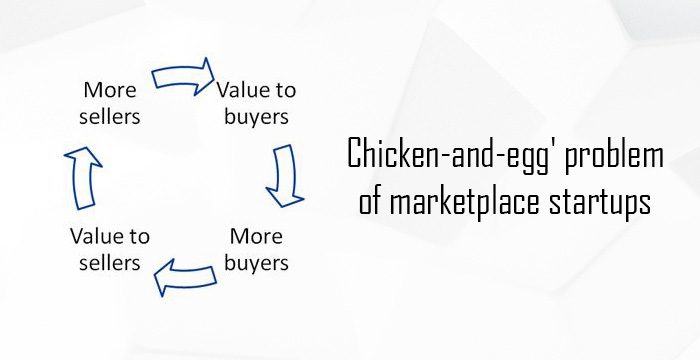
A marketplace business cannot acquire customers if there are no or only a few sellers on it, and would not be able to convince a seller to sign up if there are no customers on the site. That’s the chicken and egg problem of a marketplace where you get stuck between whom to bring first- sellers or the customers. Luckily, despite these challenges, successful marketplaces do exist.

In this post I have focused on how you can deal with the chicken and egg problem of the marketplace and understand why it’s not only about developing a marketplace site but developing a marketplace business on the whole.

What is the chicken-and-egg problem?

Which came first? Same can be said for seller and customers on marketplace sites

If there are buyers, but only a few sellers to fulfill the orders, stock won’t be enough to fulfill all the orders. So, the buyers will leave unhappy out of the product scarcity and probably not return back.

Yet, if there are no buyers on the site, how would you convince a seller to sign-up?

With no buyers for their products, seller’s won’t find your site beneficial for them. Even if they sign up, list their products, and wait for the buyers to come, there is no guarantee that a sale would be made soon enough. In case if they receive an order after months of listing, you can’t say if the product is still available in the stock with the seller, or it is fresh enough to maintain the quality. So, ultimately customers won’t get a quality service from the site, ruining the site’s name.

Supply is the biggest challenge behind a marketplace business. With this chicken-and-egg problem, it takes a while to build a marketplace business. A new platform generally lags in creating enough value for attracting new users. Whether, it is the customers or the sellers, they won’t join you until you have something valuable for them.

Certainly, this is a huge issue for your startup, but as I said, despite these blockages, successful marketplaces do exist. So, stay tuned because we are going to discuss how can you survive this tough time while getting traction and building your supply and consumer base in the long run. Here are the six tips:

1. It’s all about patience and a plan-

Have patience till you establish the both sides-seller and customer community

It’s a probable case that you might not see the signs of traction even after months of the startup. In this case, you should comprehensively reassess your business model and market. The nature of this time period is somewhat opposite to an inventory based eCommerce startup. There you build your own supply chain by stocking products by yourself. In marketplace, you need to build both the customer and seller communities; you will need more time to prove your value to both the sides.

It might take a few months for a marketplace to finally get and prove that value. However, in the meantime, you need to identify a niche for your business and start focusing on that very specific target. Used by most of the successful marketplaces, with niche market targeting your main investment would be the time spent in canvassing sellers. Etsy and Amazon are the two such examples, which started from a niche market (Vintage, handmade products, and books respectively) and later expanded to the broader section.

So, until you get to that level, you need to stay focused, steady and patient.

2. Take a close look on your initial investment-

Experts have different opinions on level of initial investment in marketplace promotion

The level of initial investment in a marketplace business is a matter of debate. Some experts say making big up front investment signals the entities that you are serious about the business and would stay focused in the long run. So there would be stability. It would also make your suppliers and producers comfortable about your intentions to keep the business running. Experts support this view by giving the examples of big upfront investments by several businesses like Microsoft’s launch of Xbox. They made a huge commitment by spending around $500 million for promoting the platform.

However, my views are inclined with the other side of the experts who believe in regulating the burn rate during the initial periods. You need to give yourself some time to build the value for your business first. The reason is, not everyone is Microsoft, who has no scarcity of dollars, plus an already build business value. While some businesses might score huge success with early big deals, you cannot buy the speed when it comes to building a marketplace. Regulating your investments in the initial period would save the fuel and take you furthermore on the runway.

So take a careful look at your initial burn rate. There is no need for big teams, and big offices early on. Most of the initial marketplace investments are made only in two functions: Developing the marketplace site, and building the supply chain base with buyers and sellers community.

3. Tighten your target on the niche market-

Focus on a target market and apply efforts to win that niche

Successful marketplaces may function as a repository for diversity of products and choices at the same place, but none of them has started in the same phase as they are there now. The example of Amazon and Etsy marketplace in the first point advocates this view. Etsy started as a destination for Vintage and handmade crafts and later expanded itself to other categories. Today, Etsy accepts integration even with stand-alone eCommerce sites and platforms. While Amazon started as an online bookstore and evolved as a huge marketplace of everything you can imagine buying. Even Amazon accepts integration with other eCommerce sites and eCommerce platforms.

Both of the entities tightened their focus in smaller vertical before they expanded into the bigger market. This narrow focus steadily became their largest USP and traction. Today, you won’t think of a better online place than Amazon to buy books , even if it is no more a mere bookstore and same goes to Etsy for handmade crafts.

The growth outside the niche would be an organic process that would develop in time. If the growth doesn’t start organically, you can help yourself to speed it up by targeting on seller acquisition efforts. You can prepare action plans targeting certain types of product categories and sellers, and then gradually expand outside the niche of the circle. You may use your geographical location as an advantage by first expanding the reach to local level before going for national and international level.

4. Focus on your niche users’ utilities-

Performance in the niche market decides the fate in the broader section

It is now an understood fact that successful marketplaces are built from a niche to the masses. During the niche period, it is important to optimize the experiences of your early on-boarders before you can start appealing the masses. By focusing on user engagement for your early adopters (both sellers and customers) you will increase the likelihood of being discussed by them in their circle, and that discussion would contain something promotional for you.

For example, Etsy did a fantastic job as a marketplace for handmade crafts which led to carry on its legacy even after it expanded to other categories. Amazon did a fantastic job as an online bookseller in the US before it evolved into a marketplace giant with a reach across the globe. And, a bit different but relevant example, Mc Donald’s did a fantastic job with its hamburgers in the US before expanding to other products and other countries.

All these entities, took a special care of their early adopters before the expansion, as a result, their legacy continued even with the new products and new audiences. So, before focusing on the broader section, make sure your marketplace performs excellently in the narrow section, ultimately taking you to the broader section organically and automatically.

5. Build the community with your Niche users-

A community of users can only be made if you focus on their utilities, and support them from time to time. Social media is the best platform to build a community. Utilize this platform to expand your reach to the users.

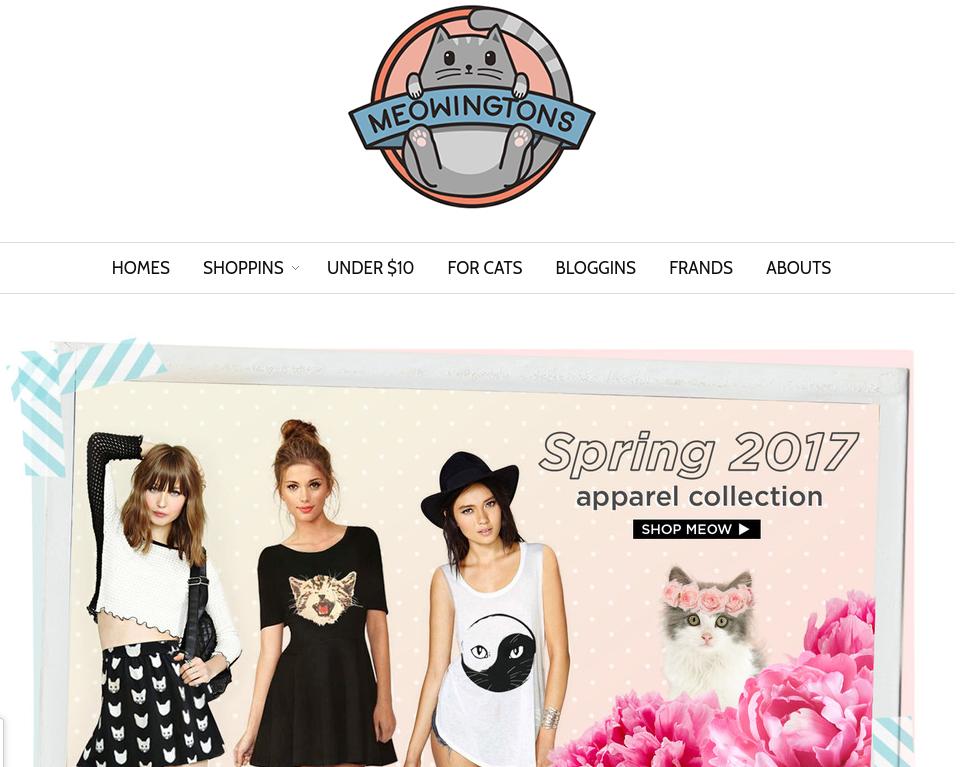
Meowingtons is a perfect example of how you can focus on your niche to take a leap to the broader section. It started with the thinking that out of the whole US population, there is a good share of women population. Out of the whole women population, there is a good share of women who like cats. So, it focused on the women who like cats an started selling the cat accessories, cat utilities, and cat theme accessories for women. Today, it is a successful startup with more than 5 lacs followers on different social media platforms.

6. Trust your vision, but follow the stats-

You might find people not believing in your vision. Do you need to stop right there?

The market is full of conceptions. Everybody have their way of doing things. You might get ridiculed by some of them regarding your vision. You will find people suggesting to back-off when your start doesn’t happen with that pace.

Well, when building your marketplace business, or expanding it to newer boundaries, you have got to believe in your vision, but do not have a blind faith in your ideas. If you are going right, you would definitely find the positive signals at different phases of the business. Keep a track on your development and re-asses the steps you have taken and how they have worked for you. Have a survey from your early adopters about their experiences, audit the repeat customers and repeat sales, track the pace of seller sign-ups and their views about the user experience on the site.

If there are no positive signs of traction, and stats are not in favor of your ideas, rethink about continuing further. You cannot make a successful marketplace business with just visions, you have to stay tuned with the stats and facts.

Having discussed some of the basic tips and tricks of starting an online marketplace, let us now take a look at how can you take care of this chicken-and-egg problem. Whether a huge chuck of customer base will attract the sellers or a large number of vendors will motivate the customers to shop from your site is still an issue.

Some of the strategists think that attracting the seller first is a better option. However, as per my personal experience, working on your niche market and creating a strong audience base as a single vendor site may help attracting the third-party vendors as well. And once the sellers will start pouring in, the product range will increase and store visitors will get more option to shop from your site. Here are some of the tips to deal with chicken-and-egg issue.

Final Say

Summing up the entire thing, I would discuss some of the key points that can help you take care of this problem for your online marketplace. Take a look:

Starting off the platform as a producer can help you dive into every nook and corner of the industry. Working at the ground level can help you identify the bottlenecks of your shopping store. Having a practical experience as a vendor can help you get the best from your third-party sellers.

Create a network of not just customers, but vendors as well in the very beginning. You can leverage the power of your network in the wrong run. When it comes to a marketplace, building a personal connection with your sellers is as important as having a strong customer relationship.

Acquire high-value users before you approach the vendors to be a part of your online marketplace. It’s kind of a vicious circle. The quality customer base and motivate the sellers to sell on your site. Moreover, a large number of sellers and product variety can give compelling reasons to the reluctant visitors to shop from your site.

It may sound conventional, but getting celebrity endorsements is definitely one of the ways to attract both sellers and end-users. Getting the partnership or endorsement from someone who has a fan base and help you channelize your long-term vision.

How to get the customers?

Discussed below are some of the strategies that can help you bring traffic and boost conversions of your site.

As mentioned earlier, focusing on the niche market and creating a strong customer base as a single-vendor site is a must. Incentivize your potential customers.
Instead of just focusing on customer acquisition, make sure that you take up steps for consumer retention. Follow up emails, social media engagement are some of the ways to keep them engaged.

How to get the third-party sellers to sell your site?

Once you have established yourself in the niche and the target market, attracting the sellers will get way more easier. Additionally, you can opt for the following tricks to increase the number of vendors of your site.

Finally,

The six tips we just discussed should allow you to give a correct start to your marketplace business. Building both sides of the marketplace simultaneously is a hard job than a one-sided inventory model, but once you reach the scale, things would start kicking and would establish your roots well and firm. Till then have a little patience, and give your business enough runway to fly high with both sides being well established.

Liked This? You’ll Like These Too