6 Reasons Why Your Business Needs A Strong Social Presence

Gen X, Millennials, or Gen Z, you will find people of all three generations on social media platforms like Facebook, Instagram, Twitter, etc. And I guess I won’t be wrong to say that your target audience also falls under the age group of these generations.

Facebook and Instagram have over 2.6 billion and 1 billion monthly active users, respectively, making them two of the largest social media sites. With such a vast majority of people connected to social media, there remains no question as to why your business requires a social presence. Moreover, marketing on social channels has grown rapidly over the past couple of years.

Besides the numbers, let’s take a look at the six important reasons that highlight why your business needs a strong social presence.

1. Builds Brand Awareness

Whether you have just started your online business or it is booming already, it’s a wise idea to mark its presence on social media platforms. Not only it increases brand recognition but also helps you build your community on popular social networks.

Social media is a perfect place to showcase the audience what your brand is about and allows you to connect with your audience on a personal level.

2. Humanizes Brand

The ultimate goal of any business is to drive traffic to their website and get sales. This seems valid from a business perspective but it’s important to know that human nature draws us towards things that are relatable; to which we could connect.

Social media bridges that gap. Having a social presence provides you with the opportunity to create a friendly atmosphere where people feel familiar and interact with your brand like it’s a part of their day-to-day life.

People like to engage, and when they notice that you are trying to build communication instead of being promotional every time, it further increases their liking towards your brand and this is what can make it stand out from your competitors.

3. Targeted Advertising

One of the best things that social media brings to the table is targeted advertising. Unlike traditional advertising where you cannot narrow down your audience, having a social presence provides you with the opportunity to reach out to the desired audience.

You can break the audience by their gender, age group, location, interests, etc. This ensures that your ad is getting delivered to the relevant audience which also improves your cost-per-click rate. Thanks to tools like Google Analytics and Social Native which has the capability to track social activities, it makes easy to analyze our target audience.

4. Competitive Edge

While you are here thinking why your business needs a strong social presence, your competitors present on social media are already eating away your potential customers. They are putting their time, money, and everything to get the customers on their side.

Having a social media presence gives you a competitive edge and with your social media marketing strategies and activities, you can outperform your competitors and turn the tables.

5. Capture Leads and Boost Sales

Marketers consider social media a powerful tool to generate leads. It is immensely used worldwide. If you are not utilizing those platforms, you are missing out on an opportunity to acquire leads and scale-up your sales.

Social media giant Facebook lets you open your shop on the platform. With a Facebook store, you can allow the audience to browse your store products even without being present on your website.

6. Real-Time Information

Social media is not just limited to entertainment or marketing purpose. In fact, it’s becoming a source of information for people. Any changes or updates made by a Brand are mostly confirmed by their social media pages.

You can also interact with your audience by bringing them the news, offers, sales or any other information related to your business.

Final Thoughts

If you do not mark your social presence now, you will be deprived of so many benefits which your competitors are already enjoying. The world is evolving, so should you!

Top 5 Payment Gateways for your eCommerce Store

Earlier, people used to be a bit hesitant when paying online especially when making a big transaction. But as time progressed, people got habitual of online payments.  In this digital era, online businesses are trying to enhance the customer shopping experience by providing them with multiple payment options. Therefore, integrating the best payment gateway to an eCommerce platform is becoming significant to boost sales.

What is a Payment Gateway?

A payment gateway is a merchant service that authorizes credit card or other direct payments processing for eCommerce businesses. In other words, you can say a payment gateway acts as a mediator between the payment processor and the eCommerce store.

The payment gateway makes the payment processing secure and hassle-free.

Payment Gateways to choose for your eCommerce Business

There are multiple payment gateways that offer a smooth transaction between the site and the payment processor. While choosing one for your business, make sure it meets your business requirements. Do not forget to read its reviews or feedback.

In this write-up, I have compiled a list of top 5 payment gateways that we feel would match your needs.

Note: The choice is purely the author’s. You may find other payment gateways on other blogs and articles.

1. PayPal

Founded in December 1998 though launched in November 1999, PayPal is one of the most popular and widely used payment gateways accepting both Debit Card and Credit Card payments. As of the first quarter of 2020, there were 325 million active PayPal accounts worldwide, reports Statista.

It is free for consumers while eCommerce merchants have to pay a small transition fee to accept payments through PayPal, nearly 3% per transaction without any monthly charges. Also, PayPal doesn’t require any setup expenses or gateway charges. Some of the top brands using this payment gateway are Disney and Adidas.

2. Authorize.net

Launched in 1996, Authorize.net is also among the extensively used eCommerce payment gateways with a major part of its user base (reportedly 83% of the customers) coming from the United States. Over 40,000 eCommerce merchants use Authorize.net payment gateway that allows them to accept Credit Card and electronic check payments. The company charges a $25 monthly gateway fee and 2.9% plus $0.3 per transaction fee.

3. 2Checkout

2Checkout started officially in 2006. From Startups to popular brands, over 17,000 companies use this payment gateway that offers its services in more than 180 countries. 2Checkout allows merchants to accept online payments via Debit Cards, Credit Cards and PayPal. Its processing fee is similar to that of Autorize.net and does not require you to pay any set-up and monthly charges. It is a multi-lingual online payment processing service supporting multiple currencies.

4. Stripe

Based in San Francisco, California, Stripe is one of the best eCommerce payment gateways, founded in 2010. It provides APIs that web developers can use to integrate payment processing into websites and mobile applications. You need not be a coding expert to use it; you can get going within a few minutes.

Millions of companies in over 120 countries use Stripe to manage payments on their website. The processing fee of Stripe is 2.9% + $0.3 per domestic transaction. Some of the top brands using Stripe are Shopify, Microsoft, and Shopify.

5. SecurePay

Founded in 1999, SecurePay is a mobile payment gateway that accepts multiple forms of payment and is designed to secure processing, transmitting and storing of payment card-related data.

Nearly 23.5 million transactions are conducted using SecurePay yearly and over 8500 eCommerce merchants use this payment gateway on their website. SecurePay charges 0.25-1% + $0.25 per transaction fee.

Some of the other popular eCommerce payment gateways are Braintree, PayU, FirstData, Amazon Payments, Skrill, etc.

We receive a significant amount of traffic from European countries like France, Spain, Italy and Poland. So we have also made a list of some of the best payment gateways supported in those countries. Check them out-

Best Payment Gateways for France

  1. Braintree
  2. Authorize.net
  3. 2Checkout
  4. Skrill
  5. Stripe
  6. PayPal
  7. Amazon Pay
  8. PAYMILL

Best Payment Gateways for Spain

  1. Stripe
  2. Braintree
  3. Authorize.net
  4. 2Checkout
  5. PAYMILL
  6. WorldPay (Direct)
  7. PayLane
  8. BlueSnap

Best Payment Gateways for Italy

  1. GestPay
  2. 2Checkout
  3. Authrorize.net
  4. Braintree
  5. PAYMILL
  6. Skrill
  7. WorldPay
  8. AlliedWallet

Best Payment Gateways for Poland

  1. PayLane
  2. DotPay
  3. PaybyNet
  4. PayU
  5. PayPal
  6. Tap2Pay
  7. Przelewy24

Integrate Multiple Payment Gateways on your Mobile App with our Mobile App Builder

We, at Knowband, provide the mobile app builder module for multiple eCommerce platforms like PrestaShop, OpenCart, Magento, Magento 2, and WooCommerce that supports a wide range of payment gateways. The mobile app builder is a feature-packed module that lets you provide a convenient and rich shopping experience to your mobile users.

You can also take a look at our One Page Checkout module that offers support to nearly all the major payment gateways.

Final Thoughts

Before you choose a payment gateway for your eCommerce website, consider a few factors such as the transition fee (whether it falls within your budget or not), international support (multiple languages and currency), different forms of payment methods they accept, etc. Make your final decision considering every factor that fits your requirements perfectly.

How to Cross-sell and Upsell?

You do not always require cold calling or sending the bulk of emails to close a deal or make higher sales. If you know how to Upsell and Cross-sell, it makes your job easy.

Cross-selling and Upselling are marketing strategies that provide you with an excellent opportunity to earn more revenue or make more money from your existing customers. If implemented well, it can boost your sales by a significant margin.

Research says that it is 5-25x times more challenging to acquire a new customer than retaining an existing one. It is because existing customers are already familiar with your brand. If they are satisfied with your products or services, they will likely visit your website again in the future and spend more.

On the other hand, acquiring a new customer is challenging because they have never interacted with your brand before and will take time to get familiar.

This is why Upselling and Cross-selling are considered the best practices to get sales from your existing customers as they give the best ROI.

Let’s dig further and understand the cross-selling and upselling techniques.

What is Cross-selling?

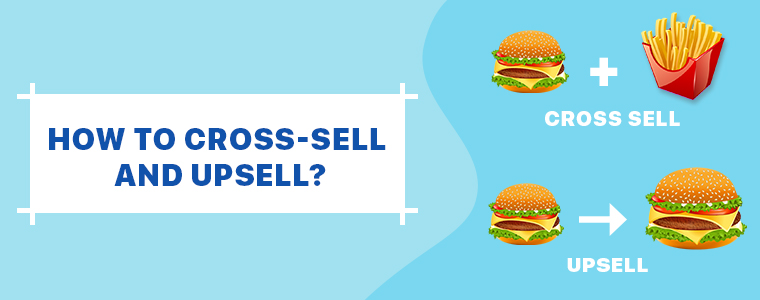
Cross-selling is a tactic to encourage customers to purchase related products along with the primary product. For example, if a customer has purchased or is purchasing an iPhone, he/she can be recommended to purchase Apple Airpods along with it.

This fits well with the product which he/she initially came to buy, right? If they are buying an iPhone, they would love to have Airpods to listen to music which usually costs around 235 USD. This added $235 in the order value reflects cross-selling.

What is Upselling?

Upselling is the marketing tactic to encourage customers to purchase a higher end-product than the one they are primarily purchasing. For example, when you purchase any tool, it usually comes with a basic plan and a premium plan; which obviously has got more features.

The basic plan is set by default during the purchase but you push customers to upgrade to the premium plan to enjoy more benefits; that is Upselling.

Difference between Cross-selling and Upselling

From the above-mentioned definitions, we can conclude that the cross-selling involves pushing customers to purchase products relevant to the primary purchase while upselling involves persuading customers to buy a more expensive or premium version of the product.

This is the difference, but both Upselling and Cross-selling have a similarity, i.e., both tend to increase the average order value.

Studies suggest that Upselling is more effective than Cross-selling as it is easier to convince someone to upgrade to a premium plan than convincing them to purchase a related and new product.

4 Ways to Cross-sell and Upsell

Some of the best practices to cross-sell and up-sell are-

1. Know Your Audience

You may be aware of the buyer persona but it’s important to understand your audience and know them more once they have purchased your product. Analyze their shopping behaviour, use demographic information, and collect their feedback to understand their motives and challenges to present them with the most useful products that you could upsell and cross-sell.

2. Be a Good Listener

When you try to cross-sell or upsell your products or services to your customers over call, make sure that you do not go gaga over it. Customers will find out within seconds that you are just calling to take out money from their pocket if you keep bragging about how good your products are.

Be a good listener. Ask if they had a good experience with their previous purchase. Do not be in a rush to pitch. If they have something to tell, be it a wish, a suggestion or a complaint; listen to it carefully and then mention how your products or services can be helpful for them to get what they want.

3. Provide a Relevant Solution

You need to understand that cross-selling and upselling needs to be done in the right manner, only then it will be useful and bring results. Until and unless what you are offering is helpful to the customers on their current or recent purchase, it would not bring any positive outcome.

Track the customer’s purchase history. Go through their journey. Then review your product offerings and identify how it can provide a solution to the challenges your customers would be facing.

4. Use Remarketing Tactics

Remarketing is the best way to automate cross-selling and upselling and involves minimum efforts. Once you have set up your remarketing campaign, run some ads.

Configure remarketing campaigns across various social networks as that’s where your possible target audience would be.

Through remarketing, customers are shown ads on different platforms about products which they intended to purchase or it can also be used to display some related products which could complement with their recent purchase.

Final Thoughts

Ecommerce websites can use upselling and cross-selling to suggest products based on consumer’s search, clicks and their purchase history.

Knowband provides a few modules that help you encourage cross-selling and upselling on your website, such as Related Products module and Thank You Page module.

Check out the module for complete features and benefits. I hope this article helped you understand the concept of cross-selling and upselling.

Mobile Wallet/Digital Wallet vs Credit Card/Debit Card

E-commerce merchants always look to make the online shopping experience of their customers convenient and better than ever. And it’s vital because the eCommerce market is heavily occupied and the competition is fierce. Customers have too many options to choose from which makes it important for you to stay ahead of the game and meet the demands of the customers.

Online shoppers are attracted towards the brand or the website that provides them with a smooth shopping experience, which includes certain factors such as faster loading of web pages, appealing UI, quick and simplified checkout, and mobile-friendliness. Apart from these, what consumers demand is the availability of multiple payment options, in which digital wallets have a huge role to play.

What is a Digital Wallet?

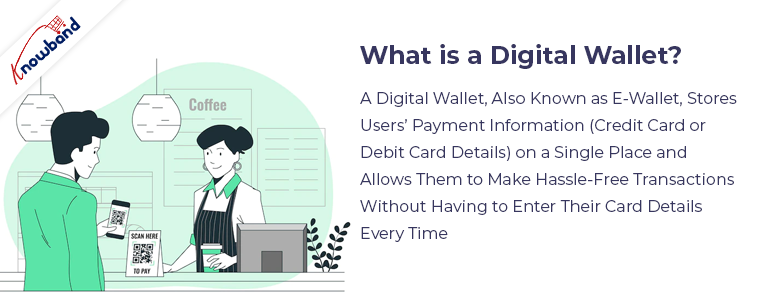
A digital wallet, also known as e-wallet, stores users’ payment information (Credit Card or Debit Card Details) on a single place and allows them to make hassle-free transactions without having to enter their card details every time.

When you make payment at a store through a mobile app, it is also a digital wallet though it is often termed as Mobile Wallet.

You can say that a digital wallet is the parent category while the mobile wallet is the child. The slight difference between both is that mobile wallet is an online payment app on your smartphone whereas digital Wallet can be found across devices including desktop, laptop and mobile.

PayPal is one of the most popular digital wallets accepted by millions of online merchants. Some other popular digital wallets that consumers make use of nowadays are Amazon Pay, Google Pay, Apple Pay, Paytm, etc.

Why Digital Wallets are preferred over Credit Cards?

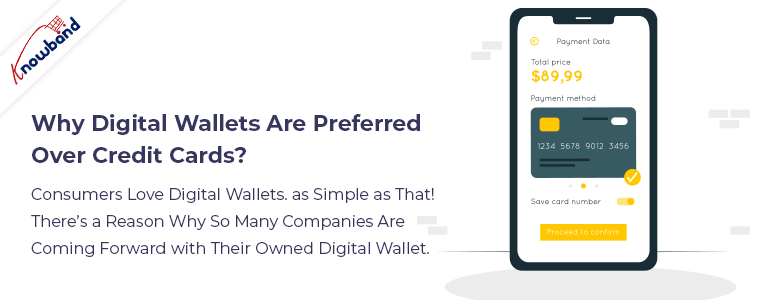
Consumers love digital wallets. As simple as that! There’s a reason why so many companies are coming forward with their owned digital wallet.

Why customers love them and why they are trending among online shoppers is simply because it makes their shopping experience convenient and effortless. They no longer need to take out their credit card or debit card from their wallet and enter their card details like card number, card validity, and security code which we also call CVV.

People do fear taking out their credit card in public which is obvious considering the theft that happens nowadays. A digital wallet eliminates that fear completely. Wherever you are, you can easily do online shopping.

Moreover, the payments made through digital wallets are highly secured. So, one doesn’t need to be concerned about their details being shared online.

Digital wallets are not only restricted to online shopping but they are accepted at maximum brick-and-mortar stores. This also eliminates the need to carry a credit card or cash whenever going outside like shopping malls or restaurants. At the checkout counter, they can simply scan the QR code through the app on their smartphone or ask the concerned person regarding the digital wallets they accept.

For a majority of customers, a digital wallet is a one-stop solution for everything, be it about shopping offline or online.

Benefits of Digital Wallets for Merchants

In the above paragraph, I have already covered the advantages of digital wallets for consumers and why they are a better option than credit cards. Let’s now understand how digital wallets can be beneficial for eCommerce retailers as well.

Gone are those days where you could grow your business by having only Credit Card and Debit Card as your payment modes. Surviving in today’s competitive eCommerce market requires integrating multiple payment options including digital wallets.

A majority of the online shoppers, even the one who shop offline, make use of digital wallets to conduct transactions. Most of the people own a smartphone and have access to the Internet and that’s why most people prefer to pay via their mobile devices.

Mobile Commerce has already gone past eCommerce in terms of conversions and sales, and it is growing every day. As per the stats collected by Statista, Mobile Commerce or m-commerce sales made a figure of 268.78 billion USD in the United States in 2019, and the number is expected to touch the 340 billion USD mark by 2020.

Conclusion

Just because Mobile Wallets/Digital Wallets have an upper hand over Credit Card and Debit Cards does not mean that you should stop accepting the latter at your online store. Some people still prefer paying through their cards than setting up a digital wallet.

Credit Cards are the old-school method and they should never be abandoned.

So the conclusion that we take out from this article is that accept both but keep your major focus on digital wallets.

We, at Knowband also offer different modules to integrate multiple payment options on your website including digital wallets. Some of the best modules that we have for this are One Page Checkout and Mobile App Builder. Do check them out. Know more:

Start a Blog to Increase eCommerce Sales

Nothing comes with ease. You have to put continuous efforts and do hard work to achieve something. Similarly, when you start an eCommerce business, it takes time to make your name in the market.

The ultimate goal of any entrepreneur is to get sales and make revenue. But you don’t achieve it overnight. As your business grows, you start getting good results with time.

Many people start their online business but give up very soon. They struggle to get their business off the ground and are not clear on how to take it forward.

So, when trying to grow your business, focus on doing it efficiently as you have a limited budget to spend on its marketing and other things. Initially, your primary focus should be on your website’s growth. Try to attract as many users as you can to your website.

One of the best ways to do it is by starting a blog for your business. It’s simple and affordable yet effective. By having a blog for your business, you will be able to expand the reach of your business on the Internet and eventually it will help you drive traffic to your website.

A blog is the best way to promote your brand, products and services. But again, just having a blog is not going to help. There are hundreds of blogs on the same niche and tons of content is posted daily.

The internet is already occupied with too much content. So make sure that your content is amazing and creative. It should be unique and intriguing as well to make it stand out from the rest of the contents.

If you deliver what the users expect, you will get sales for sure. Let’s understand how you can make the best use of your blog to increase your eCommerce sales.

1. Give a Professional Look to your Blog

Your blog should be designed in such a way that when visitors enter it, they do not feel like taking an exit. Before even reading your content, the first thing that the user will notice is how appealing your blog section looks.

It has happened to me many times. When I open any blog and find everything so cluttered or untidy, I do not even pay attention to the content and bounce off immediately. Do not make this mistake with your blog.

Your blog should reflect professionalism. It should look neat and clean with the use of professional fonts and proper spacing between everything.

2. Write Amazing Content

The key to growing your eCommerce sales through your blog is by writing amazing content. The more quality you put in your content, the more people will like and share it.

Don’t try to use fancy words. Use plain English so that it can be easily understood by everyone. The content should be crisp and engaging, and most importantly the flow of the content should be maintained. Write from the reader’s point of view.

Also, make sure to add visuals to your content to make it more appealing. As they say, “A picture is worth a thousand words,” it applies here as well. Use images of your products or screenshots to grab user attention. There are multiple websites that provide free and premium images for blogs.

3. Boost Brand Awareness

A blog is a great platform to boost brand awareness and make your customers aware of your products and services. If people search a query on Google and land on your blog for that query, you can drive a huge amount of traffic on your website.

Moreover, a blog provides you with the opportunity to explain your products and offerings in great detail. There is no limit as to what you write. Just focus on presenting your thoughts in the best way possible. You can even inspire people by letting them know how you started your journey. This builds a personal connection between the brand and the users.

4. Promote on Social Media

Today, a brand that is not present on social media is seriously missing out on a great opportunity to scale-up their business. If you have a good follower base on social media, promoting your blog posts on different social networks like Facebook, LinkedIn, Twitter, etc. can help you drive a significant amount of traffic on your website.

It is always a good idea to share your blog post content on social media. It gives reach to your content. Just make sure that you use good headlines when talking about a blog post to persuade readers else they will likely skip it on their feed. Never use click-bait titles.

Final Thoughts

To ensure your blog posts stand out, you must have a little knowledge of SEO too. No matter how amazing you write, if it is not reaching the desired audience, efforts seem to go in vain. Focus on the keywords related to your niche and find out how you can those keywords in your blog posts.

I hope the information that I shared above was helpful and helped you understand the importance of a blog to increase eCommerce sales.

Best Practices for Back-In-Stock Alert Emails

Online shoppers get disappointed when the product they are looking to purchase is out-of-stock. This is majorly seen during the launch of a smartphone when it gets out of stock even before the user has added it to his cart.

Then they just wait, wait, and wait unless there is another option. And there is a sense of excitement when that product is back in stock.

I can relate to this very well. I wanted to purchase a smartphone. When I looked for my desired smartphone on Amazon, it was unavailable, went out of stock from the smartphone brand’s website as well and wasn’t available anywhere else. So, I subscribed to get notified about it as soon as it returns to the store.

A few days later, I got the notification that the product is available to buy. Without wasting any further time, I quickly opened the email, clicked on the buy now option and purchased the phone.

This is where the role of back-in-stock alert emails becomes crucial. A single back in stock email can bring you huge revenue. A case study done by Marketing Sherpa revealed that back-in-stock alert emails have around a 22.45% conversion rate.

If you do not take the onus of informing your visitors when the product becomes available again, they will likely search a competitive product on other online shopping websites.

What is Back-in-stock Email?

A back-in-stock email is an email that is sent to those users who have subscribed to receive updates regarding an out-of-stock product. When the product is back-in-stock, the shoppers are informed via email about its availability so that they can purchase it as soon as possible or before it goes out of stock again.

Many of the users can miss out on the purchase if they aren’t notified and this eventually leads to some lost revenue.

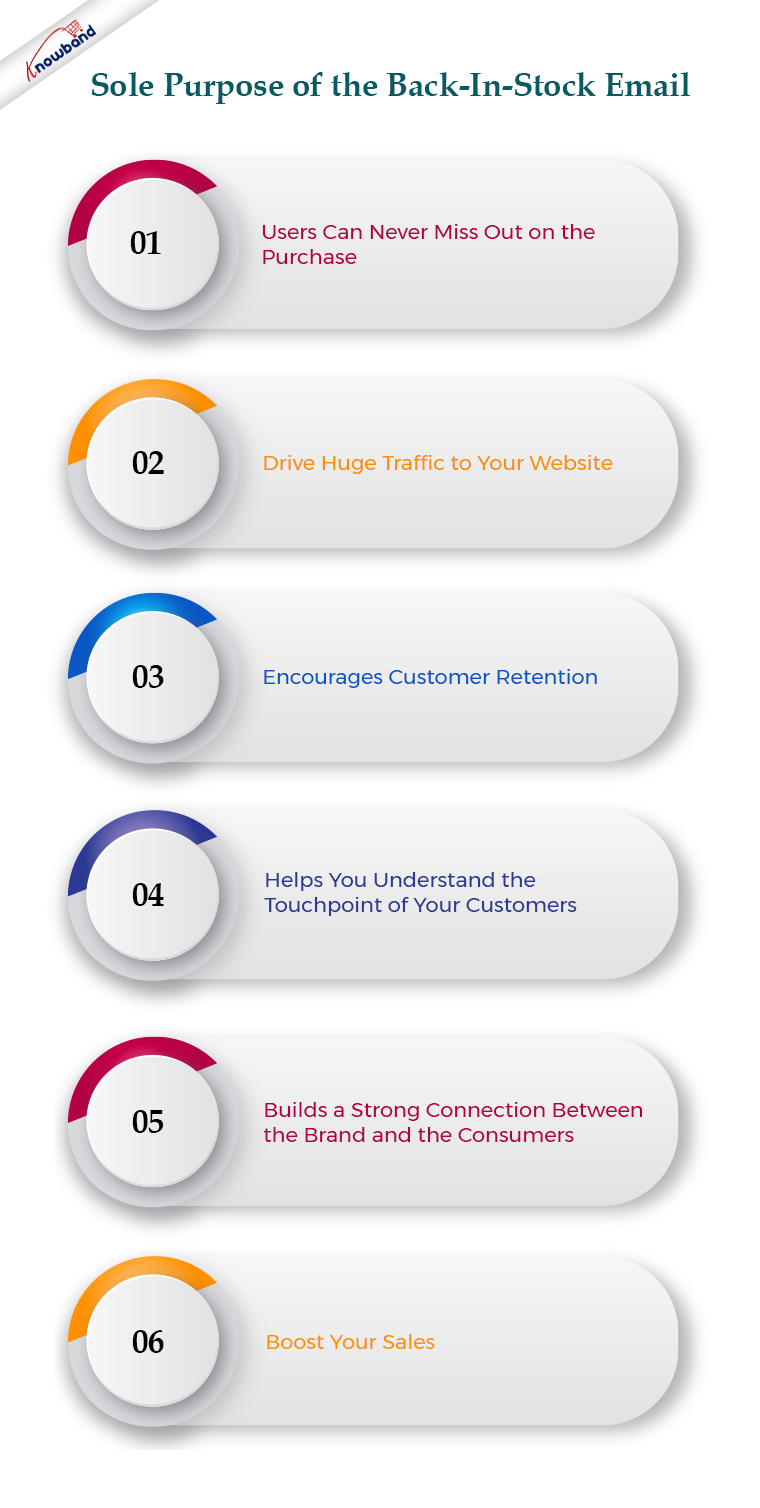
The sole purpose of the back-in-stock email is to boost your sales. Besides, it helps you drive huge traffic to your website, encourages customer retention, helps you understand the touchpoint of your customers, and builds a strong connection between the brand and the consumers.

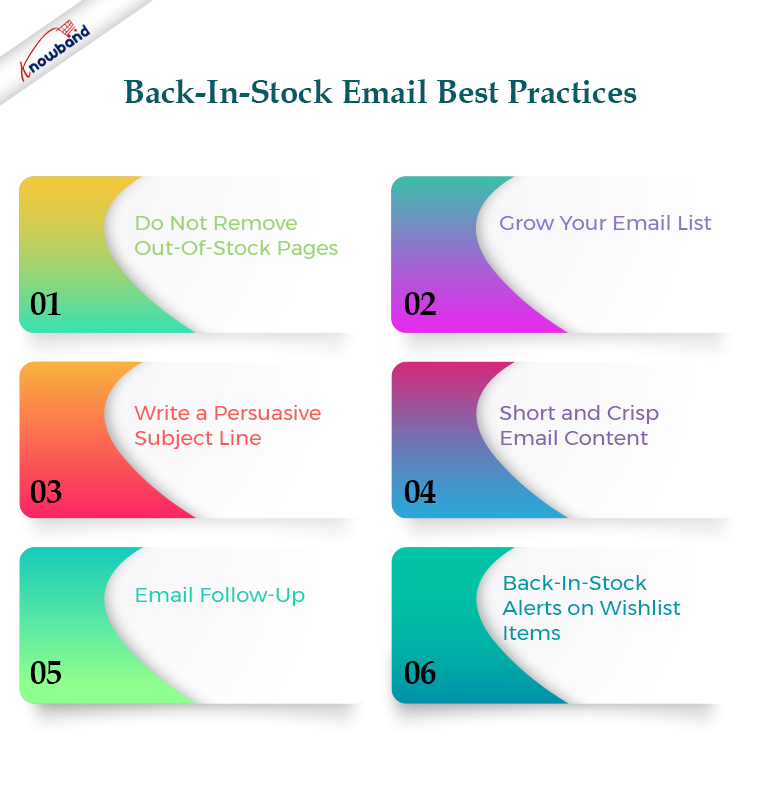
Back-In-Stock Email Best Practices

We will start from scratch. For a back-in-stock alert email, keep the following points in mind.

1. Do Not Remove Out-Of-Stock Pages

It is never a wise idea to hide the out-of-stock product pages from your website. How will consumers even know that the product is just out-of-stock? If they browse your website, search for and product, and find a 404 page, they will simply think that the product was never available in your store. Moreover, it will leave a negative user experience.

The concept of back-in-stock email would not even work if out-of-stock product pages are not visible.

So, simply include an out-of-stock tag on the product and place a “notify me” call to action, clicking on which users will be asked to specify the email address on which they want to get notified about the product availability once it is back in stock.

You can also take the help of Exit Popup, so when a user tries to exit your website after seeing that the product is out of stock, the popup appears asking them to get an alert over their email address once the product is back in stock.

2. Grow Your Email List

Many of your users might not have subscribed to your newsletters or promotional emails. So when someone clicks on the “notify me” option, having a newsletter checkbox along with the email address field can help you grow your email list further.

This will not only be beneficial to sending back-in-stock alerts but you can target those users in other email campaigns as well.

3. Write a Persuasive Subject Line

Users will be excited to know that the product they desired to purchase is back in stock. Increase the excitement by writing a compelling subject line.

Since the subject line has to be in limited words to make it visible, it must start with “Back in Stock,” followed by the product name. This will immediately make it clear to the visitor what the email is about.

After that, you can use the call to action like “Grab it ASAP”, “Limited Stock Available”, and “Hurry, selling fast”. These sorts of tags are highly effective in creating urgency.

4. Short and Crisp Email Content

Shoppers would want to grab the product as soon as it is available. Do not let them waste their time in reading the email content. Keep only the necessary information in the body.

What should you include in the email content?

Use the product image for sure. Visuals tend to make the purchase decision even stronger. Apart from this, write a short and persuasive text. Use large and bold font to highlight the main point. Use an alluring CTA like “Shop Now” or “Buy Now”. Also, it should be clearly visible.

5. Email Follow-Up

It is likely to happen that your subscribers miss out on your back-in-stock email due to some reason. Therefore, it is recommended to take a follow-up after a while if the product hasn’t gone out of stock.

This will push customers to purchase the product once they realize that they missed the opportunity to get the product in the previous email.

You can also inform the back-in-stock alert subscribers even when the product quantity is low or when the consumers have added the product to the cart but forgot to purchase, just to make them purchase the product before it goes out of stock again. This helps to reduce cart abandonment as well.

6. Back-In-Stock Alerts on Wishlist Items

Many online shoppers add the product to their Wishlist so that they do not have to search again for that product when they return to the store next time. Wishlist items also indicate that customers have the intent to purchase it.

So, if a Wishlist item goes out of stock, make sure to remind customers when it is back in stock. Tell them that the product they wished to buy is now available for purchase.

Back-In-Stock Notification Module by Knowband

If you are looking for a module that could help you set the back-in-stock alert for out-of-products, you can try out our Back-in-stock notification module.

This module adds a “notify me” tab on your out-of-stock product pages. Hence, users can enter their email addresses and get notified as soon as the product is back in store.

In fact with this module, you can set a low-stock alert as well which means if the available product quantity reaches the specified number, a low stock notification will be sent to the subscribers, triggering impulse buying. The module is available for the PrestaShop and Magento platforms.

PrestaShop Back in Stock Notification module

OpenCart Back in Stock Notification module

You can also check out the Web Push Notifications module which also provides similar functionality. In fact, the users do not even need to specify their email addresses. If a product is out-of-stock, the user can simply subscribe for web push notifications.

This module is available for PrestaShop, and Magento 2.

Final Thoughts

Back-in-stock alert emails are important to drive shoppers back to your store and encourage them to shop. They are far more impactful than any other type of email since customers have opted for it themselves and they have a strong desire to purchase that product.

I hope this article helped you understand the concept of back-in-stock alerts. If the product will take time to come back in stock, then you can recommend some related and similar products to the customers. Who knows if they change their mind from that product to buying the suggested one!

7 Ways to Market and Boost Your Sales on this Father’s Day

Father’s Day is just around the corner and it’s the time when brands will be looking to promote related deals on their store.

Even though this occasion is not as profitable as the other major holidays, it does capture a significant amount of sales. As per a report by the National Retail Federation (NRF), Father’s Day spending in 2019 was estimated to hit the $16 billion mark.

The sales might dip a bit this year considering the COVID-19 pandemic but shoppers would surely lookout to grab some offers.

As the event approaches, you will see brands coming up with some amazing Father’s Day marketing ideas to boost their store sales. And if you are looking for the same, I got you covered.

In this write-up, I have put forward a mix of marketing strategies, tips, and design that would sky-rocket Father’s Day sales.

Father’s Day Marketing Ideas to Boost Sales

Below, I have shared seven simple yet effective ways to do it.

1. Start Early Promotion

To get the best results on your Father’s Day sales, you need to start promoting early so that online shoppers are very well aware and prepared when the sale commences.

It will do no good if you plan your strategies a week before the occasion. The outcome will be poor and eventually, you will have low sales. Planning early not only helps you avoid the last-minute adjustments but also provides you with enough time to get shoppers ready and excited and the opportunity to attract even those customers who do not visit your store frequently.

If you are well-prepared for the big day in advance, you will be able to make the most out of it. And this should be the focus behind every holiday sales, not just Father’s Day.

2. Offer a “Dad” Package

Check your store’s inventory and list out the items that would be perfectly suited to gift a father. Create a bundle and sell them at a discount (package price lower than the sum of the individual cost of items) or you can run deals like buy one get one free.

It’ a great way to promote cross-selling and at the same time allows each family member to contribute to a single purchase rather than purchasing separate gifts.

3. Run a contest on Social Media

Another marketing strategy to boost your Father’s Day sales would be to run a contest on different social media platforms, primarily Facebook, Instagram and Twitter.

You can create a hashtag and encourage your followers or the audience to share their “Dad moment” using that specific hashtag to count as their entry. You can ask them to share a “Dad joke” or express why they think their dad is the best in the world.

Set a reward or a giveaway for the top 3 best storytellers. This will bring you a lot of entries and boost engagement.

4. Gift Cards

If shoppers are confused about what to gift their dad, a gift card can prove handy in such a case. You can offer Father’s Day gift cards on your store of different price values so that shoppers can purchase one as per their budget.

This makes their job easy and also saves their time from searching for a perfect gift. There cannot be a better moment than this for a shopper to say to his father- “Buy whatever you want with this gift card (obviously within that price range).”

Do not have a gift card section on your website? Add it with the help of Gift Card Manager.

Related: Why Digital Gift Cards are Important to your eCommerce Business?

5. Target Moms

Not only teenagers or young adults but mothers would also be looking to put a smile on their father’s face this Fathers Day. Make sure to customize your messages and target moms accordingly.

You can ask them to share a picture with their dad or a childhood story. Segment your audience and reach out to them via email and social media ads.

6. Father’s Day exclusive coupon code

Online shoppers would be waiting to get a discount on Father’s Day sales. Create an exclusive coupon code that would be valid for a limited time to claim the discount. This will create urgency to shop and ultimately boost your sales as more and more users would be visiting your store to shop before the coupon code expires. Promote it everywhere to drive maximum traffic to your website.

7. Place a count-down timer on the homepage

One of the best ways to promote your Father’s Day sales is by placing a countdown sales timer on your website’s homepage or the header. This will work as a reminder regarding the days and time left for the sale every time a user visits your website.

Final Word

Father’s Day marketing strategies do not end up here. You will come across many points that could be helpful to boost your sales on Father’s Day.

While you put your major focus on marketing, don’t forget to optimize your eCommerce website. Make sure everything from the homepage to the checkout page, including the product page, is perfectly optimized so that shoppers do not feel any kind of trouble in their shopping journey. You can consider using One Page Checkout to provide a quick checkout experience to your visitors.

Start preparing for Father’s Day before it gets too late. I wish your sales reach higher than ever.

Increase in the eCommerce shift during COVID-19 crisis

Even though the eCommerce operations might not be running as smoothly as they would have if not for the COVID-19 pandemic, the lockdown has led to brick-and-mortar stores shifting to online retail.

The current crisis has made it difficult for most of the businesses to survive, primarily the offline businesses. Many businesses have been shut permanently while some have been temporarily closed. This was bound to happen as people have been asked to stay indoors.

Ultimately, this global pandemic has accelerated the growth in the eCommerce industry. E-commerce is now taking off rapidly.

You May Like: 7 Reasons Why Your Offline Business Must Have an Online Presence

COVID-19 has made a dramatic impact on consumer shopping habits as well and it is going to remain unchanged for a long term.

Studies suggest that ever since the Coronavirus turned into a global pandemic, the online purchase has witnessed an increase of nearly 25-80% among the consumers who purchase 50% or above products shopping online. And even if the pandemic gets over, every 6 in 10 consumers will likely continue buying online.

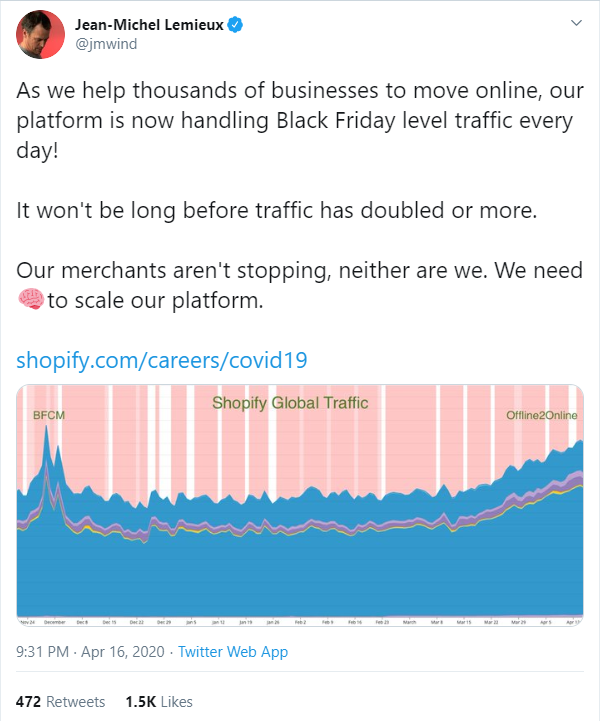
As the lockdown has eased a bit in many countries, the demand for non-essential items has touched the sky. Let’s take a look at the tweet from the Shopify CTO Jean-Michel Lemieux.

The number of merchants (new domains) Shopify gained on their platform in the first quarter of this year will take you by surprise. Nearly 70k new domains were registered on Shopify in the month of February and March which is more than the whole of 2018.

After a survey was done among consumers of the UK, France and Germany; three largest online retail markets in Europe, it was found that if retailers adopt the eCommerce model, they do have an excellent opportunity to bounce back from the current crisis once people get rid of the COVID-19 pandemic. The survey also indicated that around 80% of the consumers will likely return to do online shopping for non-essential commodities in the next half of the year.

Change in eCommerce Traffic

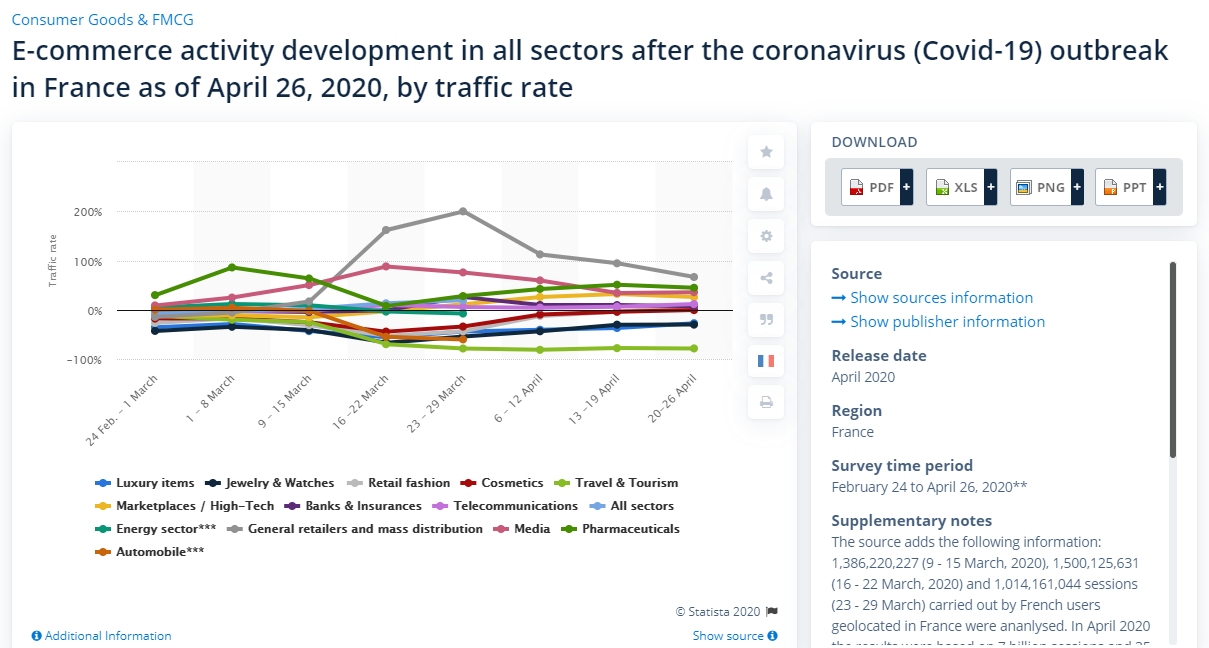
Statista shared a report of the traffic rate in all sectors of eCommerce after the Coronavirus outbreak in France. As of May 2016, the travel and tourism department showed the highest downfall followed by the automobile industry. Online pharmacies witness the highest rise in traffic.

You can also take a look at the transaction rate for the same period here.

SEMrush also released the detailed search traffic volume in which it was found that “Books and Literature” topped the search volume, followed by “Hobbies and Leisure”, “People and Society” and so on.

Among the goods, the search volume for toilet paper was at a peak. In eBay product categories, Gift card coupons had the highest search volume.

Also Read:

COVID-19 and Its Impact on eCommerce Businesses

How COVID-19 has affected Online Shopping Behaviour and eCommerce Sales?

5 Email Marketing Tips during the COVID-19 Pandemic

How to Retain Your Customers amid the Coronavirus Outbreak?

Ecommerce Shipping: Challenges and Solutions

A report by the Baymard Institute says that ‘High Shipping Cost’ is the topmost reason for shopping cart abandonment in the USA, nearly accounting for half of the total abandoned carts.

Ecommerce retailers, primarily mid-scale business owners, often encounter shipping challenges as popular brands like Amazon have already set the standard so high by offering free shipping or keeping the shipping price minimal.

In this write-up, I have listed a few shipping challenges faced by e-retailers and have also put forward the required solution. Let’s have a look.

1. Choosing the Shipping Provider

When starting out your online business, you may rely only on one or two shipping providers. Even while picking one, you may find yourself in a lot of confusion. As your business grows, you will have to come up with more choices for your customers.

FedEx and USPS are ideal to start with. With time, you will get a better understanding of what’s best for your business, like knowing about the best shipping providers which have a reasonable operation cost and take less transit time.

2. Free Shipping

Though free shipping is often seen as a marketing tactic to increase sales, it involves compromising with the profit margin.

If your online business is well set-up, you may adjust with the concept of free shipping, however, the same cannot be said for new businesses.

Start-ups cannot afford to offer free shipping easily as it will be difficult to include the overall shipping cost into the product. But it’s also a fact that free shipping is necessary to entice customers and encourage them to purchase.

Some of the effective ways to offer free shipping without affecting your profit margin much are-

1. Free shipping on a minimum order value

2. Limited-time free shipping

3. Free shipping on certain products

4. Free shipping in specific regions

5. Free shipping on a certain weight

Read more at Free Shipping Strategies: Why to Offer? How to Offer? When to Offer?

E-retailers slightly increase the product price to cover the shipping cost.

3. Damage during Transit

One of the major eCommerce shipping challenges e-retailers face is the safe transit of the product from the warehouse to the customer’s delivery address.

Many times, the customers complain that the product was not in a good state or damaged when it reached them. Though it is possible that it was already in a bad condition, it is very likely that it got damaged during the transit.

Fragile items need to be packed carefully else they can get damaged.

To overcome this, ensure that the packaging is rightly done. Get to know everything about the shipping provider before you tie-up with them.

4. Flat Rate Shipping

Another dilemma that eCommerce retailers find themselves in is whether to have a flat rate shipping pattern or not.

Flat shipping rate has its pros and cons. Setting up a flat shipping rate for every kind of product without understanding and comparing the product value of other items on your store can backfire as well.

For example, a flat shipping rate for a lesser value product may seem too high and the same shipping rate can eat your profit if its actual shipping cost is more than the flat shipping rate.

Offering the right shipping rate is crucial to avoid cart abandonment.

How can we play a role in your eCommerce shipping?

Knowband provides a variety of modules related to shipping that can be beneficial for your eCommerce website. The modules are-

Free Shipping Manager

This module is available only for the PrestaShop website owners. It allows the merchants to adjust the terms and condition from the back-end configurations in order to offer free shipping to the shoppers.

You can specify the factors that need to be matched to get free shipping.

One Page Checkout

This checkout module supports a majority of shipping methods such as Mondial Relay, So Colissimo, Ulozenka Delivery, Zasielkovn Delivery, LP Express 24 Delivery, Paczkomaty InPost, Zasilkovna, Poczta Polska (owppoczta), Webshipr, Paczka w Ruchu.

It is available for PrestaShop, OpenCart, Magento, and Magento 2.

Shipping Cost by Zipcode

Available for PrestaShop, this module allows you to adjust the shipping cost for different regions.

Product Availability Check by Zipcode

This module adds a zip code validator on your product pages, hence allowing shoppers to check whether the product is available for delivery at their location or not. It is available for PrestaShop, OpenCart and Magento.

For any kind of assistance, you can reach out to us at support@knowband.com

Win Customer Trust and Boost Sales with Social Proof

I shifted to a new place recently. A few days later, I thought of going for dinner with my family. Since I was new to the place, I did not have much idea about the nearby restaurants.

I asked someone and he guided me to a place where there are a few. I came across two restaurants- one was occupied while the other being in the same place was vacant.

And just like any other person would do, I did the same thing. I did not take the risk of going to an empty restaurant and went to the other one without even giving it a second thought.

This psychological thought process is what we call Social Proof.

What exactly is Social Proof?

Social proof is generally described as a psychological or social phenomenon where people are influenced by the action of the mass and follow the same approach thinking it to be correct simply because others find it too.

People like to stick with the majority. This is exactly what I did. I assumed the empty restaurant does not provide good services or quality food, which probably might be true else it would not have been unoccupied right? Since many people were in the other, I assumed it to better.

Social proof in eCommerce

Social proof plays a crucial role in the eCommerce world and can prove to be a powerful marketing tool. It refers to the reviews, testimonials, social shares, etc. which have a major influence on the buying decision of consumers.

Let’s understand this more clearly by an example. When you go shopping, you try out the product, feel the quality and then make the payment.

But this is not possible in case of online shopping. You do not have the product in hand. Shoppers rely on the opinions of others, what the majority has to say about it, and based on that, they make their decision.

How to leverage Social Proof for your Brand?

You can use social proof for your brand in many ways, some of which are-

1. Testimonials


Testimonials are positive reviews left by your clients or customers for your brand, products or services and can work exceptionally as social proof.

Although reviews and testimonials are usually considered the same, there is a slight difference. The latter is collected and managed by the business while the former involves a third party.

You would have often come across websites that display testimonials on their home page. It’s a great way to leave a strong first impression of your brand in front of your visitors by showcasing them what your existing clients have to say about your brand.

Reach out to your loyal clients or customers and ask them to share their experience. If a client has recommended your brand by leaving a positive review on your social media pages, use that testimonial to encourage others to try out your services.

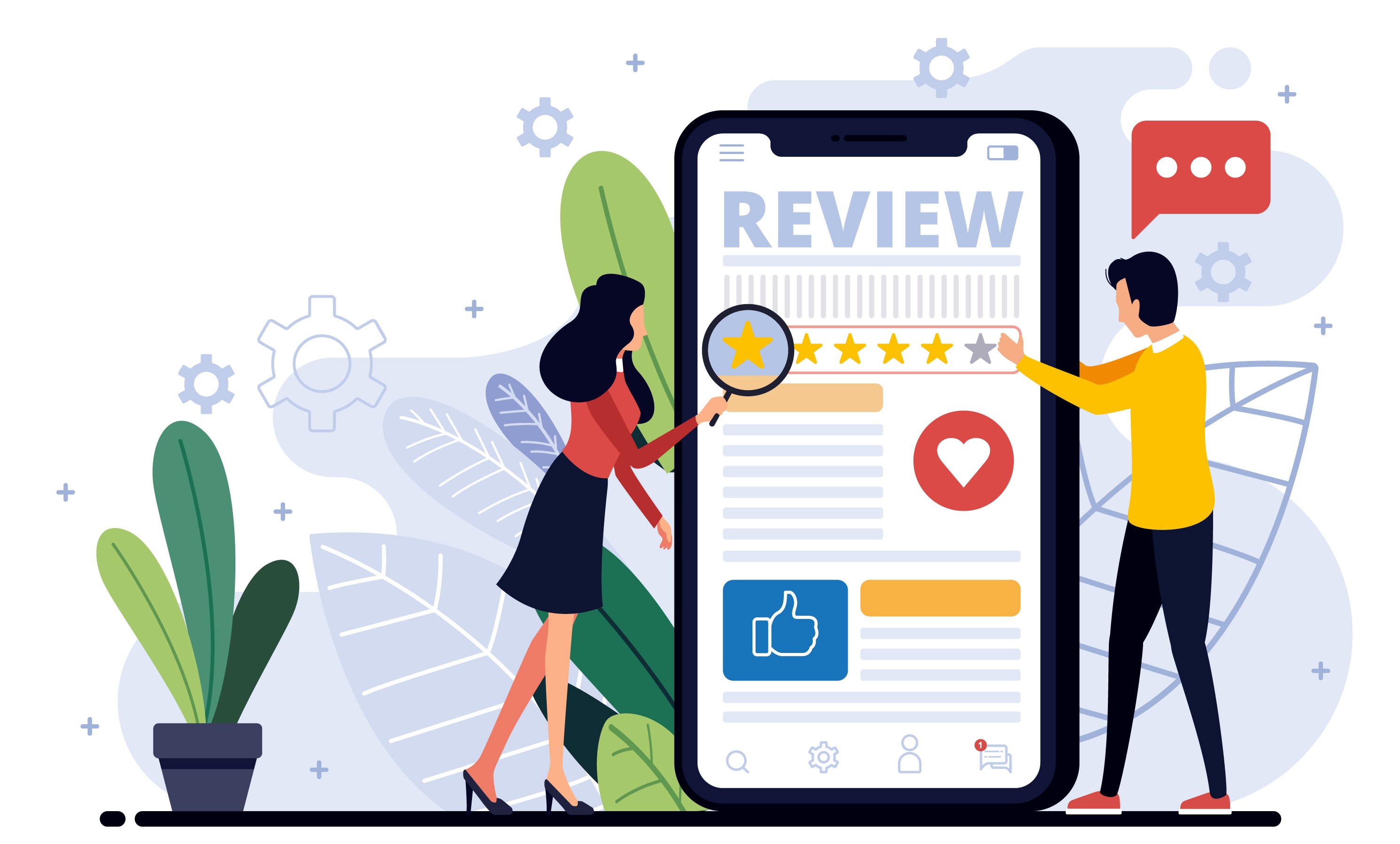
2. Customer Reviews


Before putting their trust in a Brand, the first thing that the consumers do is look for its online reviews.

Research done by BrightLocal says that 82% of consumers give importance to online reviews and suggests that an average consumer reads 10 online reviews and spends nearly 14 minutes before they make their decision to purchase from that business.

Online reviews are social proof for consumers. Try to maintain a good brand image. Collect reviews on different review websites related to your industry. If you are a local business, your primary focus should be getting positive reviews on Google.

3. Brand Endorsement

When a celebrity or an influencer becomes a spokesperson for your brand, it is called Brand Endorsement.

Brands that have a huge budget can reach out to celebrities but it’s not easy for small scale businesses to pay a huge amount of money for brand endorsement. This is where Influencer Marketing comes into play which has grown popular over the years.

Studies suggest that people trust the words of influencers more than the brand itself. An influencer can be anyone who has a great social following and is popular among your target audience.

So just analyze your right target audience and reach out to a relevant influencer who they like and trust. Plan out how you are going to make it work.

4. Customer Count

If your online business has progressed a lot over the years or even in recent times, it is always a good option to showcase it, be it on your website’s home page or your social media pages.

Numbers do develop psychological thought. Upon noticing that a business has served a huge number of customers, other consumers are attracted by it.

I have come across many businesses that use years of experience, total clients, popular clients, total projects, total users worldwide, etc. as social proof on their website.

What does it do? It is just a way to make your visitors feel the credibility of your brand along with the quality services that you have offered over the years and the number of satisfied customers or clients.

5. User-Generated Content

User-generated content is also another amazing marketing strategy to generate social proof. Many brands launched campaigns related to user-generated content where they ask users to share a word about their brand or products on social media sites using some specific hashtags.

You can also run such campaigns and offer rewards in return. Word-of-mouth from users can be a great social proof.

Knowband also offers a few modules that can help you build social proof, such as Facebook Share and Win Discount module through which you can ask customers to share your product on their Facebook profile and get rewarded for it.

Another module you can look for is Review Reminder and Incentives through which customers get rewarded for posting a successful review on your website about your products.

You can also try the Affiliate and Referral Program module which lets you run refer and earn kind of program on your website which will help in building social proof for your brand among users.

Conclusion

Through this article, we can conclude that social proof is helpful in many ways such as-

1. Social proof builds customer trust

2. It helps in acquiring new customers

3. Social proof boosts your conversions and sales

4. Social proof can help grow brand awareness

I hope this write-up helped you in identifying how you can make the best use of social proof in your online business.