Role of Social Signals in Google’s Algorithm and the Impact of Social Media on SEO!!

In today’s digital age, social media platforms have become an important part of our daily lives. Social media networks like Facebook, Twitter, Instagram, and LinkedIn are not only used for socializing and entertainment. But also, these platforms have a significant impact on search engine optimization (SEO). For the same reason, not only start-ups but also major brands are focusing on social platforms for boosting their SEO rankings.

On the other hand, social signals, are the actions taken by users on social media platforms. Play a crucial role in Google’s algorithm. For those who are not aware of the term Google Algorithms. It is a compound term for the metrics that Google uses for defining search results and assigning website rankings.
In this article, we will discuss the role of social signals in Google’s algorithm and the impact of social media on SEO.

What are Social Signals?

Social signals refer to the likes, shares, comments, and other interactions on social media platforms that indicate the engagement and popularity of a page or account. These are used to measure the relevance and quality of content by search engines.

When a piece of content is shared or liked by many people. It indicates that the content is valuable and worth sharing. Based on the same, Google considers the content valuable for the general users and impacts the SEO for the concerned website. Therefore, social signals are a crucial factor in determining the ranking of a website on search engine results pages (SERPs).

How do Social Signals Contribute to Google’s Algorithm?

Google’s algorithm is designed to provide the most relevant and high-quality results for user queries. These are one of the many factors that Google uses to determine the quality and relevance of posted content. When a piece of content receives a high number of social signals. It indicates that the content is valuable, and people find it helpful. Therefore, Google considers social signals as a ranking factor in its algorithm.

However, it is important to note that social signals alone cannot guarantee high rankings on Google. Other factors such as website structure, content quality, and backlinks are also important in determining the ranking of a website. Social signals should be used as a part of a comprehensive SEO strategy. To improve the visibility and ranking of a website on Google. Moreover, you can also check out our other article about Google’s Page Experience update and its impact on SEO.

Impact of Social Media on SEO:
Social media platforms have a significant impact on SEO. It can drive traffic to a website, increase brand awareness, and improve the visibility of a website on Google.

Furthermore, Social media platforms have billions of users worldwide, making them an excellent source of traffic for websites. By sharing content on social media, website owners can attract users to their websites and increase their traffic. Increased traffic to a website can lead to improved rankings on Google.

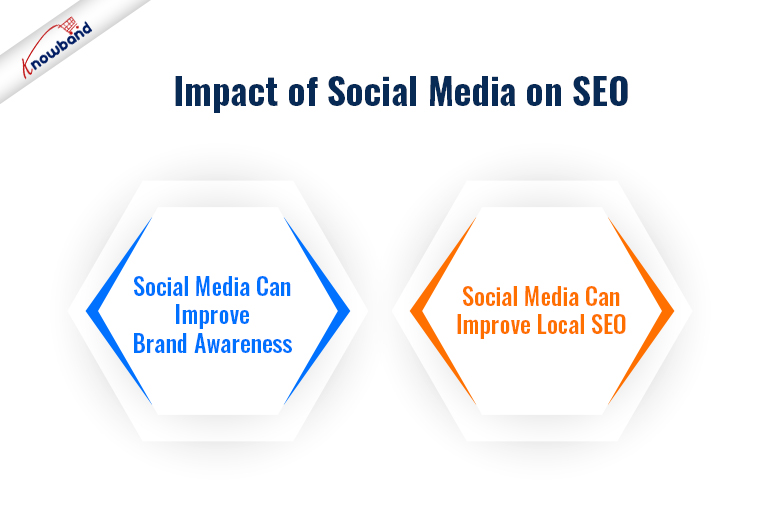
Social Media Can Improve Brand Awareness:

One of the other major advantages of social media platforms is that one can easily Skyrocket brand awareness if they place every card in its place.
By sharing content on social media, website owners can reach a larger audience and increase their brand exposure. Increased brand exposure can lead to more traffic, backlinks, and improved rankings on Google. Thus, this is one of the easiest ways to boost brand awareness for both newcomers and major eCommerce firms.

Social Media Can Improve Local SEO:

Social media can also impact local SEO. Platforms like Facebook, Twitter, and LinkedIn have local business pages. That allows businesses to list their contact information, services, and products. By optimizing their local business pages on social media, businesses can improve their visibility and rankings on Google for local search queries.
Moreover, in the following way, eCommerce merchants can also promote their online business by presenting valuable information to a vast audience.

Conclusion!!

Social media can drive traffic to a website, improve brand awareness, improve website authority, and improve local SEO. Therefore, it is important to include social media in your SEO strategy.
Moreover, it is one of the most effective ways of boosting Search Engine Optimization for an online platform. However, you can also check out our other article concerning Google’s Page Experience update. And, how it is going to impact your rankings!
Furthermore, in case you are having SEO-related queries or requirements, you can also find us at support@knowband.com. Our marketing team will be more than happy to assist you regarding the same.

Mobile First Indexing: A Factor for Website Ranking and User Experience

There has been a sudden spike in mobile usage recently. Further, the indexing system prioritizes the mobile version of a website for indexing and ranking purposes. In this article, we will explore the impact of mobile-first indexing on website rankings and mobile user experience.

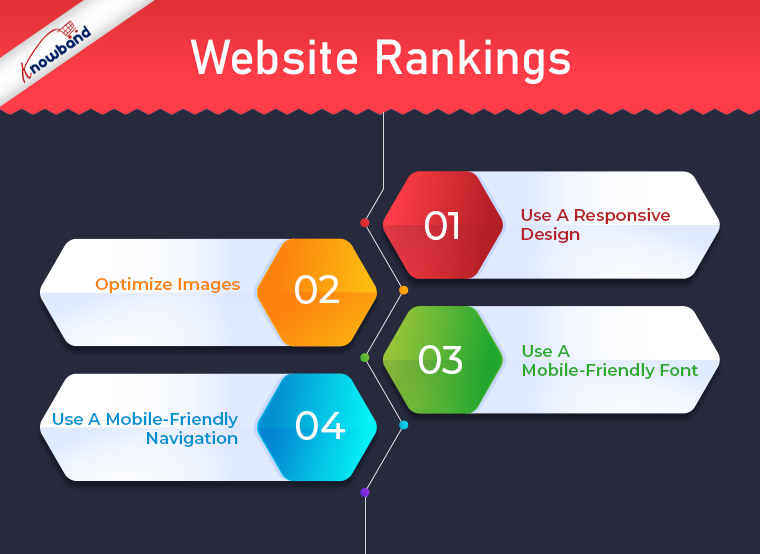
Website Rankings

One of the most significant impacts of mobile-first indexing is on website rankings. Additionally, websites that are not optimized for mobile devices will experience a drop in rankings. Also, it is so as Google will prioritize sites that are having mobile optimization. This is because Google’s algorithm takes into account the user experience on mobile devices, and websites that are not mobile-friendly usually provide a poor user experience. Further, this can result in lower rankings and lower visibility in search results.

There are several things that you can do to improve your website’s mobile-friendliness. These include:

Use A Responsive Design

A responsive design is a design that adapts to the size of the screen it is being viewed on. Moreover, this means that your website will look good on any device, whether it is a desktop computer, a tablet, or a mobile phone. Also, using a responsive design will ensure that your website works with mobile devices.

Optimize Images

Images can be a major factor in the speed of your website. Also,  Large images can slow down your website, especially on mobile devices. To ensure that your website has mobile optimization, you should optimize your images by compressing them and reducing their size.

Use A Mobile-Friendly Font

On mobile devices, it is difficult to read some fonts. To ensure that your website is mobile-friendly, you should choose a font that is easy to read on small screens.

Use A Mobile-Friendly Navigation

Navigation can be difficult on mobile devices. To ensure that your website is mobile-friendly, you should use a navigation system that is easy to use on small screens.

Mobile User Experience

Another significant impact of mobile-first indexing is on mobile user experience. Websites that are not optimized for mobile devices are difficult to navigate, slow to load, and display poorly on smaller screens. This can result in a poor user experience for mobile users, users abandon the site and seek out a competitor that offers a better mobile experience.

On the other hand, websites that have optimization for mobile devices can provide a positive user experience for mobile users. This can lead to increased engagement, lower bounce rates, and ultimately, higher conversions.

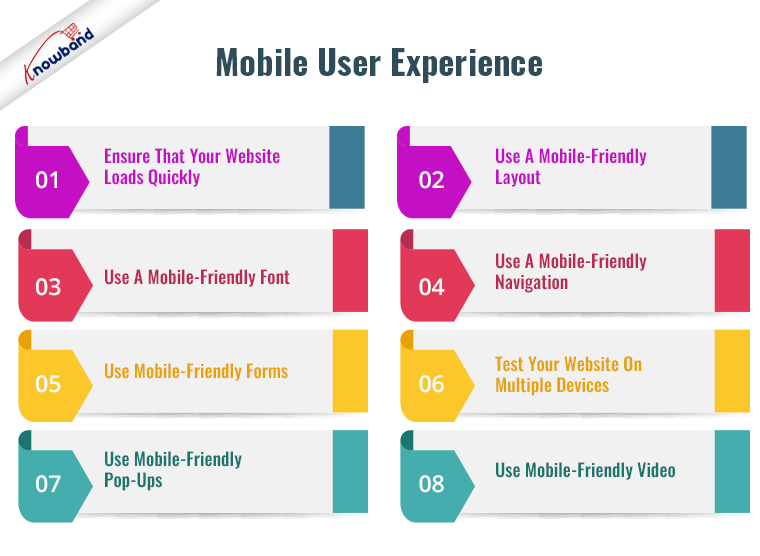
There are several things that you can do to improve your website’s mobile user experience. These include:

Ensure That Your Website Loads Quickly

Mobile users have a short attention span, and they expect websites to load quickly. To ensure that your website loads quickly on mobile devices, you should optimize your website’s speed by reducing the size of images, compressing files, and using a content delivery network (CDN).

Use A Mobile-Friendly Layout

A mobile-friendly layout is essential for providing a positive user experience on mobile devices. A mobile-friendly layout should be easy to navigate, with clear headings and a simple design.

Use A Mobile-Friendly Font

As mentioned earlier, some fonts can be difficult to read on mobile devices. To ensure that your website is easy to read on small screens, you should use a font that is easy to read on mobile devices.

Use A Mobile-Friendly Navigation

Navigation can be difficult on mobile devices. To ensure that your website is easy to navigate on mobile devices, you should use a navigation system that is easy to use on small screens.

Use Mobile-Friendly Forms

Forms can be difficult to use on mobile devices. To ensure that your website works for mobile devices, you should use mobile-friendly forms that are easy to use on small screens.

Test Your Website On Multiple Devices

To ensure that your website is working for all devices, you should test your website on multiple devices. Also, this will help you identify any issues that are specific to certain devices.

Use Mobile-Friendly Pop-Ups

Pop-ups can be annoying on mobile devices, especially if they cover the entire screen. To ensure that your website is compatible with mobile devices, you should use mobile-friendly pop-ups that are easy to close.

Use Mobile-Friendly Video

Videos can be difficult to watch on mobile devices if they are not optimized for mobile. Further, to ensure that your website works for all mobile devices, you should use mobile-friendly videos that are easy to watch on small screens.

In The End!!

In conclusion, mobile-first indexing has had a significant impact on website rankings and mobile user experience. Moreover, websites that are not optimized for mobile devices experience a drop in rankings. Google deems them to be providing a poor user experience for mobile users.

In case you have an interest in our mobile app builder plugin then kindly connect with us at support@knowabnd.com. Our team of experts will assist you with your business apps. Also, we will assist with business-specific customizations. Kindly let us know if you are facing any concerns or issues related to the module.

Role of User Behavior Metrics such as Bounce Rate and Dwell Time in Google’s Algorithm

In the world of search engine optimization (SEO), understanding user behavior metrics is essential for achieving higher search rankings. Among these metrics, bounce rate and dwell time play a significant role in Google’s algorithm. This blog post explores the importance of bounce rate and dwell time, and how they influence search rankings.

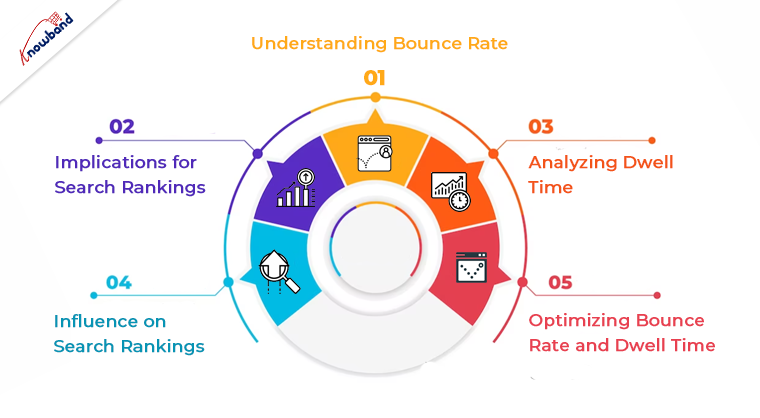
Understanding Bounce Rate:

Bounce rate refers to the percentage of users who visit a webpage and leave without engaging with it or navigating to other pages on the same website. A high bounce rate indicates that users find the content or user experience unsatisfactory, while a low bounce rate suggests engagement and relevance.

Implications for Search Rankings:

Google considers a high bounce rate as a negative signal, suggesting that the webpage does not meet users’ expectations. Consequently, websites with high bounce rates may experience a drop in search rankings. Conversely, a low bounce rate indicates that users find the content valuable, potentially leading to improved rankings.

Analyzing Dwell Time:

Dwell time measures how long users spend on a webpage after clicking through from the search results. Although not a publicly acknowledged ranking factor, dwell time is believed to impact search rankings.

Influence on Search Rankings:

Longer dwell times suggest that users find the content useful and engaging. Google recognizes this as a positive user signal and may reward websites with longer dwell times with improved rankings. Conversely, shorter dwell times indicate lower user satisfaction and may result in ranking penalties

Optimizing Bounce Rate and Dwell Time:

Reducing bounce rate and increasing dwell time is crucial for improving search rankings. Consider the following strategies:

High-Quality Content:

Creating valuable, informative, and engaging content that meets users’ search intent can reduce bounce rates and increase dwell time.

Enhanced Website Usability:

Improving website loading speed, navigation, and mobile responsiveness encourages users to explore further, reducing bounce rates and increasing dwell time.

Enhanced User Experience:

Optimizing the webpage’s layout, design, and readability can increase user engagement and dwell time.

Strategic Internal Linking:

Implementing relevant internal links within the content can direct users to related pages, encouraging them to stay longer and explore further.

Conclusion:

Understanding the role of user behavior metrics such as bounce rate and dwell time is crucial for optimizing websites and improving search rankings. By focusing on reducing bounce rates and increasing dwell times, website owners can enhance user engagement and provide a better overall experience. These metrics are important signals to Google’s algorithm, indicating relevance, usefulness, and satisfaction. To succeed in SEO, invest in creating high-quality content, improving website usability, and optimizing the user experience.

In case of any doubts or queries, do not hesitate to contact support@knowband.com. Our team of experts can provide further guidance and assistance in understanding and leveraging user behavior metrics to boost your website’s performance. Stay proactive and seek expert advice to stay ahead in the ever-evolving world of SEO.


What Is Google E-A-T And How to Improve It?

E-A-T is a term that stands for Expertise, Authoritativeness, and Trustworthiness, and is a term that Google proposes in its guidelines. The goal of Google’s search engine is to provide users with excellent material that satisfies their search queries. Many articles are present for the benefit of visitors, and one of the raters’ responsibilities is to evaluate the quality of the web pages.

High E-A-T is one of the qualities Google deems to be present in high-quality pages. Expertise relates to the knowledge of the content author. Trustworthiness and Authoritativeness apply to the person who created the content as well as the content itself and the website where it is present.

The writers’ and the website’s reputations are what make something authoritative. The author and/or website will have authority if they have an excellent reputation and are having a link to other high-quality, websites.

Allowing readers to trust the website, the material, and the author is the goal also which increases credibility. Also, the content is less reliable if there is no author biography or other information available. Moreover, we have a tendency not to believe content if it doesn’t contain links to reliable sources.

The Significance Of E-A-T To Google’s SEO

Google seeks to provide users with the greatest material. E-A-T is a ranking factor since it is used in the process where different raters evaluate the material based on E-A-T. Also, there are other factors that Google’s engineers do to make the necessary adjustments to ensure the better content is ranking higher. Therefore, if you haven’t already, it’s crucial to begin applying E-A-T.

As an SEO expert, you must be able to evaluate the topics you or your customer should concentrate on, so it’s also crucial to implement E-A-T. Writing an excellent article and carefully optimizing it for Google only to discover that you won’t be on the first page of results because you failed to correctly consider the authority of the content is never pleasing.

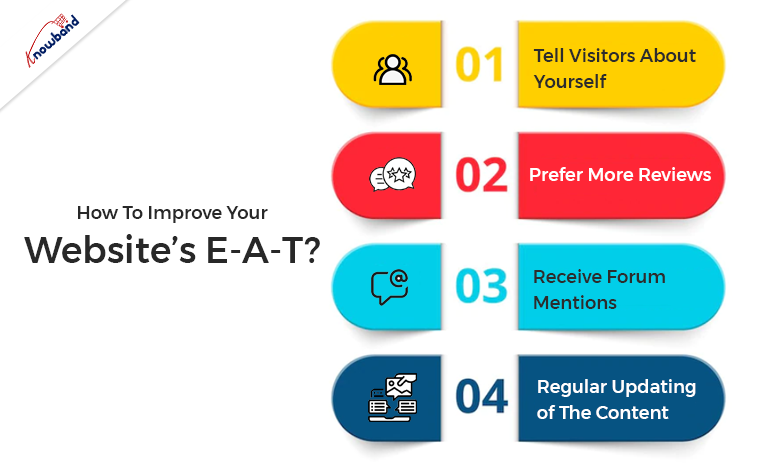
How To Improve Your Website’s E-A-T?

You now understand how E-A-T relates to Google’s algorithm. You are aware of its significance to SEO and why it matters.

Actions you can take to make your Website more Credible and Authoritative:

Tell Visitors About Yourself

Google needs to know who provides material and whether that person or website is a reliable source of that information. According to all three Terms of the E-A-T standards, its reliability measurement is important. Now is the perfect moment to create an About Us or a Team page that describes your team and your content contributors. Establishing your team’s knowledge, authority, and reliability is easy with author pages. Furthermore, it should into the process to gain the trust of customers.

Prefer More Reviews

Google instructs Quality Raters to use internet reviews as a source of reputation data about companies, which describes authority and trust. This is a common point, and many individuals try to oversimplify the situation by concentrating on one specific review website. Instead, concentrate on increasing the number of favorable online reviews across the board number of websites. Moreover, it is important to consider the websites that clients and customers in your business visit and regard as reliable.

Receive Forum Mentions

If customers are raving about your competition on the internet, you want the same to be true of your company as well. This may not be true for every industry. I know it sounds absurd to claim that forum mentions might help you rise in the rankings. Forum mentions can help you bring in traffic as well as increase the E-A-T score.

Regular Updating of The Content

A huge amount of data is produced daily by numerous websites. This simply means that because new content is produced at such a rapid pace, it quickly becomes out of date. Any content has a short lifetime, usually roughly a year. In addition, how its life span will depend on the sector or subject on which it is written. By adding content updates to your SEO plan, you can keep your information current and accurate. Every few years, particularly for content that receives a lot of traffic you should update statistics, and check for dead links.

In The End

We have been discussing Google E-A-T in this article and how to improve it. Also, we can assist you with the improvement of various aspects of SEO with the help of our modules. Kindly let us know if you have an interest in any of our modules. You can connect with us at support@knowband.com for issues or concerns related to our modules. We can provide you with business-specific custom developments and module modification services. Kindly let us know if you need our assistance and we will be happy to help you.