Structured Data and Schema Markup Enhance Search Rankings!!

Search engine optimization (SEO) is a critical part of this strategy. Further, structured data and schema markup play a crucial role in improving search rankings. In this article, we will discuss what structured data and schema markup are. Also, about how they work, and why they are important for improving search rankings.

Structured data refers to the way information is present on a website. It is to help search engines understand the content on a page better. Schema markup, on the other hand, is a specific type of structured data. It is added to a webpage’s HTML code to provide additional information to search engines.

Structured data and schema markup help search engines to better understand the context of a webpage’s content. When search engines can better understand the content of a page, they are more likely to show it to users who are searching for related topics. This can lead to an increase in website traffic, which can lead to more leads, sales, and revenue for a business.

Some of the Ways Structured Data and Schema Markup can Improve Search Rankings:

A Better Understanding of Content

When search engines understand the context of a webpage’s content, they can better match it to the queries that users are searching for. For example, a user is searching for a restaurant that serves Italian food. Here search engines can use structured data to understand that a particular restaurant serves Italian food. Also, it can recognize its location in a city. This can help the search engine to rank the restaurant higher in the search results for that query.

Increased Click-Through Rates
When a webpage has a better understanding of its content, it can lead to more targeted traffic. This can lead to higher click-through rates (CTR), which is the percentage of users who click on a search result. When a webpage has a higher CTR, it can signal to search engines that the page is relevant and valuable to users. 

Enhanced Rich Snippets

When schema markup is used on a webpage, it can enhance the rich snippets that are present in the search results. Rich snippets are the extra pieces of information that are in the search results, such as ratings, reviews, and prices. By using schema markup, businesses can provide more detailed information to search engines. This can make a webpage stand out more in the search results, which can lead to more clicks and traffic.

Standing Out from Competitors

Additionally, there are several other ways in which structured data and schema markup can improve search rankings. One important factor is that it can help businesses to stay ahead of their competition. Further which can make their web pages stand out in the search results.

Improved User Experience

When structured data and schema markup are correctly in use, they can improve the user experience on a webpage. By providing more detailed information about the content on a page, users can better understand what they can expect to find on the page. This can lead to a better user experience, which can lead to more engagement and longer time spent on the page. This can also lead to a lower bounce rate, which is the percentage of users who leave a webpage after only viewing one page.

Increased Visibility in Voice Search

When a webpage uses structured data and schema markup, it can make it easier for voice assistants to understand the content on the page. This can lead to increased visibility in voice search results, which can lead to more traffic and revenue for businesses.

Backlinks

Furthermore, structured data and schema markup can help businesses to attract high-quality backlinks. When a webpage has high-quality backlinks, it can signal to search engines that the page is authoritative and trustworthy. By using this, businesses can provide more detailed information to other websites, which can make it easier for them to link back to the page.

Content Optimization

Another benefit of using structured data and schema markup is that it can help businesses to optimize their content for featured snippets. Featured snippets are short, direct answers that appear at the top of the search results for certain queries. Using this method businesses can provide more detailed information to search engines. which can increase their chances of being featured in a snippet.

Benefits Of Local SEO

Finally, using structured data and schema markup can also help businesses to improve their local SEO efforts. By providing detailed information about a business’s location, hours of operation, and other relevant details, search engines can better match the business to local queries. This can lead to more targeted traffic, which can lead to more leads, sales, and revenue for the business.

In the End!!

Finally, structured data and schema markup are essential for improving search rankings. Moreover, it should be an integral part of any SEO strategy. In case you need our assistance with the SEO for your business then connect with us at support@knowband.com. With our team of experts, we will surely assist you depending on your needs.


Role of Social Signals in Google’s Algorithm and the Impact of Social Media on SEO!!

In today’s digital age, social media platforms have become an important part of our daily lives. Social media networks like Facebook, Twitter, Instagram, and LinkedIn are not only used for socializing and entertainment. But also, these platforms have a significant impact on search engine optimization (SEO). For the same reason, not only start-ups but also major brands are focusing on social platforms for boosting their SEO rankings.

On the other hand, social signals, are the actions taken by users on social media platforms. Play a crucial role in Google’s algorithm. For those who are not aware of the term Google Algorithms. It is a compound term for the metrics that Google uses for defining search results and assigning website rankings.
In this article, we will discuss the role of social signals in Google’s algorithm and the impact of social media on SEO.

What are Social Signals?

Social signals refer to the likes, shares, comments, and other interactions on social media platforms that indicate the engagement and popularity of a page or account. These are used to measure the relevance and quality of content by search engines.

When a piece of content is shared or liked by many people. It indicates that the content is valuable and worth sharing. Based on the same, Google considers the content valuable for the general users and impacts the SEO for the concerned website. Therefore, social signals are a crucial factor in determining the ranking of a website on search engine results pages (SERPs).

How do Social Signals Contribute to Google’s Algorithm?

Google’s algorithm is designed to provide the most relevant and high-quality results for user queries. These are one of the many factors that Google uses to determine the quality and relevance of posted content. When a piece of content receives a high number of social signals. It indicates that the content is valuable, and people find it helpful. Therefore, Google considers social signals as a ranking factor in its algorithm.

However, it is important to note that social signals alone cannot guarantee high rankings on Google. Other factors such as website structure, content quality, and backlinks are also important in determining the ranking of a website. Social signals should be used as a part of a comprehensive SEO strategy. To improve the visibility and ranking of a website on Google. Moreover, you can also check out our other article about Google’s Page Experience update and its impact on SEO.

Impact of Social Media on SEO:

Social media platforms have a significant impact on SEO. It can drive traffic to a website, increase brand awareness, and improve the visibility of a website on Google.

Furthermore, Social media platforms have billions of users worldwide, making them an excellent source of traffic for websites. By sharing content on social media, website owners can attract users to their websites and increase their traffic. Increased traffic to a website can lead to improved rankings on Google.

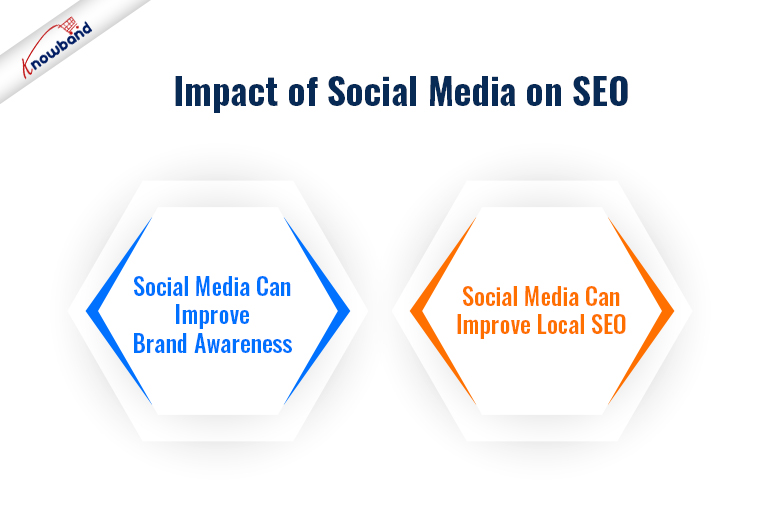
Social Media Can Improve Brand Awareness:

One of the other major advantages of social media platforms is that one can easily Skyrocket brand awareness if they place every card in its place.
By sharing content on social media, website owners can reach a larger audience and increase their brand exposure. Increased brand exposure can lead to more traffic, backlinks, and improved rankings on Google. Thus, this is one of the easiest ways to boost brand awareness for both newcomers and major eCommerce firms.

Social Media Can Improve Local SEO:

Social media can also impact local SEO. Platforms like Facebook, Twitter, and LinkedIn have local business pages. That allows businesses to list their contact information, services, and products. By optimizing their local business pages on social media, businesses can improve their visibility and rankings on Google for local search queries.
Moreover, in the following way, eCommerce merchants can also promote their online business by presenting valuable information to a vast audience.

Conclusion!!

Social media can drive traffic to a website, improve brand awareness, improve website authority, and improve local SEO. Therefore, it is important to include social media in your SEO strategy.
Moreover, it is one of the most effective ways of boosting Search Engine Optimization for an online platform. However, you can also check out our other article concerning Google’s Page Experience update. And, how it is going to impact your rankings!
Furthermore, in case you are having SEO-related queries or requirements, you can also find us at support@knowband.com. Our marketing team will be more than happy to assist you regarding the same.

Role of User Behavior Metrics such as Bounce Rate and Dwell Time in Google’s Algorithm

In the world of search engine optimization (SEO), understanding user behavior metrics is essential for achieving higher search rankings. Among these metrics, bounce rate and dwell time play a significant role in Google’s algorithm. This blog post explores the importance of bounce rate and dwell time, and how they influence search rankings.

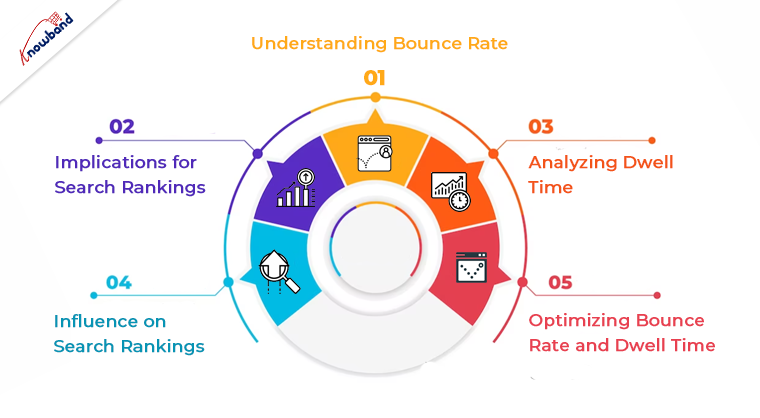
Understanding Bounce Rate:

Bounce rate refers to the percentage of users who visit a webpage and leave without engaging with it or navigating to other pages on the same website. A high bounce rate indicates that users find the content or user experience unsatisfactory, while a low bounce rate suggests engagement and relevance.

Implications for Search Rankings:

Google considers a high bounce rate as a negative signal, suggesting that the webpage does not meet users’ expectations. Consequently, websites with high bounce rates may experience a drop in search rankings. Conversely, a low bounce rate indicates that users find the content valuable, potentially leading to improved rankings.

Analyzing Dwell Time:

Dwell time measures how long users spend on a webpage after clicking through from the search results. Although not a publicly acknowledged ranking factor, dwell time is believed to impact search rankings.

Influence on Search Rankings:

Longer dwell times suggest that users find the content useful and engaging. Google recognizes this as a positive user signal and may reward websites with longer dwell times with improved rankings. Conversely, shorter dwell times indicate lower user satisfaction and may result in ranking penalties

Optimizing Bounce Rate and Dwell Time:

Reducing bounce rate and increasing dwell time is crucial for improving search rankings. Consider the following strategies:

High-Quality Content:

Creating valuable, informative, and engaging content that meets users’ search intent can reduce bounce rates and increase dwell time.

Enhanced Website Usability:

Improving website loading speed, navigation, and mobile responsiveness encourages users to explore further, reducing bounce rates and increasing dwell time.

Enhanced User Experience:

Optimizing the webpage’s layout, design, and readability can increase user engagement and dwell time.

Strategic Internal Linking:

Implementing relevant internal links within the content can direct users to related pages, encouraging them to stay longer and explore further.

Conclusion:

Understanding the role of user behavior metrics such as bounce rate and dwell time is crucial for optimizing websites and improving search rankings. By focusing on reducing bounce rates and increasing dwell times, website owners can enhance user engagement and provide a better overall experience. These metrics are important signals to Google’s algorithm, indicating relevance, usefulness, and satisfaction. To succeed in SEO, invest in creating high-quality content, improving website usability, and optimizing the user experience.

In case of any doubts or queries, do not hesitate to contact support@knowband.com. Our team of experts can provide further guidance and assistance in understanding and leveraging user behavior metrics to boost your website’s performance. Stay proactive and seek expert advice to stay ahead in the ever-evolving world of SEO.


How Social Media Networks are Empowering SEO!!

Search Engine Optimization and Social Media Marketing are two different aspects of marketing. Although both have their own characteristics and workflow. Yet, in the end, the goal is to define the traffic on a website. Both social media marketing and SEO are some of the most effective marketing ways that bring traffic to a website.

Even though Social Media Marketing for eCommerce and SEO is entirely different. Yet, Google’s updated SEO algorithms consider the social media presence of a brand while considering SEO rankings.

Difference Between SEO and SMM:

Social Media Marketing is a marketing strategy to promote a brand on social media platforms. For example, SMM teams work on different strategies to improve brand awareness on social platforms. Such as Instagram, Facebook, etc.

On the other hand, Search Engine Optimization is the most effective way of driving organic traffic toward a website. It includes content posting, link building, loading speed optimization, and Google’s search page update aspects.

How Social Media Optimization Impacts SEO!!

According to Google’s recent announcements, links are generated from social media platforms. As Facebook and Twitter impact Search Engine Optimization directly. For example, if you are posting relevant content on your brand’s social media pages. The chances for increased click rate and social sharing are high.

As a result, you will be ending up getting noticeable customer traffic toward your website.

Apart from it, various indirect Social Media Marketing factors impact SEO and the overall traffic of a website. Instance, social media platforms track the analytics data such as click rate, bounce rate, viewing depth, and total time spent by a user on a website. So, let’s discuss some of the indirect Social Media Optimization strategies that add significant value to Search Engine Optimization.

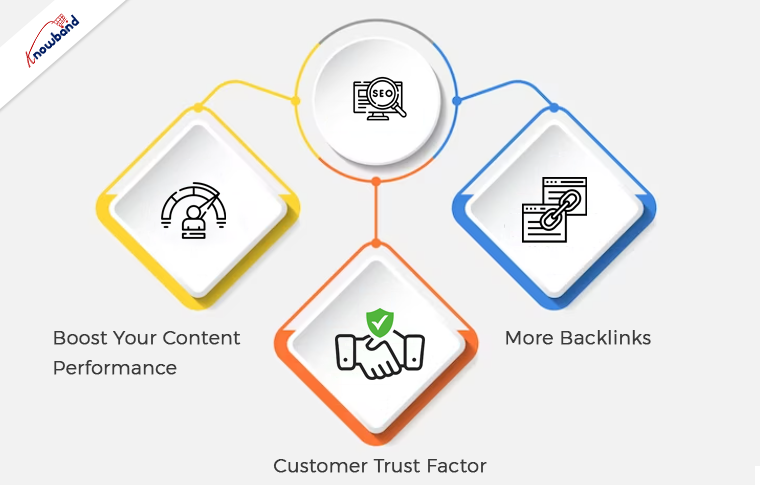
Boost Your Content Performance:

Just content creation is just not enough for a website’s growth. However, if you are just adding content on a website, and not showing the same on social media platforms.

On top of that, social platforms such as Instagram have a huge audience that is going to notice your posted content.

Thus, providing content updates to your social family can grow the organic traffic of your website. In the following method, social media marketing is going to impact your SEO indirectly.

More Backlinks:

Backlinks are the most important aspect of Search Engine Optimization. Well, the question is how it is redirected to social media marketing.

Thus, here is how. Posting your content and other updates on social platforms are going to bring traffic to your website. In case you are deploying valuable content on social platforms, then the chances are higher that you will get to your targeted audience easily. On the other hand, if you are keeping your SEO content to your website only, then it is not going to be helpful for SMM. Thus, adding regular updates on social media is one of the easiest ways to keep your customer base informed about your business activities.

Customer Trust Factor:

Having a healthy brand image on social platforms improves customer trust in a brand. How?

Consider a user hovering on the internet and somehow landing on your Prestashop website in the search of his favorite products. Now, he is a first-time visitor and does not know much about your brand. In the following case, the first thing he is going to do is check the Instagram and Facebook accounts of the website.

Furthermore, if your marketing team has done enough work for enhancing your social media presence then it is well and good. However, if you are not able to maintain a sounding social profile for your business then there are huge chances of bounce rate.

Looking for Selling on Facebook from Your PrestaShop Store?

Are you a Prestashop eCommerce shop vendor and looking to sell your products on Facebook? You can check out Knowband’s Prestashop Facebook Store Addon.

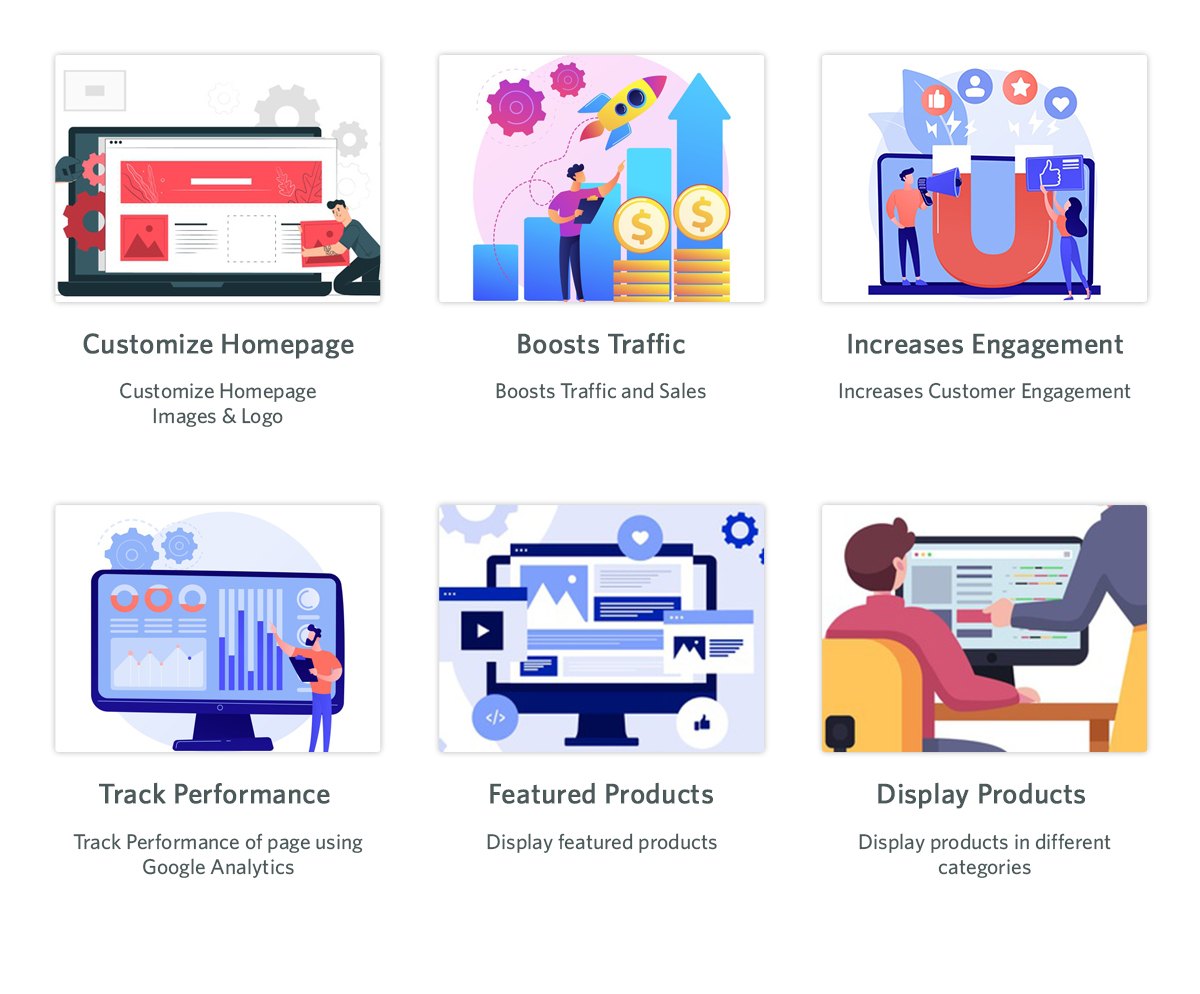
Moreover, with the help of the FB Store module, you can integrate your Facebook fan page with your Prestashop eCommerce store. On top of that, you can keep the track of other relevant information such as traffic tracking via Google Analytics, managing the UI of your Facebook store, and much more within clicks.

You can also drop us a mail at support@knowband.com for more information and other eCommerce-related queries.