Online Hyperlocal Delivery Business Model | Complete Guide for Food and Grocery Marketplace

The hyperlocal delivery business model is spreading its wings in the food and grocery market. Experts assume that in the coming future, the Grocery home delivery business will expand remarkably, and incorporating the hyperlocal delivery business model is a win-win for all the focuses involved. If you are looking for a solution to start a marketplace for grocery or food delivery business then KnowBand has exactly what you are looking for.

The modules developed for creating a hyperlocal marketplace are very well curated by the technical experts and analyzed by industry specialists to empower local businesses with the online grocery store or a food delivery marketplace. Online grocery shops have high profitability and the majority of people prefer online shopping rather than visiting the stores.

Bring your store on a digital platform and start your home delivery business with Hyperlocal Marketplace Module. For the beginners’ guide, you can refer to this article on on-demand Grocery Marketplace.  To deliver grocery, food, personal care products, or any services you need to make a plan and this article will be a step-by-step guide for launching your online home delivery store or an online marketplace. The hyperlocal delivery business model gives a platform to small businesses; they can become a seller on a marketplace and start selling immediately.

Companies like Amazon, Flipkart, Alibaba, Airbnb, etc, have established their brands in the marketplace industry and it is not easy to compete with these hotshots. Still, you have an opportunity to grow as people are supporting small businesses locally.

Step-by-step guide for a hyperlocal delivery business

Finding difficulty in deciding the right industry?

Don’t worry!

We have a plan.

Step 1- Select the industry you want to work in:

To finalize the industry for your hyperlocal home delivery business, do some market research. ECommerce has a lot of potentials if you do it right. Before establishing your hyperlocal marketplace business talk to industry experts, take help from the consultants or you can conduct surveys nearby.

Make good survey forms including all the necessary questions for the sellers and customers. List the benefits you will have and the sellers can enjoy. This will help you in finalizing your domain for the home delivery business.

Step 2- Decide your niche:

Once, you have decided on the industry, now it is time to determine the niche. The specific area you want to focus on. The hyperlocal delivery model for the food industry starts when you begin to think about the product and service you will deliver. You can choose basic needs products like dairy and bakery items, packaged food from a restaurant, lunch box delivery, essential grocery, or fresh vegetable delivery in local areas.

Here is the list of the top 10 budget-friendly hyperlocal business ideas. I’m sure this will help!

Step 3- Analyze what fits into your pocket:

Money comes next! Do not tempt the idea and dispose of your savings. Look into your budget and see what you have and how much you have to spend? Market research is important if you are putting your step into the hyperlocal delivery business. In my opinion, food and grocery delivery businesses are the best choices out there because this comes in the essentials and the essentials never go off the market. We already have witnessed the COVID 19 crisis scenario and boom in the hyperlocal grocery marketplace.

Step 4- Time to develop a website

Since you have to start your store online, you will need a website to enlist your products and services. You can either start a grocery, food, or personal care delivery business of your own, or you can create a marketplace web store and provide a platform to other small businesses.

A website can be created in a few simple steps:

Step 5- Attract sellers to your marketplace
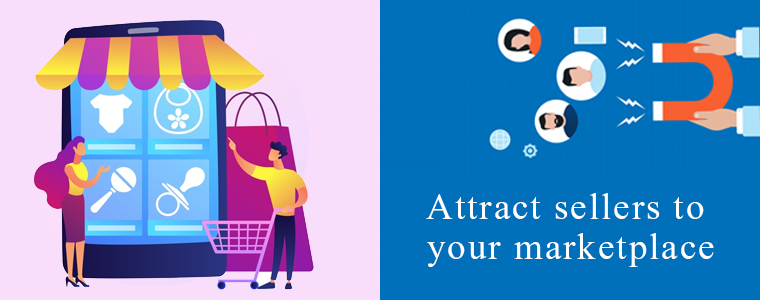
Sellers are the most important part of a marketplace. If you are planning to start a food delivery marketplace similar to UberEats then you need to contact multiple restaurants and show them the benefits they can have if they sell on your marketplace. The food delivery marketplaces follow the hyperlocal delivery business model and we know how they are flourishing globally.

Read: How to Attract Sellers on OpenCart Marketplace

Step 6- Built strong customer base

In a marketplace, customers and sellers are interdependent. If you succeed in attracting sellers you will automatically invite a large customer base. Grocery home delivery and food delivery from their favorite food stall is the preference of every person as this gives them convenience and save time.

You can use Social Media to attract the audience by creating pages on different platforms. Read these articles for some of the best ways to attract more customers to a hyperlocal marketplace.

Recommended Reads:

Step 7- Make delivery set-up and tie-up with courier services

The success of an online grocery company depends heavily on how easily you can deliver the goods to the home/office of your client.

This makes it a vital factor in the entire start-up process to set up an effective distribution system.

Most consumers in India prefer delivery on the same day, more so for food and grocery products, and any unreasonable delay in this specific segment is generally frowned upon.

This is also not feasible, however, solely because of a shortage of human capital or the unavailability of vehicles to transport goods.

Deliveries often seem to come at a large cost-to-company, accounting for almost 30-40 % of total company costs. You can reduce shipping costs with some of the pro tips suggested in this article.

Step 8- Develop a Marketing strategy

The marketing strategies for the home delivery business can be a game-changer. You can use various social media platforms, go for email marketing, run campaigns; offer discounts, and a lot more can be done. You can attract sellers and customers by writing blogs and sharing success stories.

Although major online grocery players such as Big Basket and Amazon have the budgets on many media fronts to afford high-profile celebrity campaigns, you don’t have to follow the same path.

Instead, you can choose to market your online grocery store using local avenues that are equally successful, such as;

  • Putting a commercial in the local newspaper
  • Running a campaign on social media.
  • Sending SMS in bulk.
  • Putting up hoardings at famous places in your local area
  • Word of mouth is the best you can do
  • You can also hire food bloggers

Step 9- Allow Buy online In-store pick-up

It is a new trend to follow. Set up your Online Grocery Business with Store Pick-up Facility. This can save you from extra shipping charges and people sometimes prefer this to maintain safety and hygiene. COVID 19 outbreak expanded the market for BOPIS.

Read: Start your online grocery store with buy online and pick in-store functionality.

Step 10- Documentations and legal requirements

Before starting a hyperlocal delivery model for a food business you need to take care of some legal requirements and documentation work.

  • You need to form a legal entity
  • Register your firm or company for taxes
  • Open a business account to handle business transactions
  • Accomplish your licenses and permits as per your country’s policy and take the licenses according to state & local Business requirements
  • Since you are selling food products, follow all the food safety measures and regulations
  • Do vehicle’s registration and hire a licensed driver for transportation

Create a Mobile App:

Considering the numbers, the smartphone consumer base is wide and about 80% of the smartphone users did online shopping through mobile phones in the year 2020.
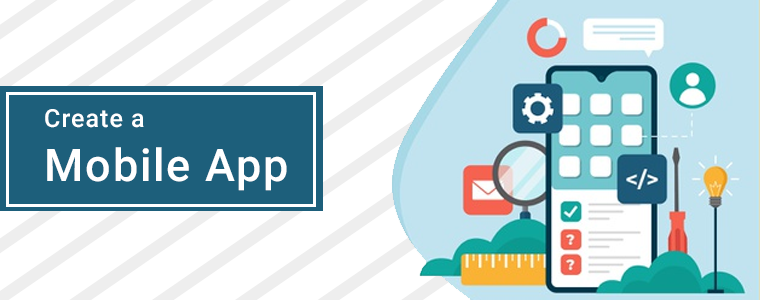
After the successful launch of your home delivery website, you can create a mobile app as the number of smartphone users is more than the desktop user. Built a grocery store mobile app for eCommerce and you can refer to this article to read the success story of our happy clients.

Read: [Success Story – Goldengrocery] Grocery Mobile App for E-Commerce

Wrapping up:

This article and the attached reads are sufficient to guide you on starting a hyperlocal home delivery business and a food delivery marketplace. The successful food delivery apps like DoorDash, UberEats, Zomato, etc. created a marketplace for small and big restaurants and increased their customer base and sales. Gear up for the new venture! You tell us what you want and let us think.

You can write to us at support@knowband.com or visit our website for further assistance. Our technical experts will guide you and help you throughout the journey.


How to Start Online Clothing Business- Complete Guide

Are you planning to start your own clothing business online? Well, thanks to the innovators and web developers. Now you can start an online merchandising business with minimal cost without any physical brick and mortar store.

Online clothing business is an opportunity if you are looking for a breakthrough idea. Strategic planning, the right approach, and excellent marketing can make you a dominator in the clothing industry.

Finding a good idea to work on is the first step to starting an online clothing business. You’re going to spend a lot of time, probably money, and effort on it, so make sure that you work on something that has real potential to earn you passive income, allow you to leave your job and do it full-time, provide value and use your skills and talents, or else.

You can sell anything like kids’ clothing, designer, vintage, or anything in between. It is now simpler than ever to set up an online clothing store, thanks to the invention of online store builders, such as OpenCart, Shopify, Wix, and PrestaShop, and the best part is you don’t even need to know how to code!

Since you have reached this far imagining about this new clothing business idea, now you require a plan which can help you start your new venture.

Before that starting a clothing business, ask yourself these questions: Are you skilled enough to start this? If you are passionate enough for starting a clothing business? Will you be able to deal with the new situations coming? Is it profitable? If your answers are in favor then you are preceding in the right direction.

1.     Choose the business model

It’s time to choose a business model for your online clothing store business, now that you know your niche and have an idea of the types of items you want to sell. Online clothing and fashion stores fall into the following categories of business models:

  • Retail
  • Wholesaling
  • Manufacturing

After choosing a business model, one has to select the type of clothing they want to sell:

  • Fast Fashion
  • Traditional Fashion
  • Custom Personalised Clothing
  • Designer Apparels

Each business model has its pros and cons and your ultimate aim, budget, and skills should be focused on choosing between them.

2.   Launch your Website:

Starting a clothing business online is a profitable business as 80% of millennials prefer shopping online.

It is important to have your website. It’s the only place you can sell clothes online and it’s where you’re going to develop your brand, get traffic, and implement all your knowledge to earn a profit. Your website will always be there, at the heart of your business, no matter how much your business expands over the years, and how many monetization methods you pursue.

A website consists of a domain name (the name of your clothing store website), a hosting provider (the company that provides the server to support online business), and a content management system such as Shopify, OpenCart, PrestaShop, Magento, etc. The online platform is the program that allows you to build an online store for selling clothes, creating content, and adding the product, email marketing, and much more.

For starting a clothing business you need an attractive name that should be easy to remember. You can hire a website development service provider to create the best to compete in this rapidly evolving world of fashion.

3.    Find your Target audience:

There is a target audience for every company, so make sure to do your research before settling on a niche. The more you understand your clients and what they want, the more are your chances of delivering the goods they want.

It isn’t easy to start an online clothing business but if you know your customer and have studied their consumer behavior then you can make this difficult task an easy one.

Start blogging:

I can’t emphasize enough how important content is to your overall online clothing business strategy.

You need to build content in multiple ways to start the online clothing business flourish. Writing blog posts, comprehensive guides, videos, social media posts, podcasts, courses, etc. can support every potential lead. Repurposing content is simple as once you have published a blog post, you can easily convert it into a series of emails, a free guide for your subscribers to download, several social media posts, and what not!

Conduct Online Surveys:

To know your target audience and to understand their demands you can conduct online surveys with free available Google forms or any other means. Surveying before starting an online clothing business has added benefits. For the starter, this can help you in deciding the type of product you can sell in your store.

4.    Build Your Clothing Brand

What shapes your brand is you and everything you do online. You need to make sure your brand is compatible with all the elements of your online clothing business.

It means:

  • Using the matching colors, photos, products, etc. on your web.
  • To build all types of graphics for your clothing brand, use a free tool, and capture interactive pictures of the clothes you want to sell.
  • Create a logo with a tagline to stand out
  • Writing an awesome page about telling your brand story and what you will be selling on an online clothing store;
  • Be on every platform of social media and get involved. That’s a way to connect, build up your followers and generate brand recognition with your audience and other business owners;
  • Capture professional images and add them to your website and social media pages for your product;
  • Ask them for reviews and display these testimonials on your website once you have some clients and email subscribers.

5.    Register Your Online Business

In your country, how to start an online business? You have built the foundation of your brand when your clothing website is launched and you have started making your first cash. That’s something you’re going to need to remember.

It’s an easy procedure to register an online company, but you need to follow your country’s rules. After making the lawful registration for paying taxes you will receive all the required details like company registration number, VAT number, etc.  Start your online clothing company and register it as per your country’s laws.

6.    Design Your Products:

Let’s look at the things in more detail that go into creating a product.

You have to choose any available service provider companies as your fulfillment service to design a product. Assume that you have created your online shop. You all know what it takes for fashion lovers to find something pleasant to wear, so imagine what it’s like to design it. Lots of things to take into consideration:

  • The creator of the designs cannot just imagine but are capable of making it a reality.
  • The survey which you have conducted before setting up your online clothing store will now help you as you know what your target audience like.
  • It is needful to keep an eye on the quality of the product you are going to sell. The cut and material of the garment is something you need to take care of. The fabric you will be using, its stretch and fit, all are important factors to start selling clothes online.
  • For the final result, from A to Z-the fit, the color, the design, you have to be sure about everything. You have to develop a product which makes them buy it. Otherwise, selling isn’t worth it. Before going live, be sure to order a copy.

Read: 8 Things that make a Perfect Mobile Product Page

7.    Master the Marketing and Sales Funnel

Getting your store up and running is the first step, but you will need to market your clothing store to make sure that you start (and continue) selling clothes online.

We highly recommend you marketing your online clothing shop over social media. This is a free and simple way to get out into the world with your brand name.

You can simply allow your customers to like your company on Facebook or follow you on Twitter with share and win schemes, which means they can keep up with all brand promotions, industry news that you can share, and any upcoming deals.

Affiliate and referral programs can help you with spreading brand awareness. It is the sneakiest way of bringing new potential customers. Another marketing tool is email marketing. You can send follow-up emails, promotional emails using apps, email marketing tools, and plugins to your customers who have visited your online clothing store before.

Your online clothing store will be making big bucks in no time at all with these easy, powerful, and inexpensive marketing methods.

It’s time to track success.

Conclusion:

When you start your online clothing store, you’ll need to find the middle ground between your quality standards, manufacturing costs, and making a profit.

Almost nobody is born with the full stack of expertise to start and run a successful business, so make the effort to learn about the pieces that you don’t know as much about, whether that’s how to connect in the fashion world, or how to build a growth-oriented business plan.

Be ambitious, understand your brand, and keep your set-up costs down! Good luck!

Recommended Reads: