UX y personalización: ¿Por qué es importante para los módulos de comercio electrónico?

Para mantener a los usuarios comprometidos y atraer nuevos clientes, negocios de comercio electrónico debe ser creativo con su diseño de experiencia de usuario (UX). Un sitio web visualmente atractivo no es suficiente. El diseño de UX debe tener varios elementos críticos que funcionen para proporcionar un viaje de usuario intuitivo y sin esfuerzo. Además, esto permite a los visitantes completar sus objetivos de manera eficiente. Al crear un módulo, se deben optimizar todos los aspectos, desde su arquitectura hasta los detalles de las características. El optimización de módulos debe llevarse a cabo teniendo en cuenta la experiencia del usuario.

¿Cómo mejorar la experiencia del usuario en el sitio web?
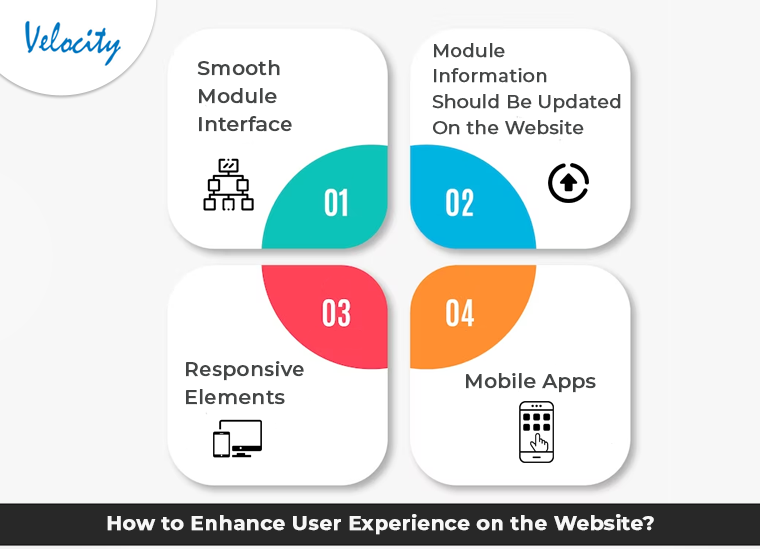
cómo-mejorar-la-experiencia-del-usuario-en-el-sitio-web

Interfaz de módulo suave

Crear una experiencia de navegación fluida es un componente crítico de la estrategia de experiencia de usuario para complementos de comercio electrónico. Las funciones de navegación complejas pueden reducir el interés del usuario, lo que lleva a tasas de rebote más altas. Por lo tanto, es esencial que los propietarios de negocios de comercio electrónico optimicen sus módulos y la interfaz de usuario para una navegación fluida.

La información del módulo debe actualizarse en el sitio web

Desarrollar un complemento es solo el comienzo de establecer una presencia en línea en el mercado de negocios de módulos de comercio electrónico. Lograrlo con éxito requiere un esfuerzo continuo, como la optimización de módulos de manera periódica. Aparte de eso, el SEO en el sitio/fuera del sitio, la construcción de enlaces y el intercambio social también son importantes. Mantener su módulo actualizado con características e información relevante es esencial. También es necesario eliminar funciones que ya no están en demanda.�

Elementos sensibles

Para aplicaciones o complementos de comercio electrónico, todos los elementos de la interfaz de usuario (UI) deben ser altamente receptivos y perfectamente funcionales. La capacidad de respuesta es un aspecto crítico del diseño de UX que ayuda a aumentar los niveles de participación del cliente. Además, las ventas en línea alientan a los visitantes que regresan a su tienda en línea.

Localización de

En el mundo actual, no sorprende que la mayoría de las transacciones en línea se realicen en dispositivos móviles. Por lo tanto, adoptar una estrategia que dé prioridad a los dispositivos móviles es vital para lograr un crecimiento constante de los ingresos. Además, ayuda a administrar de manera efectiva la tienda en línea. Además de crear una aplicación móvil para su negocio de comercio electrónico, también es esencial optimizar su complemento de aplicación móvil para todo tipo de dispositivos móviles. Aunque una aplicación móvil es muy importante, su interfaz en el administrador, que generalmente se usa en el escritorio, también debe ser fácil e interactiva.

Beneficios de tener una buena experiencia de usuario
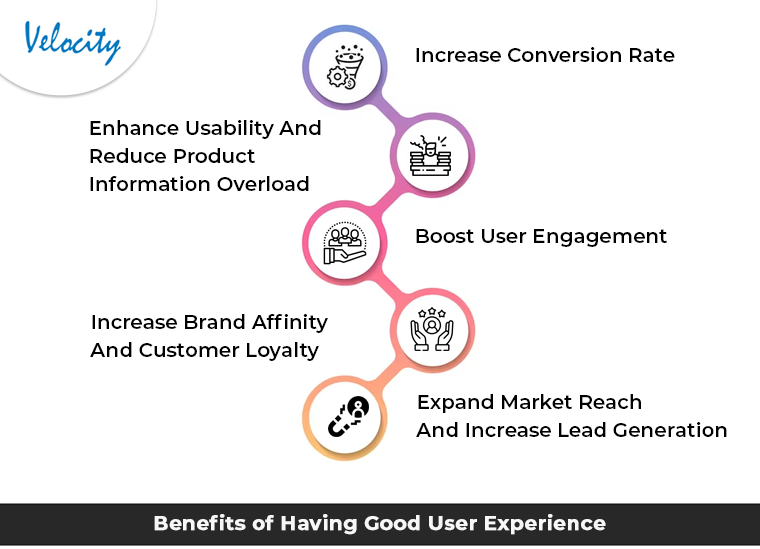
Aumentar la tasa de conversión

Para ganar credibilidad e inspirar confianza, sus complementos deben verse profesionales y confiables. Si los usuarios no pueden navegar por sus módulos de manera fácil o eficiente, no se convertirán. Además, esto conducirá a la pérdida de credibilidad en la mente de los usuarios. Una excelente experiencia de usuario puede aumentar las tasas de conversión y ayudar a establecer confianza y credibilidad. Además, esto requiere tiempo y consistencia en cada interacción del usuario y transacción en línea.�

Mejore la usabilidad y reduzca la sobrecarga de información del producto

Demasiada información o demasiadas opciones pueden distraer a los usuarios y alejarlos de su objetivo. Un diseño UX realizado correctamente cumple con las expectativas de los clientes objetivo. Además, proporciona información específica o momentos de acción en el momento adecuado. Un buen diseño de módulo UX facilita la decisión de compra al permitir que los clientes encuentren lo que buscan fácilmente.�

Impulsar la participación del usuario

El diseño de UX tiene como objetivo crear una experiencia de usuario positiva que estimule a los usuarios e impacte su experiencia. Un diseño simple y limpio puede estimular la vista del usuario y captar su atención. Esto ayuda a crear un viaje de cliente único y distintivo que separa a su empresa de la competencia. El diseño consistente puede lograr la participación del usuario y el reconocimiento de la marca, y reducir la tasa de rebote. La inclusión de elementos interactivos, como videos, botones de llamada a la acción e íconos de redes sociales, puede alentar a los usuarios a interactuar con la interfaz de su complemento y hacer que estén ansiosos por regresar a su sitio web.

Aumente la afinidad con la marca y la lealtad del cliente

Ofrecer una experiencia de cliente excepcional a través de su diseño UX puede conducir a aumento de la lealtad del cliente y tasas de retención. Cuando los usuarios se sienten comprendidos por su marca, es más probable que desarrollen una afinidad hacia su marca. Al mostrar empatía y abordar la intención, el comportamiento y los problemas del usuario, puede humanizar su marca, producto o servicio. Además, esto construye una relación sólida con sus clientes.�

Amplíe el alcance del mercado y aumente la generación de clientes potenciales

Tener un sitio web optimizado para dispositivos móviles es crucial, ya que más de la mitad del mundo posee un dispositivo móvil, y todos utilizan búsquedas en Internet desde dispositivos móviles. Nuestro módulo de creación de aplicaciones móviles puede ayudar a crear aplicaciones móviles para su empresa. Los usuarios móviles esperan tener la misma experiencia en sus dispositivos móviles que en una computadora portátil o PC.

En el final

Aquí, en este artículo, hemos compartido algunos puntos sobre cómo mejorar y mejorar la experiencia del usuario y cuáles son los beneficios de la misma. Si está interesado en nuestros módulos, háganoslo saber y estaremos encantados de ayudarle. Aparte de eso, queremos informarle que en caso de que tenga algún requisito específico, puede conectarse con nosotros. Puede conectarse con nosotros en support@knowband.com y nuestro equipo técnico lo ayudará con la desarrollo de módulos personalizados también. Si tiene algún problema o inquietud relacionada con nuestro módulo, lo ayudaremos. Para cualquier personalización con el módulo y sus funciones, también estamos aquí para ayudarlo.

Six Types of eCommerce Customers and How to Satisfy Them: Pro Tips

Online shopping is increasing, and customers who are enamoured with eCommerce sites spend countless hours researching the goods they want. There are some very popular quotes which make shopping, therapy, cardio or a hobby. It makes evident just how fixated people can be. There are many different types of eCommerce customers, therefore business owners need to keep each one not just entertained but also motivated to make purchases.

Some eCommerce customers like exploring before buying and some have a focused approach with a to-buy list which makes them good customers. But, being a retailer or eCommerce store owner, you cannot rely on one type of customer. Every shopper is different and they follow a certain pattern of buying with different priorities. Being a retailer, you must have gone to a lot of stores or manufacturers before choosing the item for sale. You also have a pattern which makes you a type of customer. I’m going to talk about some distinct categories of consumers that store owners frequently deal with and offer some expert advice on how to handle various types of eCommerce customers in your business to increase conversions.

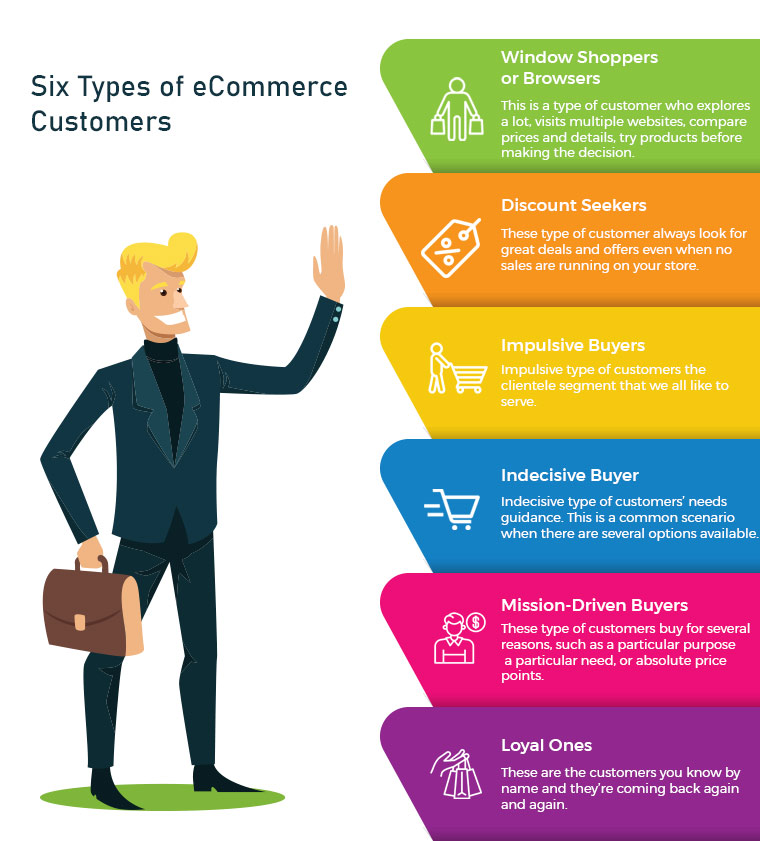
1. Window Shoppers or Browsers

The number one on the list is servers or browsers. This is a type of customer who explores a lot, visits multiple websites, compares prices and details, try products before making a decision. They add products to their cart but never intended to shop from them. Yes, there are many such buyers and you may call them a pain. Can you do something about it? Yes, I guess. There can be ways to attract such visitors and encourage them to buy products from your store.

Greet them well:

If you are a retailer, you must remember to greet them well. Even if they are not asking for any assistance you can provide them one. eCommerce store owners can add any entry or exit popup such as Better Thank you Page module to their store for greeting these types of customers.

Entry or Exit Popup:

Some of the easiest ways to engage your consumers are by the use of innovative methods. The customer’s attention must be drawn to the digital interface and manner of presentation. The gamified interface of Spin and Win Pop-up attracts shoppers to your store. This is a 3-in-one pop-up which is used as an entry pop-up, exit pop up or an email subscription pop-up.

Don’t ignore the browsers, they can become your loyal eCommerce customers if treated right.

2. Discount Seekers

These types of eCommerce Customers respond well to pushy sale tactics. They always look for great deals and offers even when no sales are running in your store. For attracting such buyers you should focus on highlighting what they will save on that particular deal.

Host Clearance or Flash Sales:

These discount seekers can give you huge sales if provided with flat discounts. Clearance sales can be a good option. The products that have been stocked in your store for months can be sold out, and customers looking for discounts will benefit from it.These sales can be a key contributor to your cash flow which will make room for the new products by removing the older ones.

Scratch Card:

You can provide your customers with Scratch Cards while having a purchase. Customers will be attracted to the alluring coupons which can save their deal a lot.

Free Shipping:

Free shipping encourages customers to buy more from your store. A fixed amount of purchase is to be made by the shopper to get free delivery.

Recommended Read: How to Win Customers with Discounts and Boost Sales? 

3. Impulsive Buyers

Impulsive types of customers are the clientele segment that we all like to serve. Nothing is more exciting than helping the impulse shopper to respond favourably to your recommendations. Impulse shoppers, also known as emotional shoppers, make unplanned purchases based on items that are currently appealing to them. Online shopping is a popular example of pulse or emotional buying. They look for products which attract them and you can do that by showing related products or by offering personalisation.

Show Related Products:

If you are dealing with an impulse buyer then make this chance an opportunity. Because they shop when they like it without giving a second thought. Show them what’s new in the store and let them feel, that they will be out of the race if they don’t own it. This can be done with modules like related products.

4. Indecisive Buyer

This is a common scenario when there are several options available. For instance, search for a floral top and the results will blow your mind. hundreds of products will start appearing in various stores. Deciding one will be difficult. Indecisive type of customers needs guidance. Ask them questions and give honest advice. A flexible return policy can also help them with their shopping.

Ask Questions:

Shop owners can help them decide what they want. Provide them with chat support or in-store assistance for choosing the right product. This effort can turn them into loyal eCommerce Customers.

Product Custom Field:

You can add a product custom field with the product description. You can add a field with related questions which can help you understand the need of the buyer. Advance Product Feld extension can be a good fit to improve UX.

Return Manager:

An indecisive customer will be encouraged if he/she knows that the product can be returned if they don’t like it. The Return Manager is a good module to add to your eCommerce store.

5. Mission-Driven Buyers

These can be called researchers or need-based customers. These customers buy for several reasons, such as a particular purpose, a particular need, or absolute price points. As difficult as it can be to please these individuals, they may still become regular customers if they are well taken care of. Provided with a good customer experience which is not available online or on other retailers stores can turn them into loyal customers.

Offer buy-online, Pick Up In-Store:

These types of buyers do not have much time to spend in window shopping or i-store shopping. They can make the purchase online and pick up the product from the store. Implement this new pick-up and drop option in your store to attract mission-driven buyers.

Cross-Selling:

Retailers can help the need-based customer with cross-selling techniques. You can place bread in related products while they are buying milk or a mobile cover if they are purchasing a mobile. The Automatic Related Product module can help you show relevant products on various pages such as the product page, the home page, the shopping cart page, etc.

Recommended Read: How to Cross-sell and Upsell?

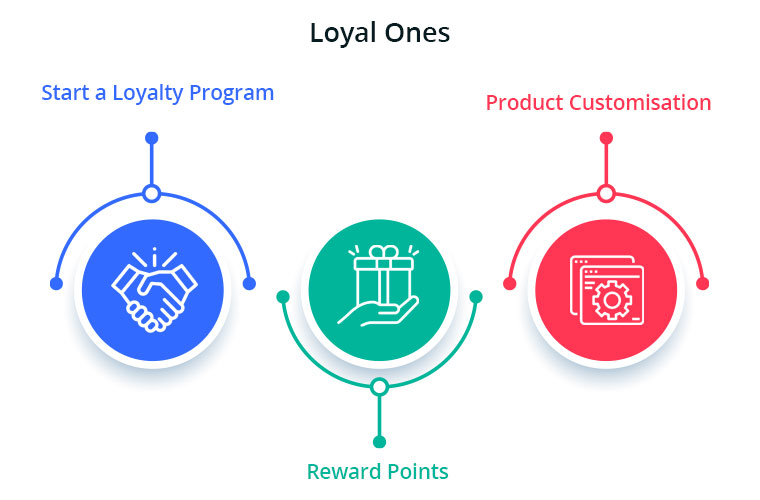
6. Loyal Ones

These are the customers you know by name and they’re coming back again and again. Loyal eCommerce Customers already know and enjoy your shop, so now you need to keep them happy. Offer customisation and personalised experience and never lose them to others. The best ones are difficult to find and it is your responsibility to give them your best services. You can give them reward points or loyalty points on every purchase. These types of customers are the best marketers for your store as the more they shop, the more will be the word of mouth communication.

Start a Loyalty Program:

Choose a module or plugin for your eCommerce Store to give loyalty points to your loyal ones. This will motivate these types of buyers to shop again and again from your store. During checkout, the loyalty points can be redeemed for a discount.

Reward points:

You can also give them reward points on various purchases like first purchase, on a fixed amount order, on particular products etc.  The reward points encourage the buyer to make more purchases. It helps the admin boost customer engagement and creates loyal customers.

Product Customisation:

Product customisation and personalisation can turn your sales to the next level. this is one of the most accepted trends. Help them get a personalised product of their taste. The best module for giving a customisation experience is Product Designer/Customization which can provide several choices to you and shoppers.

Recommended Read: Giving Customer Personalisation Experience can Boost Your Sales

Final Tip:

Using this understanding to help turn deals, desires, needs-based and even casual customers into loyal ones will help the business expand. At the same time, ensuring that your loyal customers have a good experience every time they visit your store would only boost your bottom-line income.