In the fast-paced world of eCommerce, where customers are increasingly shopping on mobile devices, having a responsive web design has become a critical factor for success. Responsive web design ensures that your online store looks and functions flawlessly across various screen sizes and devices, providing a consistent and user-friendly experience to customers. In this blog, we will explore the importance of responsive web design in eCommerce and how it can significantly impact user experience, conversion rates, and overall business growth.
1. Enhanced User Experience:
Responsive web design is all about delivering a seamless and intuitive user experience across different devices. With the increasing usage of smartphones and tablets for online shopping, it is crucial to provide customers with a mobile-friendly experience. A responsive website adjusts its layout, font sizes, and images to fit different screen sizes, making it easy for users to navigate, browse products, and complete purchases. By prioritizing the user experience, businesses can engage customers, reduce bounce rates, and increase the likelihood of conversions.
2. Improved SEO Performance:
Search engines, such as Google, prioritize user experience as a ranking factor. Websites that are mobile-friendly and provide a responsive design are more likely to rank higher in search engine results. Google even labels mobile-friendly websites in search results, indicating their commitment to providing the best user experience. By implementing responsive web design, businesses can improve their SEO performance, attract more organic traffic, and reach a wider audience, leading to increased visibility and potential sales.
3. Increased Conversion Rates:
Responsive web design directly impacts conversion rates. Customers who have a positive experience on a mobile-friendly website are more likely to make a purchase. On the other hand, a website that is not optimized for mobile devices can lead to frustration, abandoned carts, and lost sales opportunities. By ensuring that your e-commerce store provides a seamless shopping experience across all devices, you can increase customer trust, engagement, and ultimately, conversions.
4. Cost and Time Efficiency:
Investing in responsive web design eliminates the need to maintain separate websites or mobile apps for different devices. Instead of developing and managing multiple platforms, businesses can focus their resources on a single responsive website that automatically adapts to various screen sizes. This approach not only reduces development and maintenance costs but also saves valuable time. Additionally, with responsive design, updates, and changes can be implemented more efficiently, ensuring a consistent experience for all users.
5. Competitive Advantage:
In a highly competitive e-commerce landscape, standing out from the crowd is essential. A responsive web design gives businesses a competitive edge by providing an optimal browsing experience for customers. When users can easily navigate, view products, and complete transactions on any device, they are more likely to choose a responsive website over a non-responsive one. By prioritizing responsive web design, businesses can differentiate themselves, build trust, and create a positive brand image.
Conclusion:
In the world of eCommerce, responsive web design has become a non-negotiable element of success. It enhances the user experience, improves SEO performance, increases conversion rates, and provides a competitive advantage. Businesses that prioritize responsive design demonstrate their commitment to meeting customer needs and staying ahead of the curve.
To learn more about the importance of responsive web design in eCommerce or for any other inquiries, please feel free to get in touch with us at support@knowband.com. Our team of experts is ready to assist you and provide further insights into implementing responsive web design to enhance your e-commerce store’s performance and success.
“This article is divided into two parts- Customer Trust and Customer Loyalty.”
You want to acquire new customers, and putting every effort to make them a part of your eCommerce journey. You got visitors on your website but you are still not getting satisfactory results.
What could be the reason? Well, there could be some flaws in your website. But for a new user, the trust factor is the most important. New visitors do not put their trust in an online business easily considering the hoax and the fraud activities that take place over the Internet daily.
And why would they? It is the first time that they are interacting with your brand. You need to earn their trust, establish a connection with them so that they get familiar with your brand.
While it is not an arduous task to create your brand visibility and attract customers to your website, thanks to the social media platforms, the challenge lies in converting new visitors into customers.
And trust is the crucial factor that turns a visitor into a customer. Yes, there are other important elements such as the Website UX, Checkout Page, etc. But those are secondary. Customer trust is primary.
There are plenty of thoughts that go through a visitor’s mind when he first visits your website. Only after they find your site to reliable and trustworthy, they think of making a purchase.
Customer trust and loyalty go hand-in-hand. Once you build the trust, customer loyalty follows. So first, you need to win their trust. Later, you can think of some other factors to make them loyal to your brand.
But the point here is how do you actually build customer trust, in the first place? Well, this is what we will be discussing today.
We will first start with building customer trust followed by customer loyalty.
How to Build Customer Trust?
1. Focus on Your Site Security
First things first. Visitors need to feel secure when they land on your website. They would bounce off straightaway if they sense your website has security issues, let alone purchasing.
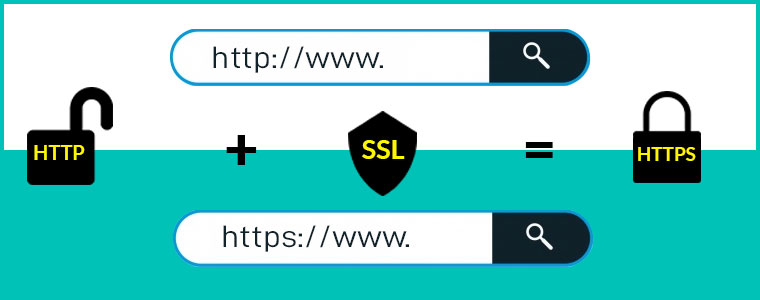
For this matter, you need to make your website SSL certified. An SSL certificate adds a security layer to your website and is an important element to build customer trust.
2. Display Security Badges at Checkout
Online transaction frauds have reached a new level nowadays. As a result, people have become way too sensitive to share their bank related information online.
Win customer trust by displaying payment security badges at the checkout. Security signs like Norton Secured, McAfee Secure or displaying supported credit card logos or a security lock develop a sense of trust inside visitors and they feel much more comfortable while making a payment.
3. Go Social
Maintaining your social presence is highly important today if you want to build customer trust. Social media is not just a marketing platform that helps you with brand visibility but it is a place where you can have a friendly connection with your followers and build credibility.
People get to know you as a brand and you build that trust factor in them.
How would you do that?
Be active, and start posting actively. Engage with your audience, be a part of their conversation, reply to their queries, post your inside stories, tell them about your journey. These sorts of things will help you win customers and keep them for life.
Another customer trust winning method is to enhance your customer support.
A visitor/customer may have n number of queries. It could be related to your website, products, or any other issue for which they want a resolution.
It is your sole responsibility to solve their queries and provide them with satisfactory customer service. For that, do not limit your customer support to just emails, or calls. Add a live chat support option too. Moreover, as I said, be active on social media. A majority of customers prefer social media platforms to raise their queries.
It could be a tweet or a DM. Whatever it is, make sure to help them with their concerns as soon as possible. Your customers would appreciate you for showing a quick response to their concerns.
If you keep these 4 things in your mind, your visitors would surely find your website trustworthy. Let’s now take a look at how to build customer loyalty.
4 Ways to Build Customer Loyalty
To build loyalty with customers, you need to focus on a few important things-
1. Deliver What You Say
Customer loyalty lies in delivering what you promise. Many times, customers do not receive products the way it looked on the product page and sometimes, there are some missing features. This leads to disappointment among the customers and they feel being cheated.
Let’s not make fake promises. Deliver them the quality they expected or the item which they actually thought was worth purchasing. If you fail to deliver what you say, that will probably the last time you will see that customer on your website.
The same goes for your delivery time and return policies. The product should get delivered within the time mentioned. A delay in delivery can irk your customers. And it should be followed by a clear return policy. It shouldn’t be like that you have promised easy returns but the customer is facing a hard time in placing a return.
These things are important if you want to gain customer loyalty.
If you have not added a review section on your website just because you are afraid of some negative comments, you are never going to win the complete trust of visitors.
People have grown smart. Before buying a product from a new website, they do research on the company’s background and look out for reviews to check if it is genuine or not or see what people have to say about the Brand.
More than half of the job is done if shoppers find your Brand reliable enough to shop, then comes the product review part which helps a prospect in his/her buying decision. Reviews play a huge role here.
Be transparent about the reviews. Openly accept people’s opinions about your brand or product. There will be some good reviews and some bad reviews for sure but it will present a sign of honesty in front of your customers.
Respond to your reviews. Understand what went wrong with your customers that led to a negative remark. You should always be ready for constructive criticism.
Having a loyalty program for your business is one of the best ways to build customer loyalty, and it improves customer retention, simultaneously.
When you reward customers with loyalty points on a successful purchase, you basically invite them to shop from your brand again in the future. It ensures repeat purchases and keeps you ahead of your competitors who are not having any loyalty program at all.
Loyalty Programs build a personal connect between the brand and the customer and increase customer loyalty.
4. Value Your Customers
Never forget to thank or appreciate your customers. Showing a bit of gratitude not only helps you win customer trust but also develops customer loyalty.
Here’s what you can do. When a customer places an order, thank him/her for showing the trust in your brand and choosing to shop with you. Or if they have something to suggest or left a review, be it positive or negative, accept it gladly and appreciate them for leaving feedback.
Ask them if your products or services lived up to their expectations. Apologize if they faced a delay or an inconvenience with something. This shows your professionalism. It is important to value your customers to build a healthy customer relationship.
The Bottom Line
Building Customer Trust and Loyalty is not something that you can earn overnight. It will take time but your efforts to winning customer trust and loyalty would surely reflect results.
Treat your customers well. Make them feel special and most importantly, avoid using click baits to drive traffic to your website.
What are your strategies for building customer trust and loyalty?