You may also like to read:
Discover how integrating your PrestaShop store with Etsy can save time and maximize sales. Read MoreIn today’s highly competitive e-commerce world, it’s no longer enough to sell products on just your own website. Instead, to reach more customers and increase your revenue, selling across multiple marketplaces has become a smart and often necessary strategy.
Among the most popular platforms for online sellers are eBay, Etsy, and Google Shopping. Each of these marketplaces has its own unique audience, benefits, and requirements. That leads to the question of how to pick the right one for your business needs.
Let’s take a closer look at each platform, so you can make an informed decision that matches your goals. Additionally, we’ll show you how you can simplify the integration process with a ready-to-use plugin.
Ebay Marketplace
[New Upgrade Alert]
Knowband is excited to announce the release of Prestashop eBay Marketplace Addon version 2.2.1, packed with the latest enhancements to streamline your PrestaShop–eBay operations. This update focuses on making inventory management and API tracking easier, faster, and more reliable.
With this new version, you can now:
1. Inventory Comparison
The Inventory Comparison tab helps you keep your PrestaShop store and eBay listings perfectly in sync. It automatically compares stock levels between platforms, highlights discrepancies, and prevents overselling, saving you time and reducing manual errors.
2. Rate Limit Monitoring
The Rate Limit tab allows you to monitor your eBay API usage in real time. You can check the data of all APIs with the Total limit, how much is used & remaining usage before you hit API limits, ensuring your store continues to sync smoothly without interruptions.
These two major enhancements give you better control, fewer errors, and a seamless integration experience.
Upgrade to v2.2.1 today and take your PrestaShop – eBay integration to the next level!
Check out the user manual for detailed guidance
Let’s start with eBay, one of the longest-running and most reliable online marketplaces globally. With millions of active buyers across the globe, it offers a variety of products for customers of all kinds of products, from electronics and apparel to home goods and collectables.
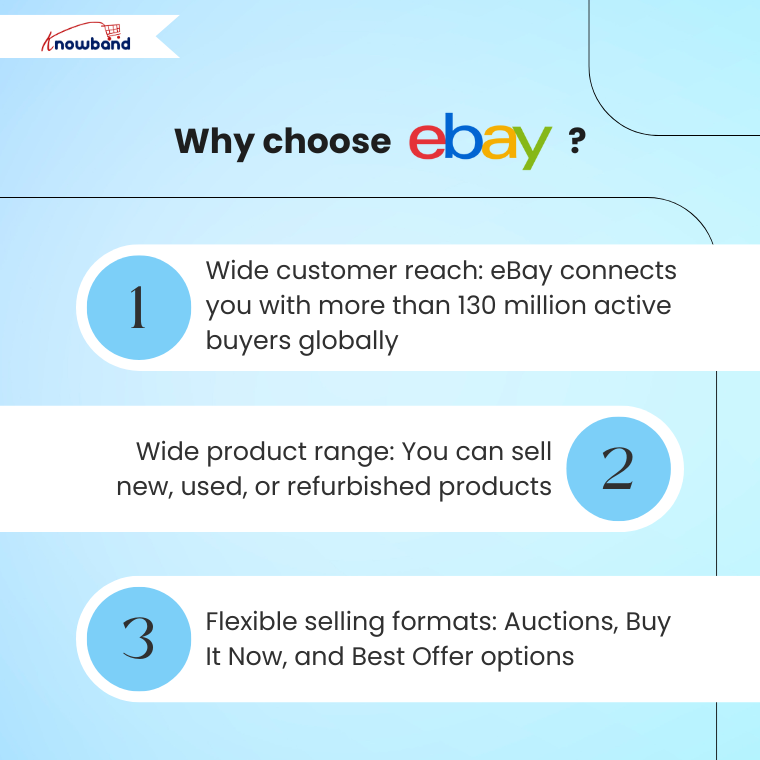
Why choose eBay?
- Wide customer reach: eBay connects you with more than 130 million active buyers globally.
- Wide product range: You can sell new, used, or refurbished products
- Flexible selling formats: Auctions, Buy It Now, and Best Offer options
However, eBay is highly competitive, especially for generic products. As a result, to succeed, sellers need high ratings, fast shipping, and clear, detailed product descriptions.
If you’re using platforms like PrestaShop or OpenCart, you can use Knowband’s eBay Marketplace Integration Plugins to automate product listings, sync inventory, and manage orders right from your store backend, thereby saving you time and effort.
Etsy Marketplace
On the other hand, Etsy is a platform for creative sellers. If you sell handmade goods, craft supplies, artwork, or vintage products, Etsy is where your products will shine.
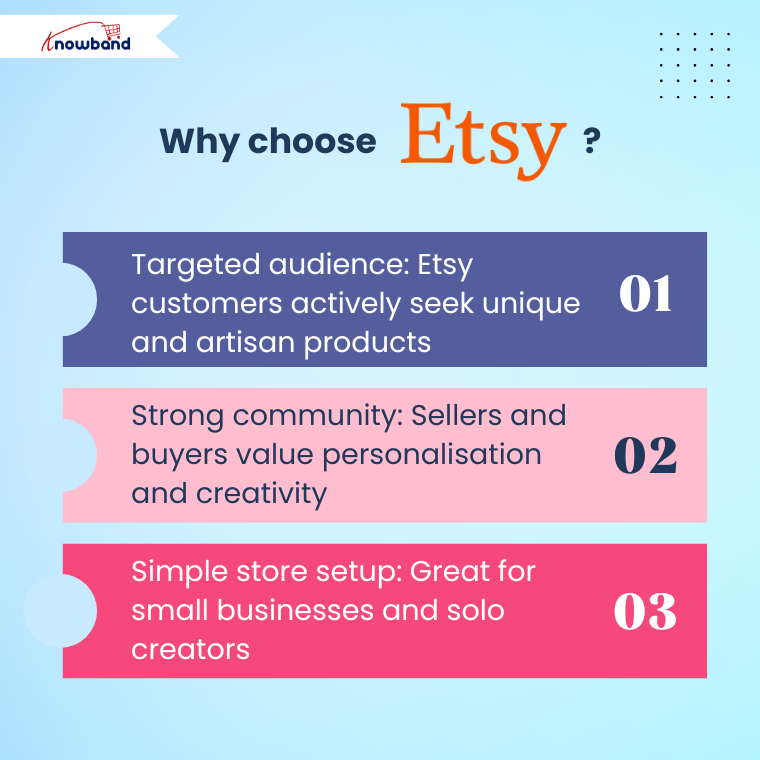
Why choose Etsy?
- Targeted audience: Etsy customers actively seek unique and artisan products
- Strong community: Sellers and buyers value personalisation and creativity
- Simple store setup: Great for small businesses and solo creators
Etsy has clear rules about what types of products are allowed on the platform. In fact, mass-produced items are generally not allowed unless they’re designed by you and manufactured through approved partners.
Similar to eBay, Knowband’s Etsy Marketplace Integration Plugins helps you list your products on Etsy directly from your existing store platform.
Furthermore, inventory sync, price updates, and order management are all handled automatically, thus letting you focus more on creativity and less on manual work.
Google Shopping Marketplace
In contrast, unlike traditional marketplaces, Google Shopping is a product listing service from Google that displays your items directly in Google Search in the Shopping tab. Moreover, it’s ideal for sellers who want to drive traffic to their own store while still reaching a large audience.
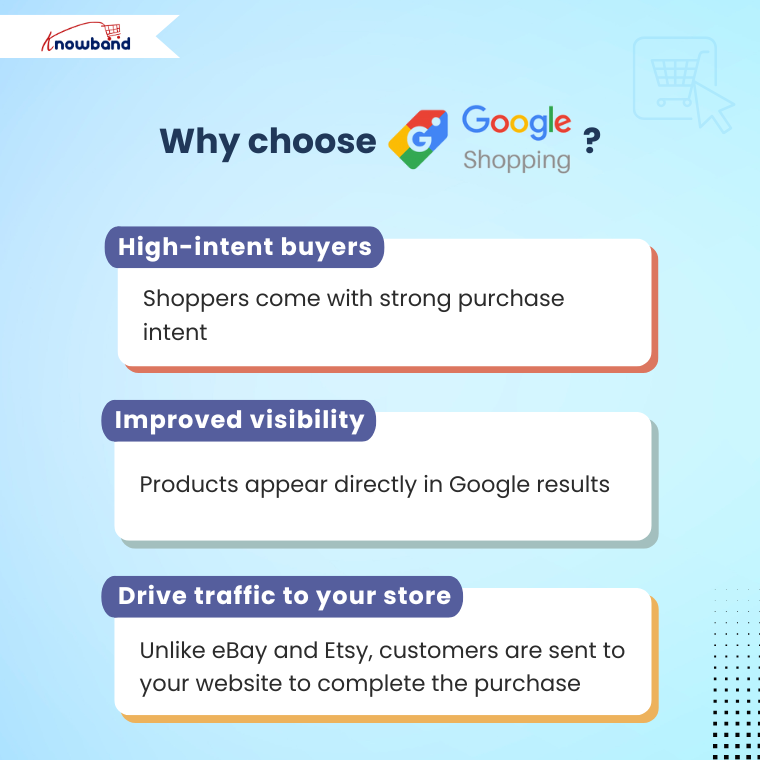
Why choose Google Shopping?
- High-intent buyers: Shoppers come with strong purchase intent
- Improved visibility: Products appear directly in Google results
- Drive traffic to your store: Unlike eBay and Etsy, customers are sent to your website to complete the purchase
However, Google Shopping requires you to manage a product feed and comply with Google Merchant Centre policies.
Similarly, Knowband’s Google Shopping Integration Module links your store directly to the Google Merchant Centre.
It also automates product feed creation, keeps your listings up to date, and makes sure they follow Google’s guidelines.

So, which platform is the right choice for your business?
That depends on what you’re selling, who you want to reach, and your business goals. Here’s a quick guide to help you decide:
eBay is ideal for selling general products, branded items, and electronics. With its global reach, it’s perfect for sellers targeting a broad and diverse audience. Furthermore, the platform attracts customers looking for variety, deals, and trusted brands.
On the other hand, Etsy is a great choice for selling handmade, vintage, custom, or creative items.
It’s popular with people who like special, one-of-a-kind products, craftsmanship, and unique items. Specifically, if your products tell a story or are made with a personal touch, Etsy is a great fit.
Meanwhile, Google Shopping works well for nearly any product type and is especially effective for driving traffic to your own online store. In addition, it places your products directly in front of search engine customers who are actively looking and often ready to purchase.
But you don’t have to stick to just one platform. In fact, many successful sellers use a multichannel strategy, listing their products on all three platforms to maximise reach and revenue.
Final Thoughts
Whether you’re a small creator selling handcrafted candles or a growing business offering electronics and fashion accessories, choosing the right marketplace or combination of marketplaces can have a huge impact on your success.
By leveraging ready-made integration modules for platforms like PrestaShop, OpenCart & Magento 2, you can eliminate manual uploads, sync inventories in real time, and manage orders from a centralised dashboard.
Finally, if you’re ready to expand your reach across eBay, Etsy, and Google Shopping, explore our integration solutions designed to save you time and grow your business faster.

You may also like to read:
Discover how integrating your PrestaShop store with Etsy can save time and maximize sales. Read More